
What to Watch: The Future of Brand Activation in 2026
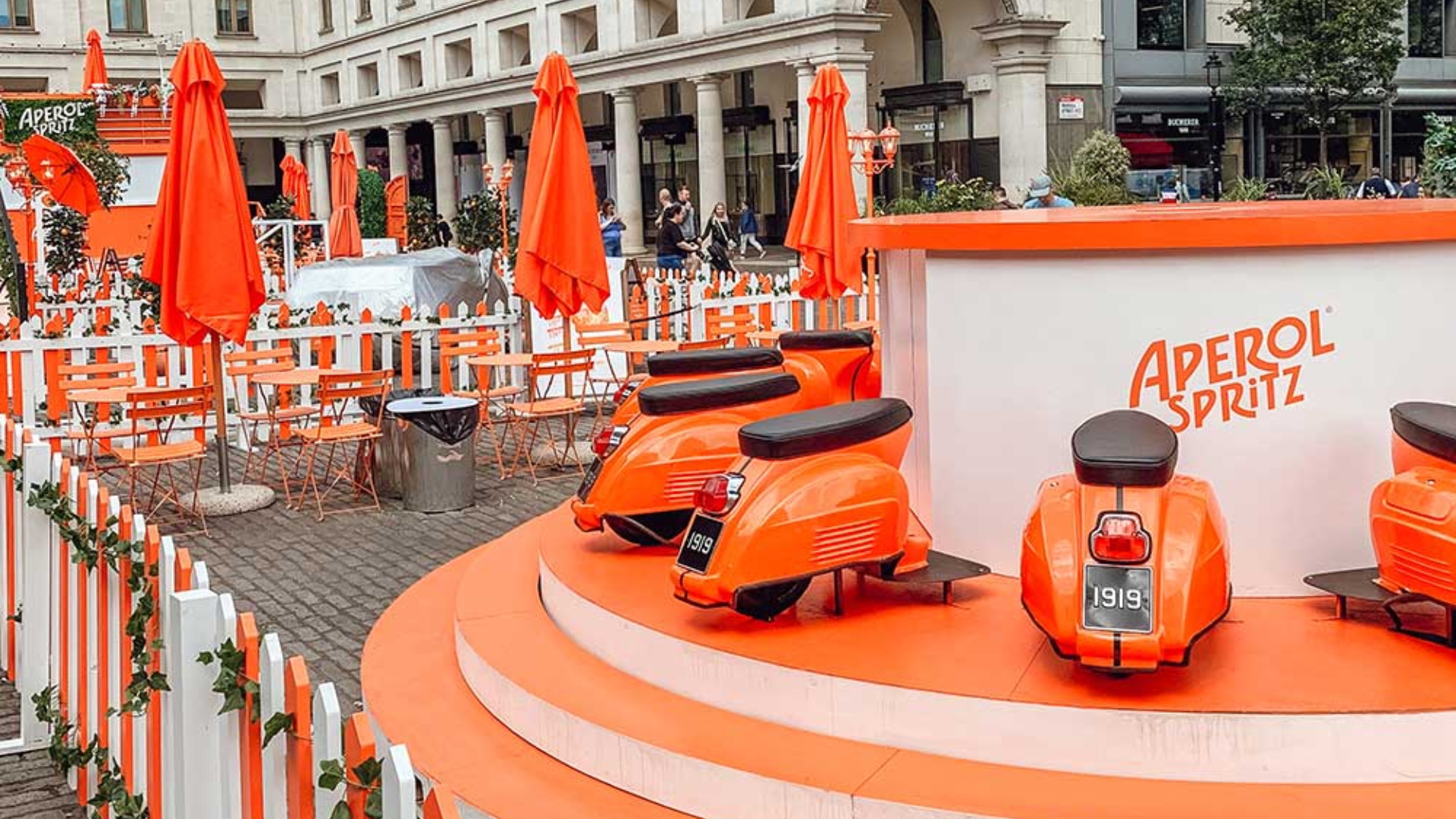
Brand activation has never been more important than in today’s landscape. Modern consumers’ expectations are evolving rapidly - rewriting the rules of brand engagement and demanding interactions and experiences that are personalised, purposeful, and seamless across every channel.
And in 2026, brands that want to continue to win market share and connect with consumers will need to lead the way with their brand activation. Data-driven, strategic, and immersive - understanding what comes next will be critical.
Why Brand Activation Matters More Than Ever
With an oversaturated market in nearly all sectors, and a bombardment of content from so many platforms, brands should have 1 priority above all else – cutting through the noise.
Consumers expect value at every interaction. They want memorable, experiential, and connected activations that demonstrate to them that brands understand their needs. They want relevance, convenience, authenticity, and excitement in a world of marketing oversaturation.
As the competition for attention intensifies, effective brand activations have become the essential bridge between brand and audience – mitigating against passive awareness. In 2026, the brands that stand out will be those that treat activation as a core growth strategy rather than a campaign add-on.
1: Hyper-Personalised & Data-Driven
As brands use data to tailor experiences to individual consumers, 2026 will see brand activations become more personalised than ever.
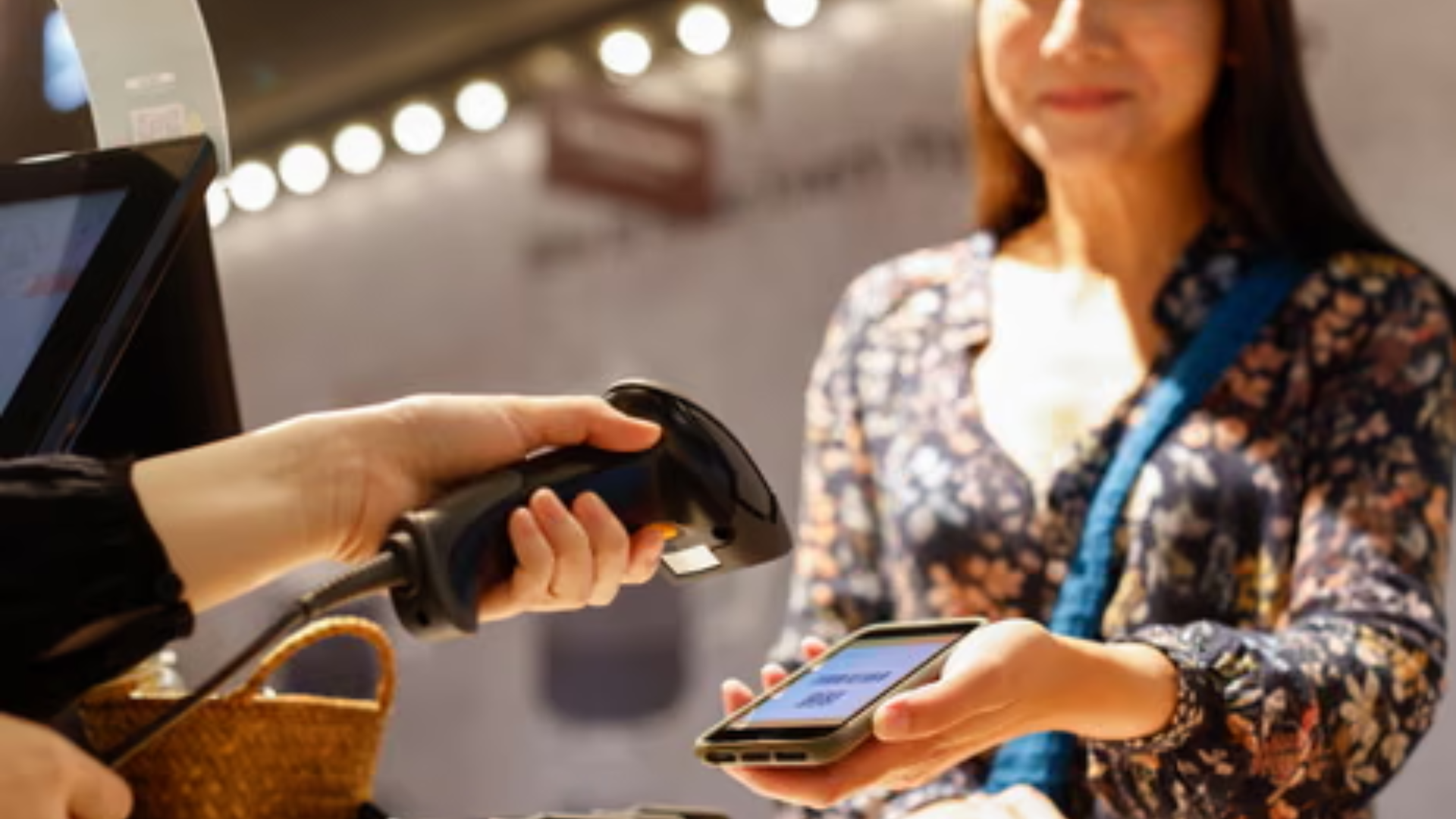
We’re already seeing this shift through simple yet powerful tactics – such as personalised product recommendations in-store, customised QR journeys, and targeted offers delivered at the point-of-sale (POS). This shift marks a move away from broad, one-size-fits-all activations, as data allows brands to understand the consumer at a much more comprehensive and individual level.
In practice: A beverage brand could trigger a loyalty-app discount when a shopper approaches the drinks aisle, or a beauty brand might use digital screens to suggest different products based on the weather or time of day.
Going forward, predictive insights will continue to help brands anticipate consumer needs and activate accordingly. As data becomes more accessible and technology becomes more intuitive, hyper-personalised brand activation will move from an exciting innovation to an everyday expectation
2: Seamless Omnichannel Journeys
In 2026, brand activation is leaving siloed campaigns behind. Consumers will expect experiences that connect effortlessly across physical, digital, social, and owned ecosystems – omnichannel will be a prerequisite, where every touchpoint reinforces the brand story, and builds depth of connection.
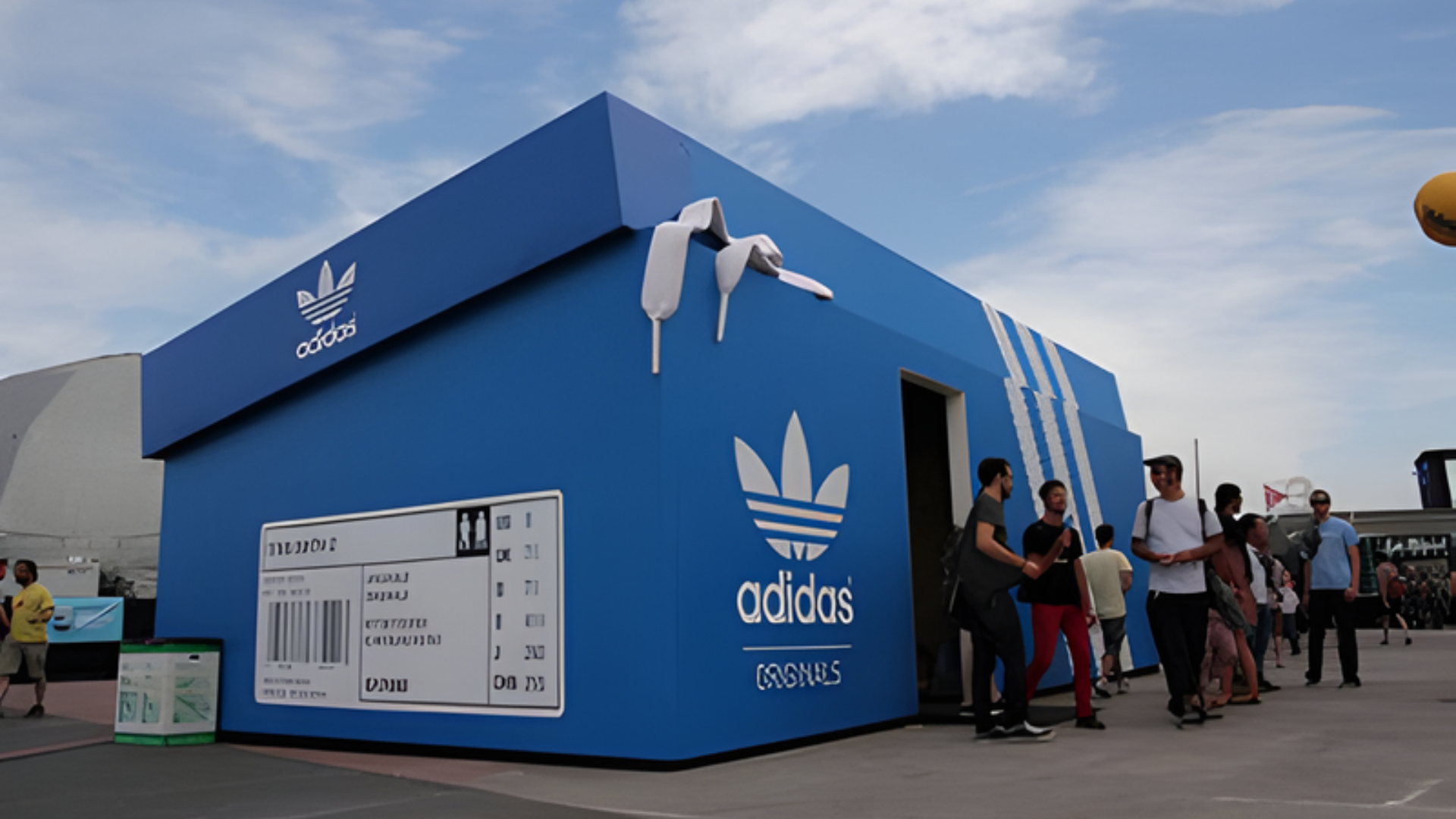
Consistent and seamless journeys are key, and many brands are already activating strategies and technology to support this. From POS QR-enabled displays, interactive screens, and connected packaging – omnichannel doesn’t just boost activation; it increases conversion by guiding shoppers through a clear, consistent path to purchase.
In practice: A shopper discovers a product through a creator-led livestream, scans connected packaging when they see it in store to unlock added value and then completes the purchase online. Where their conversion may have been lost in-store due to hurdles to purchase (convenience, cost, perceived value), omnichannel guides them through to purchase.
By integrating online and offline, omnichannel drives measurable results, making it an essential strategy for brands in the coming year.
3: Immersive & Experience-Led
Experiential marketing is accelerating, and 2026 will bring increased immersion. Consumers want more than a branded moment - they want a complete experience; something to intrigue, something to remember, and something to excite.
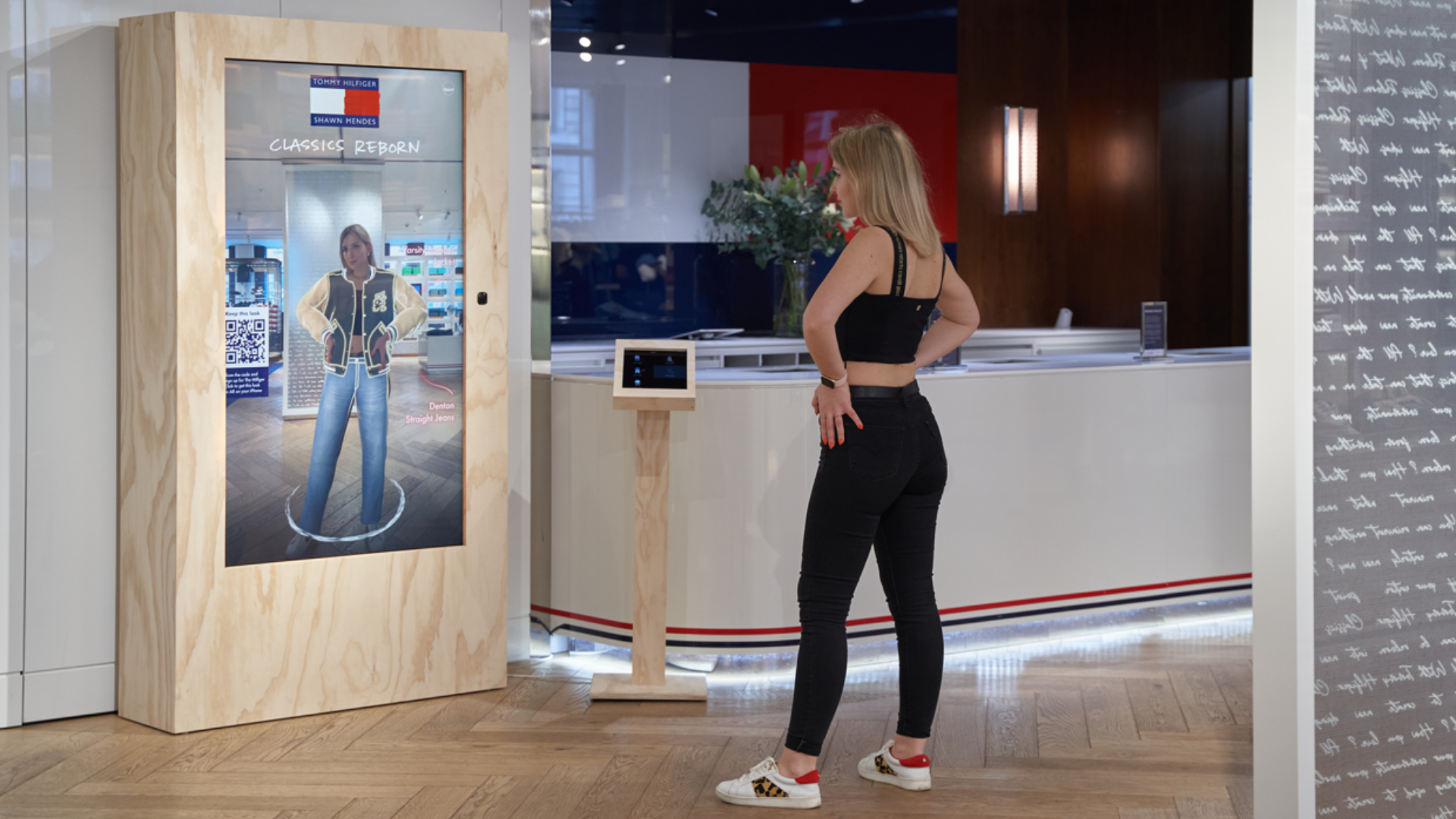
Technology tools are already facilitating here; from augmented and virtual reality (AR/VR) in retail, to multi-sensory pop-ups that create notable and more crucially, shareable, moments, tech can help brands create impact without geographical limits.
In practice: Customisation pop-ups create brand story immersion for customers to engage within the product development (mixing a bespoke drink or adding personal details to packaging), whilst AR try-ons can streamline clothing purchase decisions for virtual immersion without logistics.
Most importantly, immersive activations connect by going beyond the expected. Delivering the unexpected increases memorability and makes brands stick.
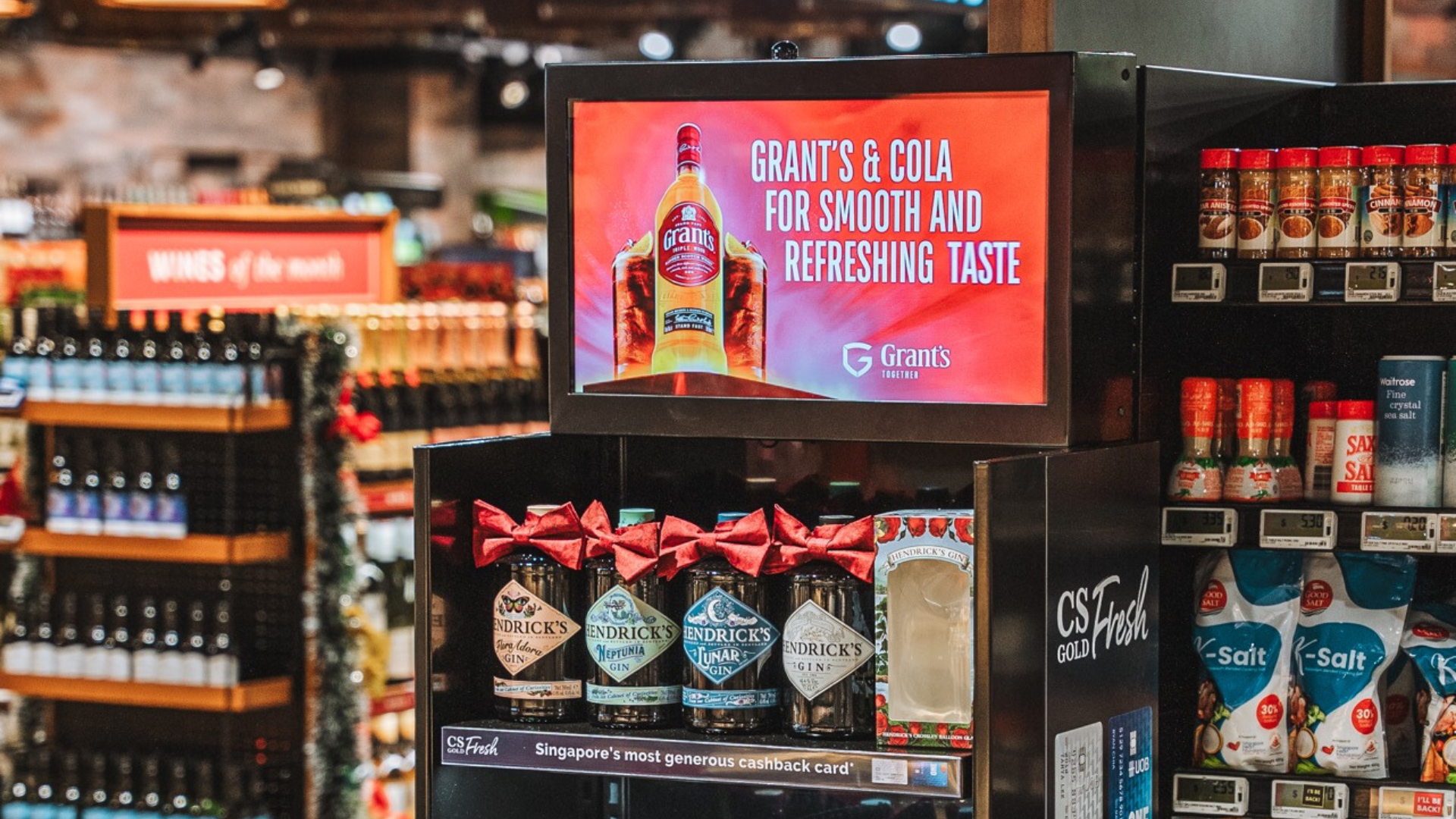
4. Retail Media Transformation
Retail Media has been the talk of every brand and marketer in 2025, and for good reason. Fast becoming one of the most influential forces in brand activation, in 2026 retail media networks (RMNs) will continue to transform campaigns through more precise ways to reach and engage shoppers at point of purchase.
Brands are already using networks to deliver targeted in-store ads, personalised promotions, and programmatic shelf displays. Next, it is real-time measurement that will become the missing link to consumer marketing effectiveness - closing the loop across awareness, trial, and purchase, with accuracy.
Retail media will not only understand customer shopping habits, but serve messaging in real-time, to capture shoppers’ window of availability.
In practice: Brands can trigger a personalised discount when a shopper’s loyalty app identifies their favourite product, or in-store screens can showcase timely recipe ideas linked to shopper’s previous purchases or seasonal promotions.
To transform your brand activation campaigns with real-time data, discover adm Indicia’s leading retail media network Connected Retail here.
What This Means for Brands in 2026
The future of brand activation will be defined by agility, integration, and creativity. As consumers evolve with the modern world, so must the ways brands engage them.
Brands need to be ready to pivot quickly, adopt new technologies and strategies, and build emotionally resonant experiences that are grounded in data and insight. Working with partners who understand the full activation ecosystem - from insight to execution - will be essential.
Success will be in combining innovation with strategic fundamentals: understanding the consumer, crafting frictionless journeys, and activating with purpose.


