
Retail media is advertising that takes place within a retailer’s website, app, or physical store using first-party shopper data to reach consumers near the point of purchase.
What is Retail Media?
And how brands can maximise the opportunity.
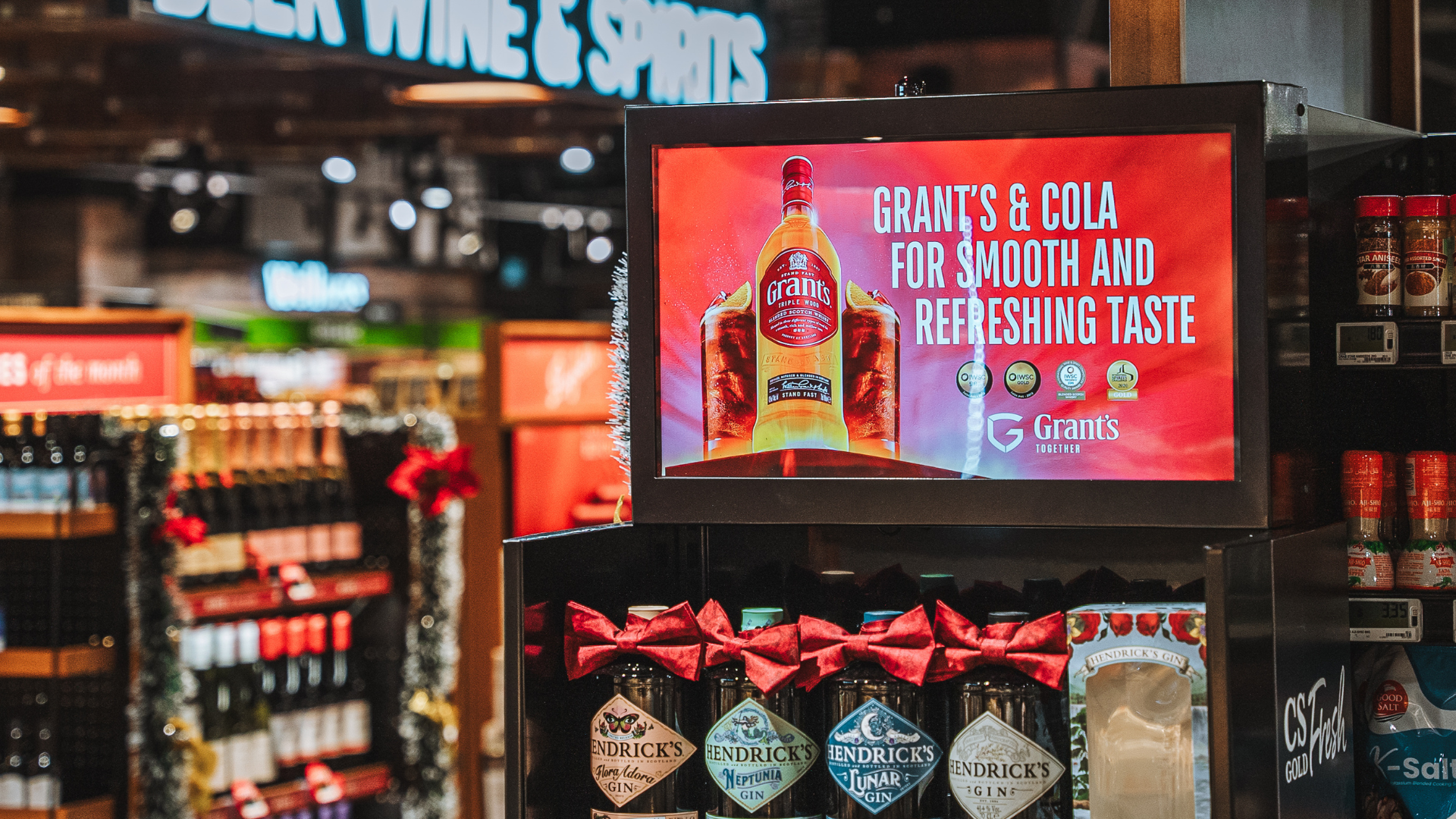
Retail media is one of the fastest-growing segments in modern advertising and marketing. It’s the buzzword at every marketing conference, and every brand marketer and retailer growth strategy. But what does it actually mean, and why does it matter?
What is Retail Media?
Retail media is an advertising eco-system including digital and traditional touch-points) that is connected to a retailer, where brands promote products directly within a retailer’s own channels – such as their website, mobile app, email, or physical store environments
In simple terms:
Retail media lets brands advertise to shoppers while they’re already shopping.
Unlike traditional digital advertising, retail media sits inside the shopping journey, not outside it. That means digital ads are seen when consumers are browsing, comparing, or ready to buy – not just when they’re scrolling social media or reading the news.
Retail media bridges both physical and digital activation:
- Physical spaces (in-store screens, shelf displays, checkouts and kiosks)
- Digital environments (e-commerce sites, retailer apps, third-party search and category pages)
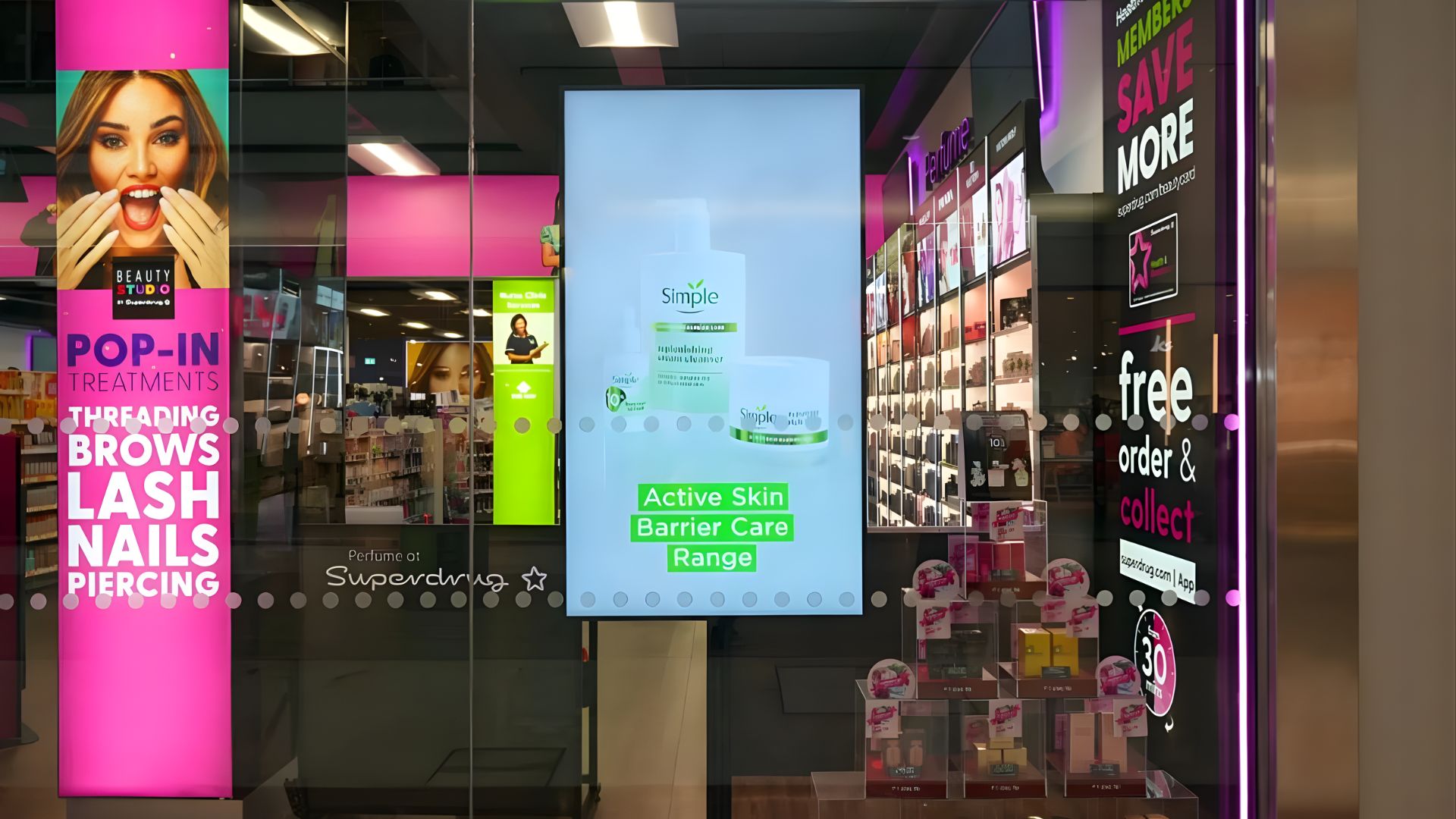
What Is a Retail Media Network (RMN)?
A Retail Media Network is primarily the digital advertising platform/infrastructure that consists of all the digital assets throughout the retailer's store network and enables selling of the ad inventory - their owned media channels.
In simple terms:
Retail media is the strategy.
A retail media network is the system that makes it possible.
- Retail media networks typically include:
- On-site advertising (e-commerce search, category pages, product listings)
- Off-site targeting powered by retailer first-party data
- In-store digital screens and activation points
- Measurement and reporting tied to real sales data
Some of the largest global retail media networks include Amazon Ads, Walmart Connect, Tesco Media & Insight Platform, Kroger Precision Marketing, and Carrefour Links.
These networks vary in scale and capability, but all are built around monetising retailer-owned media using first-party data.
Connected Retail operates as an in-store-focused retail media network, combining physical digital touchpoints with measurement and insight to create a fully connected activation ecosystem.
What Does Retail Media Look Like?
Retail media comes in multiple formats designed to feel native to the shopping experience.
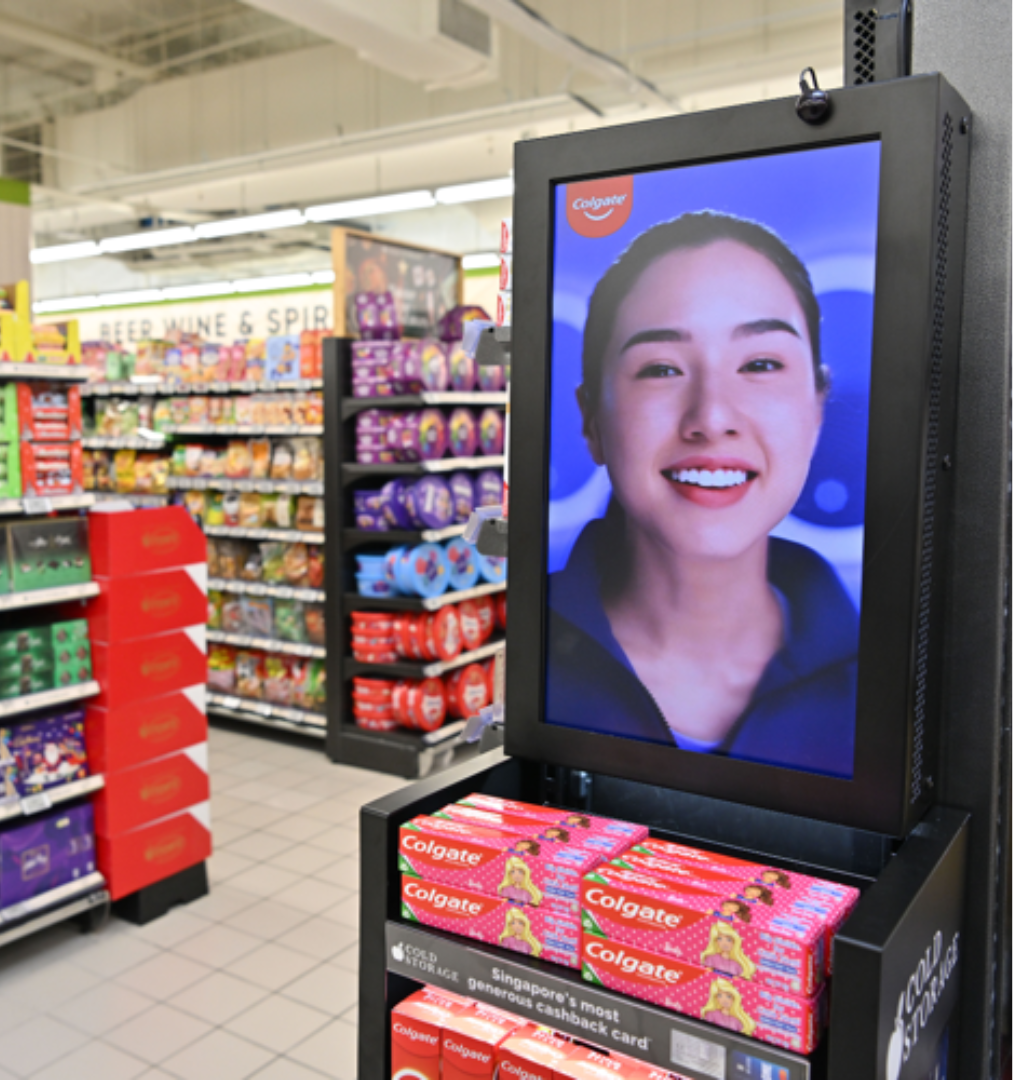
In-Store Digital Screens
Dynamic digital displays that can be:
- At store entry or aisle ends
- Free-standing or integrated shelf displays
- To enhance trial units
- At checkout/self-scanners
They allow brands to create dynamic, live and relevant content that can influence impulse and last-minute purchase decisions.
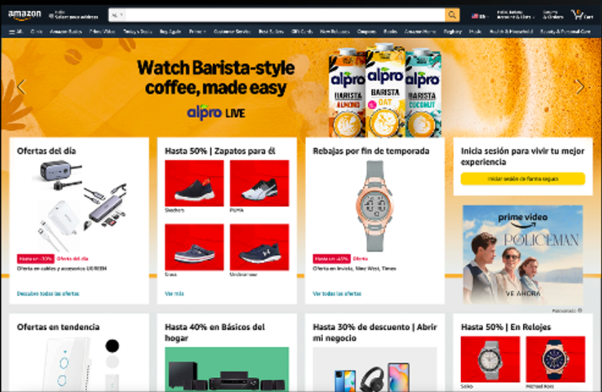
Display and Video Formats
These are digital formats that support awareness as well as conversion, often in e-commerce sites, or existing media infrastructure.
Brand storytelling formats placed across:
- Homepage banners
- Product detail pages
- Retailer apps
Sponsored listing/paid product placements that appear:
- At the top of search results
- Within category pages
Why Is Retail Media Growing So Fast?
Retail media is one of the fastest-growing advertising channels globally, driven by several key shifts.
First-Party Data
Retailers own vast amounts of high-quality shopper data, including:
- Purchase history
- Browsing behaviour
- Loyalty programme insights
Retail media that can ascertain and then optimise using this data enables precise targeting without relying on third-party cookies. It means content can be more personalised, and in combination with dynamic, live and relevant, can improve the shopping experience.
Proximity to Purchase
Retail media influences consumers at the point of decision, making it highly effective for not only conversion, but increasing impulse purchase, basket size and incremental sales. It means return on ad spend is greater, as there are few channels outside of it that can connect awareness directly to purchase in the same moment.
Examples of Retail Media in Action
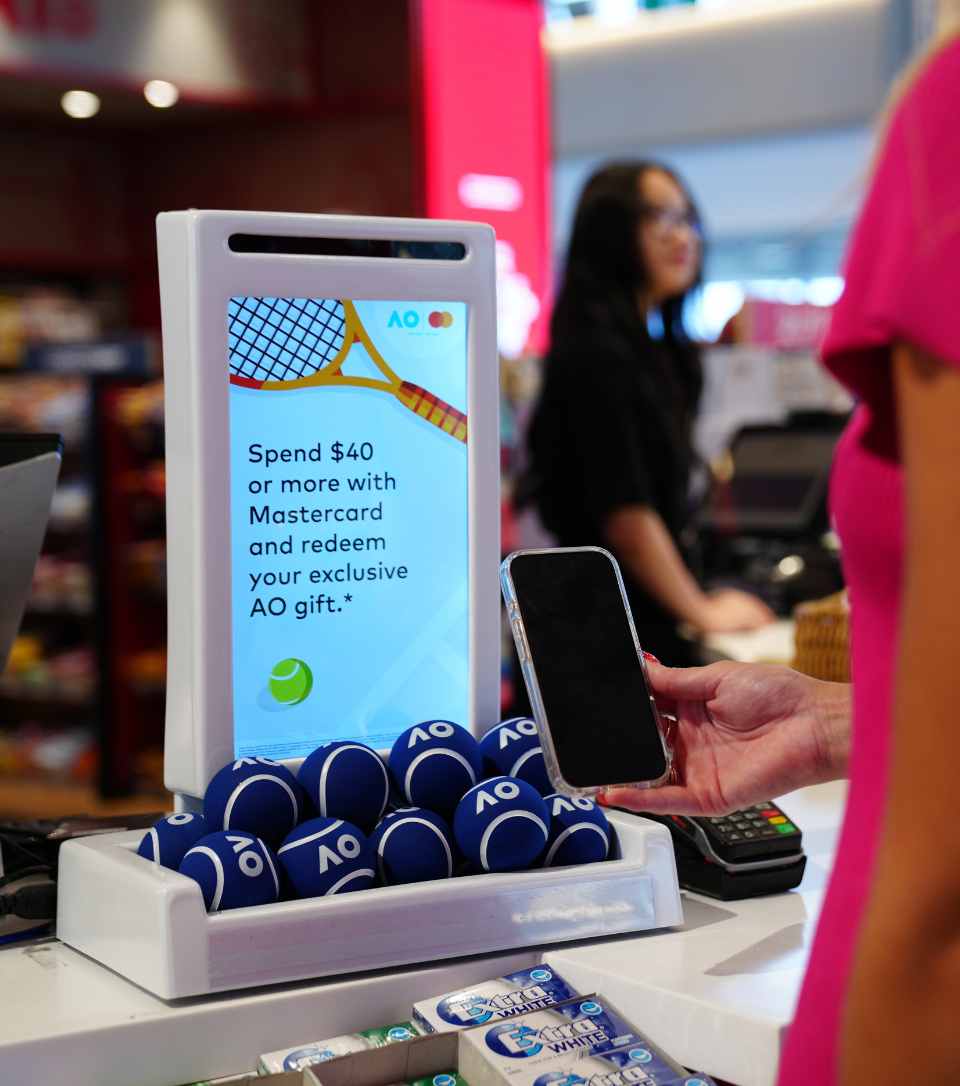
Mastercard's Priceless Australian Open: In partnership with adm Indicia's Connected Retail network, Mastercard launched an omnichannel campaign in travel retail to incentivise customers to tap their Mastercard over competitors. They offered gift with purchases through a personalised digital flow, which increased uptake and subsequent market share.
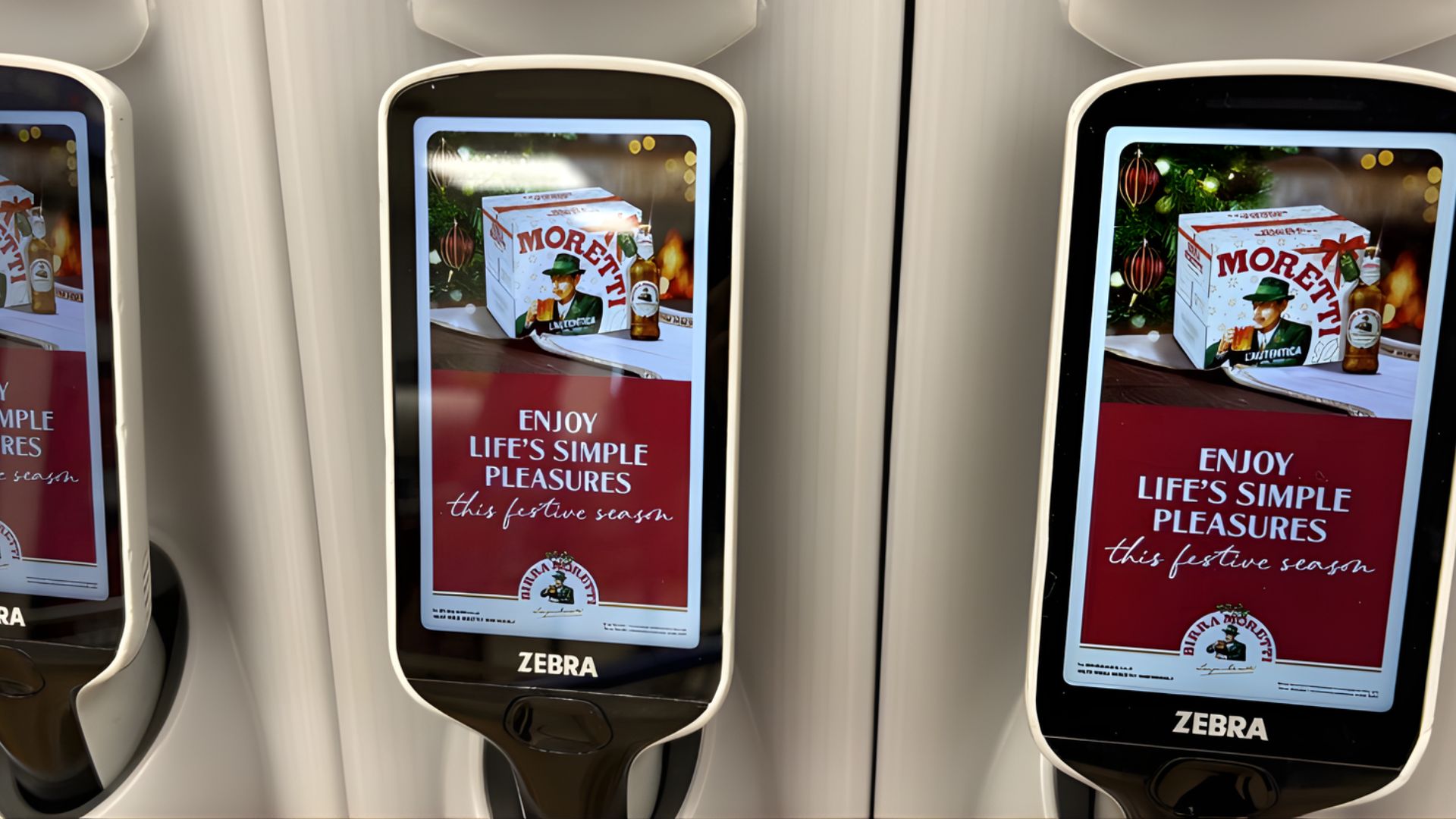
Tesco's Self-Scanner Prompts: The supermarket launched campaigns for Moretti & Inches with their digital creative on handheld self-scanners. A high-footfall tool, where consumers are also highly engaged with the media (through managing their basket), the full-screen and above-basket prompts enabled Tesco to meet shoppers at direct moments of decision influence, that were previously inaccessible
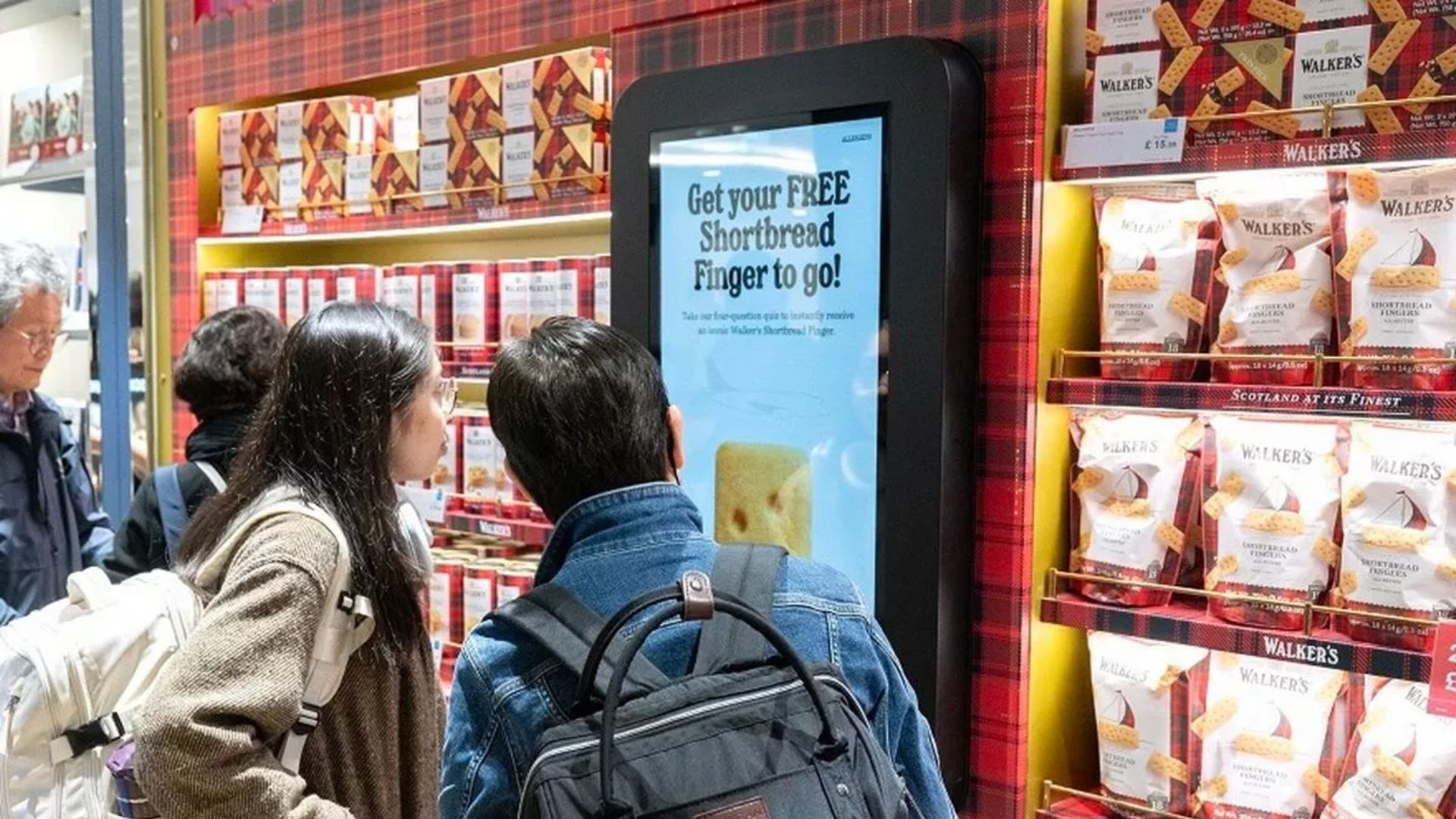
Walkers of Scotland used a digital screen to take shoppers on an interactive journey of their brand, in order to taste a free sample. Not only gamifying the tasting process, they delivered brand storytelling, and connected the funnel beyond the store with an email sign-up.
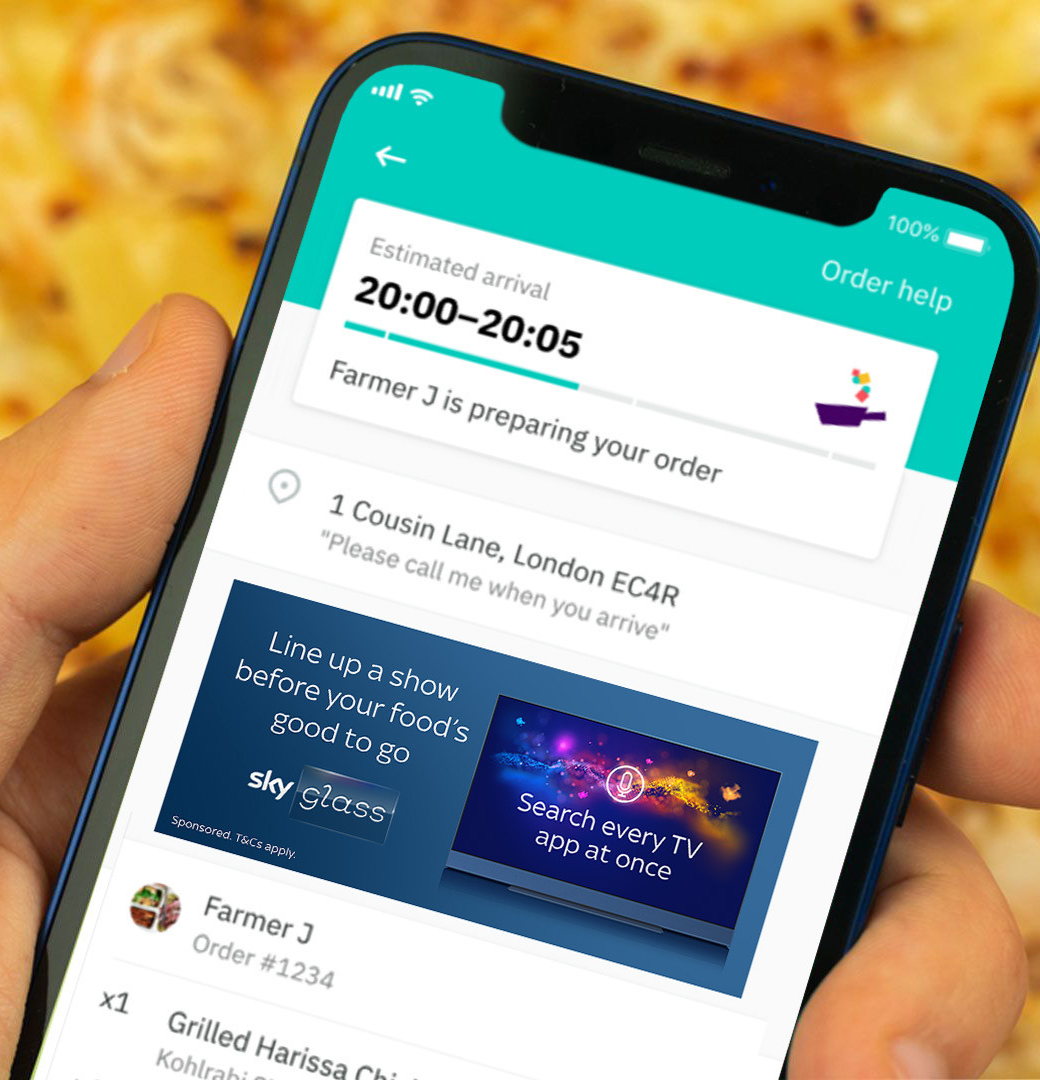
Sky Glass for Deliveroo: Sky Glass identified a virtual retail environment where their target audience would be present (a night in ordering a takeaway, undoubtedly considering what to watch) – and placed effective messaging at the moment of impact.
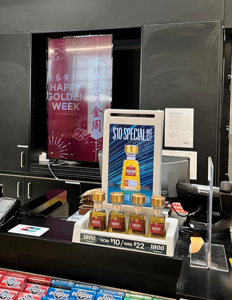
Proximo Spirits: By leveraging Connected Retail’s full-funnel influence in-store, Proximo Spirits had looked to increase engagement and encourage shoppers to enjoy its 1800 Tequila at slashed prices.
What Are The Benefits And Opportunities Of Retail Media?
For Brands
- Access to high-intent shoppers
- Ability to activate and update dynamic content without excessive physical logistics
- Improved ROAS and performance insights – better tracking, better optimisation
For Retailers
- New revenue streams
- Better use of existing data assets
- Stronger partnerships with brands
For Shoppers
- More exciting and tailored product discovery
- Helpful and relevant recommendations
- Improved shopping experiences
When done well, retail media enhances rather than disrupts the customer journey.
Retail Media vs Traditional Digital Advertising
While retail media shares similarities with digital advertising, it performs very differently.
Key Differences:
- Uses (often live and real-time) retailer first-party data, not third-party tracking (or no tracking at all)
- Operates inside shopping environments – targets shoppers at the point-of-purchase, closing the gap from ad to conversion
- Can measure success using actual sales, not just clicks
| Retail Media | Traditional Digital Advertising |
| Uses retailer first-party data | Often relies on third-party cookies |
| Operates inside shopping environments | Operates outside purchase content |
| Measures success using actual sales | Measures success via clicks or impressions |
| Can integrate in-store and online | Primarily online |
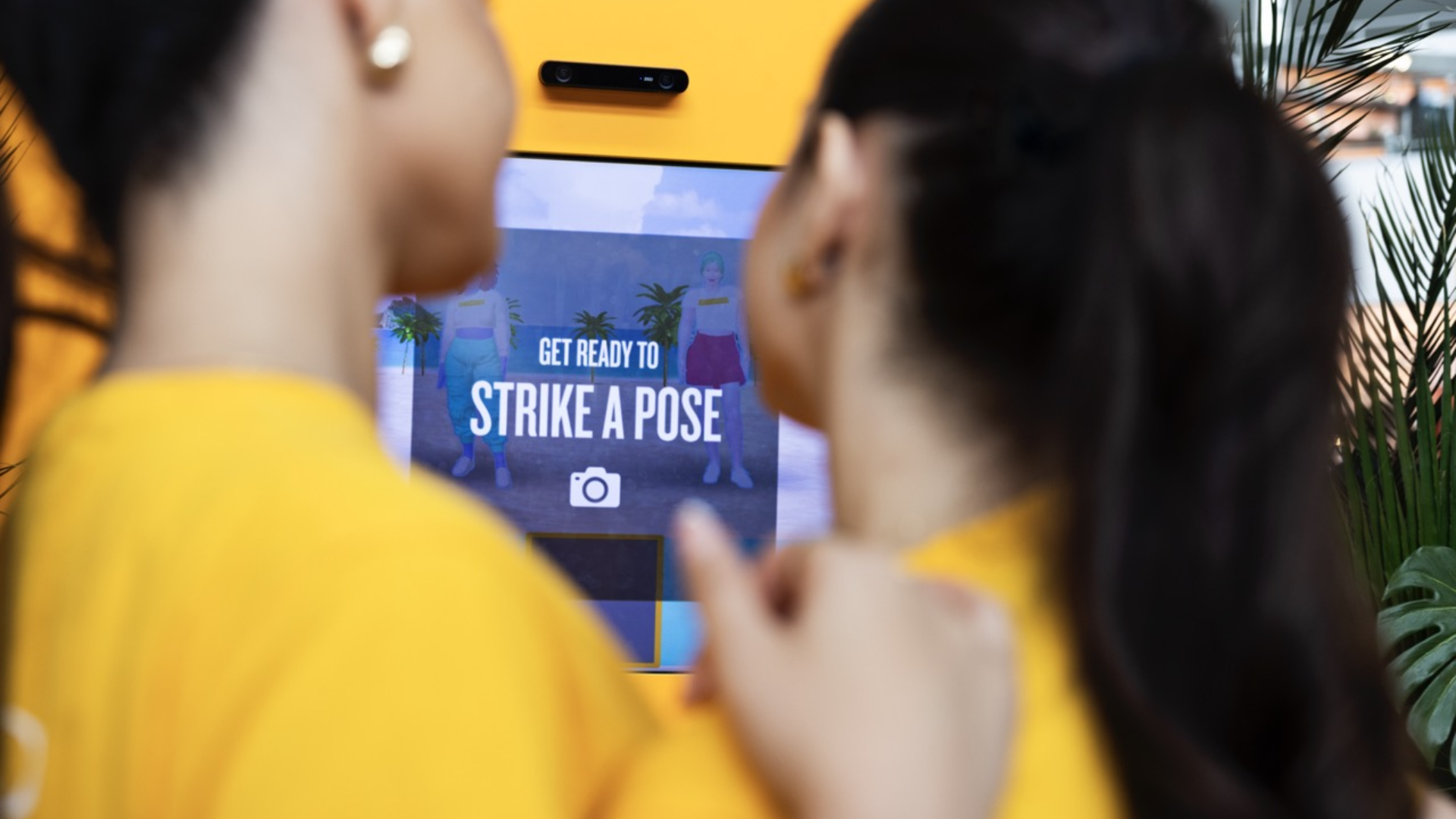
adm Indicia Retail Media Insights
Retail Media has been a key focus for our Insights in 2026, with both our research and growth teams sharing their knowledge and expertise on how brands can win
Read more from our SMEs:
-
More than a Digital Screen: Innovation in Retail Media | adm Indicia Hannah Pearson, Global Director of Marketing – Insights & Innovation
-
A Shelfless Future? How Brands Win When Retail Has “No More Room” | adm Indicia Nick Cavarra, Chief Growth Officer – Americas
-
Exploring the Future of Retail Media Richard Murray, Head of Growth Connected Retail

Learn more about adm’s retail media network Connected Retail, delivering fully-integrated activation for global clients.
Conclusion: Why Retail Media Matters Now
Retail media is not just another media channel. It is a structural shift in how brands and retailers collaborate.
- It places brands inside the shopping journey, not outside it.
- It uses retailer-owned first-party data to deliver more relevant, measurable activation.
- It connects digital and physical retail environments into one ecosystem.
- It links media exposure directly to sales impact, not just impressions.
It creates new revenue opportunities for retailers while improving brand performance.
As retail environments become more digitised and data-driven, retail media will move from “emerging trend” to essential growth strategy.
The brands and retailers that treat retail media as a connected system – not just a screen – will be the ones that unlock long-term value.


