
What is ‘Friction-maxxing’? The desire to return to analogue and how brands can capitalize on it.
by Helena Bush - Markeing & Insights Manager
In an age shaped by automation, AI and speed, an unusual phenomenon is occurring from consumers. And it’s a rebuttal against it.
Coined in January 2026 by journalist Kathryn Jezer-Morton, the term ‘friction-maxxing’ describes embracing healthy friction (i.e. doing manual and analogue tasks and pursuits) in response to the consequence of collapsed attention spans. Consumers are showing a desire to embrace analogue pursuits, take themselves offline, tune into simple times, and save human connection and creativity. In fact, 76% of consumers believe human creativity and craft will always matter more than what machines can generate (Human8, 2026).
In short, consumers want genuine, real-life connection in a digital world. They are worried that instant gratification and convenience is threating that, and rather than removing effort, consumers are now reintroducing it - seeking out experiences that feel tangible, human, and meaningful.
What This Means for Brands?
Whilst spearhead through consumer behaviour outside of brand interactions (from ‘raw-dogging boredom’ or ‘rejection therapy’,) this shift still impacts how consumers shop, and hence can be a strategic opportunity for brands to harness.
This anti-ease approach challenges one of marketing’s most entrenched assumptions: the best experience is always the simplest one.
Instead, brands should rethink value through a new lens. The most effective experiences are no longer just those that remove all effort, but those that reward it.
This doesn’t mean introducing unnecessary complexity. It means designing interactions that feel purposeful, human, and engaging – and balance convenience with connection.
Brands Already Embracing the Trend
Across marketing, retail, and commerce, leading brands are already tapping into this desire for analogue and human connection.
1. Embracing IRL Hobbies & Experiences
In-person events and physical spaces are a way that brands can facilitates that real-life authenticity consumers are graving. IRL hobbies are seeing a resurgence (nearly 75% adults participated in a crafting project in 2025 - Mintel) and these offer avenues for brands to enter.
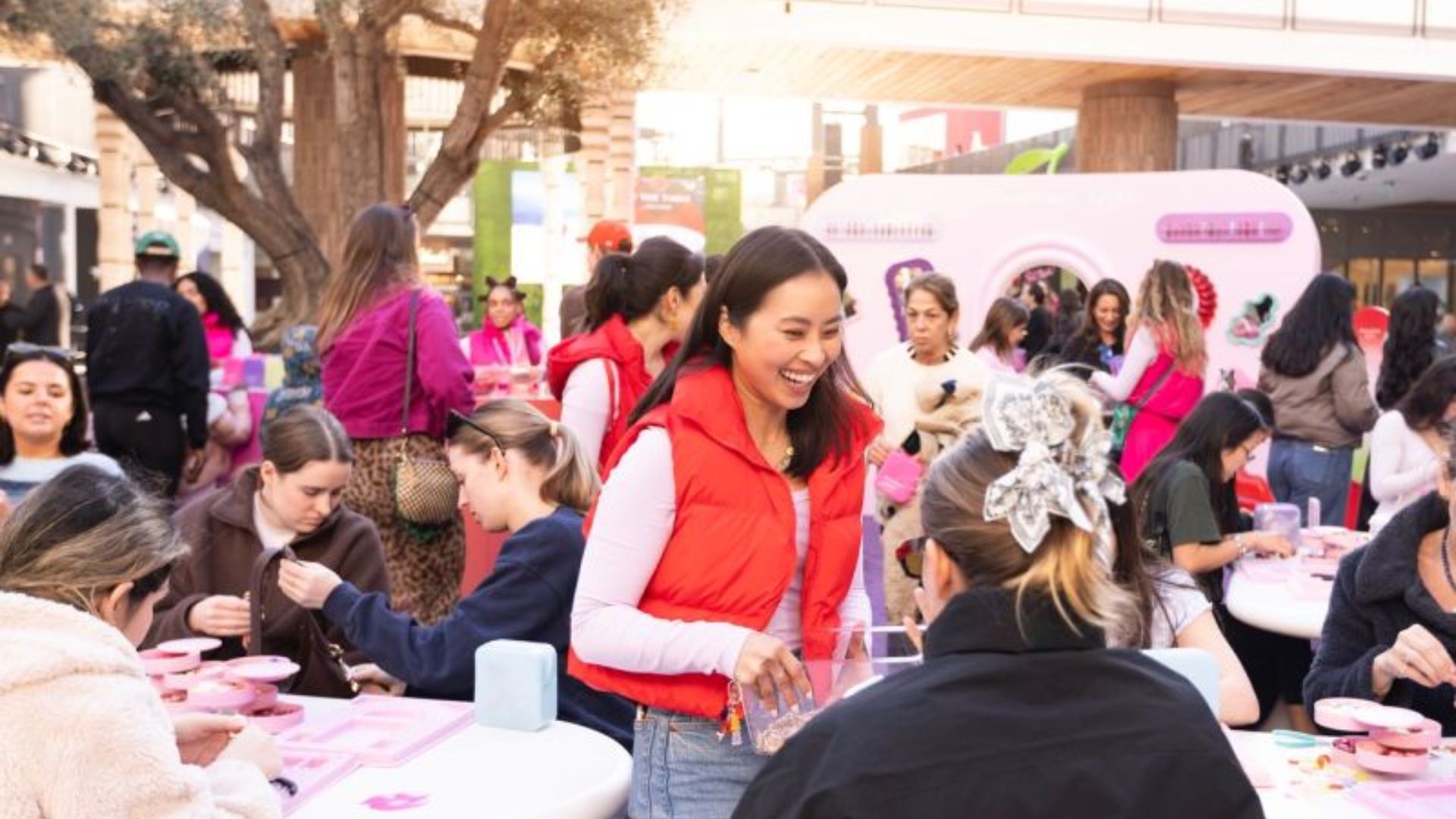
For example, Pinterest and NYX Makeup launched a craft-focused pop-up in 2026, featuring charm customisation and hands-on making stations, offering a nostalgic analogue activity for consumers to participate in.
Similarly, brands can lean into the resurgence of slow hobbies like journalling, scrapbooking and reading through offering physical merchandise like stickers or kits that allow consumers to document memories offline.
2. Analogue Gaming
Move over video games – traditional card, board and physical pasttimes are making a comeback and brands in all spaces are juming into this open window – a notable sector being fashion.
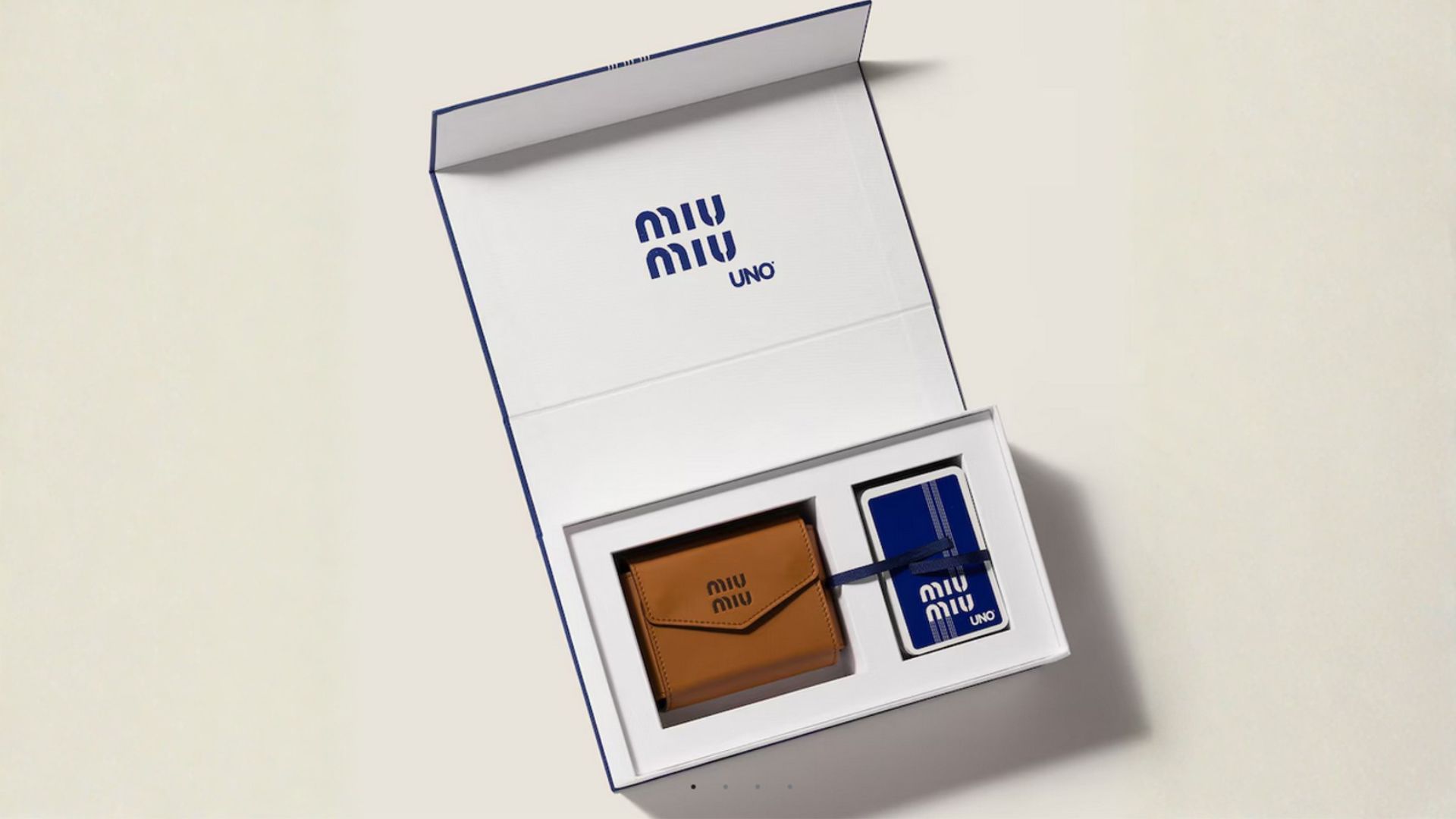
Miu Miu collaborated with Uno and Balenciaga with Monopoly for limited-edition versions of their iconic games, whilst Tiffany and Mugler have release their own chess boards and card decks. These initiatives transform gaming into a shared, real-world experience, reinforcing the value of face-to-face interaction.
Physical play not only taps into fond childhood nostalgia to create positive brand memories, but creates the culturally relevant collateral that facilitates this desired disconnection.
3. Human Connection over Digital Convenience
Brands are stepping away from hyper-convenience and rapid-response campaigns, in favour of more considered, human-led strategies. They seek to demonstrate to customers not only an understanding of their fears in the AI economy, but also reinforcing their brand identity as still one that prioritizes authenticity.
Starbucks recently announced the closure of mobile-order-only locations, citing that they felt “overly transactional and lacking the warmth and human connection that defines our brand.” Meanwhile, for their 30th anniversary in Canada, McDonald's partnered with local artists to produce multi-format images of McFlurry’s, spotlighting crafts lesser seen in the digital world.
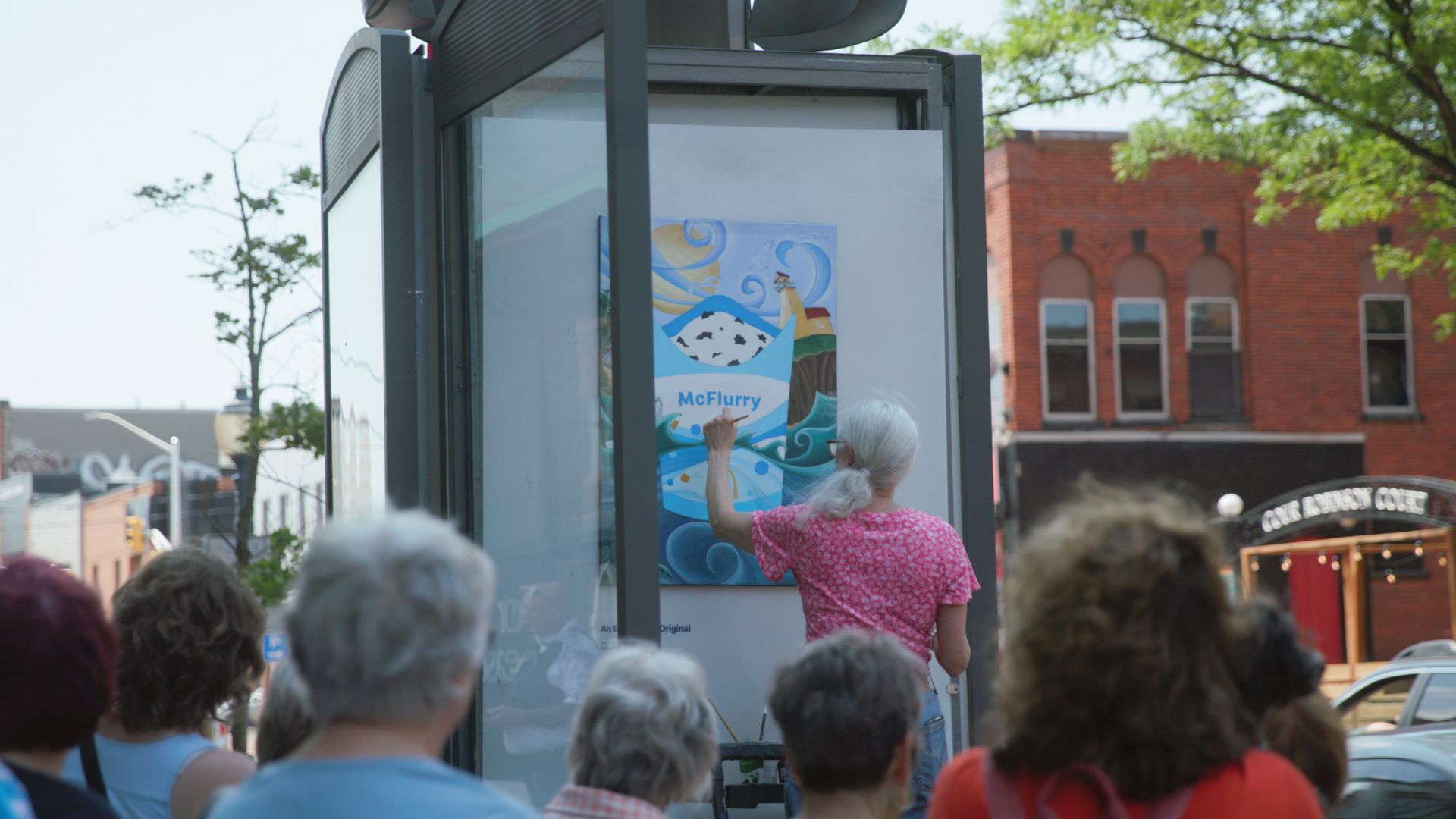
In a landscape increasingly dominated by digital and AI art, this reinforces the value of human creativity - even when it’s slower or less scalable.
4. Driving Connection With Digital
Importantly, ‘friction-maxxing’ doesn’t require abandoning digital and streamlined altogether. Instead, it’s about using technology to encourage the IRL connection.
In 2025, Vodafone partnered with Spotify to launch their ‘A Stranger’s Tale’ audio series. This was based on stories strangers told on public transport, with the focus on looking up from your phone when travelling.
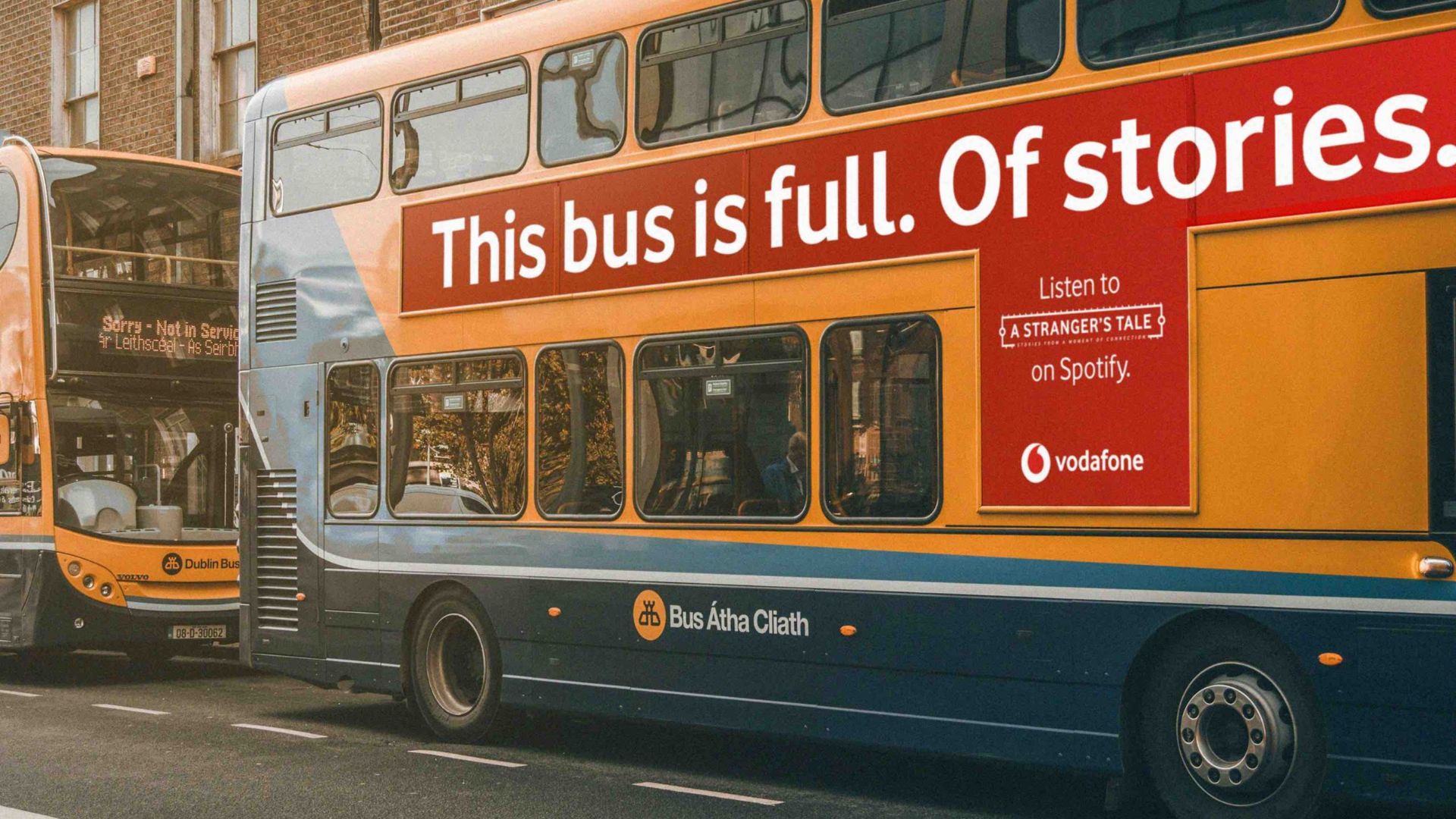
Although digital brands by nature, it demonstrated an awareness that there are still opportunities in the digital world for human connection – engaging with others when you could easily get buried in your device.
Designing for a connection-craving audience
Friction-maxxing and a desire for analogue don’t signal the end of technological convenience - but it does mark the deviation as the only metric of success. For brands, the challenge is this:
How do you create experiences that are still seamless and functional, but not completely soulless?
The answer lies in designing for meaningful friction:
- Interactions that require participation
- Experiences that reward time and effort
- Moments that prioritise human connection over pure efficiency
Because in a world where everything is instant, effortless, and optimised, the brands that stand out will be those willing to slow things down - and give consumers something worth engaging with.


