
The Rise of Wellness in 2026
And which brands are winning in the consumer wellness landscape.
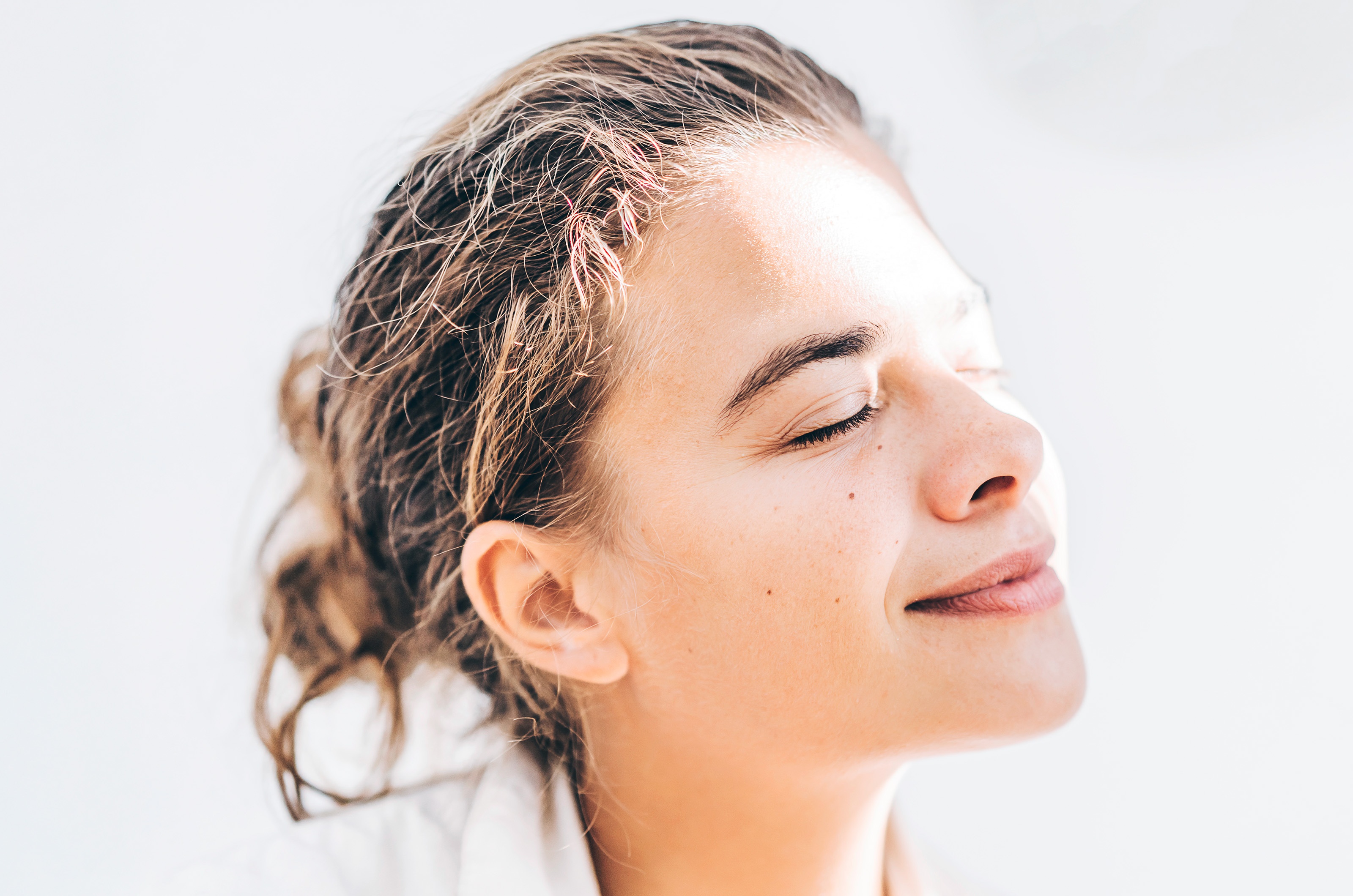
In 2026, the health and personal care landscape is evolving faster than ever: driven by new ingredient development, shifting consumer priorities, and a focus on the impact of wellness on beauty.
From a shift to 'pro-aging', lifestyles impacting brand choices and an increased focus on holistic benefits, the trends shaping 2026 reflect an evidence-based movement with consumer wellbeing at its core.
Feeling good to look good
Self-care has become an intrinsic part of consumers' daily routines, and they look to brands for benefits that go further than skin-deep. Beauty has become intrinsically linked with emotional wellbeing, with 95% of surveyed women recognising a connection between beauty and wellbeing (Oriflame, 2025).
As part of this shift, we are seeing the rise of Psycare: products that support wellbeing through texture, scent or ritual.
Olly Vitamins has released a Mood + Skin range that is designed to improve the skin barrier while using fragrance technology to boost the mood.
Lucas Meyer Cosmetics’ GlowCytocin is a neurocosmetic ingredient designed to mimic the skin-rejuvenating and mood-boosting effects of being in love, commonly referred to as the “love glow”. Derived from Dutch hyacinth bulbs, it is the first ingredient known to activate oxytocin receptors in the skin, promoting increased skin comfort, luminosity, and elasticity while reducing wrinkles.
Sleep ranks highly on consumers' priorities too, with 57% of women revealing they are worried about how poor sleep affects their skin (No7, 2025)
French brand Neuraé is expanding its skincare range with its new sleep mask which combats the disruptive effects that poor-quality sleep has on the skin’s repair mechanisms by supporting nocturnal regeneration.
Swiss manufacturer Mibelle Biochemistry has created cosmetic ingredient LunaRosa, which delivers melatonin-like effects to regenerate and rejuvenate the skin overnight.
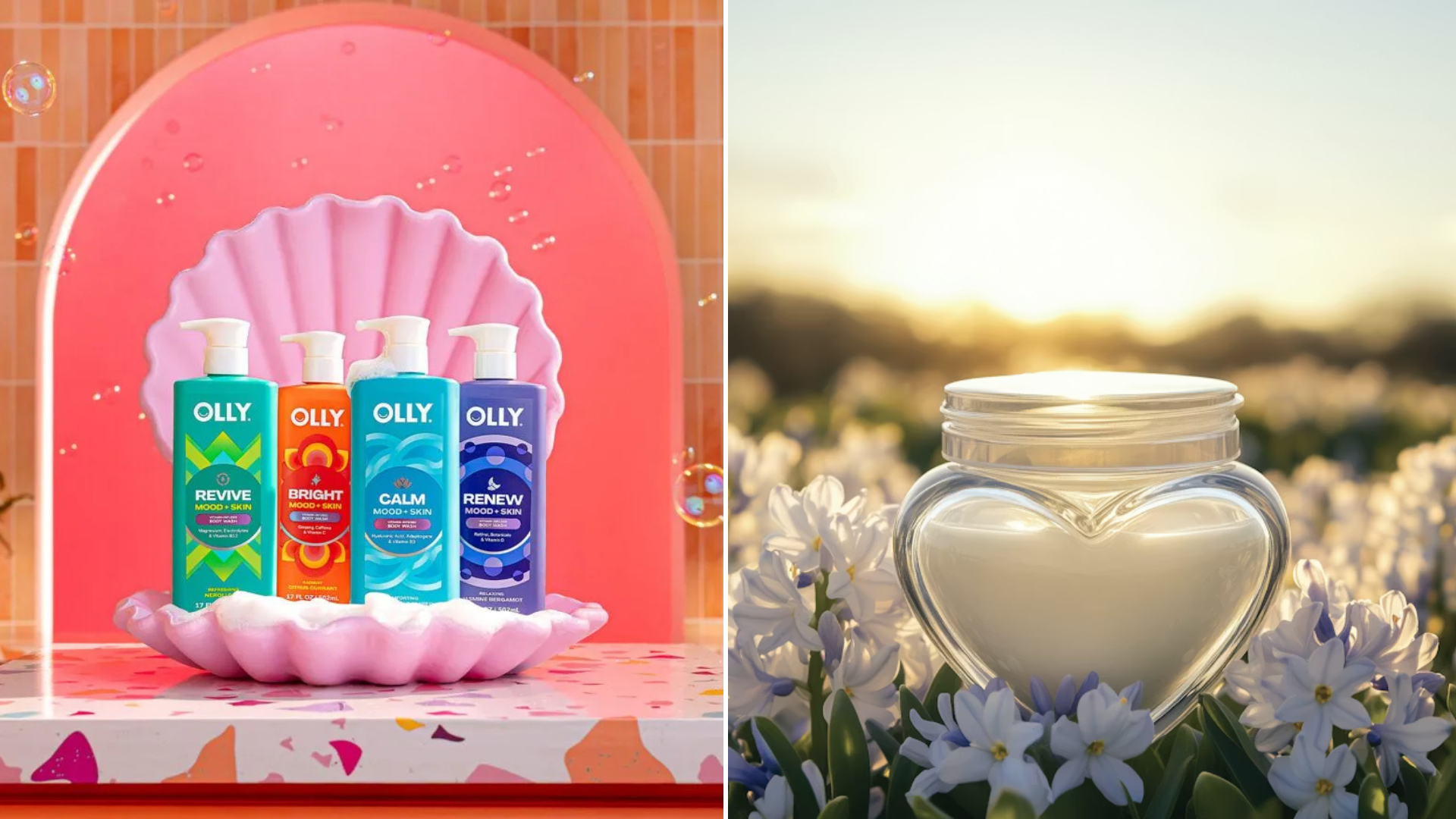
Olly Vitamins, Lucas Meyer Cosmetics
Supporting active lifestyles
As consumers focus on staying active and reducing screen time, they need brands that align with their outdoor, active lifestyles.
Sunscreen is seeing a boom in this space. With increased understanding on the health risks posed by sun damage, brands are launching high protection skin care ranges designed for consumers in their everyday lives.
Emma Lewisham’s Sunceutical SPF 50 Mineral Body Crème is designed to protect the areas that are most often exposed to sun damage (the neck, décolletage and hands).
Darling’s Mist-Me after sun focuses on soothing and hydrating sun exposed skin, with a mix of aloe vera and cooling menthol.
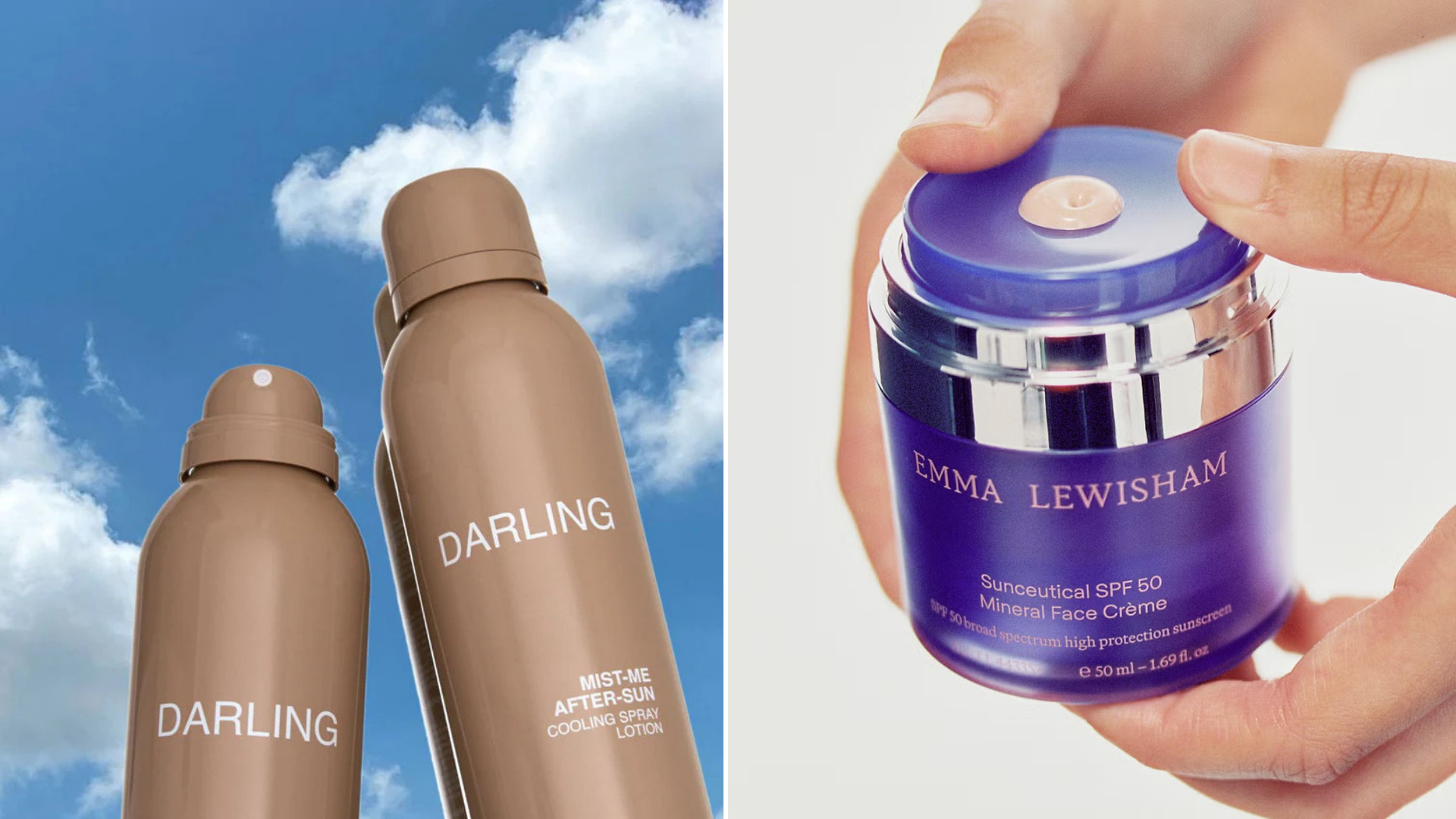
Darling, Emma Lewisham
Products for post-exercise recovery that ease discomfort are primed for growth.
Weleda’s Arnica Cryo Gel immediately cools and moisturises the skin with arnica, aloe vera and menthol.
Selfmade Skincare’s mushroom-powered Recovery Balm combines chaga, arnica, menthol, shea butter and turmeric stem cells to soothe inflammation and boost the skin barrier.
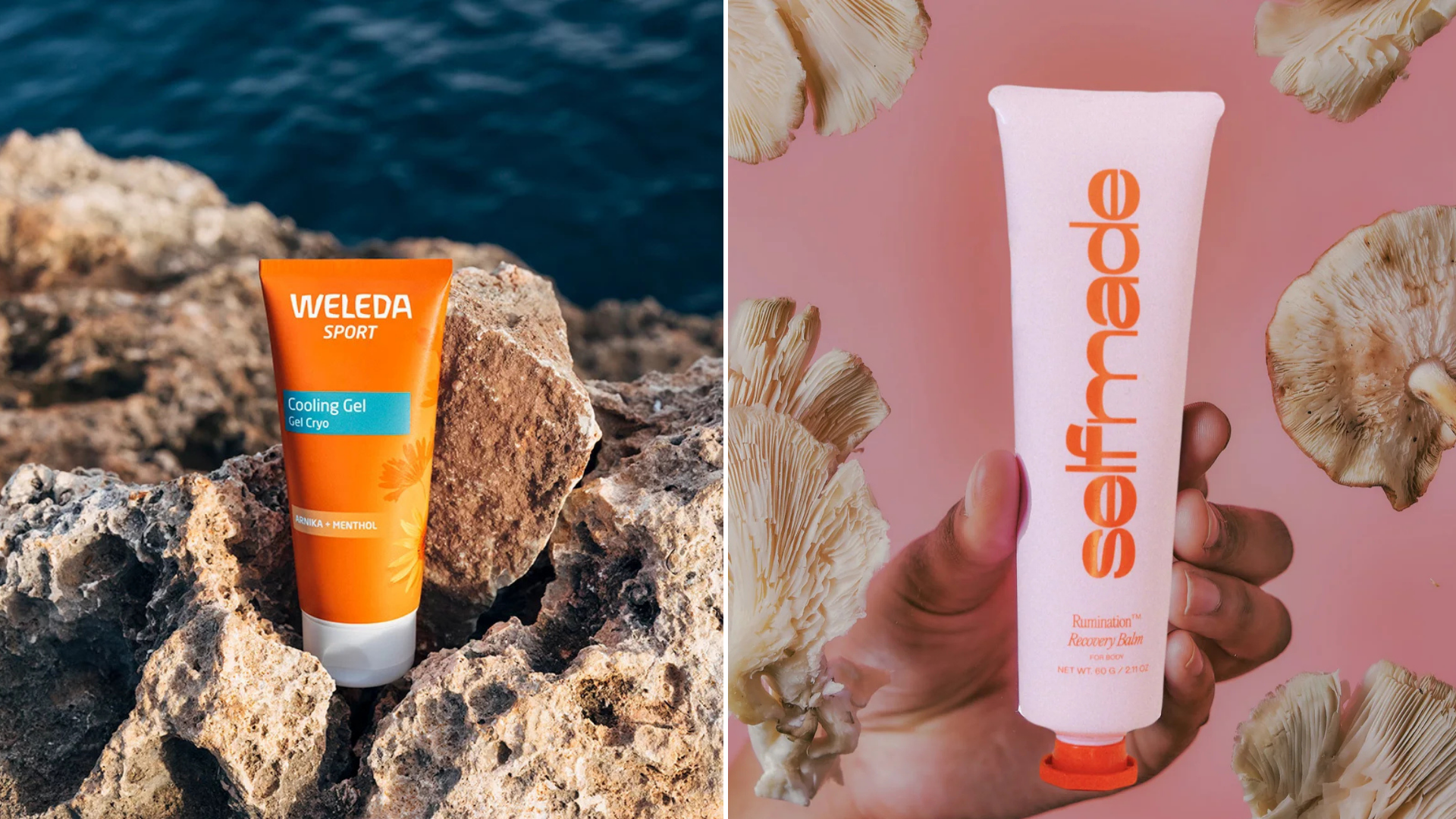
Weleda, Selfmade Skincare
Wellness Tools
We are seeing a rise in tools designed to support wellbeing, such as gua sha and lymphatic drainage tools.
Lifestyle brand Cacti Wellness has launched a gua sha tool alongside their range of fitness bands, designed to support lymphatic drainage, facial sculpting and grounded energy as part of daily routine.
Meanwhile, Esker has released Lymphatic Drainage Dots: wearable patches that activate lymphatic drainage.
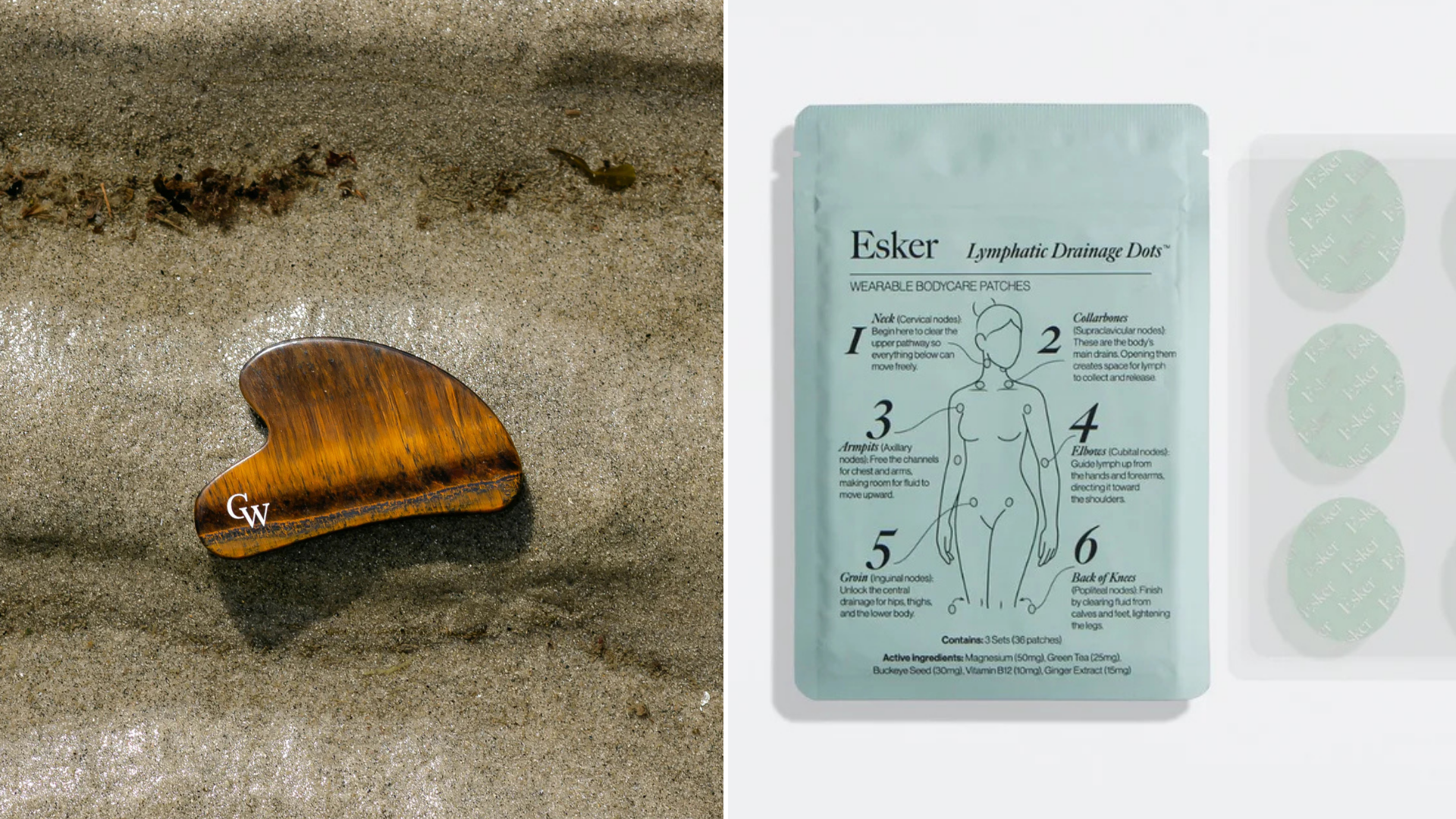
Cacti Wellness, Esker
Pro-aging, not anti-aging
The beauty industry has experienced a significant rise in products targeting skin elasticity, driven by consumer demand for firmer, "bouncy" skin and a shift towards "pro-aging" rather than just anti-aging.
Ectoin is stepping up in 2026 as the 'new' Hyaluronic acid - offering a protective bubble for skin cells to protect against dehydration, UV and temperature changes.
The Alpha-H Hyaluronic 8 Super Serum was updated for February 2026, featuring a reformulated, "new and improved" composition. This version specifically enhances the original formula by incorporating Ectoin.
The Inkey List has released a 2% Ectoin Hydro-Barrier serum, designed to hydrate and repair skin.
Meanwhile, PDRN (an ingredient made up of small, low molecular fragments of salmon DNA) is experiencing a boom in popularity - it saw a 510% increase in Google searches in 2025.
Previously injected by a cosmetics doctor, it is now being incorporated into beauty and skin care products to repair skin, boost collagen, calm inflammation and improve hydration.
Anua PDRN Hyaluronic Acid Capsule 100 Serum was highlighted as a top K-beauty product in 2026, combining hydration with PDRN for tissue repair.
Medicube PDRN Pink Peptide Serum is a lightweight, Korean serum designed to enhance skin elasticity, radiance, and barrier repair using 10,000ppm salmon-derived PDRN.
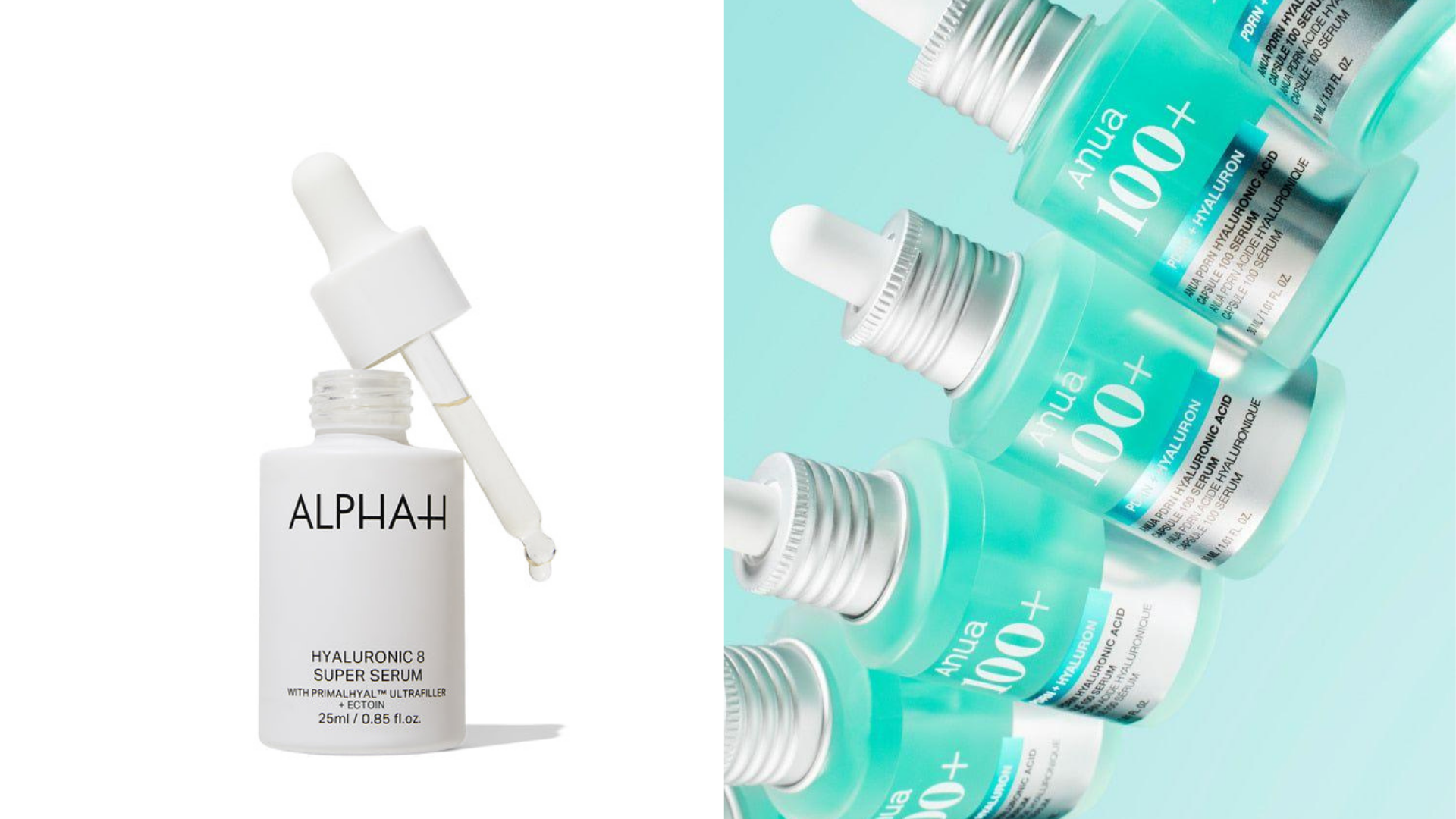
Alpha H, Anua
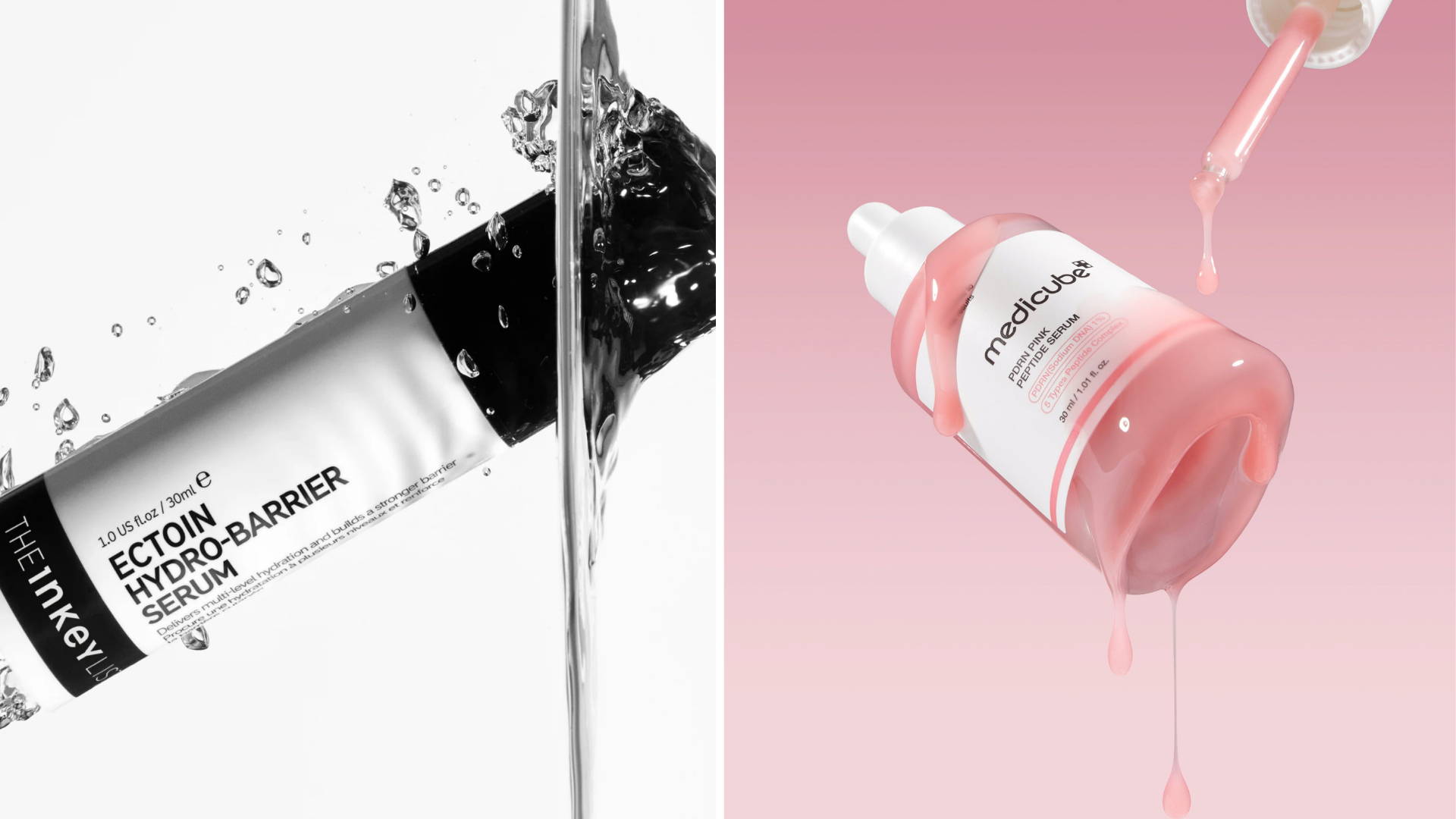
The Inkey List, Medicube
What does this wellness shift mean for brands?
Brands performing well are those that look beyond the skin-deep benefits for consumers. Brands on the rise are those that are incorporating lifestyle, routine, mindfulness and sleep benefits to support overall wellbeing for their consumers.


