
Selling Wellness Outcomes Over Products
How Beauty and Health brands can unlock new shopper spend
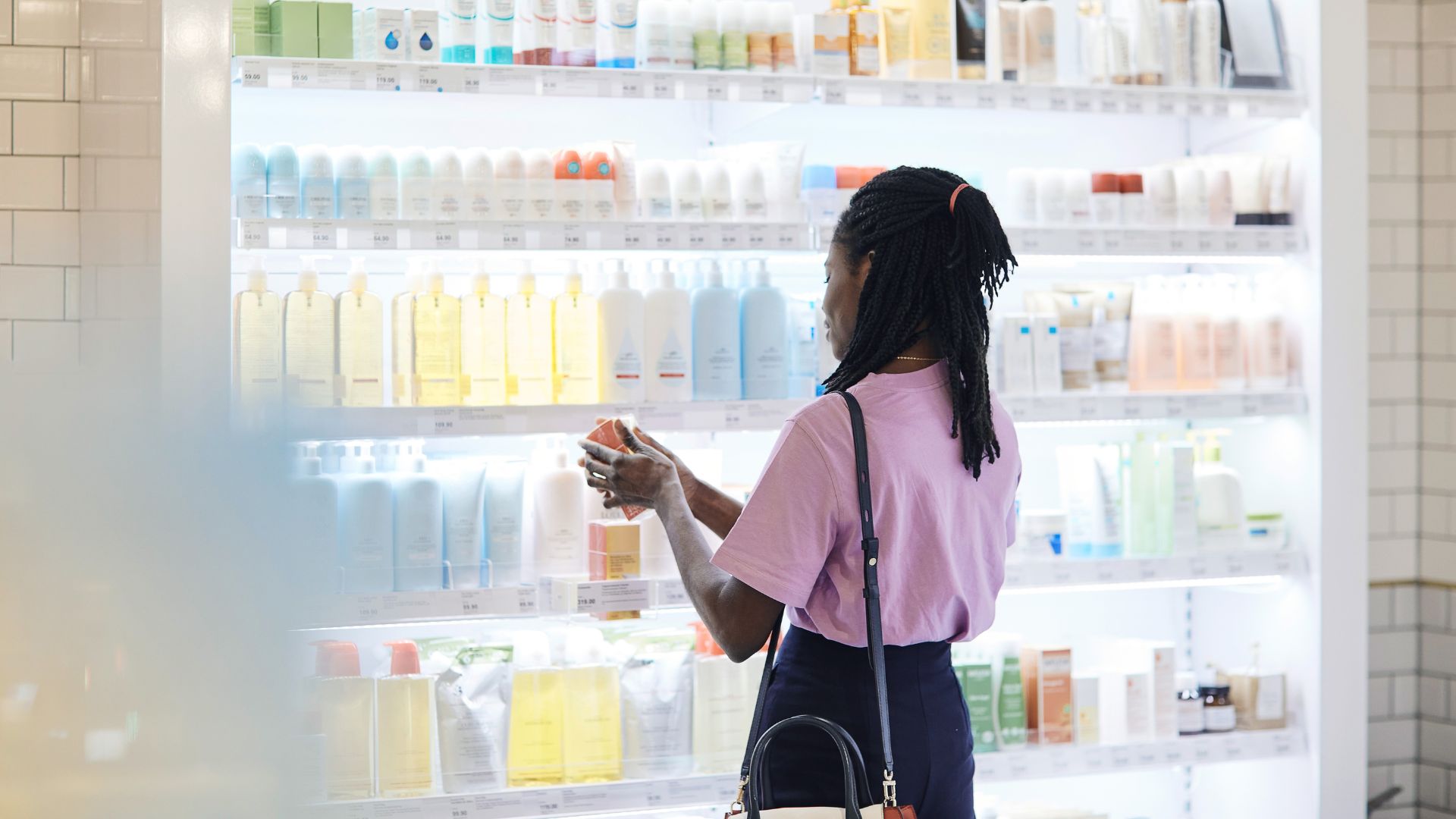
In today’s experience-driven economy, people don’t just want products - they want outcomes.
It’s no longer enough to highlight benefits; the real question for consumers is: what will this product make me feel? How will it function in my life? How will it improve my overall wellbeing?
Brands that sell a lifestyle rather than a product open entirely new ways to drive growth – from targeting new customers, to giving loyal ones even more reasons to buy. Purchase becomes part of a desired behaviour, not just a transaction.
We explore four ways brands can drive engagement and consumption to increase sales.
1.Selling community
Beauty and wellness items today don’t just enhance appearance - they connect shoppers to a lifestyle. Health, mindfulness, and wellbeing have become shared pursuits: community reframes a beauty purchase as social participation. Consumers repeatedly buy into a brand to remain part of that group.
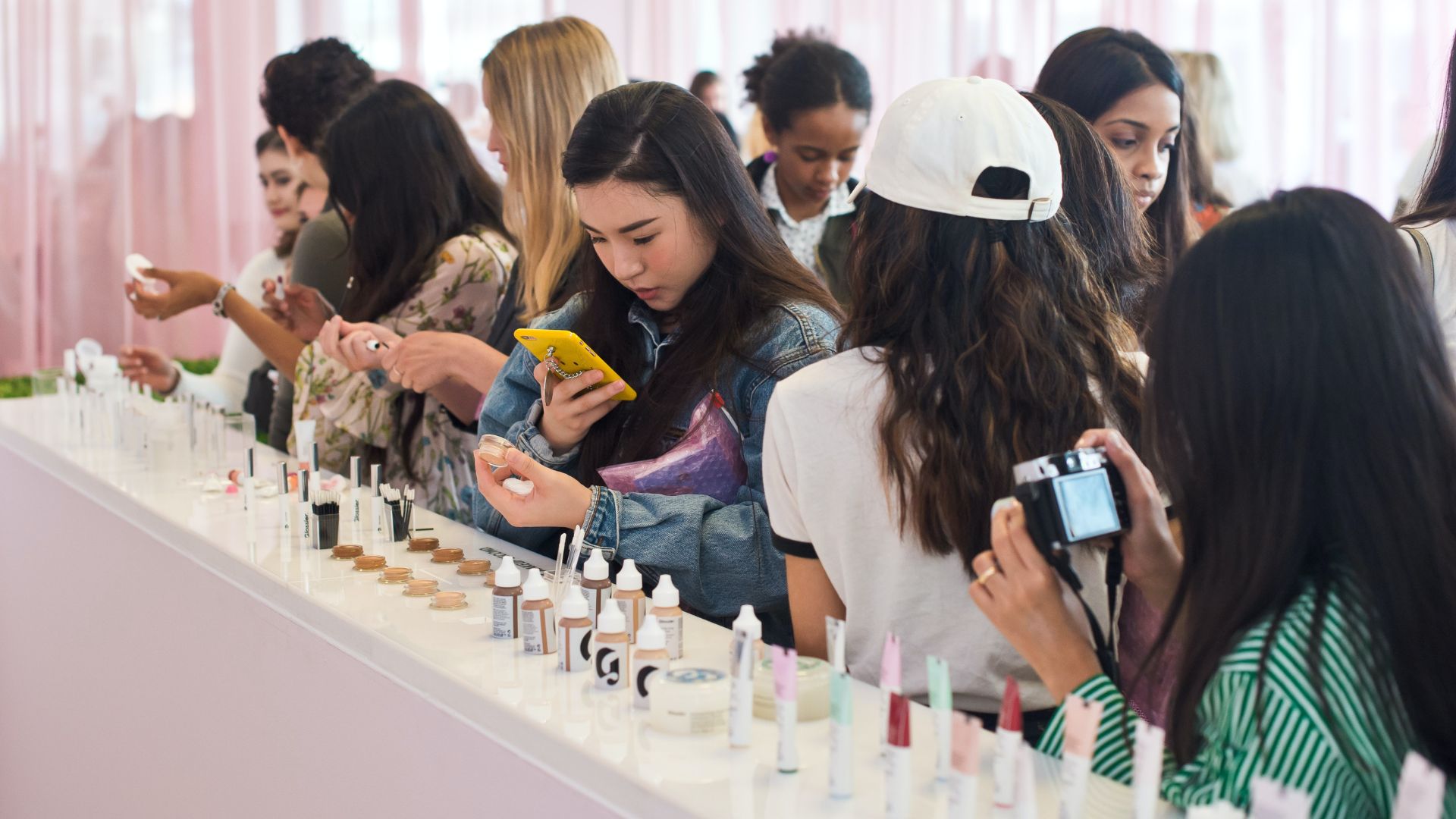
Glossier exemplifies this with their retail stores, designed as immersive, Instagram-ready destinations where visiting is as much about joining the community as buying the product. Shoppers gain more than makeup - they gain social currency and relevance within the beauty community.
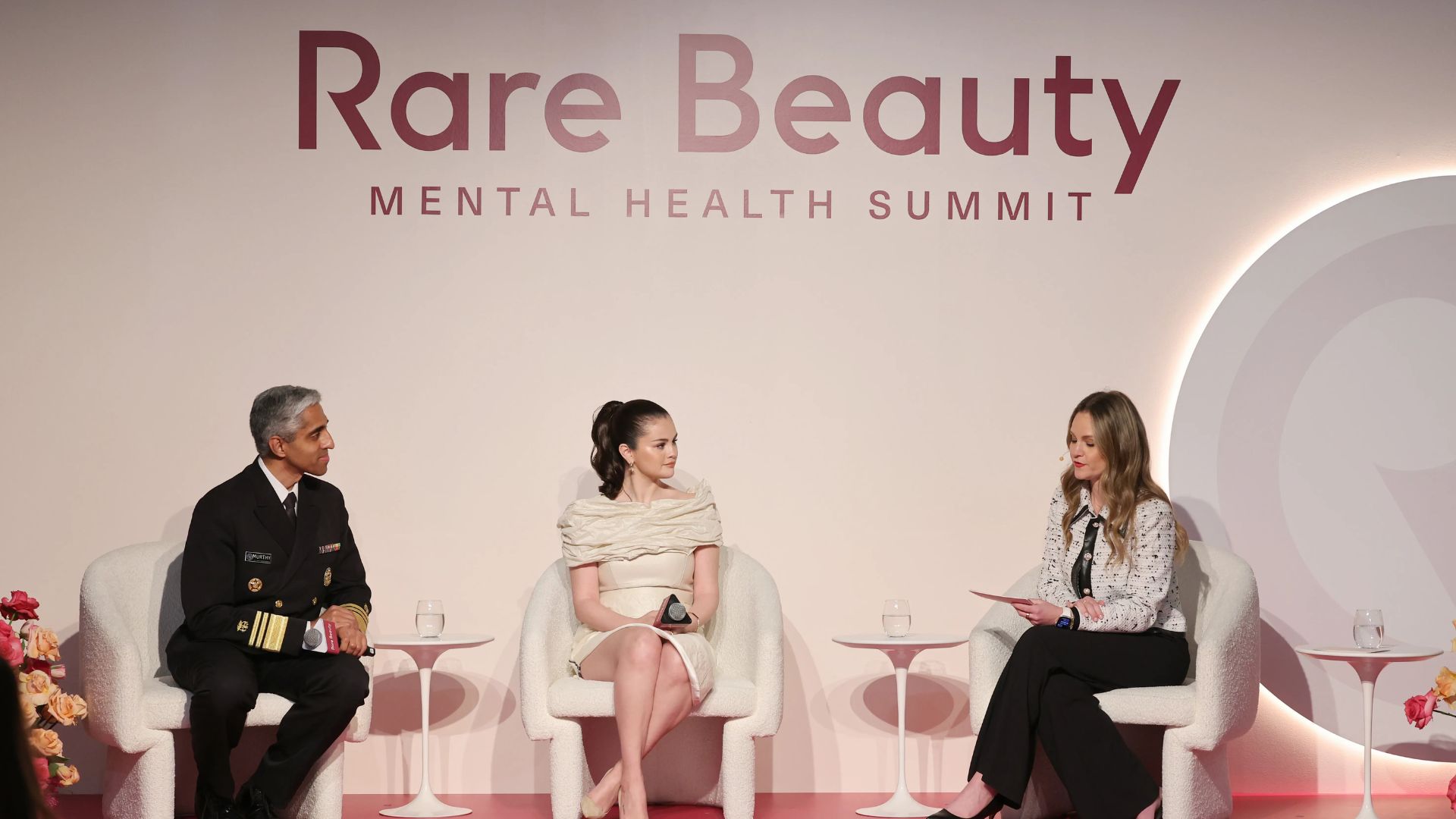
Rare Beauty has positioned itself in the mental health space through the Rare Impact Fund, turning community into a core part of its identity, with customers feeling they are part of something bigger than the product itself. Similarly, Sephora embeds community into the brand through its Beauty Insider program, offering members access to events and experiences as they gain status, that reinforce a sense of belonging.
Brands can also tap into existing communities as well as building their own, such as the rise of sports beauty marketing. Charlotte Tilbury’s partnership with Formula One aligns the brand with an existing fan community to reach new lifestyle-aligned audiences beyond traditional beauty shoppers.
Across all these examples, the action surrounding the purchase becomes more than a product. Engaging with the brand becomes a way to participate in a lifestyle and a community that the shopper desires.
2. Selling self-care
Beauty is no longer just seen as a purchase-driven category to solve singular appearance woes, but a self-care responsibility. Looking after yourself in beauty and wellness is seen as a daily task much like grocery and childcare. Wellness-focused consumers are drawn to products that support stress management, mindfulness, and emotional balance.
Aesop make their retail spaces sanctuaries, creating a destination beyond just a transactional environment, and setting the decision and purchase as part of self-care routine.
New skincare brand Sorbe's brand identity focuses on celebrating emotions within their marketing, as physical beauty and emotional well-being are intwined.
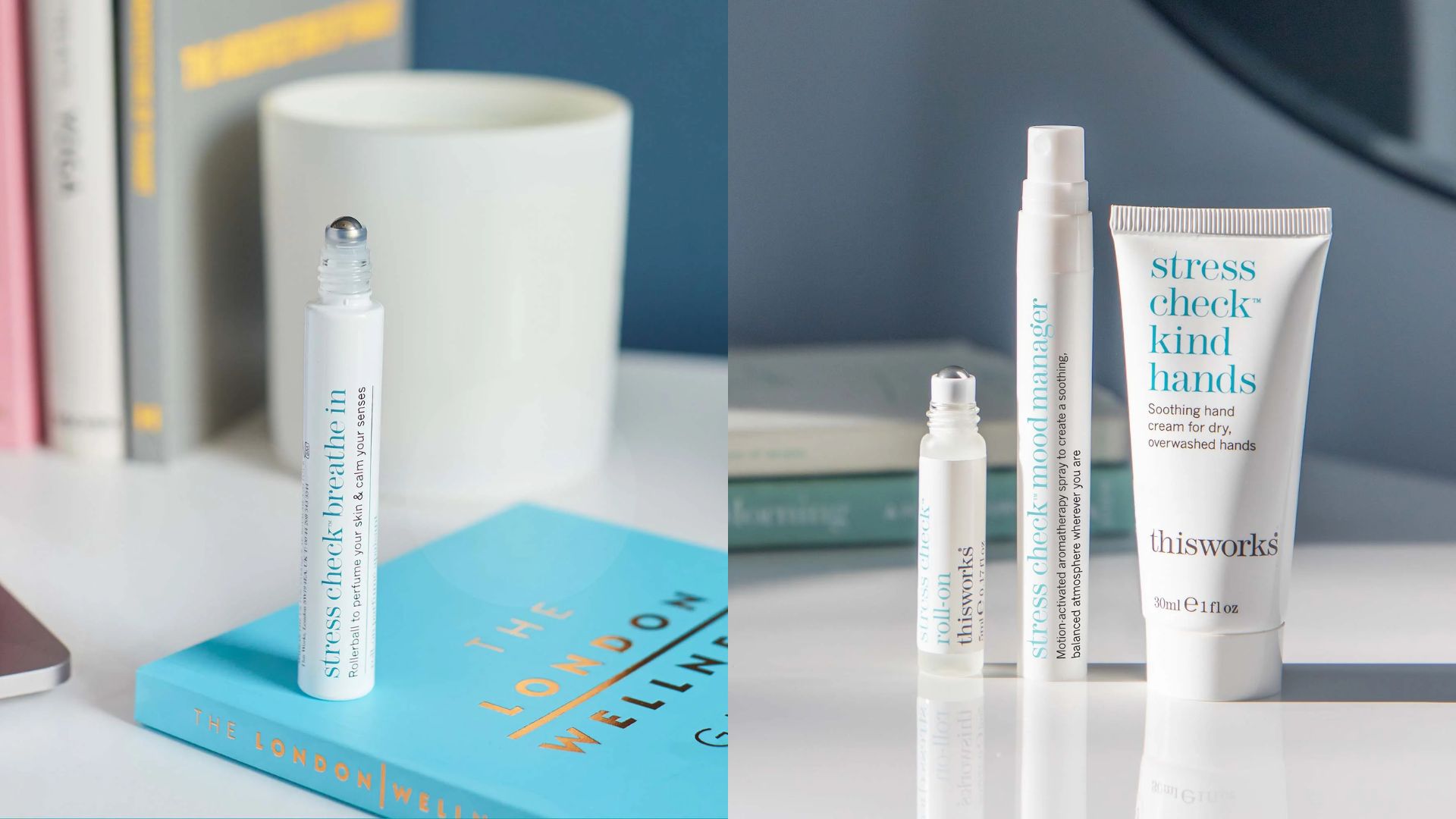
Meanwhile, This Works' ‘Stress Management’ collection is a curated collation that is designed to target the anxiety of life: beauty products are more than just physical tools, they are designed to alleviate stress and improve wellbeing.
And the combining of physical and mental wellbeing is also demonstrated in product offerings - Olly Vitamins’ Mood + Skin body care activates the brain’s limbic system to release mood-influencing neurotransmitters.
The key here is the holistic approach; the shift from external beauty solutions to mental and physical health. Beauty and wellness products become tools of self-care when they combine both, creating more touch points for engagement by widening the reasons to buy into health and beauty.
3. Selling ritual and routine
Creating a ritual is a way to drive loyalty and encourage more purchases. This is because it becomes an embedded behaviour, so there is always a need for the product. From self-care rituals to simplified everyday routines, habits offer new and continual windows of opportunity for brands.
Sleep-focused routines, or “sleep-maxxing,” is a growing trend. From Laneige’s lip sleeping masks or Spa Ceylon’s sleep-specific shower gels, brands are not only initiating restorative nightly routines, but elevating and upgrading them.
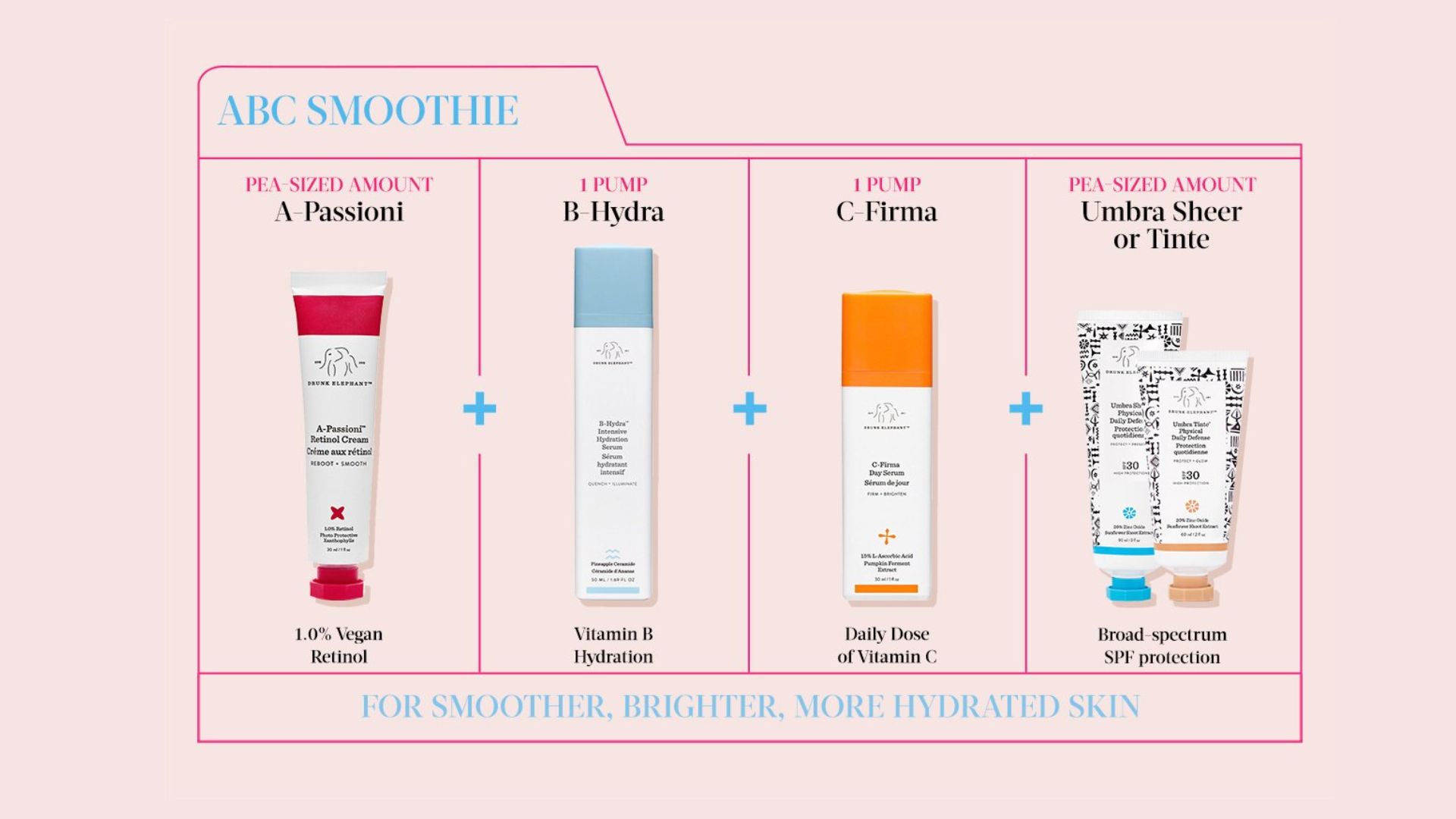
Drunk Elephant encourages customers to treat their skincare products as “smoothies” for the skin, selecting products like ingredients, based on what their skin “needs” morning and night. Similarly, Nue Co sells whole routines of their functional fragrances and supplements to support the ‘holistic needs of active customers'.
There is an opportunity for brands to provide frameworks for consumers to maintain their routines through subscriptions. From Wild deodorant, Heights vitamins, to Skin & Me formulas, by embedding products into rituals, brands become a natural and recurring part of a consumer’s daily wellness practice.
4. Selling education
Functional beauty empowers shoppers to understand the how and why of their purchase. Products become tools for learning and internal development, and knowledge strengthens the bond with the brand while driving repeat purchase.
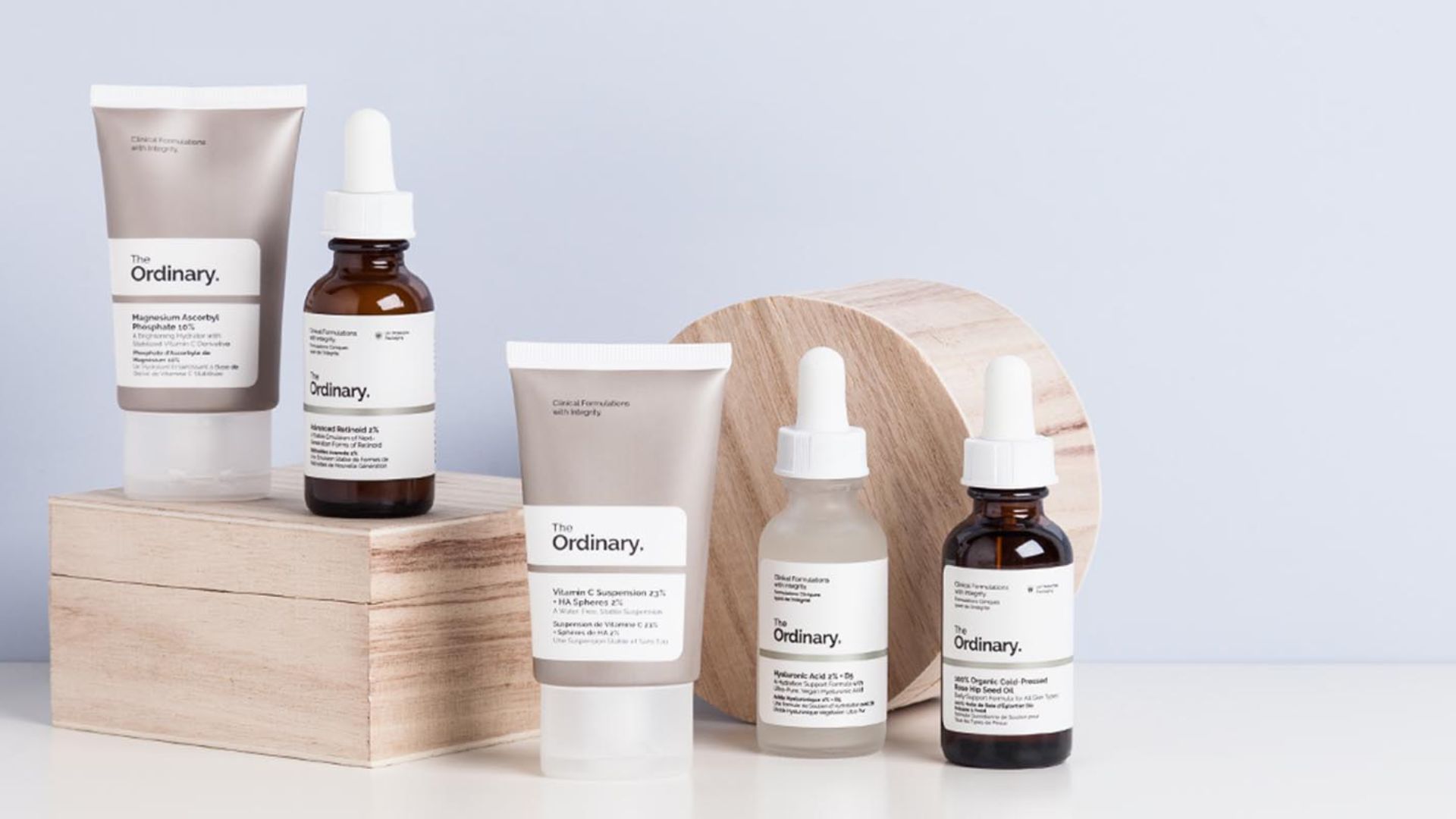
The Ordinary demonstrate this in stripping back to minimal, individual ingredients with their range. By breaking down the complexity and science behind skincare, their consumers feel well informed and able to choose the products that are right for them. This approach encourages brand loyalty to The Ordinary as consumers build individualised, multi-product routines tailored to their needs.
LUSH has launched Skin-troduction Workshops across the UK to help parents and teens understand the skin microbiome, turning learning into an interactive brand experience, and increasing engagement.
Meanwhile Augustinus Bader leverages regenerative skincare science to educate customers on the technology behind its products, creating credibility and loyalty.
Across these examples, education not only enhances understanding but also deepens engagement, allowing brands to monetise knowledge alongside products.
Conclusion
In an outcome-driven economy, the most successful beauty and wellness brands don’t just sell products - they sell community, self-care, rituals, and education. By transforming purchases into behaviours and behaviours into lifestyles, they unlock more than just sales - they create meaningful, enduring relationships with their customers. Selling outcomes rather than products isn’t just a strategy; its the key to sustained growth.


