
Relevance rules: AI’s impact on email deliverability
by Phil Manger - Global Head of Customer Engagement Technology

It’s 2026, and the rules of the email inbox have been rewritten. Email deliverability isn’t just about technical setup anymore; it’s about demonstrated relevance, and proving your email deserves to be received and read.
This is determined by AI. Google, Microsoft, Apple and other major email providers now use advanced neural text processing, or natural language processing (NLP), to understand, analyse, and categorise human language. NLP and behavioural AI can even identify a word’s intended meaning, pick up on the email’s tone, and interpret the emotion conveyed by sentences and phrases.
For brands, the challenge has changed. Once, it was enough to send the right message, to the right person, at the right time. Now, every subject line, every sentence, every call-to-action must feel personal, timely, and intentional. Today’s CRM strategies need to understand the context, intent, and sentiment behind customer interactions, ensuring every email truly belongs in the inbox.
Factors
AI and NLP impact factors include:
- Semantic analysis. This enables AI to read emails like a human, analysing the structure and meaning behind the language. It can also extract actionable insights from the data.
- Engagement loops. These continuous cycles of interactions keep customers engaged. Factors such as scroll depth and time-to-delete are now fed into the sender reputation algorithm.
- Predictive throttling. This predicts a high bounce rate based on an initial ‘burst’ of sends to prevent spam and protect customers’ inboxes
Send with intent – Gmail AI approach
Every email provider is adopting NLP and AI systems slightly differently. Gmail’s AI engine, RETVec (Resilient and Efficient Text Vectorizer), focuses on the semantic intent of an email.
Here are some examples of how this works in practice.
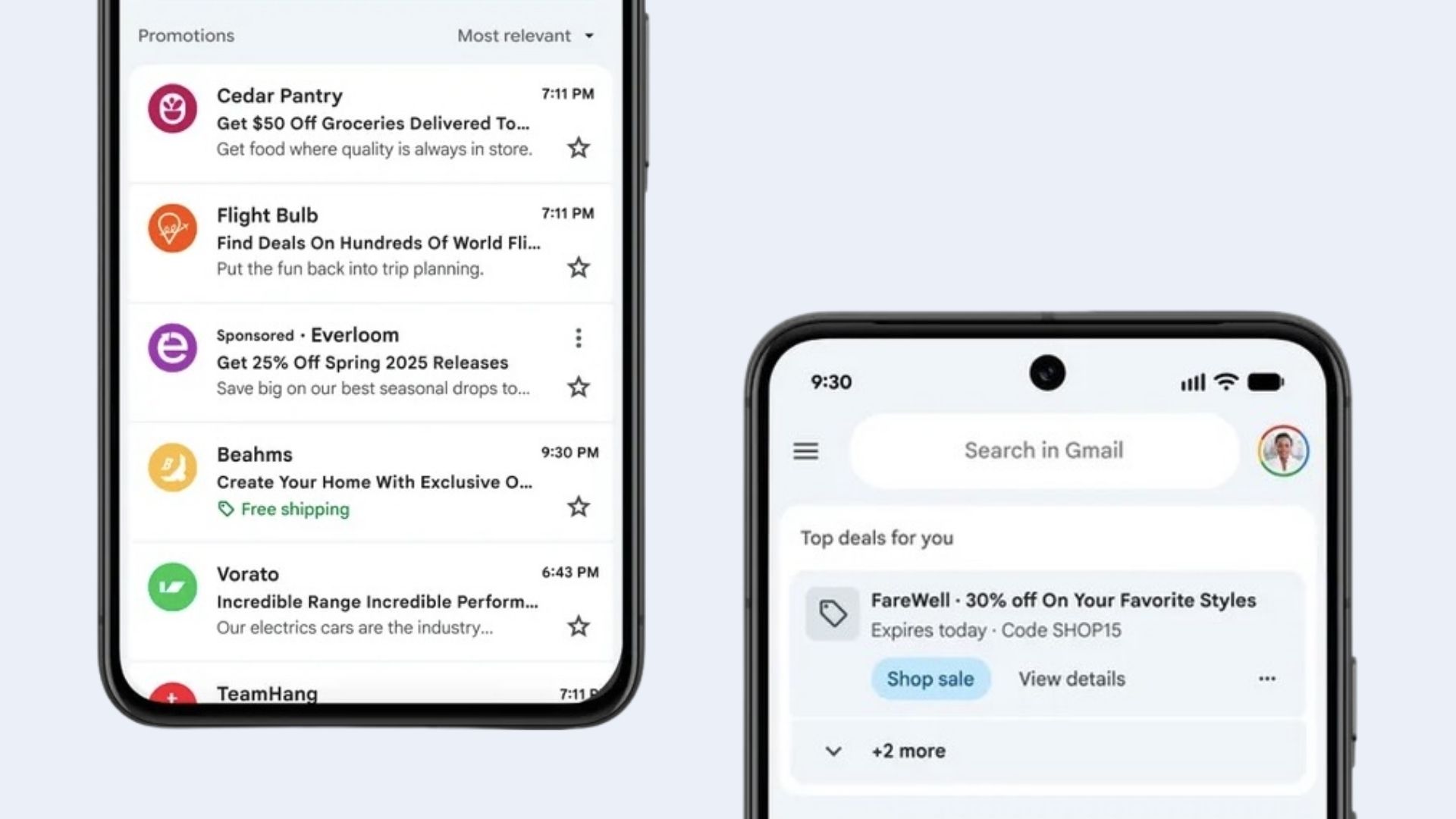
1. ‘Most Relevant’ instead of ‘Most Recent’
Gmail’s Promotions tab now prioritises the most relevant messages, rather than sorting emails in chronological order by default.
This involves boosting promotional emails based on signals that include:
- User engagement (e.g. open rates, clicks, and replies)
- Past brand interaction history
- Content cues (e.g. subject line wording and offer types)
- User behaviour (e.g. how they label, archive, star, or delete emails)
As such, sending emails more frequently no longer guarantees visibility. Only high-engagement brands will rise to the top, and batch-and-blast senders with low engagement will get buried at the bottom of the inbox.
Engagement-based ranking, or the ‘like factor’, makes the new Gmail inbox resemble a social media feed, with reach earned via user interaction.
2. News and nudges
Gmail has introduced a ‘Top Deals for You’, and time-sensitive promotion nudges to highlight certain offers and recommended deals within its Promotions tab.
These nudges are based on relevance signals and time urgency; for instance, clear expiration dates improve visibility.
This results in a more curated, personalised promotional experience for Gmail users.
3. Purchases
Gmail is drawing a clearer line between purchases and promotional content. Users can now benefit from a centralised Purchases section that automatically gathers and organises shopping and shipping information, and other transactional messages. Visual summary cards highlight upcoming deliveries, and intelligently structured data, or schema markups, improve how these details are displayed.
4. Clear classifications
The new Purchases view creates a clearer distinction between message types:
- Transactional emails must remain strictly functional, focusing only on essential updates such as confirmations, receipts, or delivery details
- Promotional emails should be sent separately and not integrated into transactional workflows
Mixing promotional content within transactional emails may cause them to be:
- reclassified into the Promotions tab
- hidden among less-critical content, reducing visibility of more urgent updates
5. Simple subscription management
Gmail has a new Manage Subscriptions dashboard to give users an easier way to stay in control of their inbox. It:
- shows every brand that a user has subscribed to
- sorts senders by how often they send emails – with the most frequent at the top
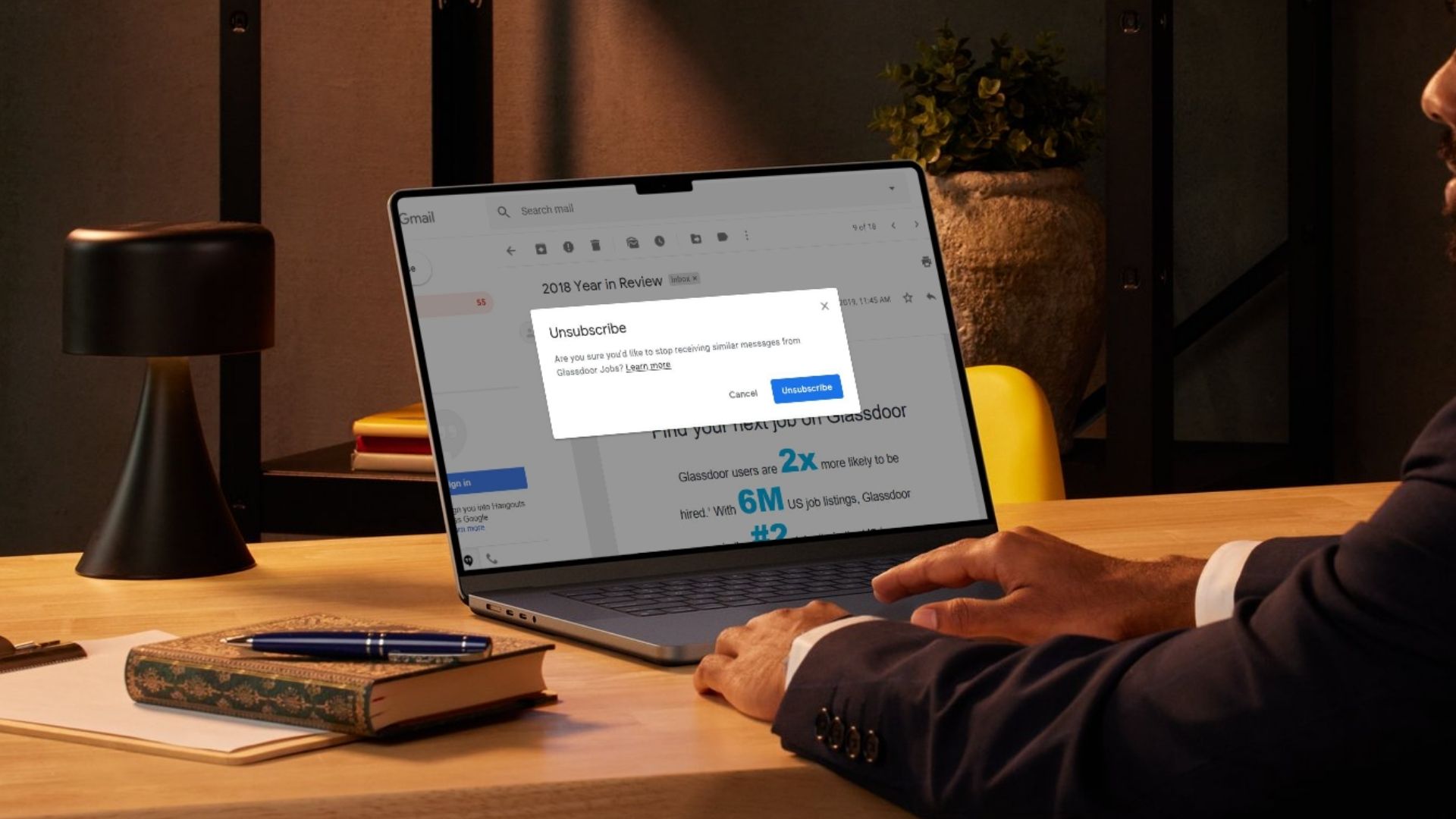
- makes it easy to unsubscribe in just one click
This update places brands that send lots of promotional emails under the spotlight. Sending too many emails too often could push subscribers to clean house, so it’s a good time to review frequency strategies to keep content genuinely valuable.
Sender reputation - Microsoft AI approach
Microsoft’s Smart Network Data Services (SNDS) monitors IP-level sender reputation. The AI monitoring Outlook, Hotmail, and Live tracks reply rates, contact list adds, and messages moved from the junk folder to the main inbox.
To improve inbox placement, SNDS provides real-time data to senders on their IP health. These metrics include:
- spam complaints (reported by users)
- trap hits (messages sent to Microsoft’s spam traps)
- filter results (percentage of emails flagged as junk)
Senders with a ‘good’ IP health, which translates to a positive brand reputation, remain at the top of the inbox.
Make sure it matters - Apple AI approach
Apple’s AI, known as Apple Intelligence, looks out for email content that matters most to users. It does this by scanning the text (rather than images), interpreting the sentiment, and generating its own preview text with the aim of enhancing user experience.
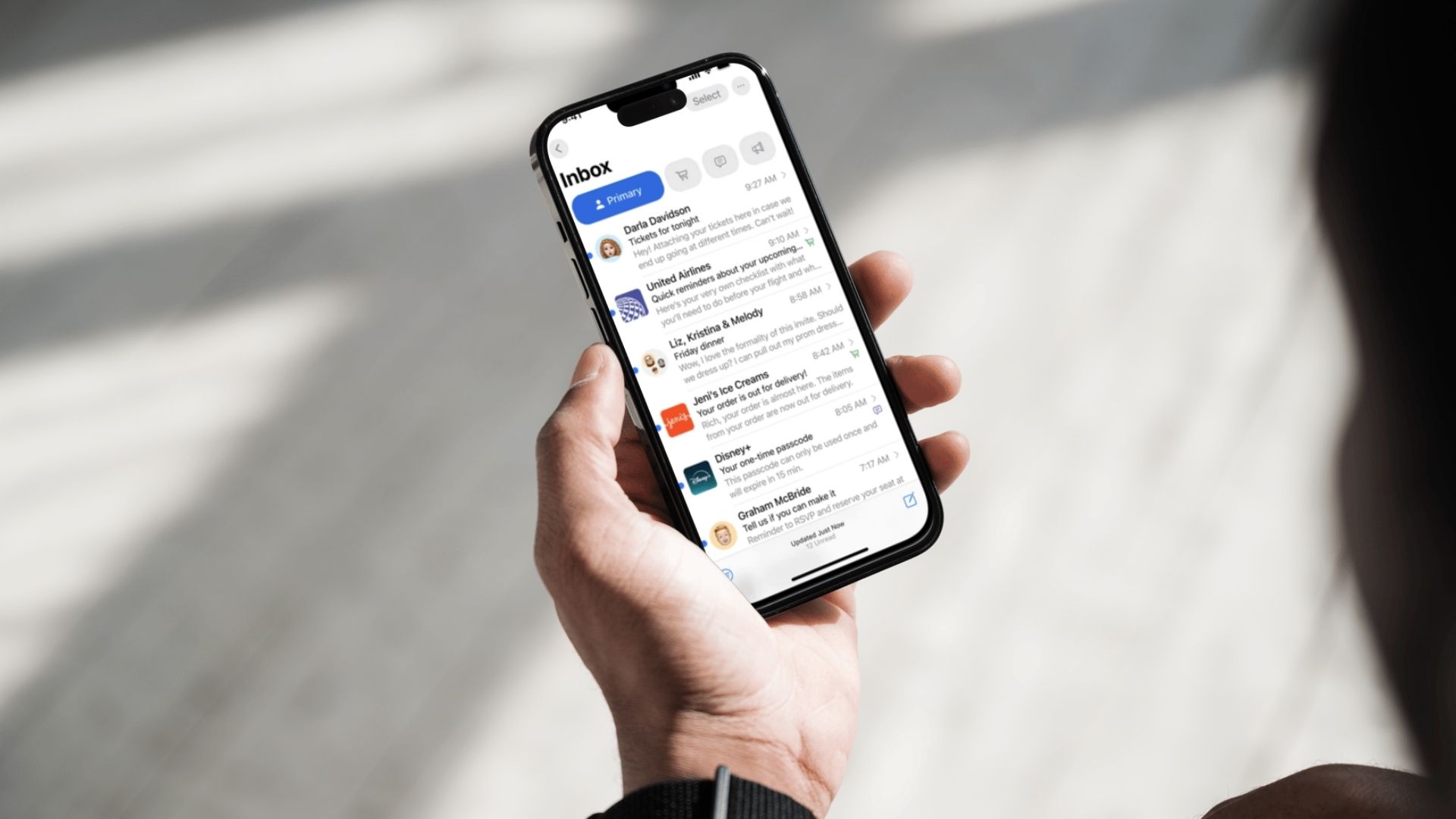
The way emails are categorised in the Apple Mail app has also changed. In a similar way to Gmail and Yahoo, emails are sorted into Primary, Transactions, Updates, and Promotions to help users find their most important messages first.
To adapt, brands need to ensure that every email answers a question, solves a problem, or offers a clear benefit to its customers. Quality content, clear messaging and strong subject lines are more valuable than ever: they must be compelling enough to prompt the user to take action (click, read or reply), as well as prove the email’s relevance to Apple Intelligence.
Rise to the top - AI’s wake-up call for brand CRM
Brands and retailers need to strengthen their email performance with smarter practices.
As email providers such as Google and Microsoft tighten their algorithms, here are three key practices to keep communications at the top of the inbox:
1. Proactively track reputation
Tools, including Google Postmaster, provide real-time data to help brands adjust email volume and content to optimise deliverability.
Focus on increasing inbox placement rate, or maintaining a score of 90%+, reducing bounce and spam complaint rates, and tracking opens, clicks, and replies.
2. Choose to work with copywriters
Professional copywriters understand semantics – focusing on intent, topic depth, and the relationship between words. This ensures your content matches what customers want to read and interact with every time.
Plus, copywriters know how to prioritise the first 50 characters of subject lines. Apple Intelligence summarises iOS AI notifications, paying particular attention to those openers. Clear, concise, benefit-focused subject lines drive engagement signals that boost future placement.
3. Verify identity
SPF, DKIM, and DMARC are your ‘license to send’, authenticating the email’s source and blocking spoofing. Full compliance is mandatory; without it, even perfect content hits spam. Set up via DNS records, test rigorously, and audit quarterly to signal legitimacy to email providers.
AI-powered inboxes have a huge impact on email deliverability. Brands need to prove email relevance, consider NLP semantics, and continually track engagement to earn top inbox placement and customer trust.
Key takeaways: AI’s impact on email deliverability
- Google, Microsoft, Apple and other major email providers now prioritise relevance over recency, using NLP to analyse semantics, tone, and user behaviour
- Emails must demonstrate personal value via engagement signals like opens, clicks, scroll depth, and replies
- Gmail’s RETVec focuses on the email’s semantic intent, and has clearly defined tabs for promotion and purchase emails
- Microsoft’s SNDS focuses on sender reputation — positive metrics like replies secure top inbox placement
- Apple Intelligence focuses on user experience, summarising email text and prioritising messages it believes matter the most
- To belong at the top of the inbox, brands need to track reputation (e.g. using Google Postmaster), create communications that truly resonate with the customer, and verify identity to ensure full SPF/DKIM/DMARC compliance
Simplify your marketing execution and increase your performance

By
Phil Manger
Global Head of Customer Engagement Technology


