
More than a Digital Screen: Innovation in Retail Media
by Hannah Pearson - Global Director of Marketing – Insights & Innovation
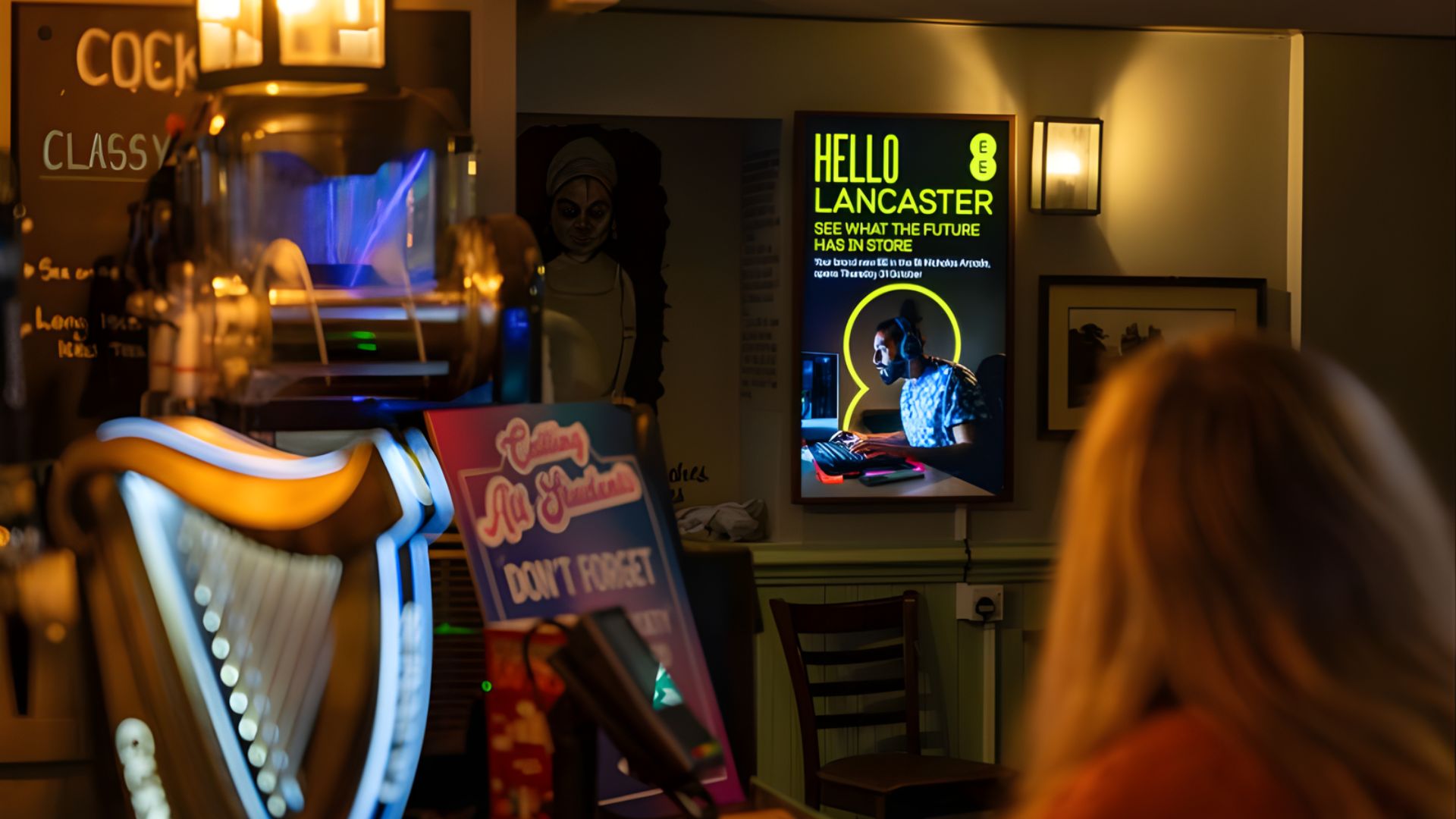
Retail media is one of the fastest-growing growth levers for brands, with global spend forecast to exceed $140bn by 2026, driven by its proven ability to influence shoppers at the point of purchase.
But like any marketing strategy, sustained success depends on staying ahead. As retail environments fill with more screens, formats and networks, there is a growing risk: without strategic intent and innovation, retail media can become little more than an expensive digital poster.
Retail media gives brands exceptional tools, technology and data. Yet the most effective campaigns of 2025 show that success doesn’t come from presence alone. It comes from connecting insight, strategy and innovation to real shopper moments.
Below we explore 5 examples consistently seen across winning retail media campaigns, the winning strategic pillars they arise from.
1. Strategic Location
Location should be more than a logistical consideration - it must be a strategic one. When it isn’t, media just adds costs and logistics, not value.
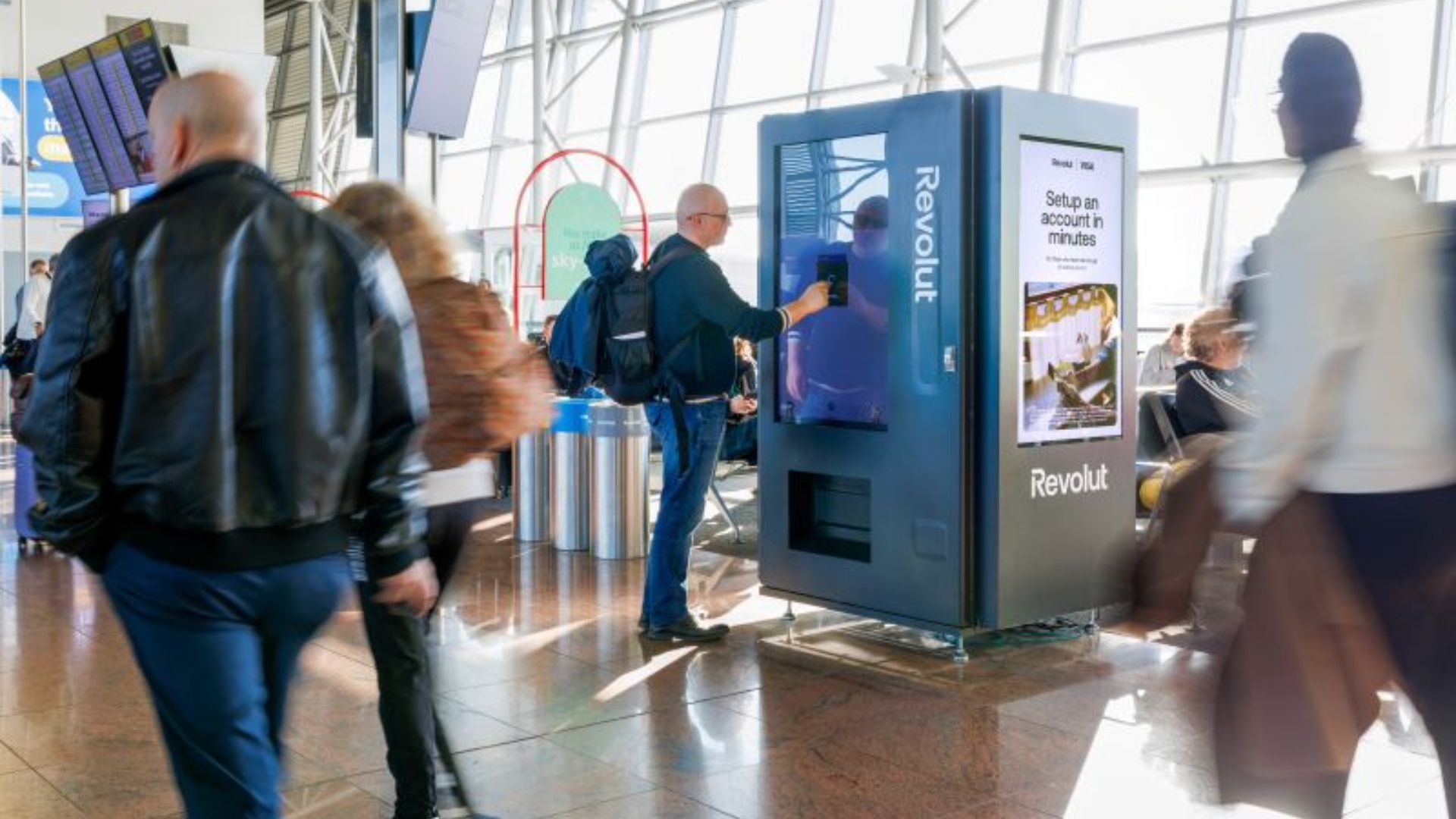
Is this the optimal location to meet my consumer? Is this delivering engagement in the right way for this setting? Revolut’s card dispenser in Milan Airport is a prime example of doing it right. Rather than generic awareness, Revolut activated in the moment of traveller’s need – just before security where uncertainty of currency and exchange fees were in mind. Its dynamic presence not only drew attention but followed through to connect in consumers’ thoughts. Relevance over interruption.
And this can prove similarly effective through the power of storytelling – take whisky as an example. Shoppers don’t switch high-value whisky brands easily - they do it for nuance: heritage, ageing and provenance. A digital screen can convey that (and bring it to life) quickly at the point of decision.
2: The Small(est) Screens
Retail media effectiveness is not defined by screen size. Some of the most impactful executions in 2025 have come from overlooked, high-engagement touchpoints – the smallest screens in store.
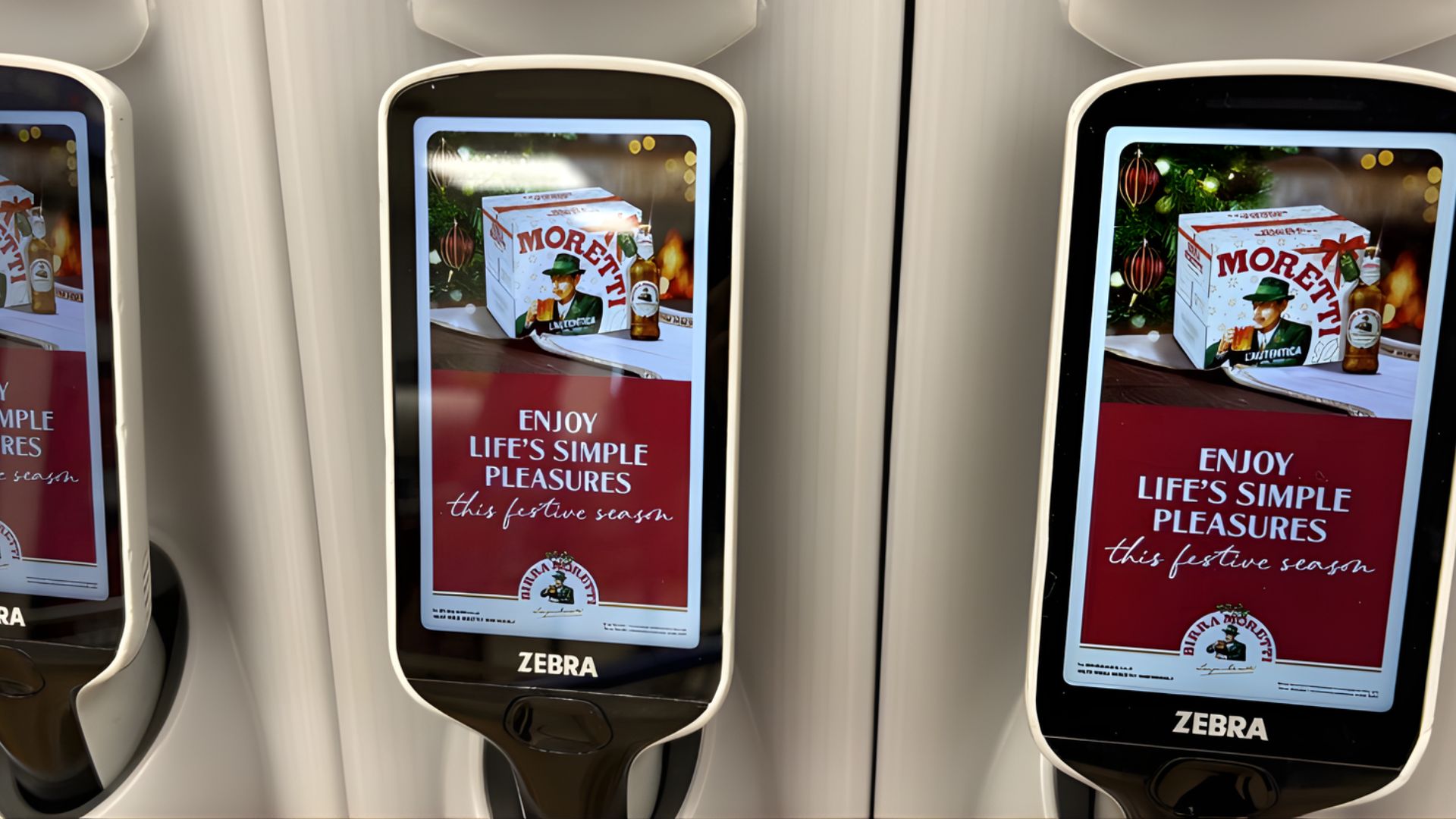
In 2025, they launched campaigns for Moretti & Inches with their retail media network on handheld self-scanners. This is a high-footfall tool, where consumers are also highly engaged with the media (through managing their basket). With both full-screen ads alongside smaller “above basket” prompts, Tesco reached shoppers at different moments of shopper journey, but most importantly - in the phase when decisions are still fluid.
Could self-checkout screens offer another window of opportunity?
Most crucially, these placements can be dynamically updated, enabling seasonal, weekly or even daily relevance. A summer lager message on a Friday afternoon? A breakfast upgrade offer in the morning? Retail media is most effective when it behaves like live marketing, not static advertising.
3: The Ecommerce Aisle
The retail media opportunity is not just an in-store retail one. The most forward-thinking strategies look at digital aisles too, and the unique opportunities here.
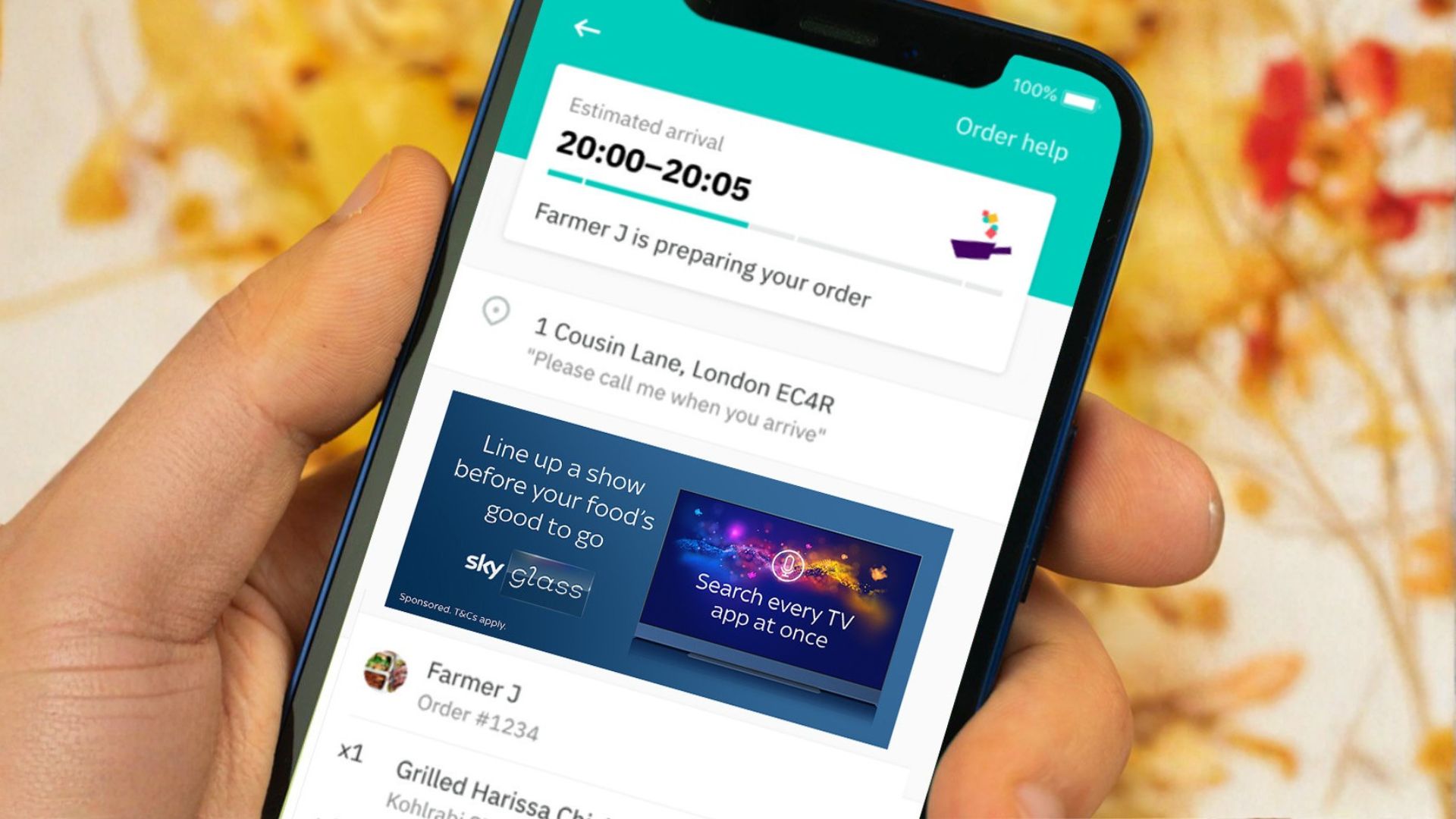
Sky Glass nailed this partnering with Deliveroo. They identified a virtual retail environment their target audience would be present (a night in ordering a takeaway, undoubtedly considering what to watch) – and placed effective messaging at the moment of impact. Retail media let them meet customers in a moment traditional campaigns would have not. Could the next opportunity here be other online retail marketplaces – how about a holiday app partnering with luggage brands?
The broader strategic opportunity is that retail media works best when it integrates with moments of intent.
4. Optimising and Streamlining Incentives.
Incentives remain powerful drivers of attention. With retail media, they can improve effectiveness, reducing friction to conversion.
Peroni’s festive gift-with-purchase campaign used retail media to elevate visibility and clarity around its incentive. But bigger opportunity lies in fully connected journeys.
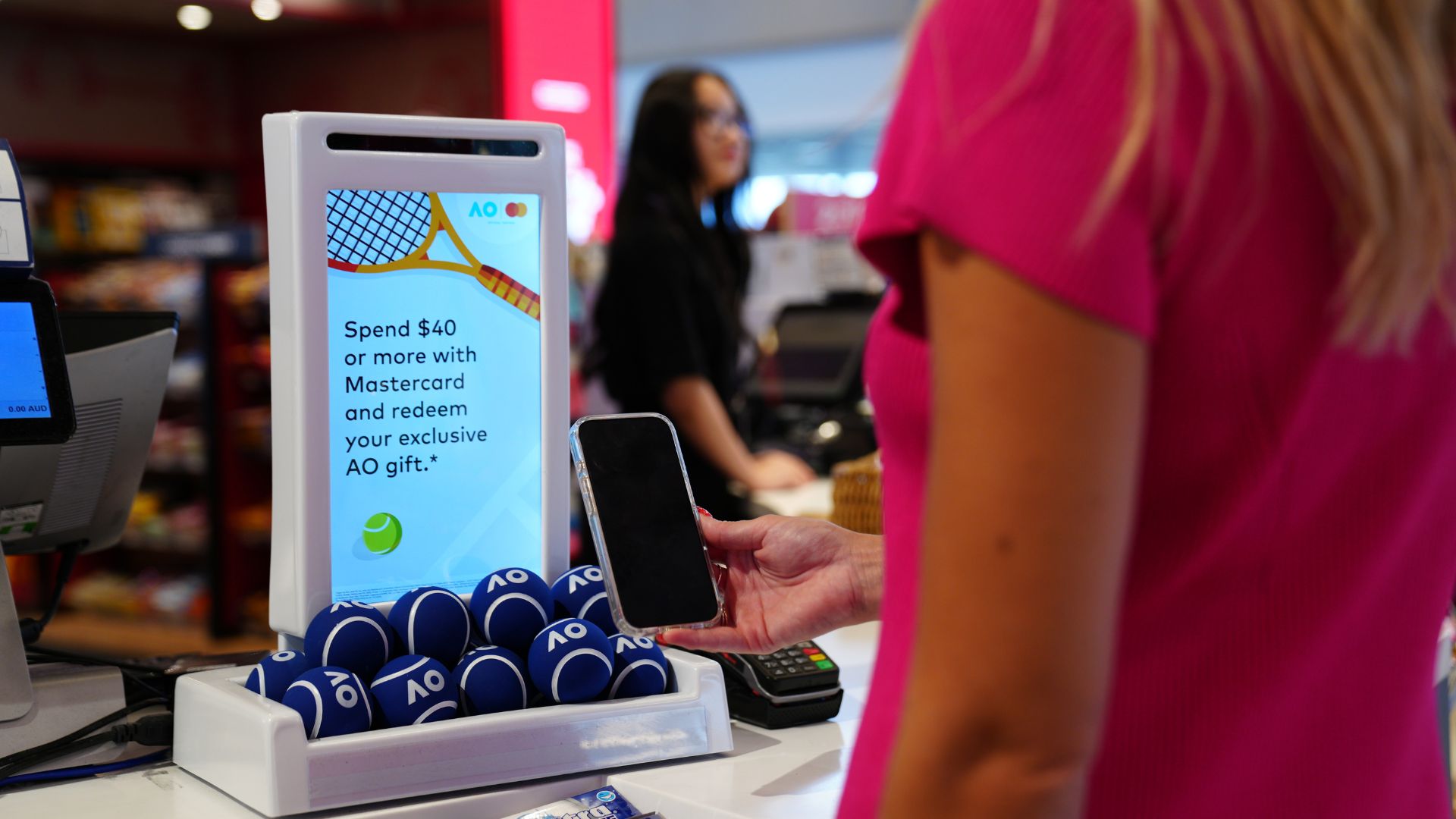
Using adm Indicia’s Connected Retail network, Mastercard digitized the entire incentive journey for their Priceless Australia Open campaign. Retail media made accessing the incentive easier and hence improving uptake. Retail media should not just announce incentives; it should simplify access to them.
5. Real-time Data
Without data, retail media is just motion. With data, it becomes optimisation.
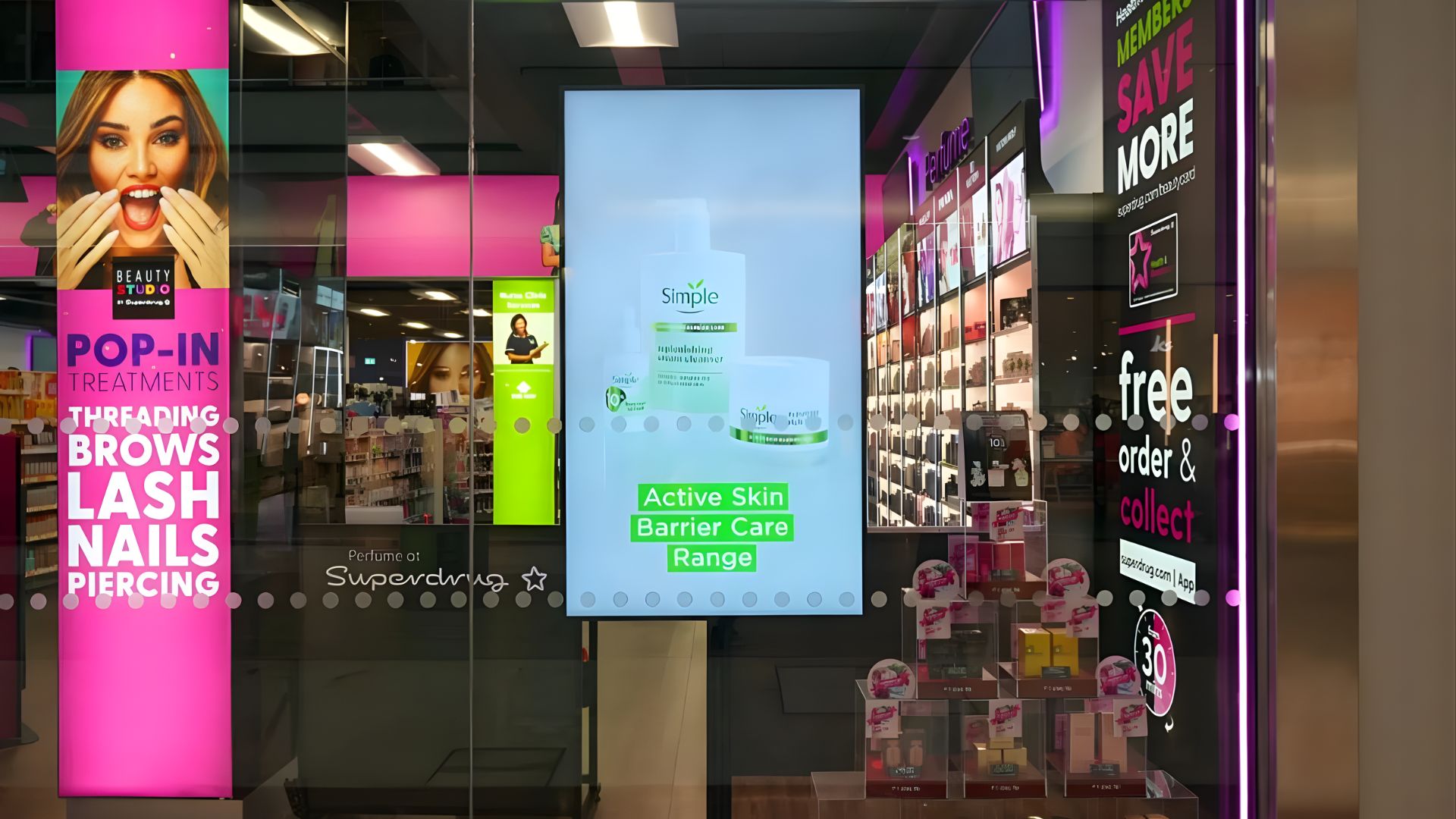
It is the data that informs brands and retailers on campaign effectivess, and ensures optimal content is put out. In 2025, Superdrug installed an in-store network with ‘aim to make shopping more personalized’ so the screens with do more than just advertise, but tailor content. It is interconnected data with online shoppers and loyalty programmes users that will facilitate this.
Real-time data enables content to adapt to context, ensuring retail media is useful rather than repetitive.
The Key Takeaway?
The best retail media campaigns of 2025 prove one thing: innovation is not about technology alone. It is about strategic intent, contextual relevance and connected thinking.
Retail media is not just a screen. It is a system rooted in strategy and data - where technology can facilitate the full ecosystem. Brands that understand this will move beyond visibility to value.


