
Food and Beverage Trends 2026
Consumers now crave clean eats, and irresistible, ethical indulgences in smaller portions.

Whole-Body Wellness
Healthy and clean eating are intrinsically linked. Consumers increasingly recognise that clean foods – with simple ingredients, transparent labelling, and sustainable sourcing – are integral to holistic health.
They also seek nutraceutical ingredients, or functional foods, that are scientifically proven to provide health benefits beyond basic nutrition, such as supporting brain function, and promoting gut and cardiovascular health.
For brands, ‘clean’ and ‘healthy’ are now equal value propositions. Many scientists and researchers are responding to this by investigating the nutraceutical potential of a growing range of ingredients that boost whole-body wellness. This creates a significant opportunity to simultaneously position products as positive (defined by what they include, rather than what they remove), ethical, and credible.
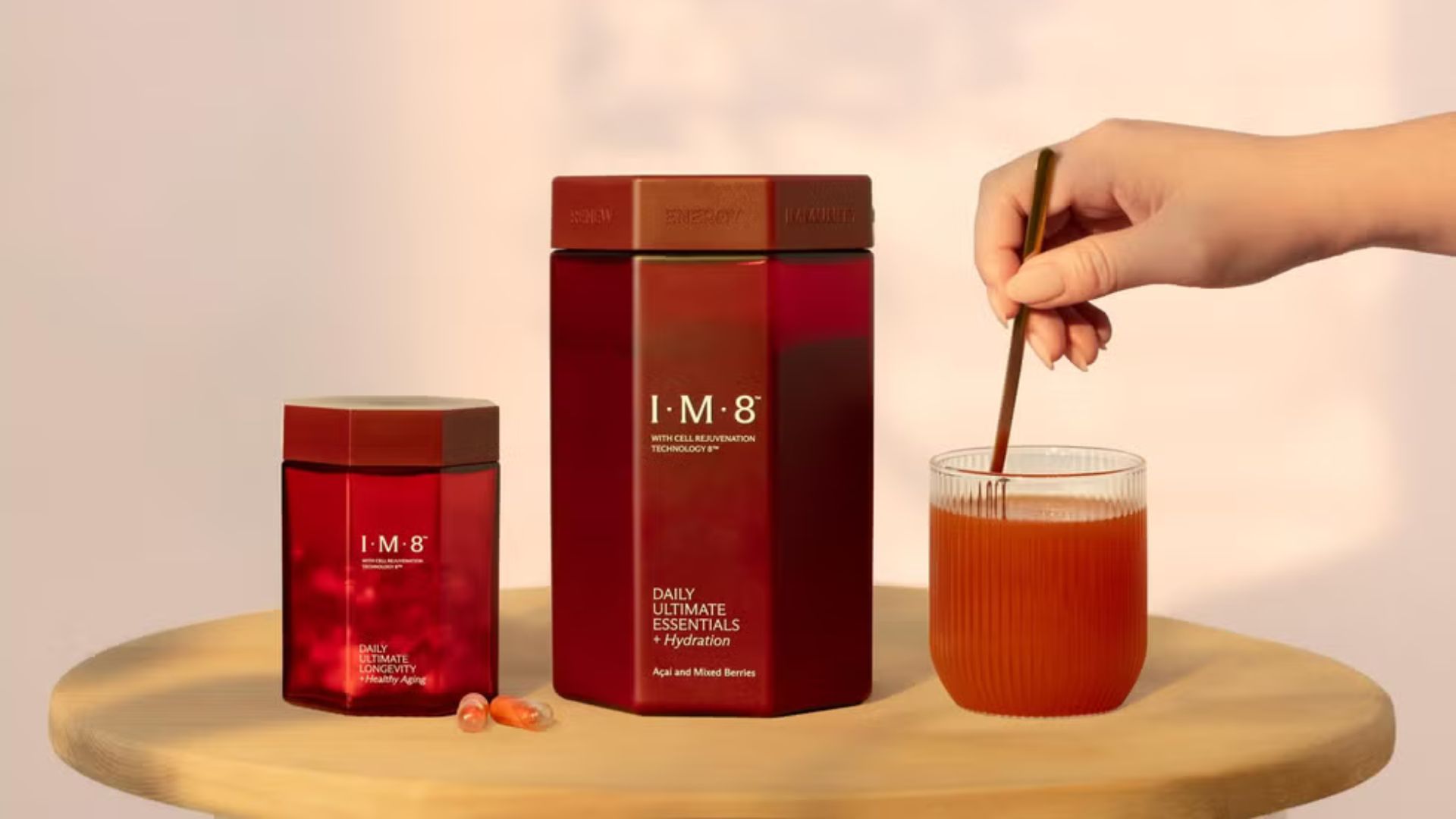
Take IM8 Daily Ultimate Longevity as an example:
IM8 is a health supplement co-founded by David Beckham, and developed by scientists from the Mayo Clinic and NASA. The product aims to improve energy levels, gut health, immunity, and cognitive function using 92 active ingredients.
It is proven to directly enhance NAD+ (nicotinamide adenine dinucleotide) levels in the body. NAD+ is an essential coenzyme that converts nutrients into energy, repairs DNA, and regulates stress responses. As levels decline with age, IM8 Health joins an increasing number of brands developing ingredient blends to increase NAD+ production.
Gut to Glow
Boosting the body’s interconnected ecosystem involves focusing on specific areas, such as gut and brain health. Consumers know this, and Google searches for ‘gut health’ in the US more than doubled between 2022 and 2026 (Source: Google Trends, 2025).
As science continues to link gut imbalances with inflammation and long-term health issues, brands are translating complex biology into accessible, appealing, lifestyle-led products. The latest prebiotic and probiotic innovations include:
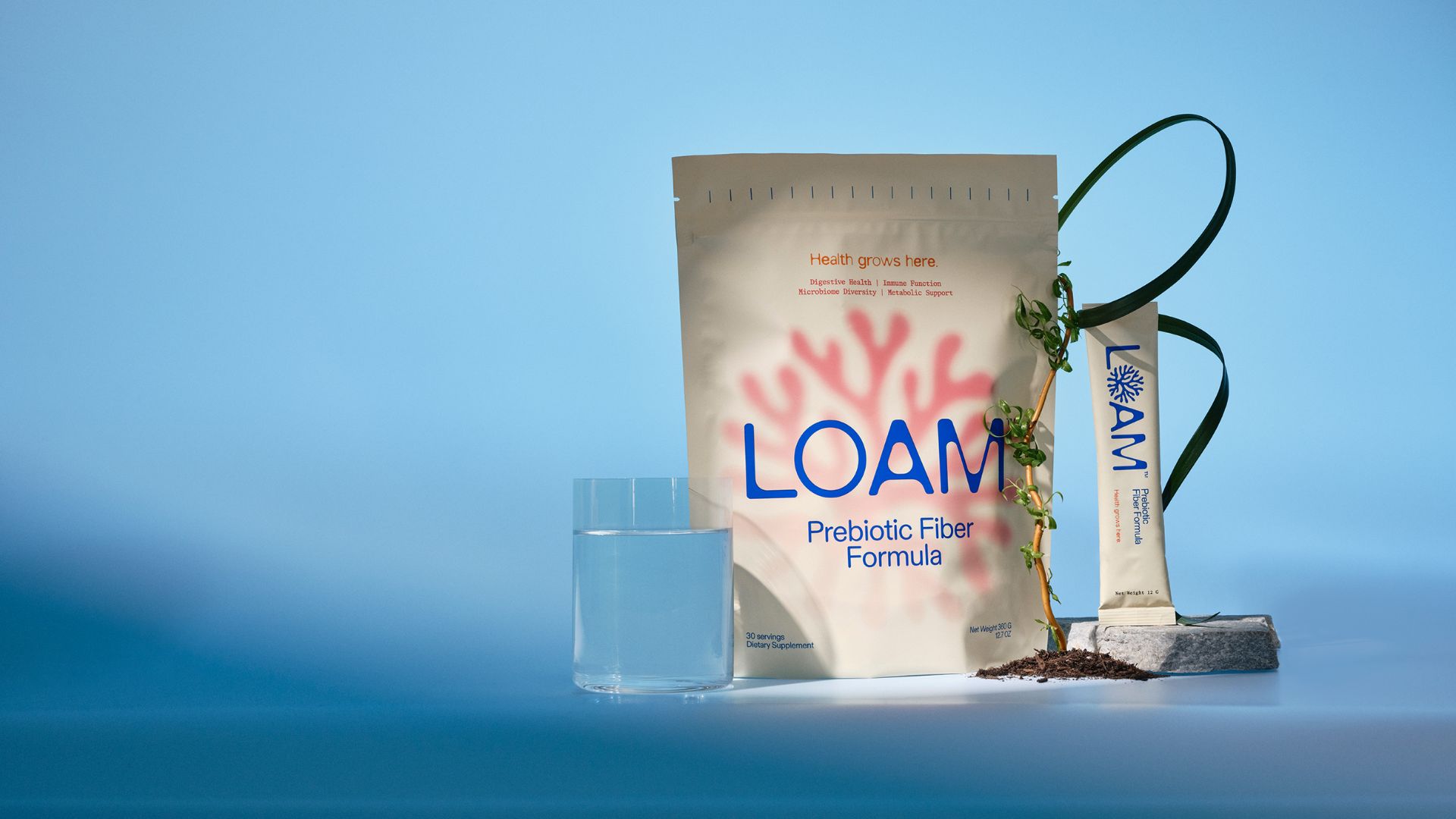
LOAM. The US-based supplements brand is on a “mission to save your microbiome”. Its new probiotic fibre supplement contains Benicaros, an ingredient derived from carrot pomace, which supports gut barrier function and strengthens the immune system.
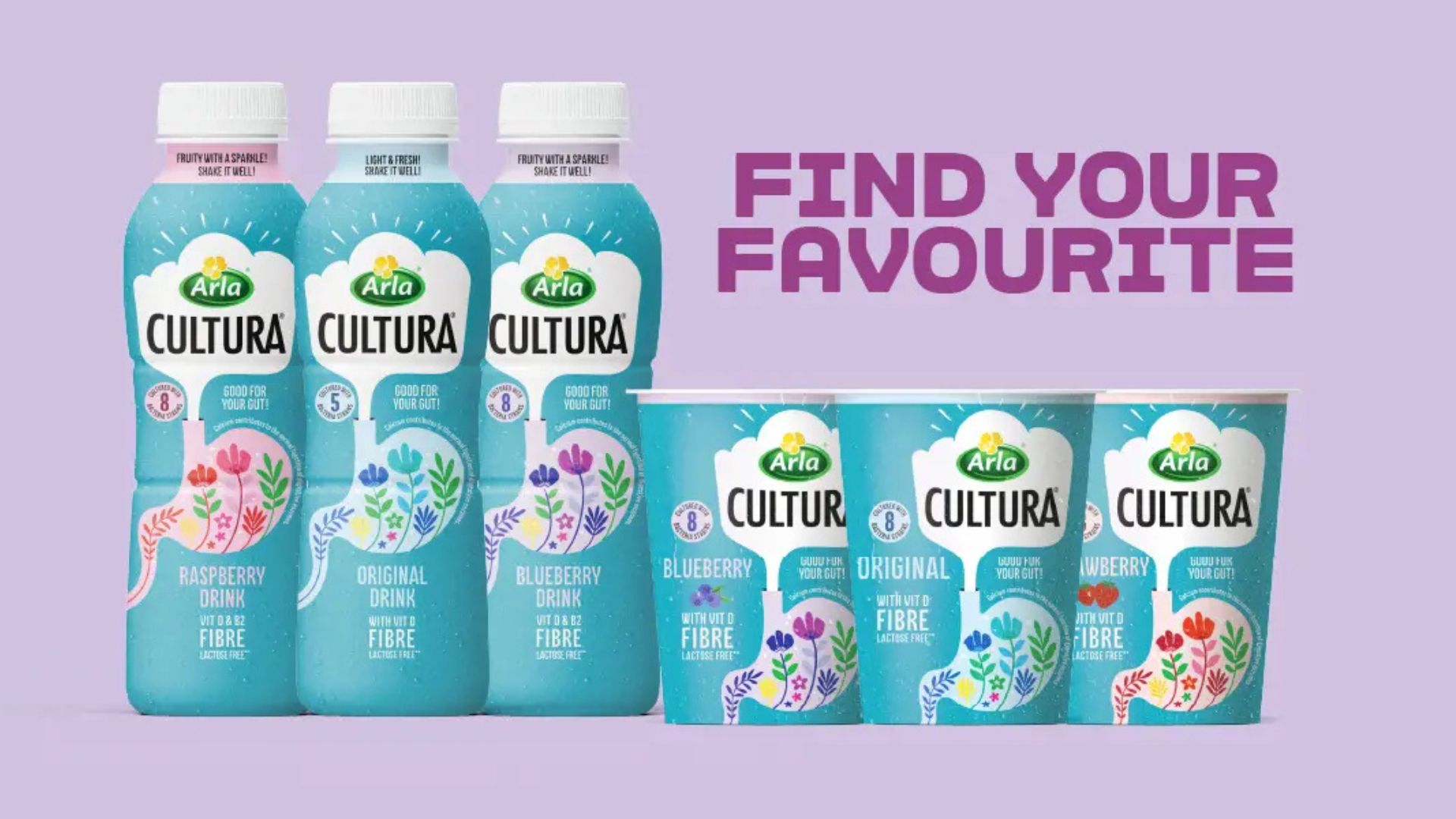
Arla Cultura. The gut-health dairy range from Arla Foods UK supports gut health with cultures, vitamin D, calcium, and fibre.
Good Kynd has launched the UK’s first ready-to-drink (RTD) vegan Iced Chai Latte, featuring an oat milk base, prebiotic fibre, and a blend of spices.
Joe & The Juice. The global café chain has worked with US-based kefir and probiotics brand Lifeway Foods to launch a Trust Your Gut shake. Often marketed as a quick, healthy breakfast or post-workout option, the smoothie supports digestive health and provides sustained energy.
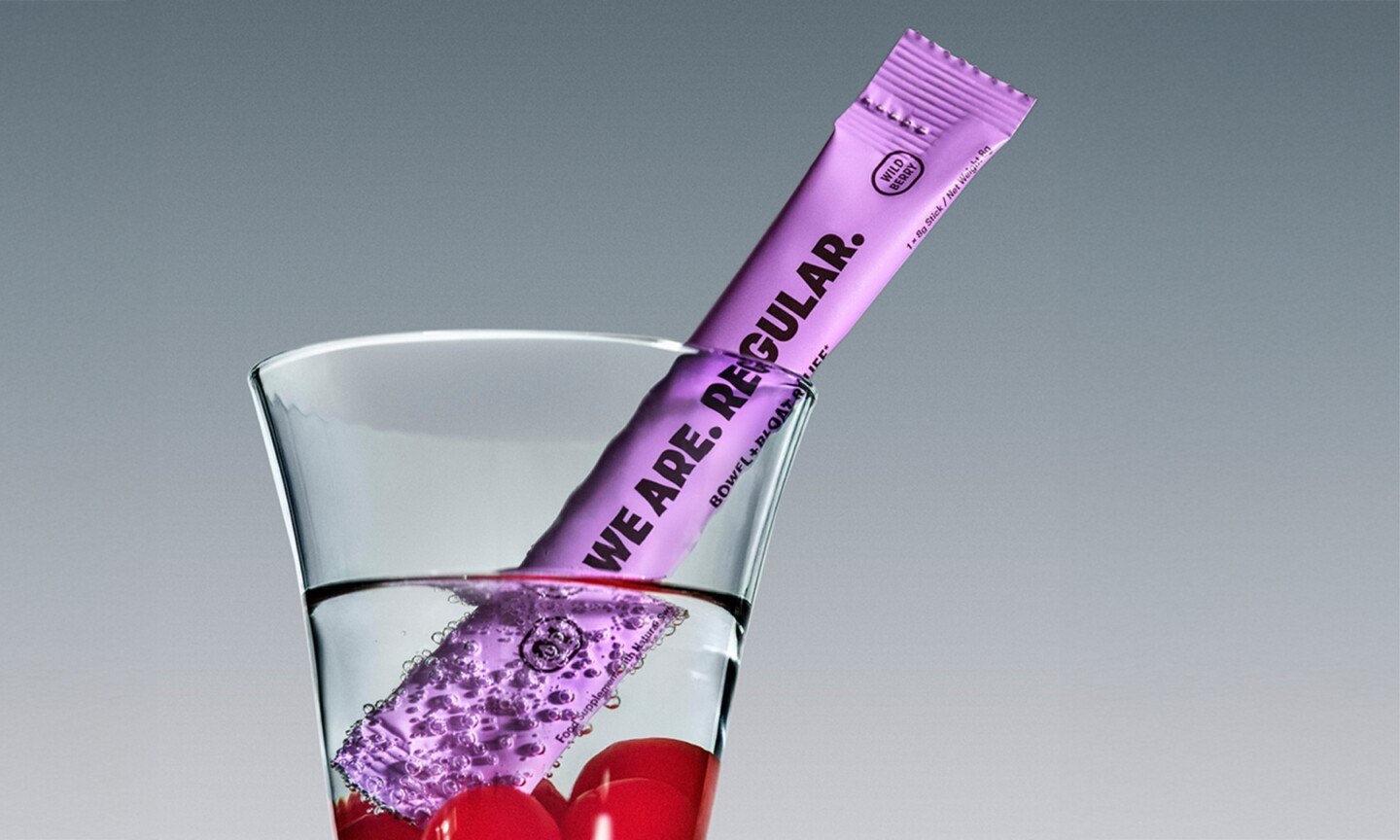
We Are Regular’s new Bowel + Bloat Relief powder combines magnesium citrate to gently ease constipation, vitamin C for microbiome balance, L-glutamine to strengthen the gut lining, and peppermint and ginger to soothe digestion and reduce bloating.
Brains are also getting a boost. Consumers are broadening their focus from general cognitive wellness to mental clarity, energy, and focus. According to the market research company Spins, vitamin B complexes, magnesium, multi-minerals, matcha, and fish oil concentrates were the fastest-growing ingredients in the US cognitive health space from January to July 2025. Meanwhile, the UK’s leading health and wellness store, Holland & Barrett, predicts an uptake in interest for brain-boosting grape juice and wild blueberry extract in 2026.
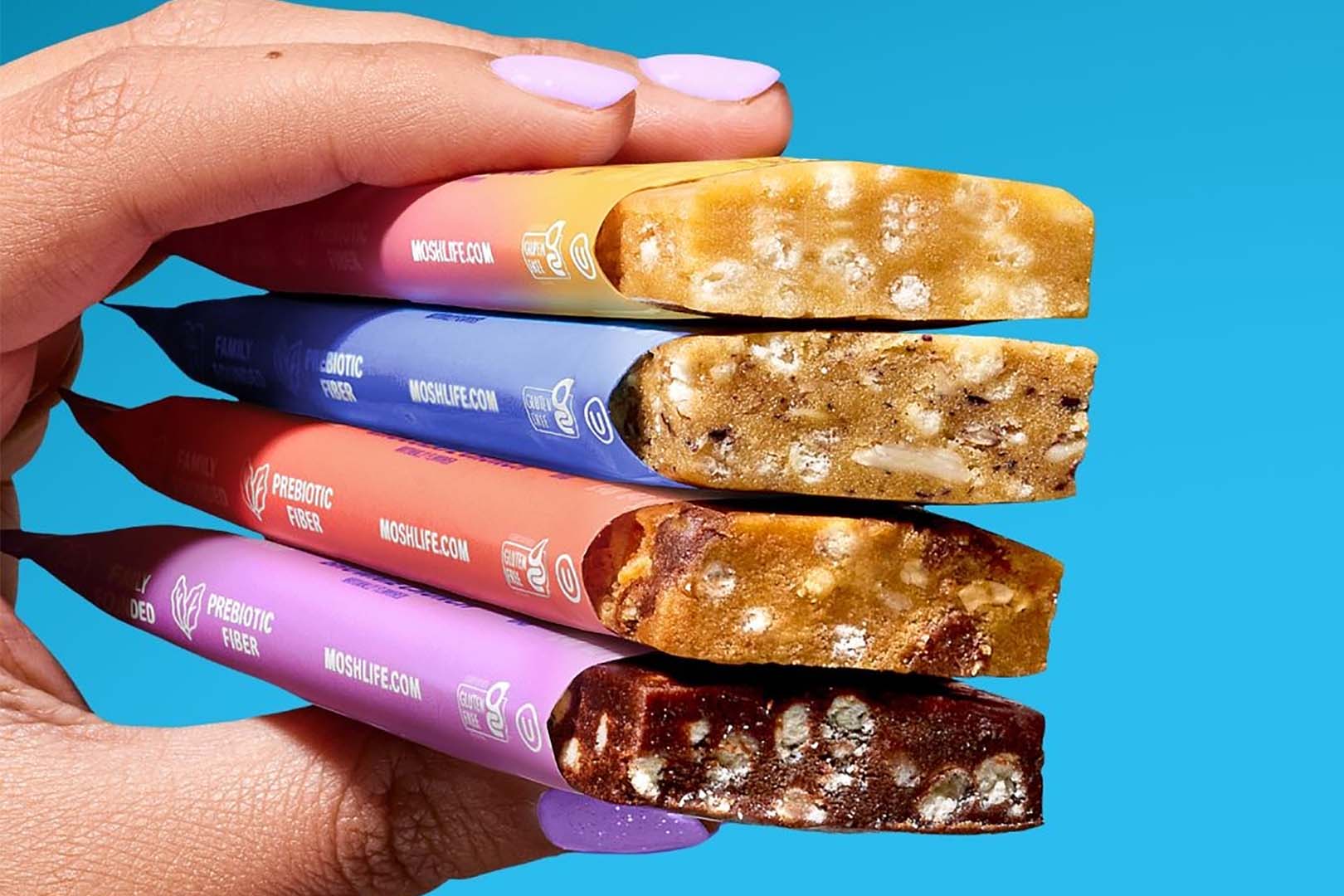
To further enhance cognitive function, nootropic blends are now moving mainstream. Patented ingredient Cognizin Citicoline appears in functional snacks such as Mosh’s plant-based protein bars. In beverage innovations, Nocco’s electrolyte-infused performance drink, and Goodrays’ Re: Focus line with lion’s mane and magnesium have been created to heighten mental clarity and reset the body.
Eat Less Gain More
It’s not just what’s on the plate, but the portion size. Consumers now want smaller servings, whether that’s in restaurants, supermarkets, or home-cooked meals.
GLP-1 weight-loss medications, including Ozempic (semaglutide), Wegovy, and Mounjaro (tirzepatide), have fuelled this surge in smaller appetites. In fact, 51% of American GLP-1 medication users report reduced craving for ultra-processed foods (UPFs), including snacks, sweets, and convenience meals (Source: Lifesum, 2025).
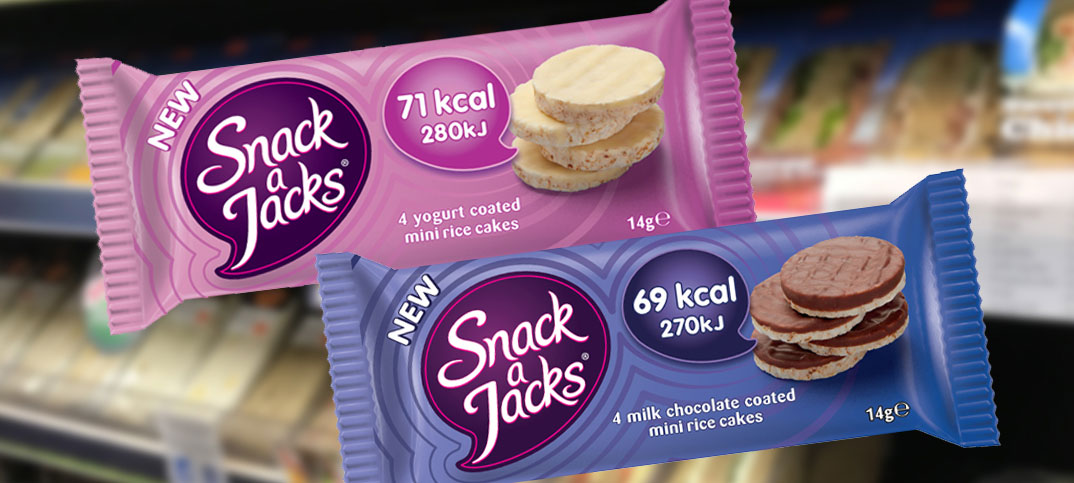
This has sparked a ‘minification’ trend that has been embraced by food service and FMCG brands: PepsiCo has released a new 80g grazing format of their Snack a Jack range, and Knorr has launched new a range of Mini Meals.
Other brands seek natural ingredients that curb appetite in a similar way to weight-loss drugs, or support metabolism and blood sugar control. For instance:
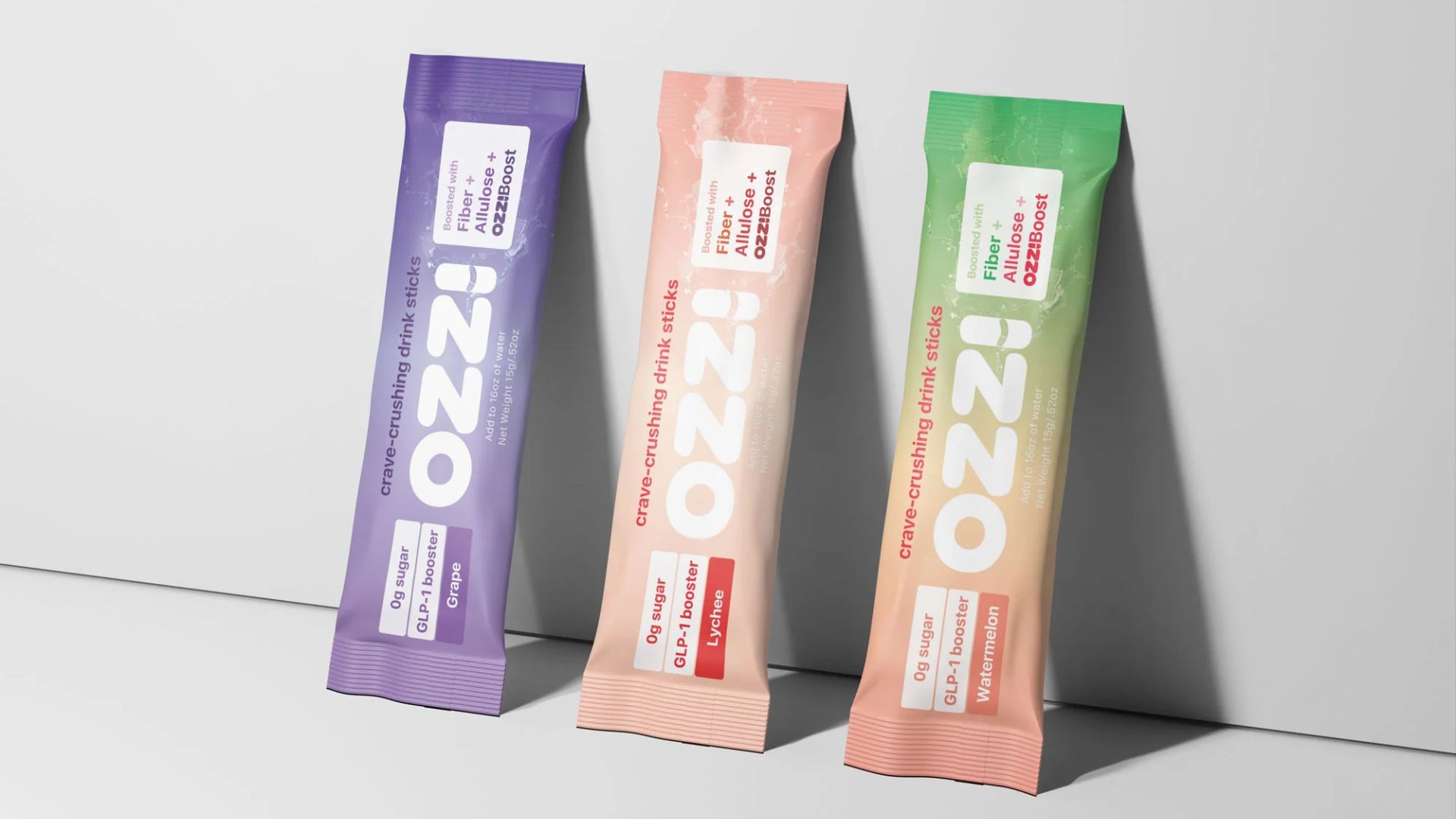
Ozzi. The US-based wellness brand’s “crave-crushing drink sticks” are marketed as a natural way to boost GLP-1. Its science-backed blend of ingredients includes konjac root, allulose, African mango extract, chromax chromium picolinate, and L-lysine butyrate.
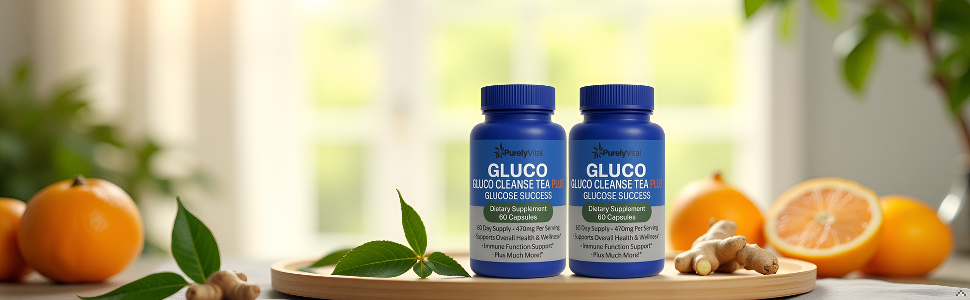
Gluco Cleanse Tea. A centuries-old formula from a remote Himalayan village, this 19-ingredient tea supports healthy blood sugar levels, overall metabolic function, and can even help fix type 2 diabetes naturally.
Luxurious Eats and Little Treats.
The little treat economy. Gen Z build ‘micro rewards’ into their day, gravitating towards small, sensory-laden sweets, nostalgic flavours, and soothing comfort snacks. This is more than satisfying their appetite; it’s a way to regulate mood, and express identity.
Breakfast is a great way to box up a little luxury. Brands are repositioning the once functional, often hurried meal into an occasion with some decadent new releases.
Got Milk? x Milk Bar Holiday Cookie Cereal. US dessert chain Milk Bar, and milk consumption campaign Got Milk? teamed up for a limited-edition peppermint and white chocolate cookie cereal launch.
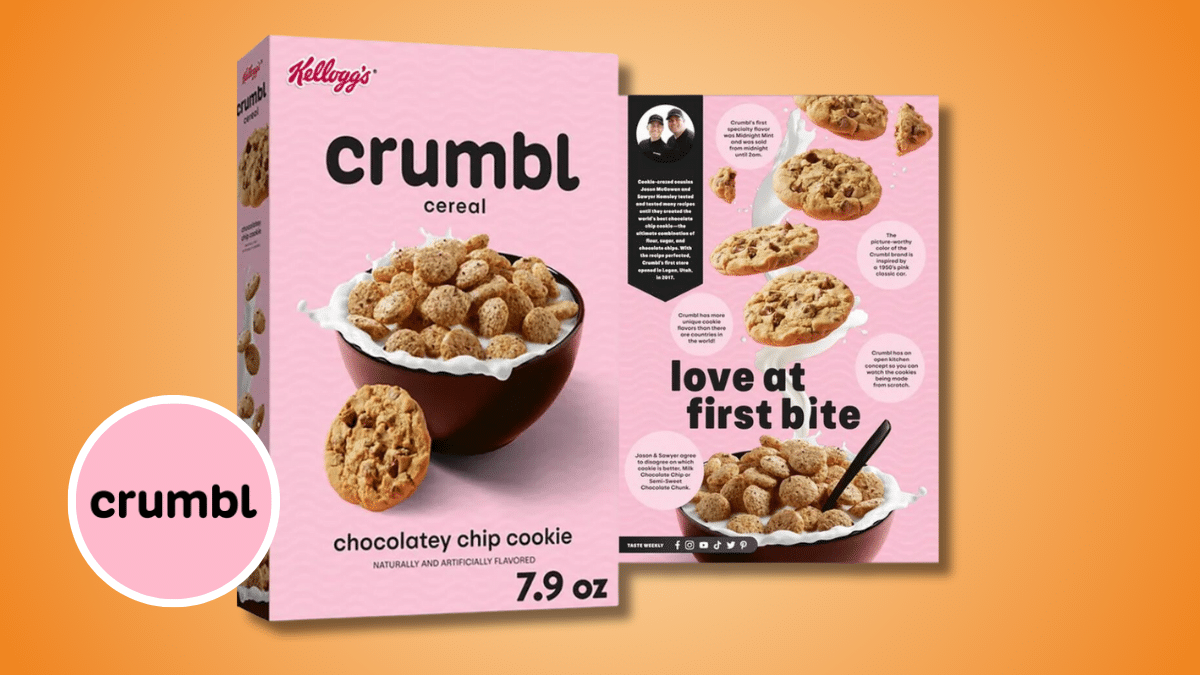
Crumbl Cereal. Food manufacturer Kellogg’s and US cookie chain Crumbl have created a milk chocolate chip cookie cereal.
To make ordinary moments feel extraordinary, snack time has also been upgraded in an ethical, mindful way:
LINDOR OatMilk Truffles. Lindt & Sprüngli has expanded its product line to include a vegan-friendly option that mimics the traditional, smooth-melting experience of its classic truffle range.
Galaxy® Dairy-Free Honeycomb. Approved by the Vegan Society, consumers can now enjoy the rich, smooth experience of traditional Galaxy® chocolate.
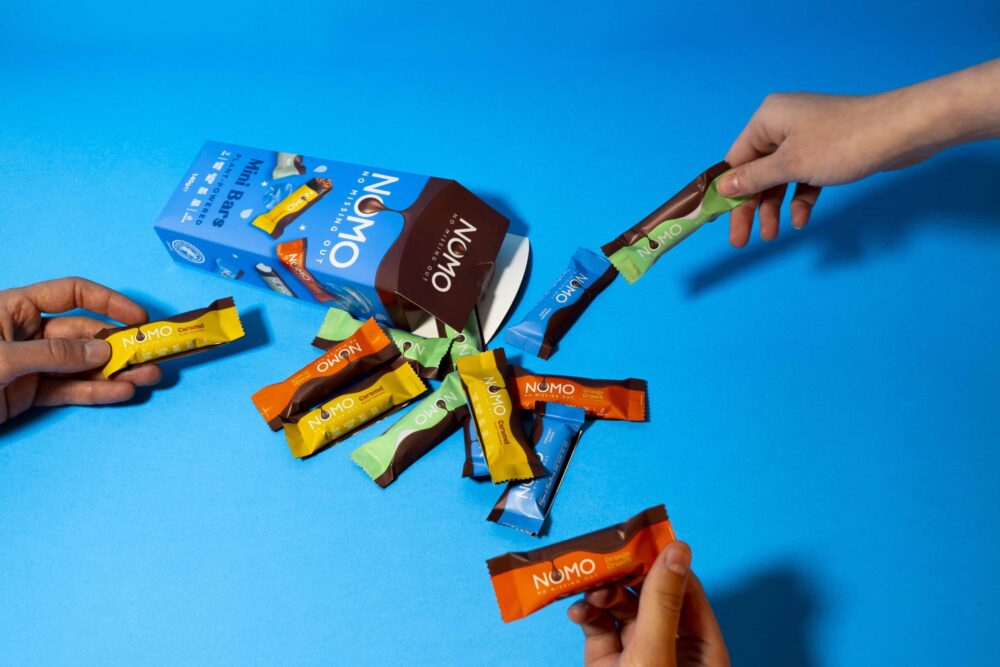
Nomo. The UK’s number one plant-powered and free-from chocolate brand has introduced Salted Popcorn, Birthday Cake, and Cookie Dough flavours to its range.
Key Takeaways
Food and beverage trends for 2026 focus on whole-body wellness through clean eating, science-backed nutrition, and micro indulgences. Successful product innovations in this category blend health, ethics, and enjoyment.


