
Cultural Collateral? Why branded merchandise is more than just a ‘freebie’, and those already leveraging the opportunity
by Helena Bush - Markeing & Insights Manager
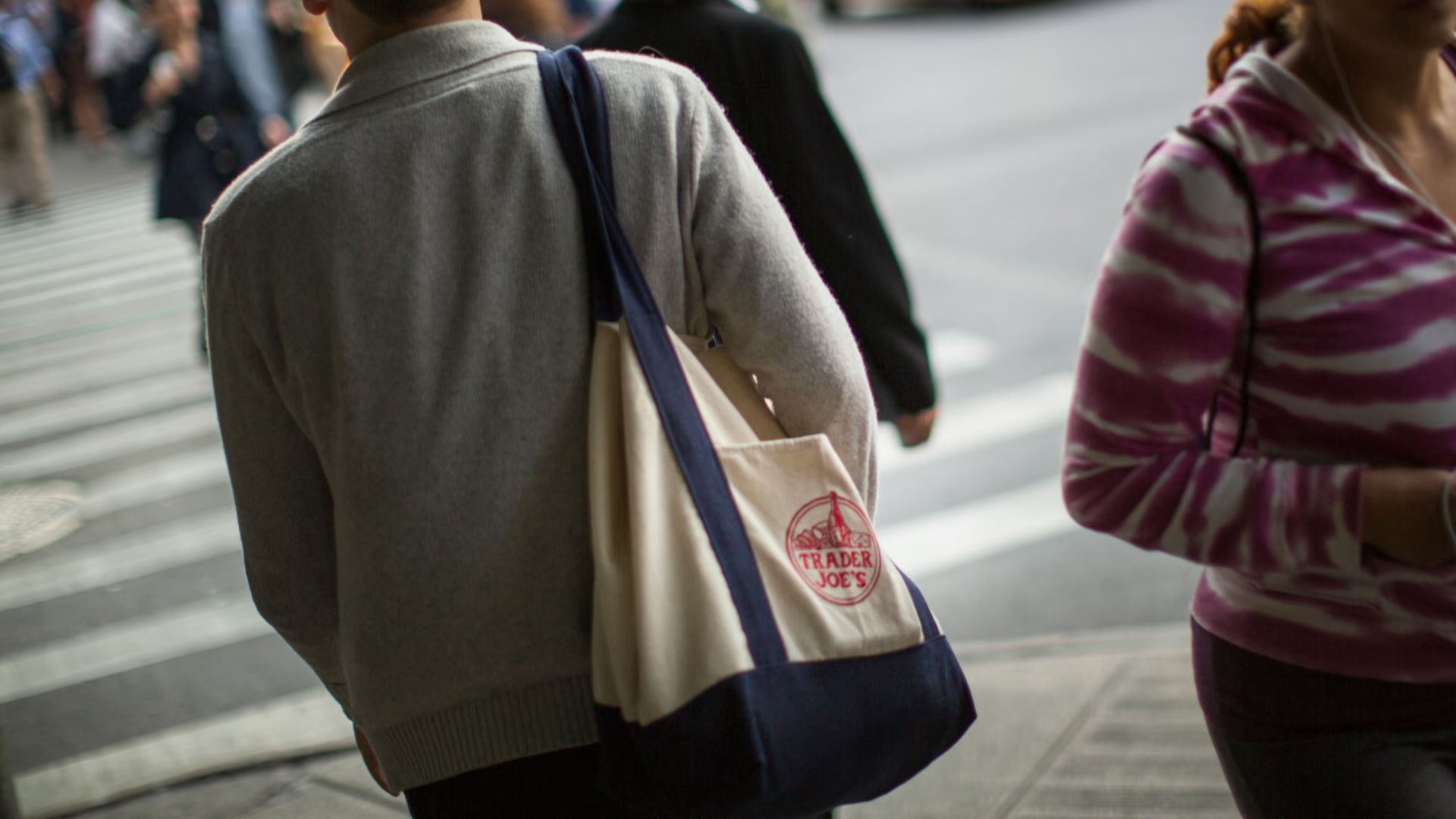
Branded merchandise has been part of the marketing playbook for decades.
But in 2025 it is becoming more than just a gift-with-purchase, a quick use of leftover budget, or a product with a logo slapped on. Branded merchandise is not just marketing collateral – it’s a cultural one.
What do we mean by ‘cultural collateral’?
Popular culture (what’s journalized, shared and ‘trending’,) has never had more influence over shopper behaviour. Social algorithms shape discovery, as community defines credibility, and cultural discussion drives purchase.
In this landscape, physical marketing assets can rise above being just passive brand reminders. They can generate cultural relevance, social currency, and long-term memorability. They are not just something given away – but that travels, lives, and gets shared.
This is not new. Branded collateral throughout the years has transcended commerce and entered culture. Campbell's soup tins immortalized in pop art; Sports Direct’s giant mugs; multicolor Coca-Cola glasses at McDonald’s — all examples of products becoming cultural symbols that people can recall.
So what is the insight for brands?
Branded merchandise is no longer just about visibility and awareness, it’s about strategy. When rooted in cultural behavior, social moments, and meaningful interactions, merch works exponentially harder, and results in vast ROI increases.
Below we explore who (and how) is already demonstrating what this winning approach looks like.
1. The Power of Virality - Stella Artois’ Cap
Social media can create brand advocates for merchandise. Get it right, and algorithmic platforms like TikTok and Instagram lead to huge audiences from minimal budgets.

Stella Artois ‘Perfect Serve’ baseball cap is a prime success. What could have been a simple branded hat became a viral social currency moment. TikTok videos documenting shoppers hunting for the hat in Co-op stores amassed over 1 million views. The merchandise itself became the content. Consumers became advocates.
Of course, virality alone is fleeting, and social momentum can be short-lived. But pairing digital momentum with a physical product mitigates the weaknesses of both. Social media offers reach but limited longevity. Physical merchandise has the longevity but limited reach. Together, they build cultural durability.
View the full Stella Artois case study here.
2. Collaboration with Cause – ‘Don’t Drink & Dive’
Brand collaborations are another effective strategy for brands (read more about the secret to success in adm’s full insights on brand collaboration), and merchandise offers an avenue with strong impact. The key is collaboration with purpose.
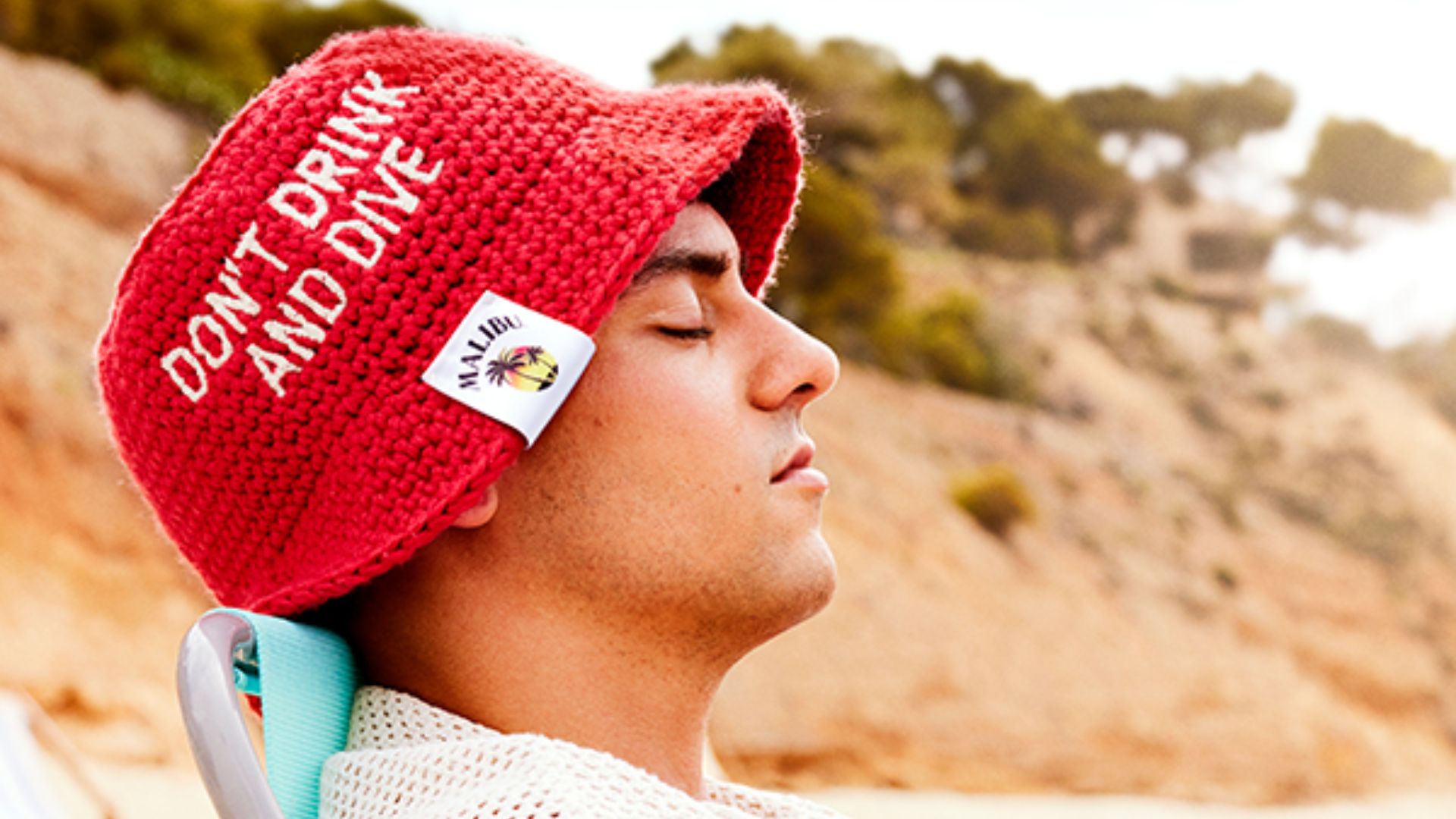
Malibu demonstrated this with their ‘Don’t Drink & Dive’ campaign alongside Olympic diver Tom Daley. When choosing an appropriate ambassador for their campaign, they looked beyond Daley’s sporting connection to the catchphrase, but to authenticity with accompanying merchandise. His well-documented passion for knitting during the Olympics became the creative springboard for campaign collateral – a quality and novelty knitted range to perfectly bring the whole campaign together.
What could have been a throwaway slogan became a culturally memorable anchor.
3. Gamification & Ritual Infiltration – Gregg’s Top Trump
Cultural collateral doesn’t just appear in feeds - it embeds into lifestyles. It inserts itself into emotional moments, and routine rituals.

Gregg’s limited edition Top Trumps is a perfect example. A Christmas release, the game enabled Gregg’s to place themselves within iconic festive moments, becoming part of opening stockings and family games. Rather than being a fleeting promotional extra, it placed the brand at the heart of an existing emotional moment – for authentic brand awareness and increased receptibility.
When merchandise infiltrates culturally significant moments, it doesn’t interrupt. It integrates. That’s where effectiveness lies.
4. Generating Anticipation – Starbucks Cups
Repeat purchase and loyalty remain primary brand goals, and merchandise that customers actively seek out is a powerful lever for both.

Starbucks master this with their limited-edition cups. Annual festive designs, unique teddy-bear shapes and collaborations with Disney - each drop generates anticipation. The whole launch journey becomes a marketing campaign – teasers, influencer previews, launch-day events. By creating a collectible item, brand awareness multiplies – not only literally with several assets, but in driving repeat customers to stores.
5. Clepto-collectability – Beavertown glasses
No brand encourages theft, but when consumers want to take branded assets home, it reveals something important. Beavertown Brewery beer glasses - distinctive, colorful, highly recognizable - are among the “most stolen” in the UK. Their desirability extends beyond pubs into homes, long after purchase. But beyond extended visibility, brands should investigate why this occurs to identify the strategic opportunity.

It signals that well-executed merchandise triggers emotional attachment. When a physical object captures a moment (e.g. a perfect pint with friends in a fun glass), it becomes more than a fleeting brand memory.
Some brands are even leaning into this behavior. The Ivy has playfully embraced the phenomenon with tableware emblazoned ‘Stolen from The Ivy’, turning impulse into cultural currency.
How can brands leverage this insight? By designing merchandise that bottles the emotional experience. That’s where culturally-significant branded merchandise lies.


