Christmas 2026 Look Ahead

We have analysed 2025 key trends as well as trends picking up pace in 2026 to present the trends we expect to see from brand activations around Christmas 2026.
Incorporating economic factors, technological advancements, cultural shifts and consumer priorities, we are pleased to share a look ahead at brand activations that will resonate with consumers for the upcoming festive season.
Looking Ahead
The Fewer, Better Mindset.
The volume-over-quality era is over.
Christmas 2025 data from Mintel shows a growing trend towards buying fewer, smaller gifts — with higher earners increasingly participating in Secret Santa schemes (43% vs 32% average), signaling that even affluent shoppers are gravitating towards curated, intentional giving over abundance.
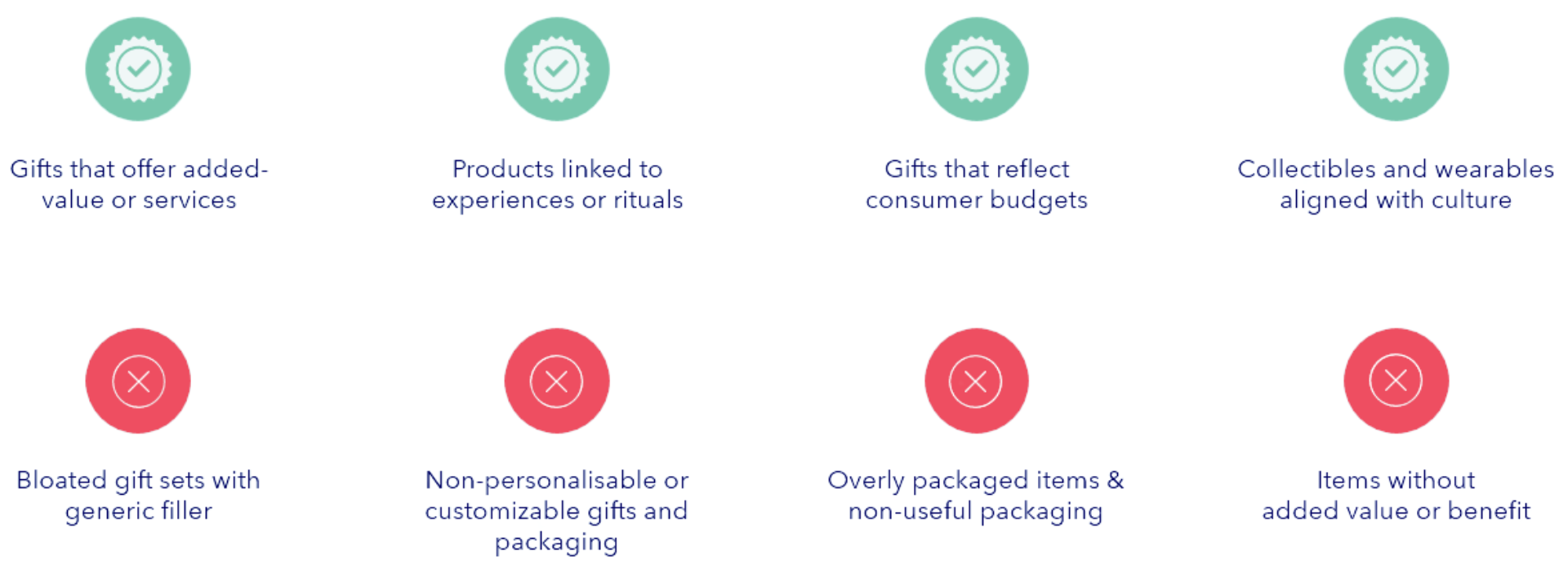
For brands, this means bloated gift sets with 12 SKUs and generic filler will be punished. Brands that edit ruthlessly are outperforming brands that add infinitely, as seen in the beauty advent calendar space, where exclusivity drove perception more than product count.
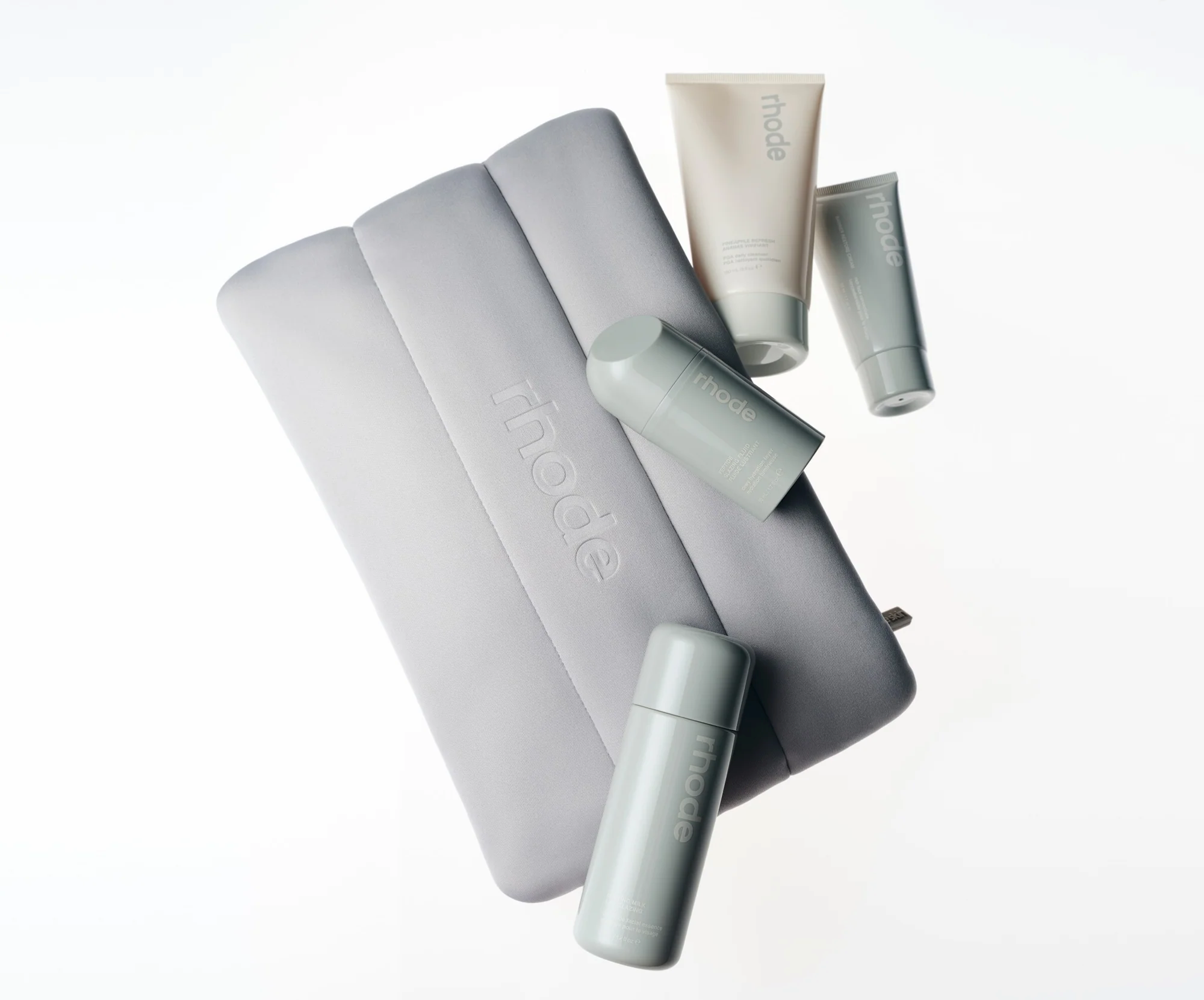
We expect to see tighter, more curated gift sets with stronger brand POV, particularly in beauty and alcohol
Emotional Value & Sensory-First Experiences
Gift selection will increasingly be judged by the feeling it creates.
Mintel's 2026 beauty predictions point toward emotional wellness, sensory-first experiences, and the growing role of beauty in how people regulate stress and create moments of comfort.
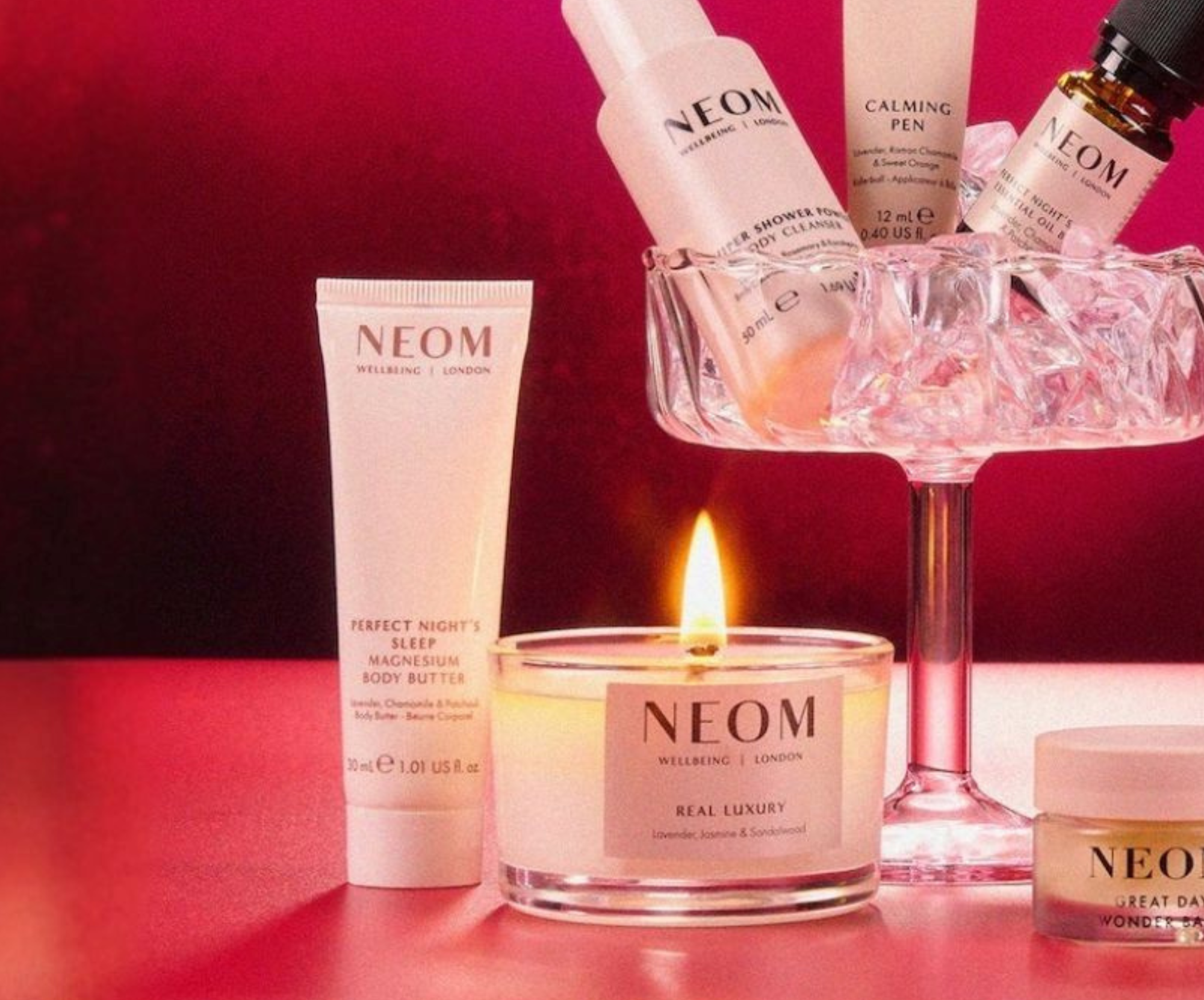
This is a huge opportunity for alcohol, fragrance and premium FMCG to lean into ritual: the idea that opening and using the product is itself the experience.
Winners in this space will be kits that stage a moment: such as a cocktail ritual, a skincare evening, or a self-care hamper
Premium vs Value Led Consumers
Analysts predict a K-shaped economy deepening the divide between consumers that spend and those that save.
We expect to see weakened consumer buying power for some while others continue to spend, and brands should accommodate both, without alienating either.
Premium tier: Consumers are still trading up for gifting even when cutting back day-to-day. The ongoing premiumisation trend sees consumers choosing higher-quality goods even amid economic pressure.
Value tier: Growth will favour brands that cater to slimmer budgets by offering more value for money, making consumer decision making easy and making budget friendly options feel premium.
Charm Culture & Collectibles
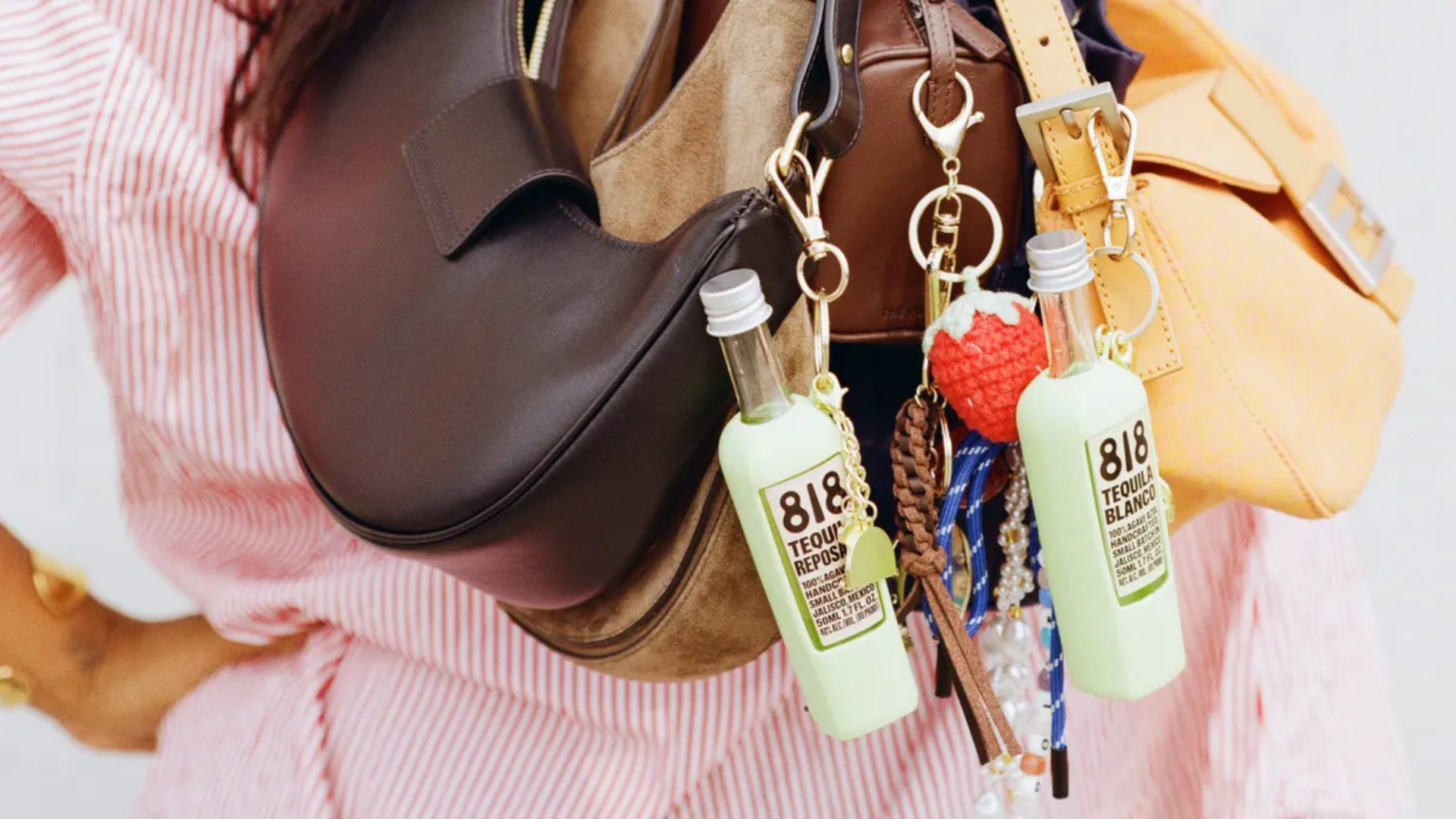
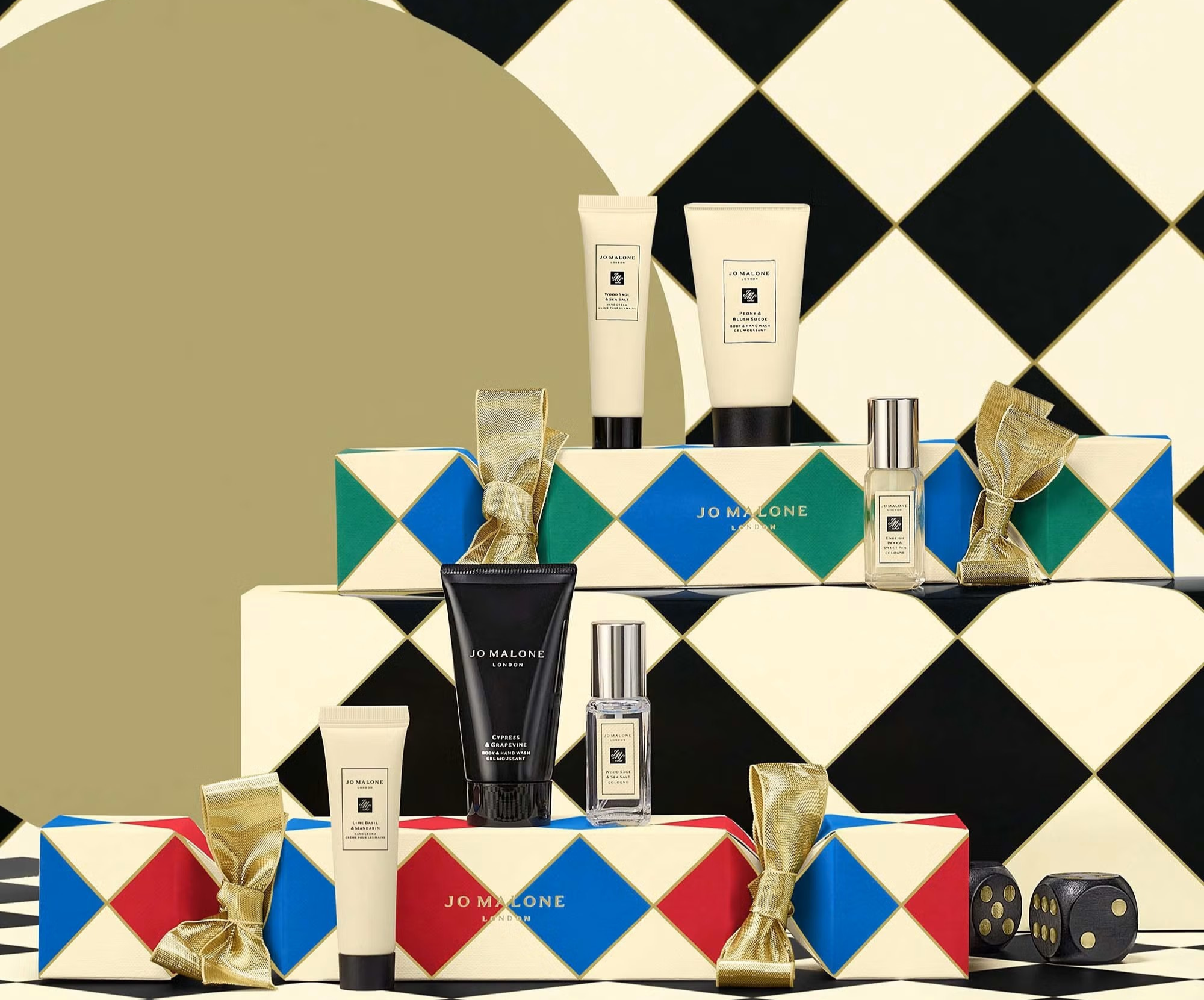
Collectability is rising, with the rise in charm culture and minis creating socially shareable, wearable packaging that extends the product's life.
72% of Gen Z consumers report that small, expressive merch items, pins, patches, stickers, and charms, make them feel “closer to a brand’s personality.” (Lyst, 2025)
We can expect charm culture to be a strong feature for Christmas 2026, with ornaments and bag charms functioning as easy on-pack gift-with-purchase.
Connected, Experiential Packaging
Extending the gift beyond the product itself.
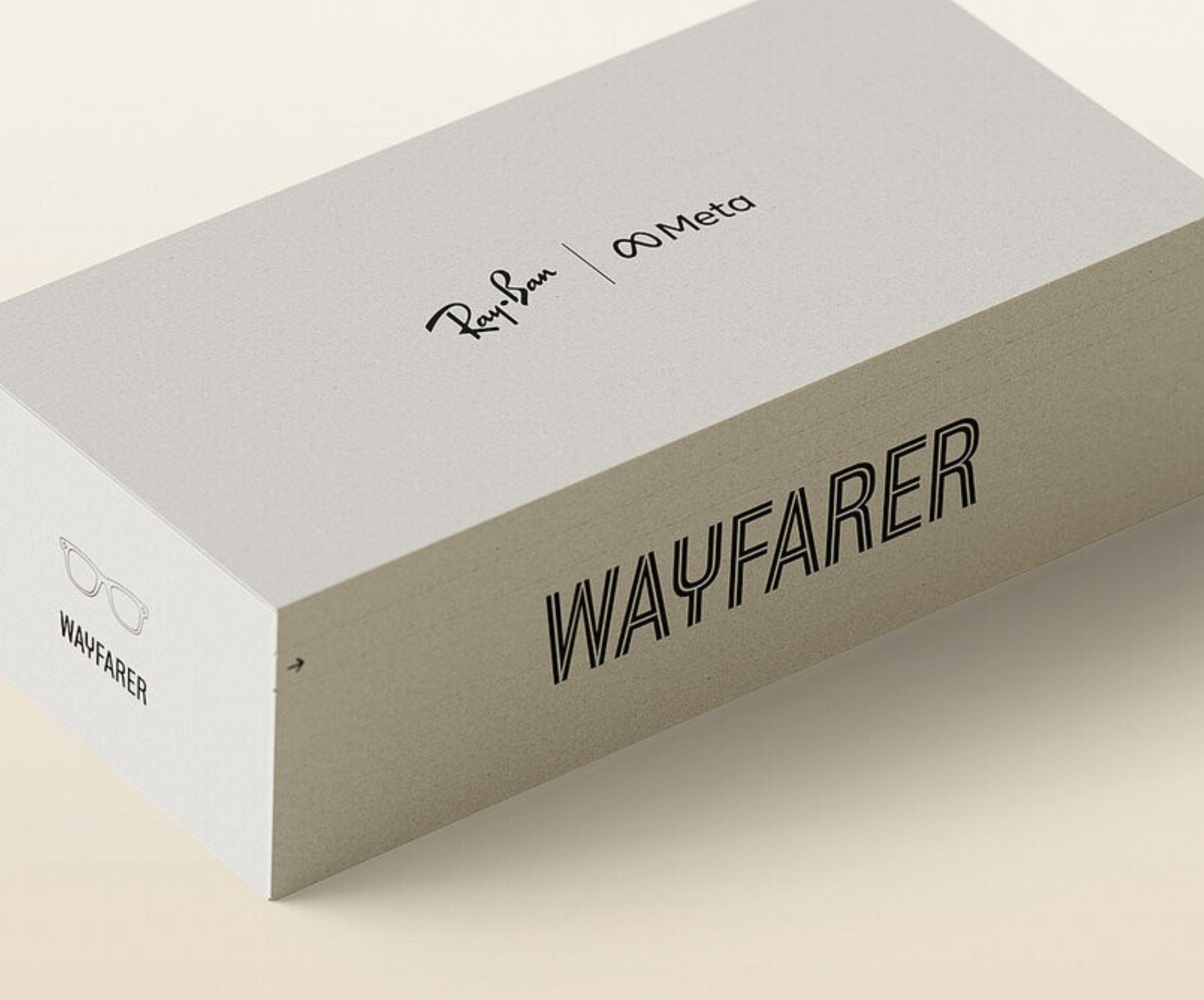
Beauty packaging experts predict a surge in connected packaging in 2026 via QR codes, NFC, or RFID: turning packaging into a two-way channel for education, loyalty, reorders, and authentication.
For Christmas specifically, this unlocks interesting mechanics: QR-coded gift sets that unlock personalised experiences, cocktail recipes, how-to tutorials, or brand storytelling.
Experiential Moments
Brick-and-mortar retail is playing a renewed role in festive spending.
In the UK, 66% of in-store shoppers see Christmas shopping as a way to socialise (Mintel, 2026), rising sharply among 16–34s.
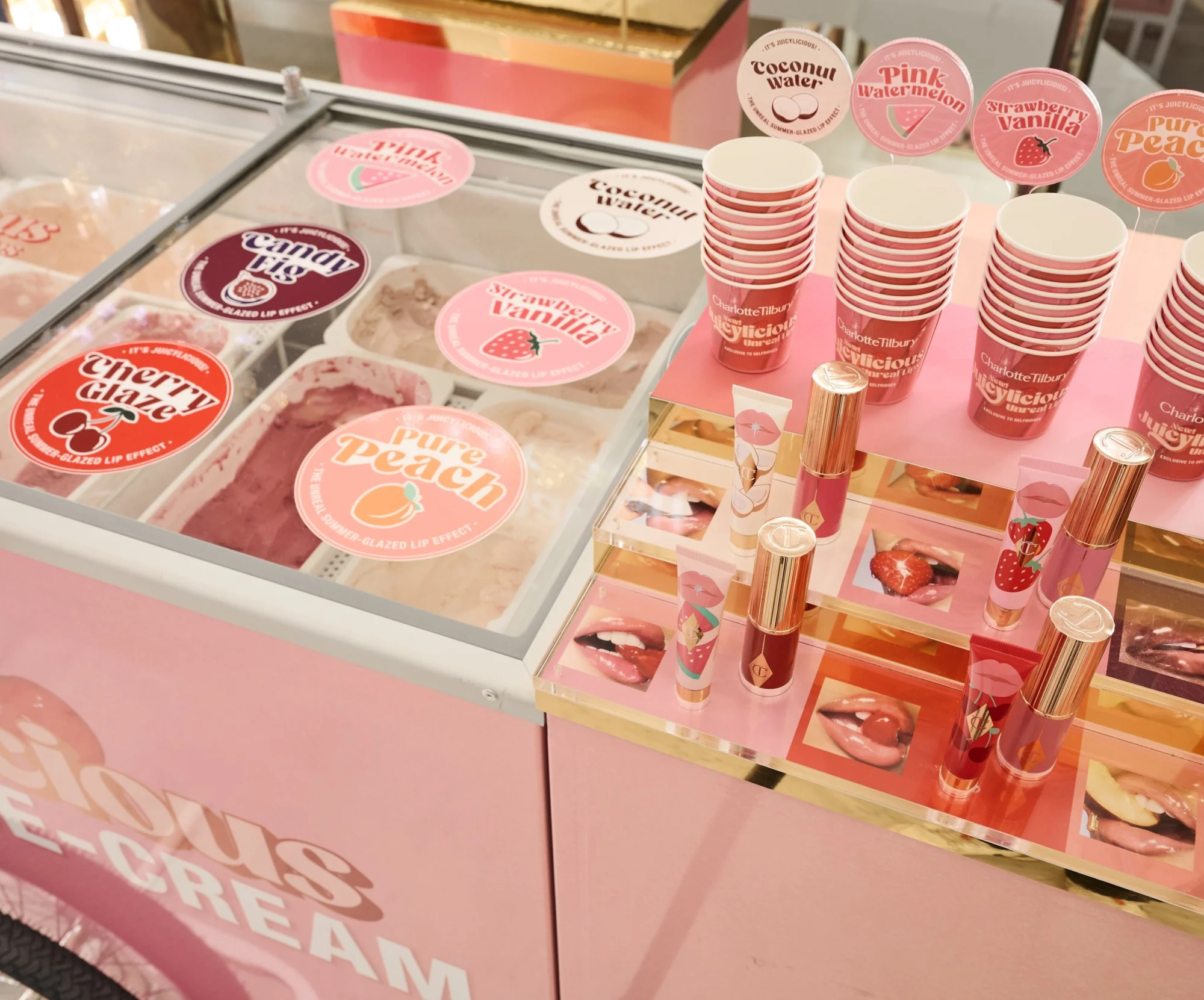
Experiential retail, themed events, interactive displays,and immersive store layouts create memorable connections that inspire discovery and impulse buys.
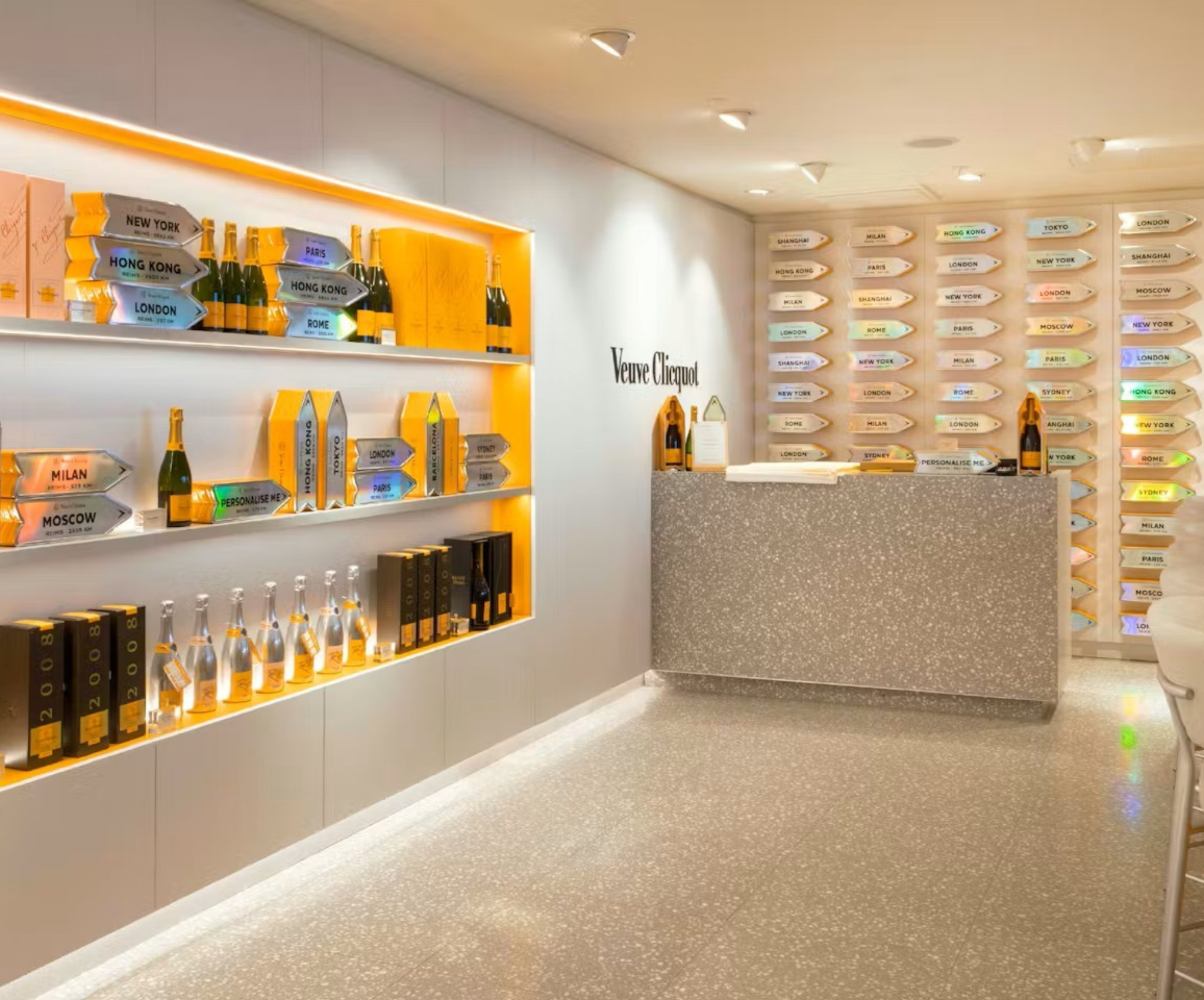
For FMCG and beauty brands, this is a call to invest heavily in in-store activation during October–December: food and beverage pop-ups, gifting events, masterclasses, personalisation stations and live demonstrations will be popular.
Scalable Personalisation
The 2026 personalisation model is more restrained than before, it's about giving recipients a stronger sense of relevance without collapsing under operational complexity.
That can mean segmentation by audience type, regional packaging variation, or gift tiers for different relationship levels: changing colour, theme, insert card, or presentation rather than building a completely different product for every recipient
This presents an opportunity for scalable, data-informed customisation that feels personal without creating production complexity
AI-Assisted Gift Discovery
Gift sets that surface in AI recommendations will win disproportionate share.
Currently under 10% of gift buyers use AI tools for Christmas gift inspiration, but adoption is expected to grow significantly, particularly among younger consumers.
For brands, this means product descriptions, gift set naming, and digital shelf content need to be optimised for conversational AI discovery, not just traditional SEO.
What will sell and what will stay on the shelf?