
A Shelfless Future: How Brands Win When Retail Has “No More Room”
by Nick Cavarra - Chief Growth Officer - Americas

Traditionally, retail growth followed a simple formula: more demand meant more product, more shelf space, and more sales. Today, it’s not so simple. In the modern retail environment, there is one universal constraint - there isn’t any more shelf space.
At the same time, consumer expectations at the store are rising. Shoppers now want richer experiences, deeper product education, and seamless connections between digital inspiration and in-store purchase. As a result, brands and retailers must fundamentally rethink how they use space and build presence. The mindset is no longer “how do we get more space?” - but “how do we make every touchpoint work harder?”
This article explores the new rules of in-store and online synergy to solve this challenge – through the importance of impactful experiences, the growing role of retail media networks, and the power of physical and digital storytelling.
What are the stakes?
Despite years of predictions around the “death of the store”, physical retail is not disappearing - it is evolving. In fact, its role is becoming more important.
Globally, around 80% of all sales still take place in-store (Statista, 2024), and the future highest-spending generation are the drivers - in 2024, Gen Z made almost 50% of their global spending in physical retail (Nielsen, 2024).
Consumers clearly want to shop materially. The challenge now is how brands connect with them to mitigate where finite space cannot allow infinite satisfaction.
Increasing Impact
From modular mid-aisle displays to in-store pop-ups, brands are increasingly extending beyond the shelf to create memory-making moments. Retail real estate needs to work harder and turn fleeting shopper interactions into extended, engaging experiences. In drawing customers in through incentives, interactivity, storytelling or gamification, they transform a moment of the shopper journey, into a memory. One example - photo opportunity; from Smirnoff’s Miami beach to LEGO’s gingerbread house.
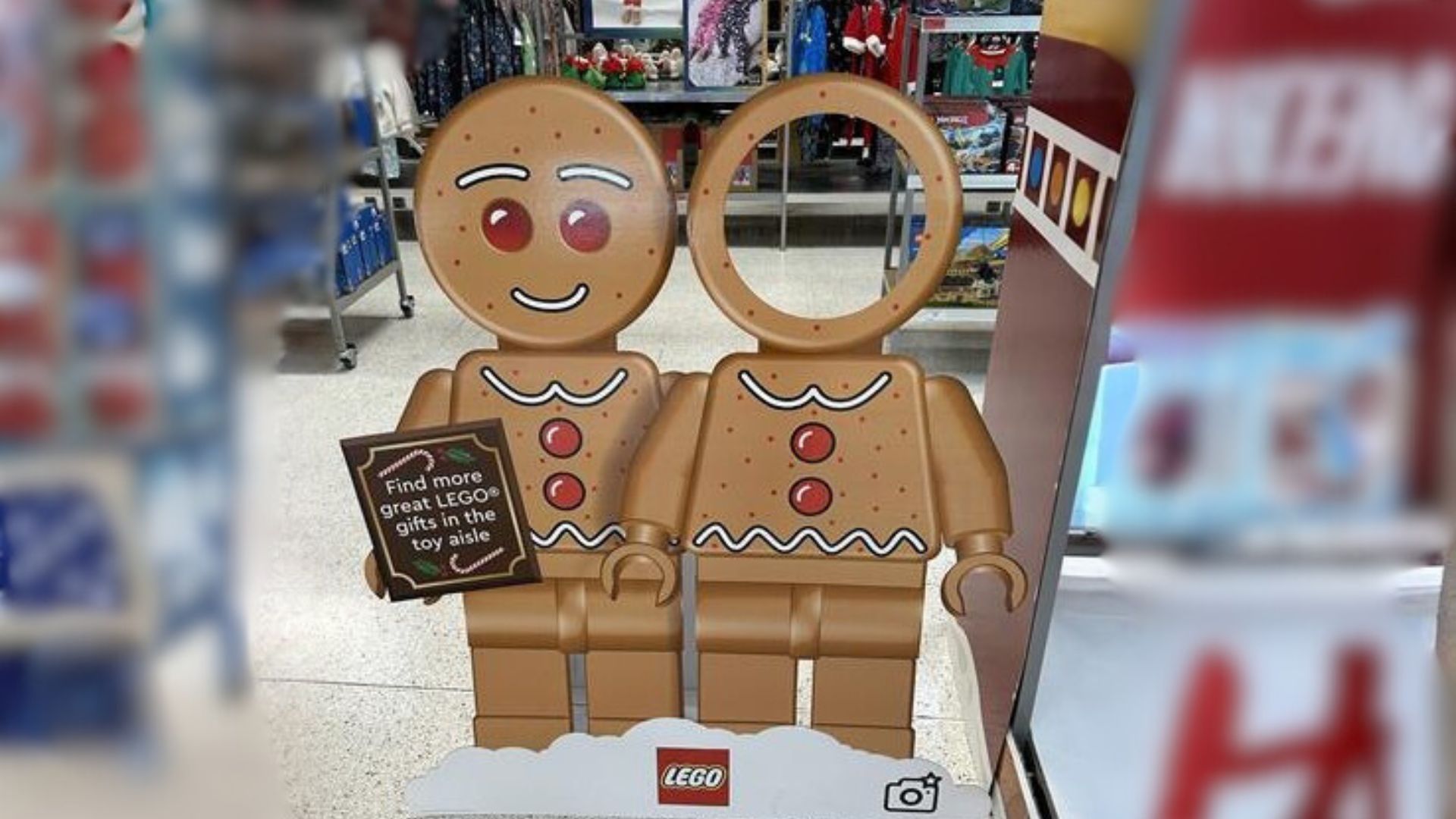
These formats do more than hold product. The most effective displays are theatrical and flexible. They allow brands to adapt placement by location or moment, capitalising on impulse moments, or during seasonal and situational relevance, from Christmas to ‘date night’. Rather than a static block of stock, these activations become experience drivers and conversation starters, and subsequently stronger cues to buy.
Omnichannel Connection
The line between online inspiration and in-store purchase is rapidly dissolving. In the US, 70% of consumers say they want online and in-store to feel like part of one connected journey (Nielsen, 2024). And beyond customer satisfaction, omnichannel and ‘phygital’ journeys have another critical opportunity – to mitigate conversion drop-off from space limitations.
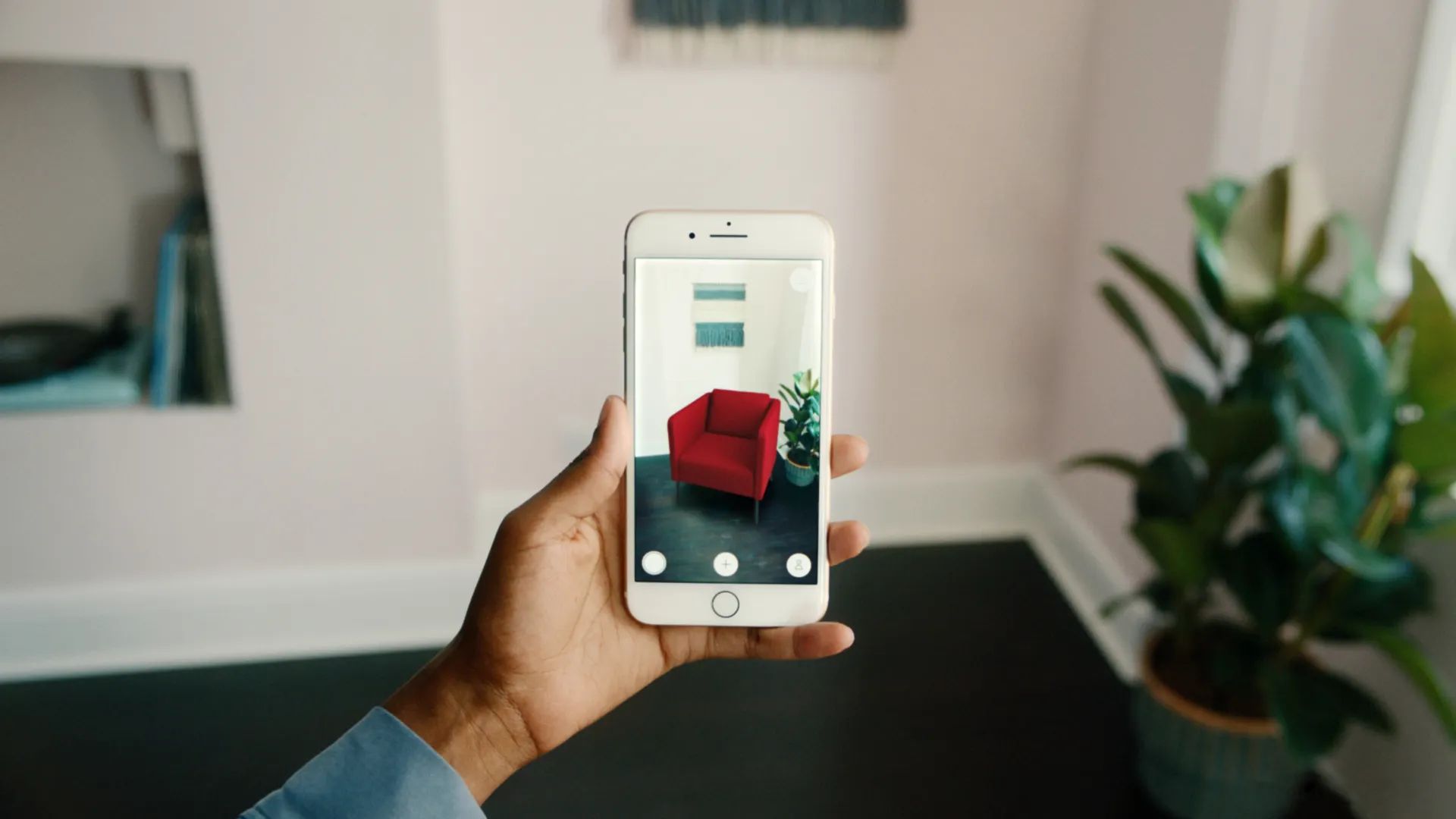
In categories like homewares, this is already well established. Retailers such as IKEA and B&Q use AR and VR to allow shoppers to visualise large items, removing the need for full physical display. IKEA took it one step further and actually featured their furniture in other retail locations like gyms, clinics, spas and beaches. Similarly in beauty - where hygiene regulations, tester space and stock constraints limit trial, QR codes and mobile-enabled experiences allow product education to be explored.
Warby Parker has been brilliant at this as well, especially with their custom app. Using augmented reality (AR) technology, their app provides a highly realistic, 3D visualization of how frames look and fit the user’s unique face. They can even turn their head to see different angles, and the frames adjust accordingly. Approximately 75% of their customers browse the app or website before visiting a store. When users do arrive at locations, store associates (Advisors) can instantly pull up their digital history, including "favorited" items and previous virtual try-on selections, to provide personalized, efficient service. This experience has been so successful, Target has struck a partnership with Warby Parker to provide new shop-in-shop locations within select Target stores. Talk about literally creating shelf space for their products!
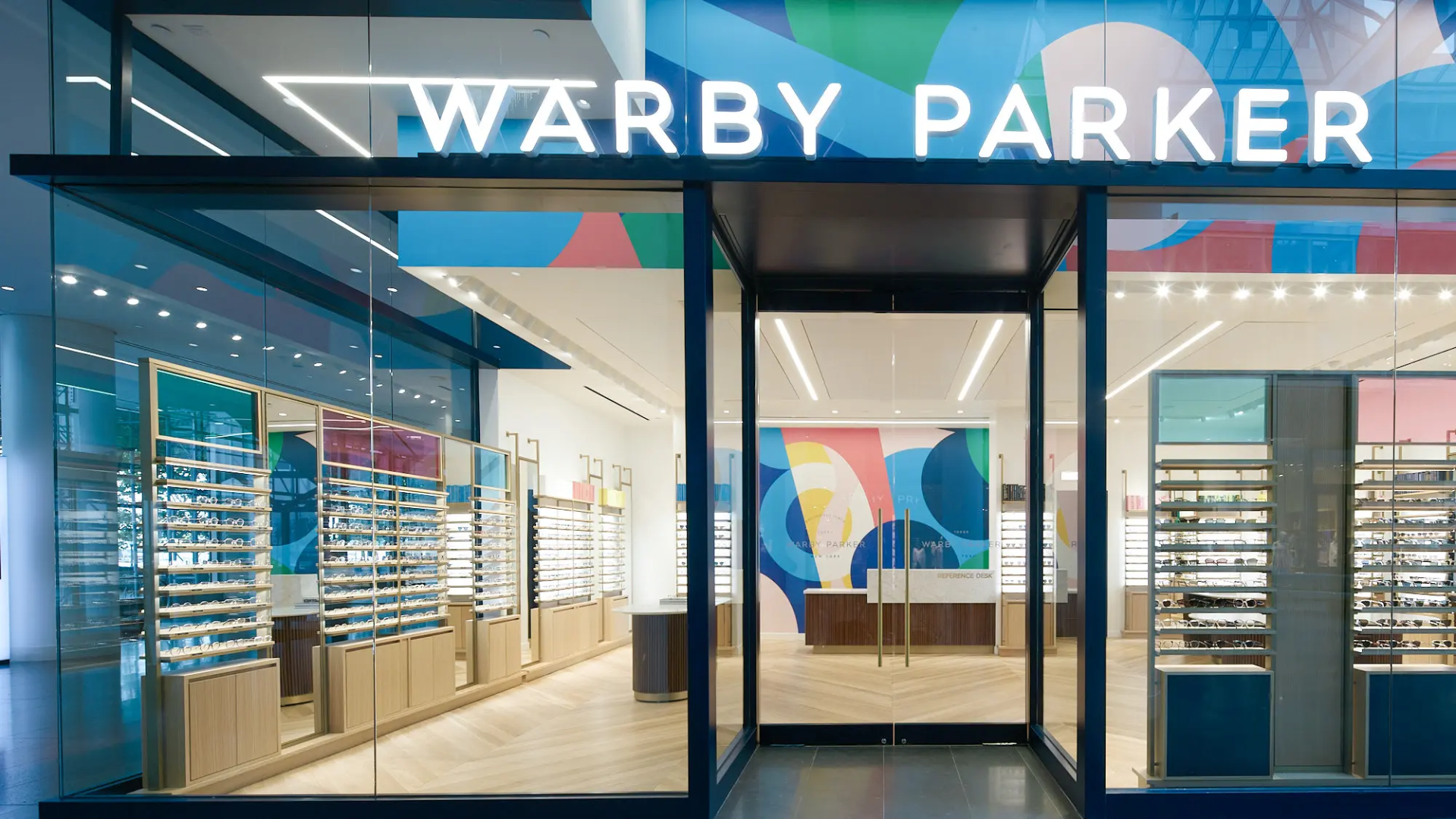
Digital is not a competitor to the physical store, it is an ally, and shelf space is just another example of the power of an interconnected ecosystem.
The Retail Media Network Opportunity
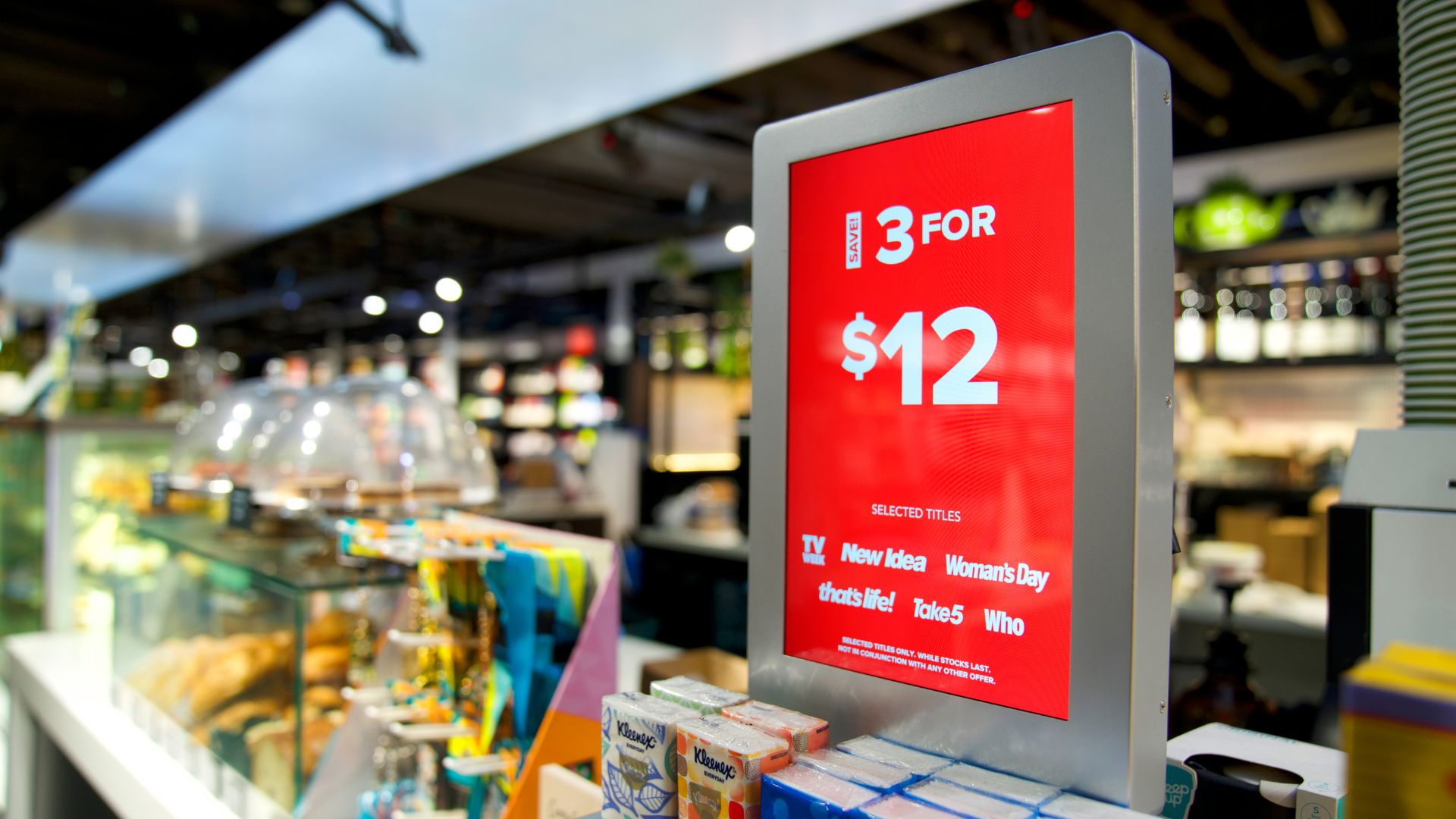
In the evolving shopper landscape, Retail Media Networks (RMNs) are now a cornerstone of retail strategy - and not just as digital activations. Their power lies in the data they generate, which can inform smarter use of physical space. Shelf space may stay the same in volume – but RMN can mean that space is more effectively filled.
And where the networks cannot always be present, RMNs can guide physical strategy. For instance, if media engagement for a new confectionery item drives beverage purchases, co-locating these products in a modular display can generate increased sales.
Packaging as Performance
The final strategy may seem obvious, but brands often overlook it: the product itself must do more. Packaging is no longer just a container - it’s storytelling, education, and media combined. Brands like 19 Crimes use labels to convey immersive narratives, while campaigns such as Coca Cola ‘Share a Coke’ or Cadbury’s ‘Who Did It?’ wrappers turn packaging into social triggers, encouraging multi-unit purchase without taking up extra shelf space.
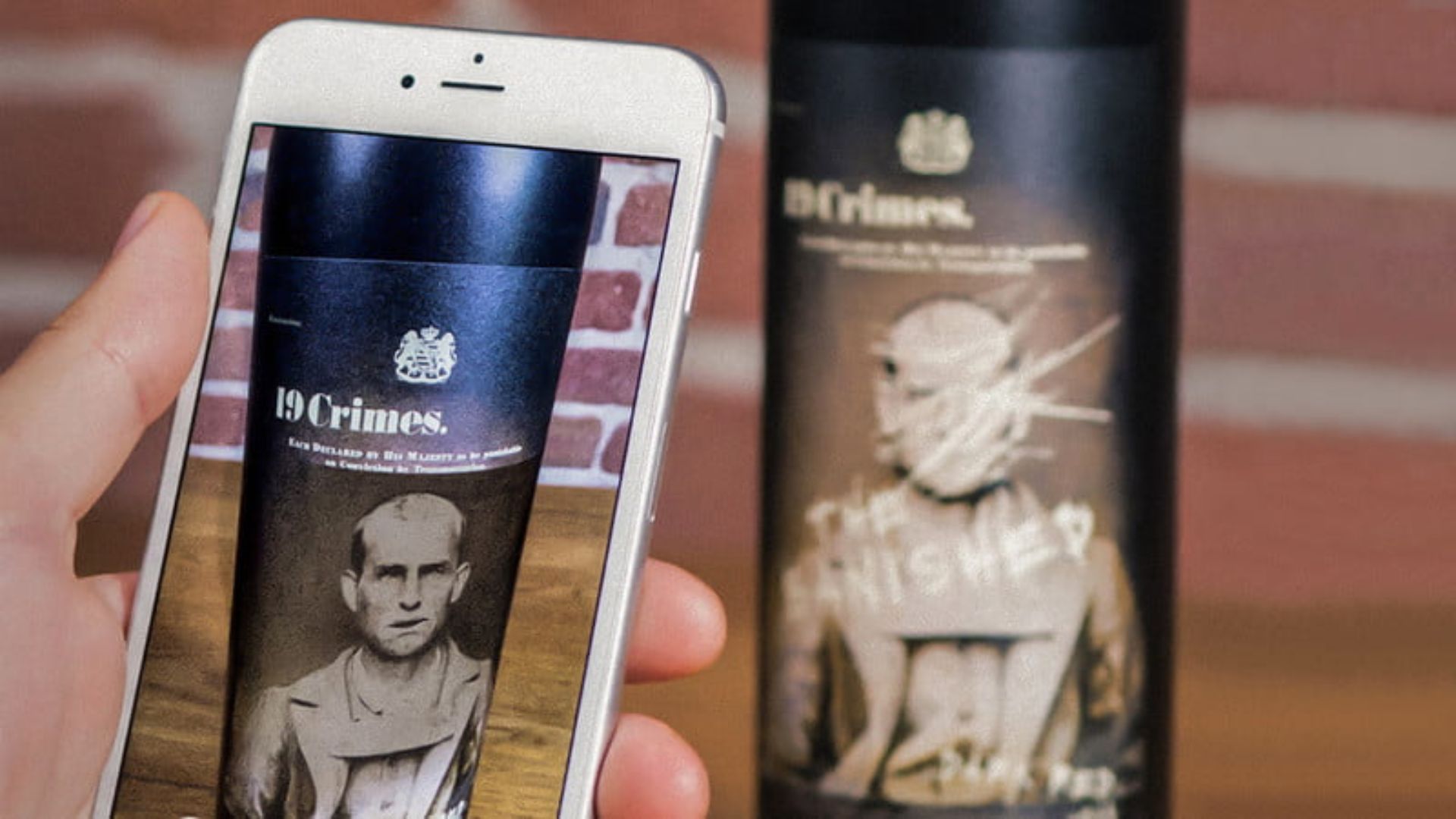
Packaging can also extend lifetime engagement beyond the store in turning consumers into advocates. Limited editions, culturally relevant designs, and collectible formats amplify social currency and hence reach, extending beyond the shelf’s limitations.
Innovative structural design like smarter formats, stackable designs or refill-led systems make every inch of space count, but effective packaging optimisation combines this with marketing insight, to maximise impact.
Let’s not forget the practical as well – as QR codes and SMS text prompts on packaging take the engagement online for consumers to learn more. From product education to portfolio expansion, physical invitations to participate online provide the vehicles for deeper engagement.
The Solution
The future of retail is not about expanding space - it is about expanding impact.
Brands that win in a “shelfless” world will be those that think beyond facings, and design experiences that educate, inspire and convert across physical and digital touchpoints. Shelf space may be finite, but attention, data and creativity are not.
Simplify your marketing execution and increase your performance

By
Nick Cavarra


