
5 Questions to Ask Before Launching Any Seasonal Campaign
by Helena Bush - Marketing & Insights Manager

For fear of stating the obvious, holiday and seasonal moments offer lucrative opportunities for brands. They deliver additional motive to purchase, see consumers in a spending mindset (more open to impulse and upsell), and create new windows of engagement and excitement for brands to enter.
But how can brands maximise the potential of them?
Too often, brands default to seasonal campaigns because “it’s that time of year again.”And these campaigns can fail to deliver real impact - because they start with the moment, not the objective.
Successful seasonal marketing is intentional rather than reactive. It is rooted in strategy of behaviour, rather than habit of the event. Because in a crowded landscape, simply showing up isn’t enough.
Here are 5 questions brands should consider when planning and activation in seasonal windows.
1. What role does this season actually play in our category?
Not every season is directly relevant to every brand. But this does not mean every brand cannot activate at those holidays. It just means they should think outside the box - where they do fit in, rather than forcing where they don’t. Consumers are smart, they can see through it. Showing up is not what will lead to success – considered intent will.

In Practice - Bailey’s. As a beverage it is synonymous with Christmas – a rich and luxurious treat, in-line with indulging the holiday and winter months. But they don’t just want to see in the last 3 months of the year. So how could they show up in other moments?
Rather than forcing the same drink proposition in a moment it doesn’t fit, Bailey’s looked to the holiday’s behaviors/preferences where they could fit. From creating fresher flavor variations for summer like Strawberries and Cream, to positioning as an ingredient as well as a drink – Bailey’s Cheesecake to take to the summer BBQ anyone?
2. What specific behaviour are we trying to drive?
In the crowded market of seasonal hotspots, awareness will not cut it as strategy. The campaign goal needs to be specific – trial, trade-up, gifting, basket size? Brands need to target a behavior and lead with that, rather than leading with the general sentiment of the season itself, and buying ‘just because’.
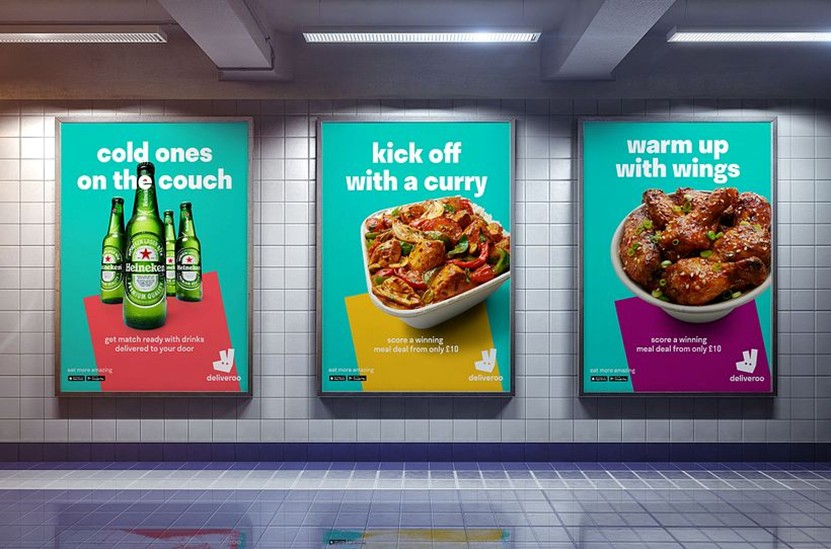
In Practice – Deliveroo with the Euros. Rather than just jumping on buzz and excitement of the major event, without much intent, Deliveroo looked at specifically where they could fit in, and what they wanted consumers to do as a result of the seasonal moment.
So with the social nature of sports viewing, they target those watching the game together with friends, and how they could support customers in that moment (i.e. allowing everyone to have something they desire, and saving someone having to go out and get food and miss the game). They chose a specific element of fan interaction to utilise the seasonal/event buzz, to narrow their audience target
3. Why would consumers choose us at this moment?
Seasonal brand clutter is vast – customers need a reason to choose a certain brand. If the campaign could belong to any brand, it is forgettable. Brands need to home in on how their identity supports or elevates a seasonal moment. This could be functional (price, convenience, innovation) or emotional (nostalgia, reward, togetherness). But it needs to be clear.
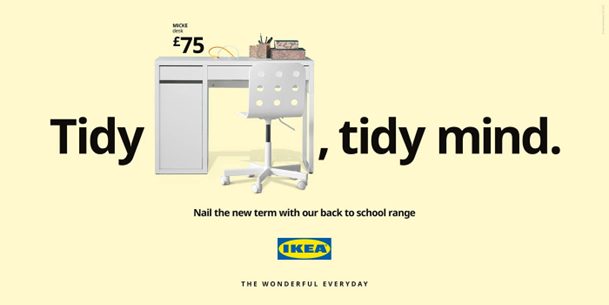
In Practice – Ikea for Back to School. Ikea’s aesthetic is all about clean simplicity, minimalism, and ease. For Back to School, this is exactly what busy parents need and want – they don’t want a chaotic supermarket or department store.
Ikea leans into this fresh mindset – offering supplies and replacements that are practical, an campaigns they are simple and to the point. Everything has a clear place in the moment ; brand identity and seasonal motive align.
4. Where does this campaign need to show up to influence decisions?
Where a campaign or brand shows up is just as important as what it says.
What touchpoints will consumers connect mostly strongly with in the seasonal opportunity with? And not just physically or in-store, but along the whole seasonal journey. Impulse vs pre-planned? Build Up vs Big Day?
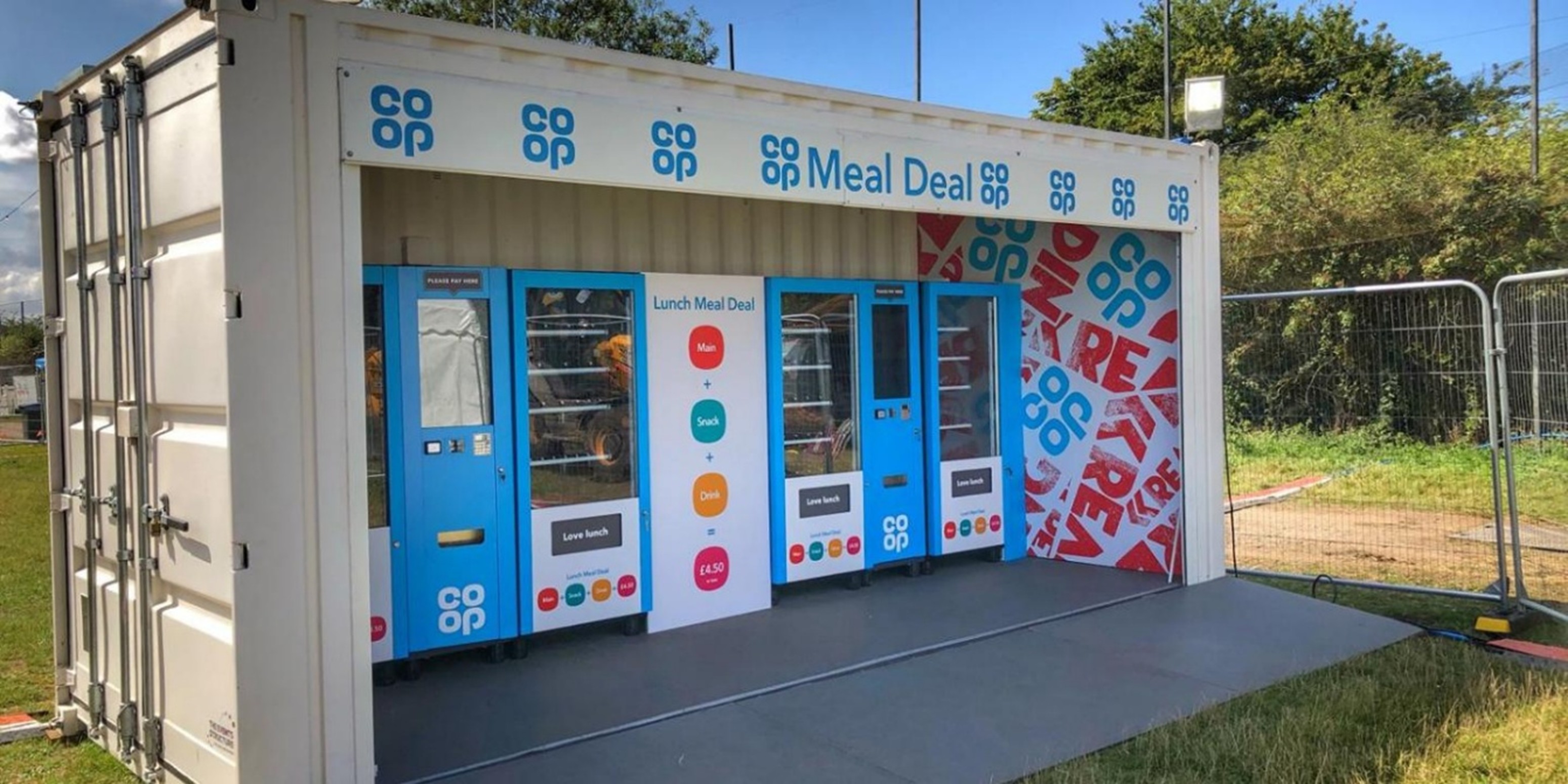
In Practice: Coop at Reading Festivals. Coop launched a ‘Meal Deal’ vending machine at Reading Festival a coupe of years ago. Rather than just being present up at the event (or engaging in pre-event marketing), that looked at exactly where and what consumers needed from them in this seasonal festival moment.
The answer: quick, spur-of-the-moment convenient food, without the long wait. A vending machine at a festival delivers this perfectly.
5. How can success continue beyond the campaign window?
The most effective seasonal campaigns live on after the peak moment/event itself. Is the campaign either targeting repeat behavior, creating memorability and association for future events. Seasonal campaigns can target new customers through offering in a new window of opportunity, but how can they ensure they turn this into long term loyalty.
The key is in strategically also conveying their overall brand identity and USP within the seasonal campaigns.

In Practice – John Lewis at Christmas. John Lewis’ Christmas campaigns and advertising have become so iconic they are now anticipated. But part of the reason they land every year, is through expertly conveying the overall brand identity: a trustworthy home and lifestyle partner that puts family experience and sentimental moments at the heart.
The brand may not be the cheapest, or most innovative and unique in its sector, but they are reliable, prioritizing moments that really matter. And their seasonal campaigns always reflect this, with messaging that transcends beyond the holiday moment, leading consumers to return again and again.
Simplify your marketing execution and increase your performance


