
4 Trends That Will Shape Consumer Behaviour in 2026
Consumers have never had more power in shaping the marketing landscape. In a world of constant noise and channel saturation, loyalty is no longer driven by innovation alone, but by emotional intelligence.
Consumers aren’t chasing more - they’re chasing better: better moments, better feelings, and better use of their time and money.
As life becomes faster and louder, the brands that win aren’t the flashiest, but those that listen, understand, and respond to real human needs.
Based on shifting motivations seen throughout 2025, these four trends will shape how consumers engage, spend and advocate in 2026.
1: Evolving Exclusivity
Exclusivity still matters - but it’s no longer defined by price. It’s defined by experience.
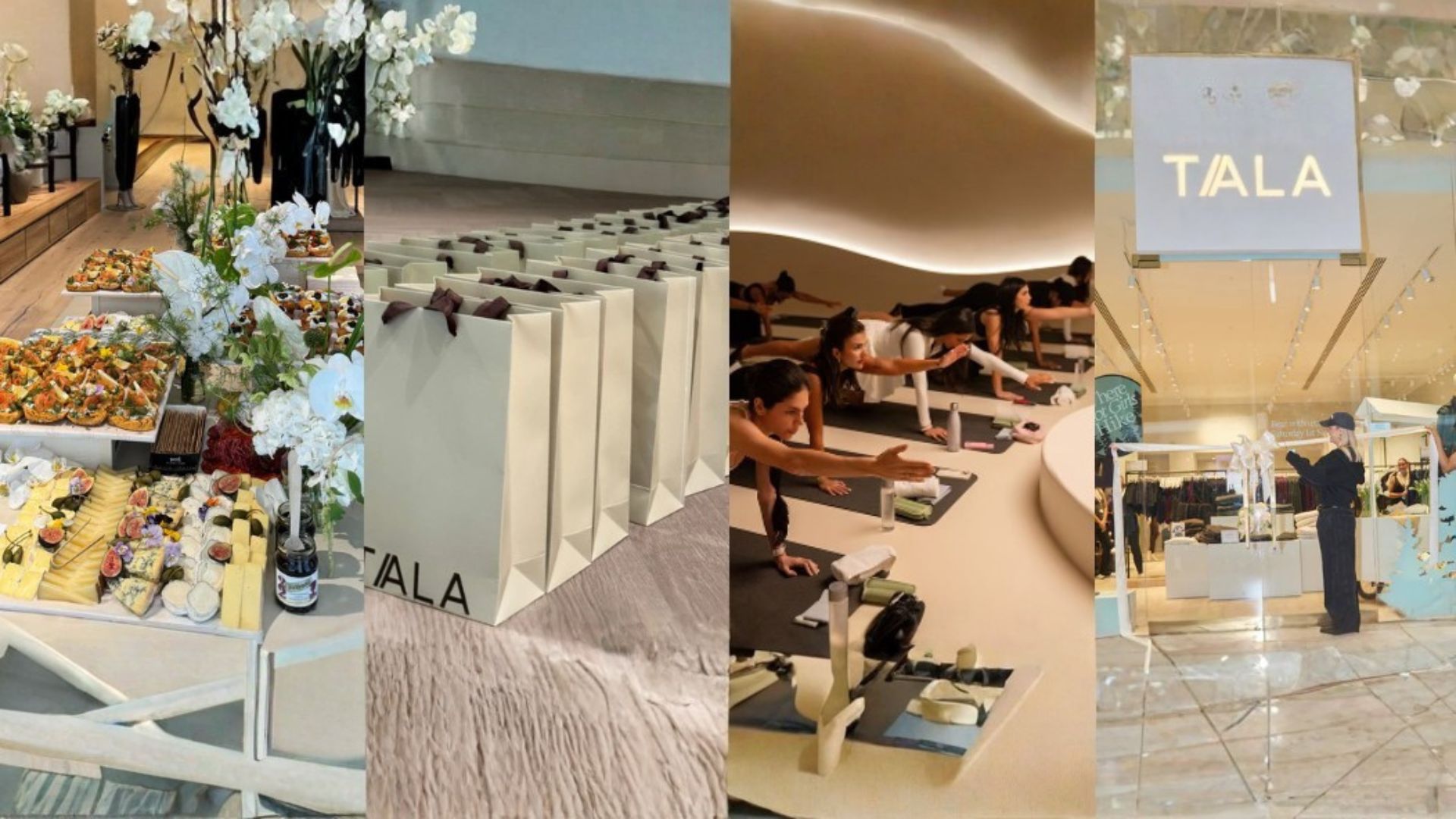
The experience economy is resulting in memories being valued over possessions; brands are launching activations and pop-ups not just to sell their product, but as destinations for shoppers to visit and remember.
‘Quiet Luxury’ reflects this shift: status is no longer loud or logo-led, but subtle and internal. Exclusivity is personal and internal, not an external display anymore. It explains why one-off activations and spontaneous events are thriving - not because the product is scarce, but because the experience feels rare and meaningful, and unique to the shopper.
And in practical terms, exclusivity doesn’t have to be logistically challenging or high-cost to brands. Early access, private content or loyalty-first rewards can all fulfil the same emotional desire. For their Black Friday Sale, TALA opened their activewear discounts early for loyal customers, whilst UK Soccer App Cleats Club lets users access their Players’ Lounge which includes exclusive content directly from players.
Exclusivity is all about making your customers feel valued – and feeling valued in a world of so much oversaturation is what will make brands stand out.
2: Social Currency is the New ROI
The most powerful marketing channel right now is not a media platform brands can control – it’s customers becoming brand advocates.
Shareable moments generate advocacy, which is why simply following trends is not the answer. Brands need to create experiences and relationships that consumers and customers want to share, and not just in silos, but regularly.
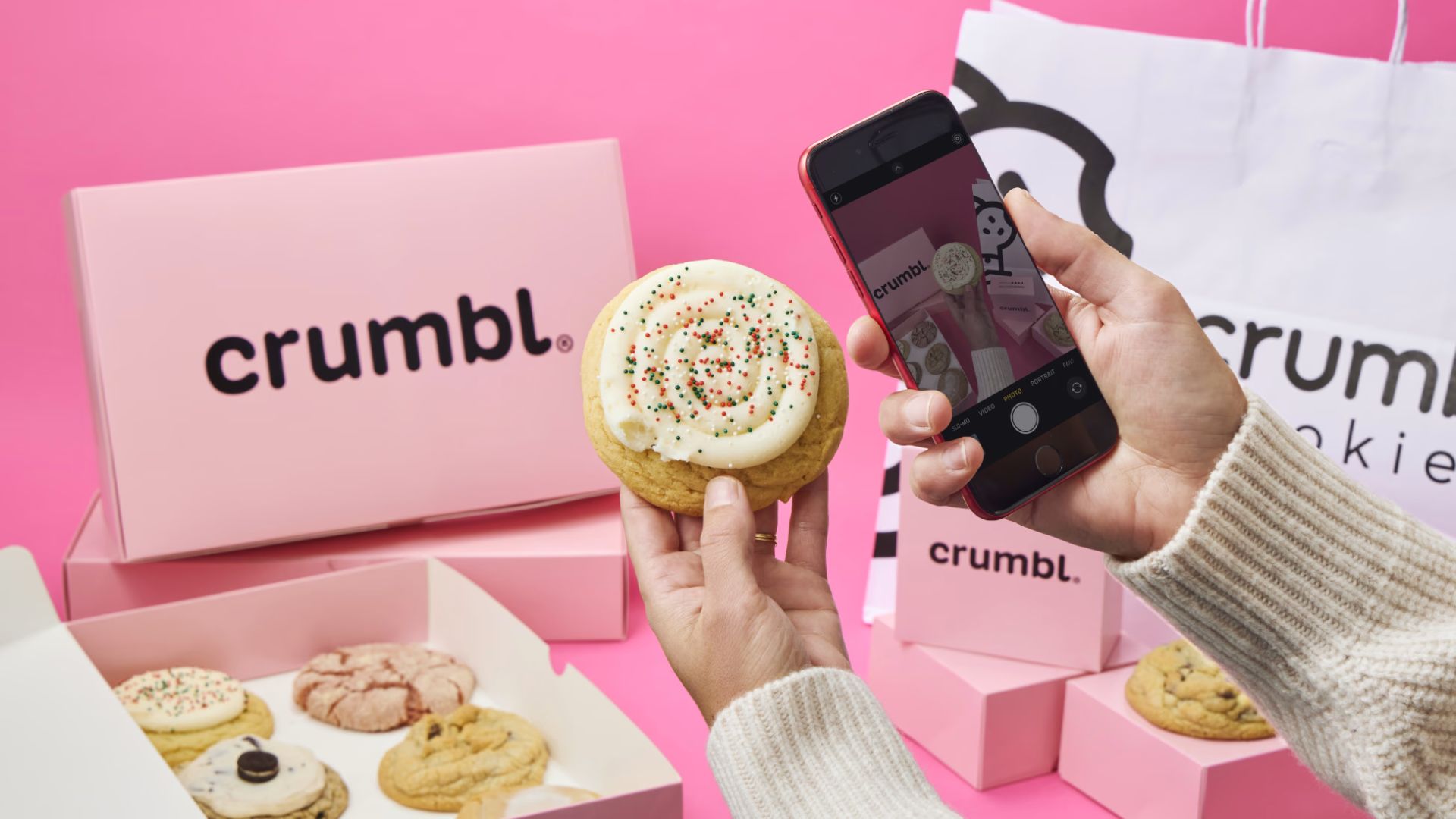
A showcase example is Crumbl Cookies. Realising their extravagant, novelty-themed cookies are ideal for the TikTok generation, they release weekly new menus for fans to share taste-tests with millions online. And even using traditional methods can achieve this. Take Love Holidays live billboard - innovation within traditional OOH that was not only caught the attention of passersby, but so much so, they shared on social media. In parallel, Spotify Wrapped showcases this in digital - the topic of every conversation and Instagram story is who’s their most played artist.
When brands create moments worth sharing, they unlock new reach and authenticity, but more crucially - without direct cost. In 2026, brands who win will have social currency as part of their strategy, not a happy by-product.
3: Slowing Down
A wellness consciousness looks ingrained into modern consumer behavior for the foreseeable, and the next evolution of self-care has never been more emotional.
As consumers push back against hustle culture, ‘Slow Living’ has moved into the mainstream. People are seeking calm, clarity and relief from overwhelm.
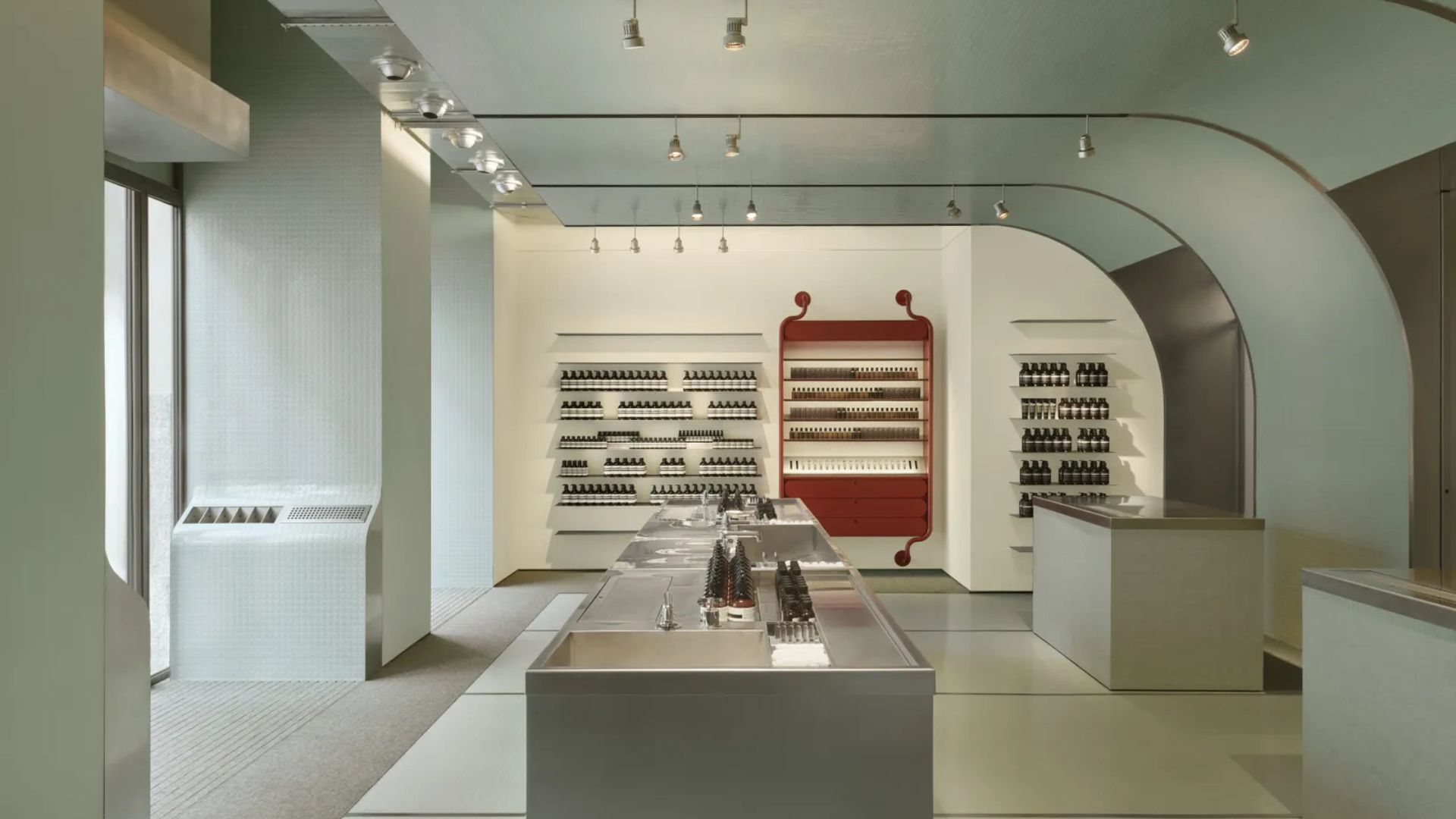
This is visible in the evolution of the retail store. More brands are opting for tranquil, serene spaces over loud, harshly lit, sensory overload. The days of the infamous dark Hollister stores have been left firmly in the 2010s – now we see minimalism and spaciousness from brands like Glossier and & Other Stories, to natural-inspired havens from Aesop and The North Face.
Consumers don’t want the overwhelm they experience in daily life from brands as well, and so in creating spaces that facilitate this, brands position themselves as reliable and empathetic partners to consumers.
Convenience, in this context, is also a form of self-care. Brands that reduce friction, simplify choices, or make life easier are rewarded not just with transactions, but with loyalty.
4. IRL & Digital as Partners, Not Rivals.
Since the pandemic, it is unsurprising in-real-life (IRL) engagements are what consumers desire. But an often-overlooked reason why IRL resonates so well is that it can do what digital can’t – show in its rival’s space.
Consumers aren’t craving real-life moments because they want to escape digital - they want experiences that translate into virtual worlds. Digital can’t enter real life, but real life can dominate digital feeds, and an omnichannel mindset must sit at the heart of brand strategy.
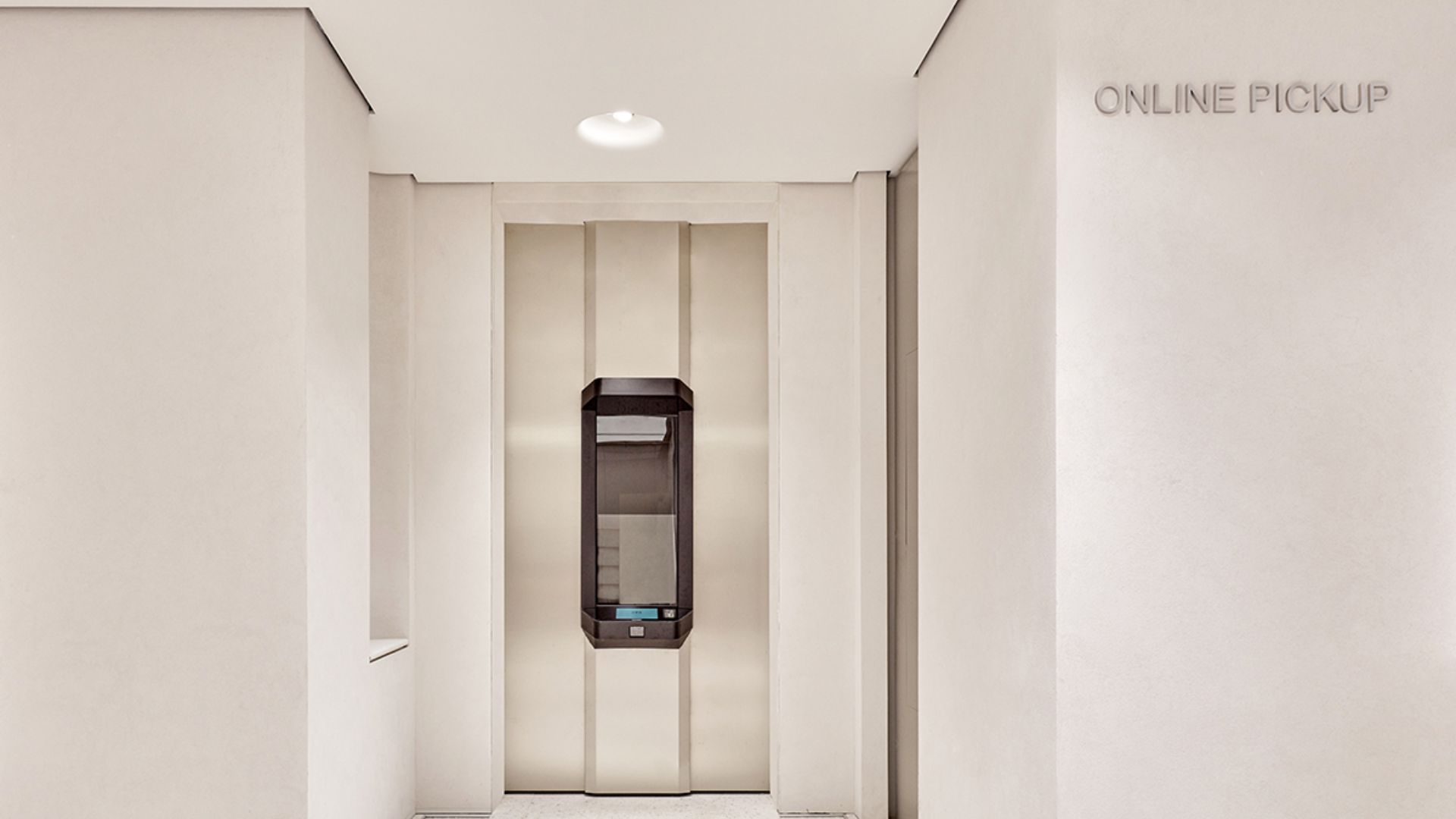
Zara exemplifies this fluidity, recognising that while consumers still want to try on in-store - something digital can’t truly replicate - they often prefer the ease of online browsing. Its app allows customers to shop by local store, order ahead and collect the same day, without the hassle of transaction and return. Similarly, Anya Hindmarch’s Ice Cream Project may exist as a physical pop-up, but its true scale is unlocked digitally. Designed for shareability, the IRL experience fuels social content, cultural conversation and brand reach, to make the brand a talking point online and a destination IRL.
The narrative that physical and digital experiences compete is outdated. In reality, they fuel each other.
The Overarching Takeaway:
In 2026, the brands that lead will be those that design for emotion, experience and relevance - creating fewer, better moments that people choose to engage with, remember and share.


