
What Is ‘Zebra Drinking’? And Why Alcohol Brands Can't Afford to Ignore It
by Helena Bush - Marketing & Insights Manager
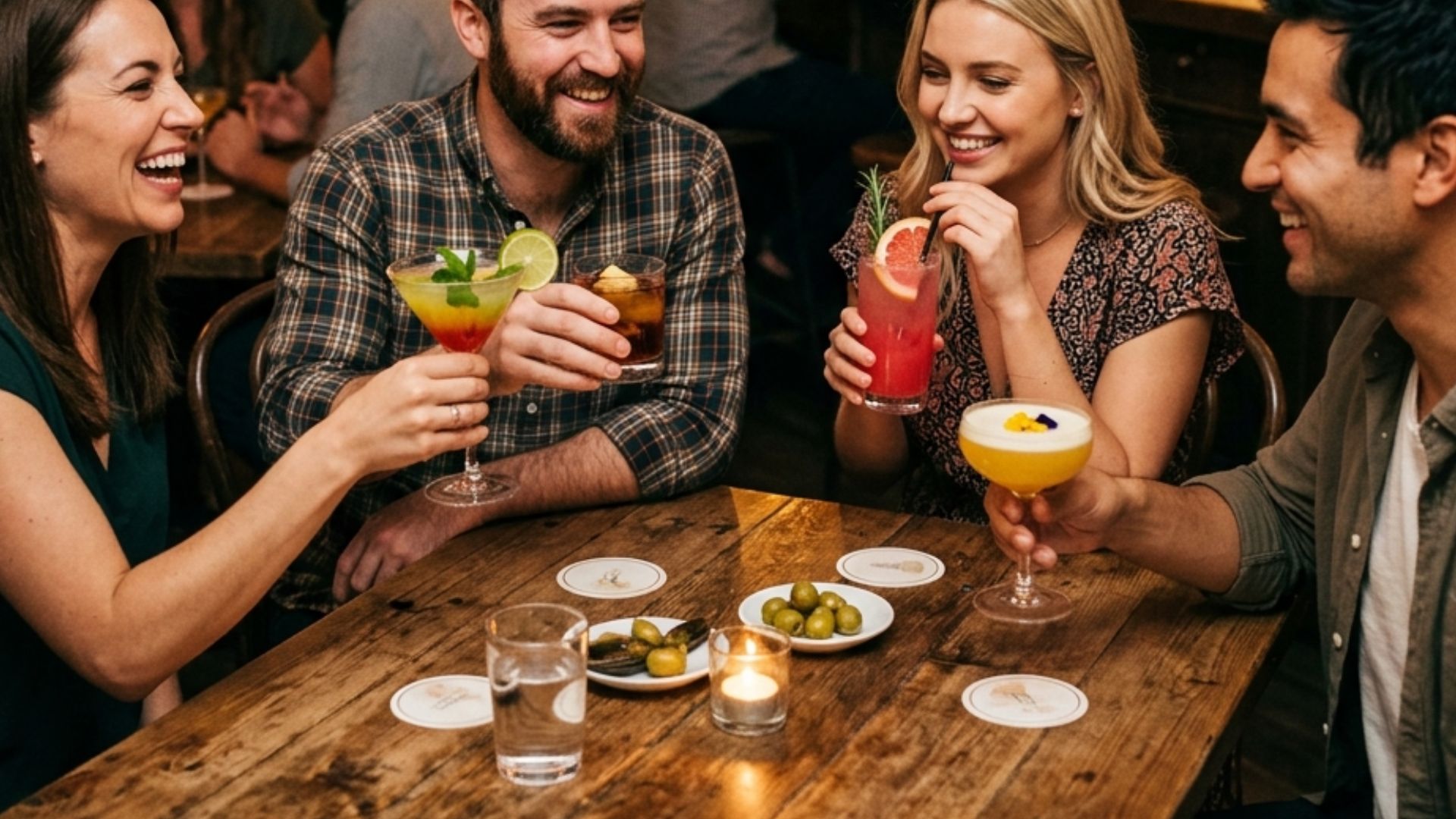
There's a new pattern of drinking behaviour from consumers – and it’s one that’s an opportunity for brands.
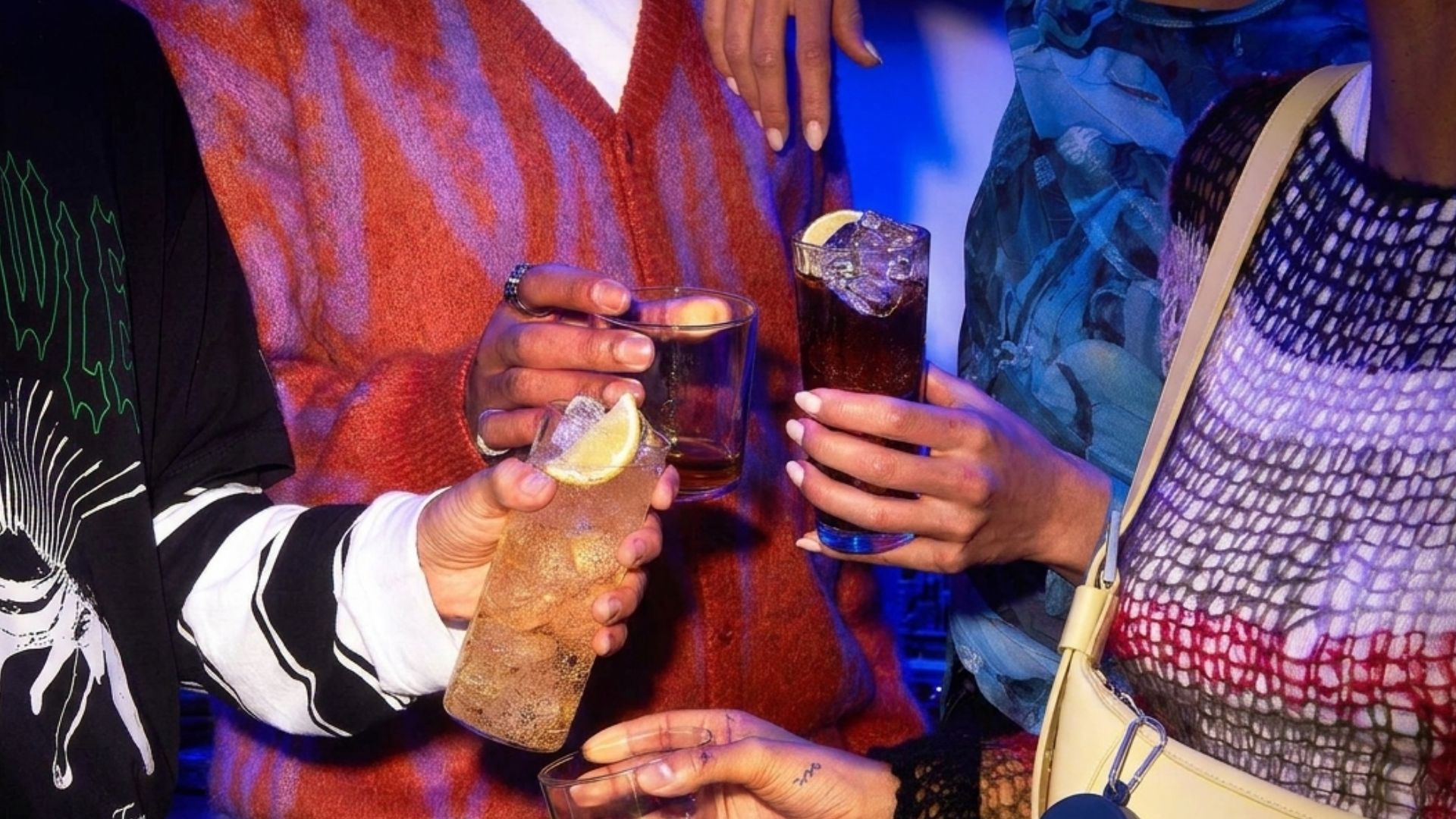
‘Zebra drinking’ describes an alternating practice of consumption as the name suggests. Zebra drinking consists of drinkers switching between alcoholic and non-alcoholic beverages during a single occasion. One drink on, one drink off.
It is moderation in practice; directly highlighting how the increasing desire for no and low alcohol drinks is not solely driven by the sobriety cohort, but by the average consumer - just seeking to improve their drinking experience.
This isn't a niche wellness trend or a January habit. It's a structural shift in how people consume alcohol, and it's happening across age groups, price points and occasions
The Data
Consumer consumption is undergoing a shift and it is clear to see. Among those who consume alcohol at least occasionally, 53% say they are actively trying to cut back - up from 44% five years ago.
As a result, non-alcoholic spirits sales grew by 17% in total volume, non-alcoholic RTDs by 14%, and non/low alcohol beer by 11%.
And the broader category is under pressure. The alcoholic beverages industry saw total volume growth of just 0.6% in 2024. (Euromonitor International, 2025)
But most crucially, zebra drinkers are not abandoning alcohol. 94% of non-alcoholic beverage buyers said they continued to purchase alcoholic beverages alongside NA alternatives (The Food Institute, 2025) Hence this shows to brands they do not need see the increased curation of drinking as a threat, as the desire is still there. The key is to adapt.
Zebra striping represents a dual purchase occasion. The consumer isn't replacing the product; they're expanding their repertoire. Brands should see this not as a decrease of spend in one area, but the opportunity to win all areas – both ‘stripes ‘of the pairing. It is an opportunity for brands to share new drinks and serves with their customer; to show their diversity as a brand, and that they can be trusted to truly hear their audience and build loyalty and relationships.
Those Already Winning
On-trade, many bars are already creating options to offer both the alcoholic and non-alcoholic options for consumers. Archer Street (UK) names its alcoholic drinks after songs and then creates a non-alcoholic dupe after the artist – take the ‘Espresso’ Martini’s 0% alternative, the ‘Sabrina Carpenter’. This supports drinkers to easily alternate should they want to stay on the same flavour profile of drink and prolong their experience. Spirit brands themselves have the opportunity to take inspiration from establishments and create matching 0% serves to their signatures.
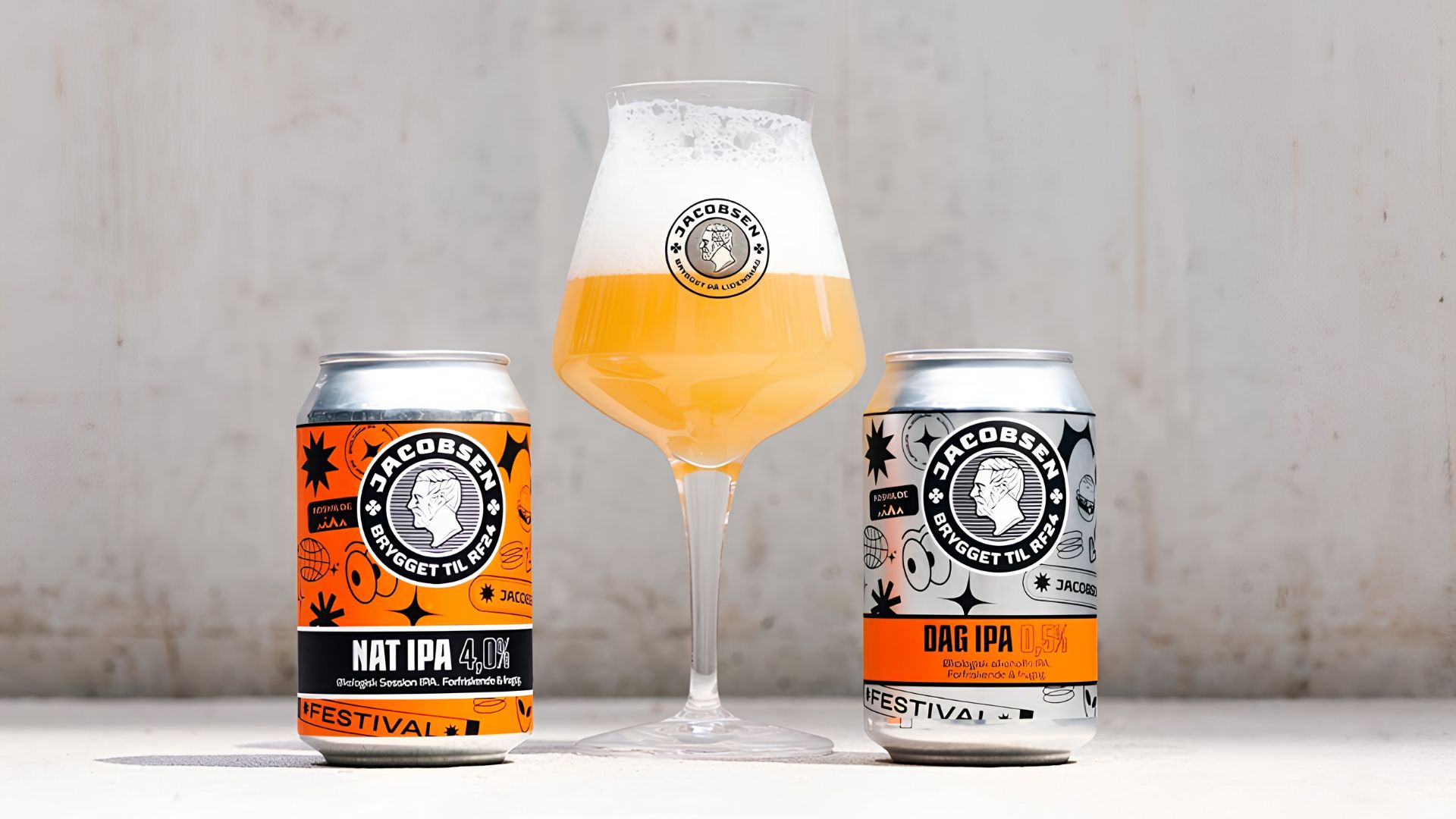
In the beer category, Carlsberg have already demonstrated a strategic example of this. At Denmark's Roskilde Festival, Carlsberg launched a "Day" and "Night" version of the same beer; Festivalgoers could choose from the Jacobsen DAG (Day) IPA and NAT (Night) IPA, the former being alcohol free but based on the same recipe.
Meanwhile, Heineken have matched this position with the ‘0.0 Reasons Needed’ campaign which encourages consumers to drink it whenever they want, with no explanation required. It shows an equal drive to their non-alcoholic option as their full strength beer, to encourage consumers to choose them for both occasions.
The Opportunities
On-trade, brands and bars must look at how they can convey to consumers that they can facilitate both sides of the coin – capturing both the alcoholic and non-alcoholic drinkers. New serve strategies, promotional deals, and menus that seamlessly blended both drinks will be those that resonate with visitors.
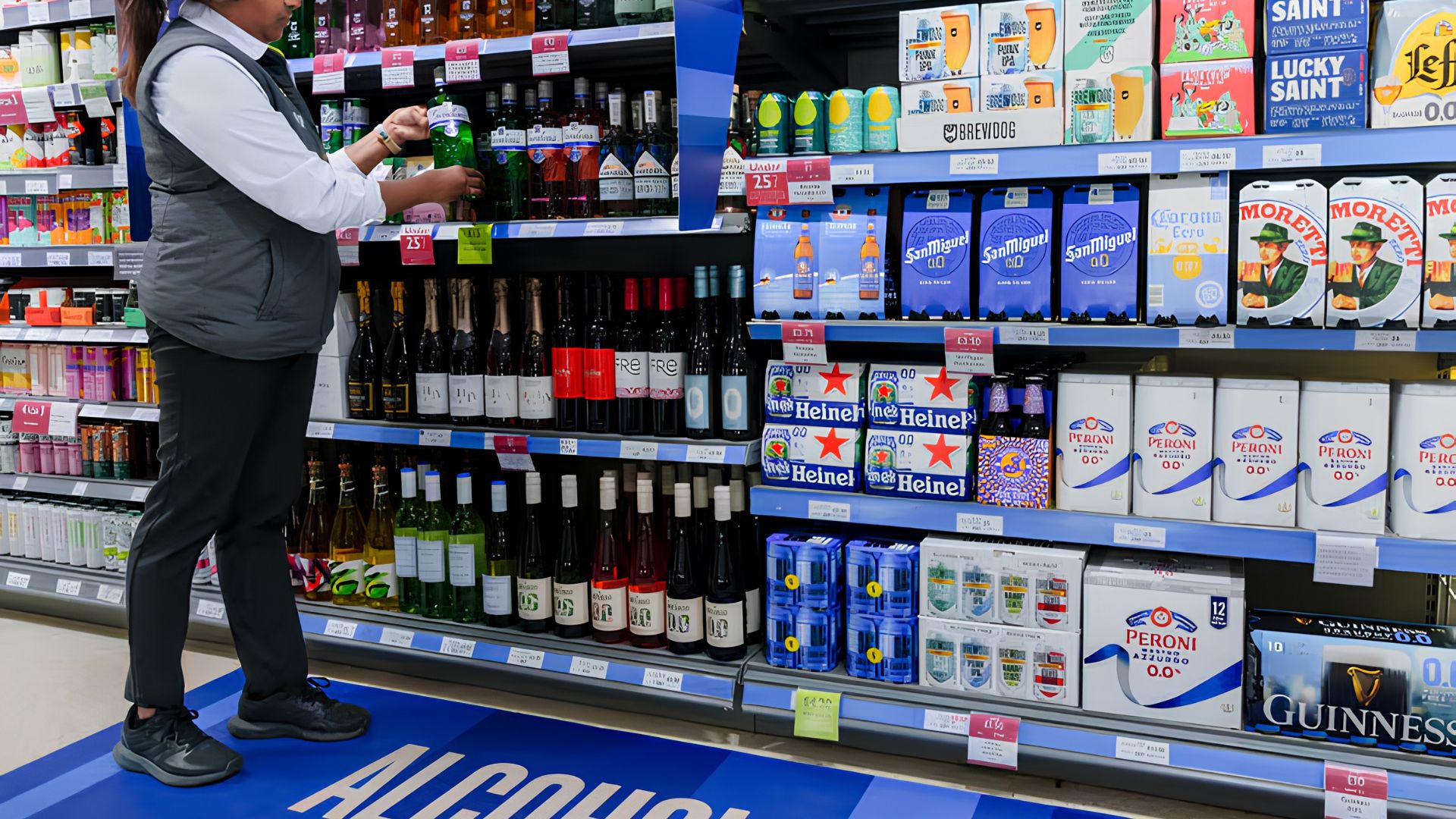
In retail, zebra striping has significant implications beyond just the product - it changes how ranges should be displayed, POS should be designed, and occasions communicated. Retailers should consider signage and cross-merchandising to highlight how 0% products fit into modern drinking occasions and offer pairings to browsing shoppers. By presenting them as complements rather than alternatives to alcohol, retailers can capture the growing cohort who want both.
As categories continue to blur between even further (with healthy functional drinks, low-alcohol RTDs, and emerging hybrid formats), brands that leverage the full creative potential of their campaigns, packaging and POS will be best placed to capture the shopper open to guidance.
What This Means for Brands in 2026/27
Zebra drinking isn't a passing habit. It's a reframing of what a drinking occasion looks like - one where the expectation is choice, not commitment to one side of the fence.
The brands that will win are those that build for the full occasion, not just the alcoholic moment. If there is a no/low SKU, it should feel like a companion to the hero product, not an afterthought.
The consumer isn't drinking less in the way brands feared. They're drinking differently. And that difference is, for the brands paying attention, a significant commercial opportunity.
.
Simplify your marketing execution and increase your performance


