
What Is Quiet Luxury, and What Does It Mean for Brands?
The trending term ‘Quiet Luxury’ arose out of the fashion industry, but its impact and importance has become much greater.
A shift in consumer psychology, and one all brands should be aware of for connecting with customers, it offers a new growth opportunity as a key trend in consumer behaviour.
So what does it mean, and how can brands leverage its potential?
What do we mean by ‘Quiet Luxury’?
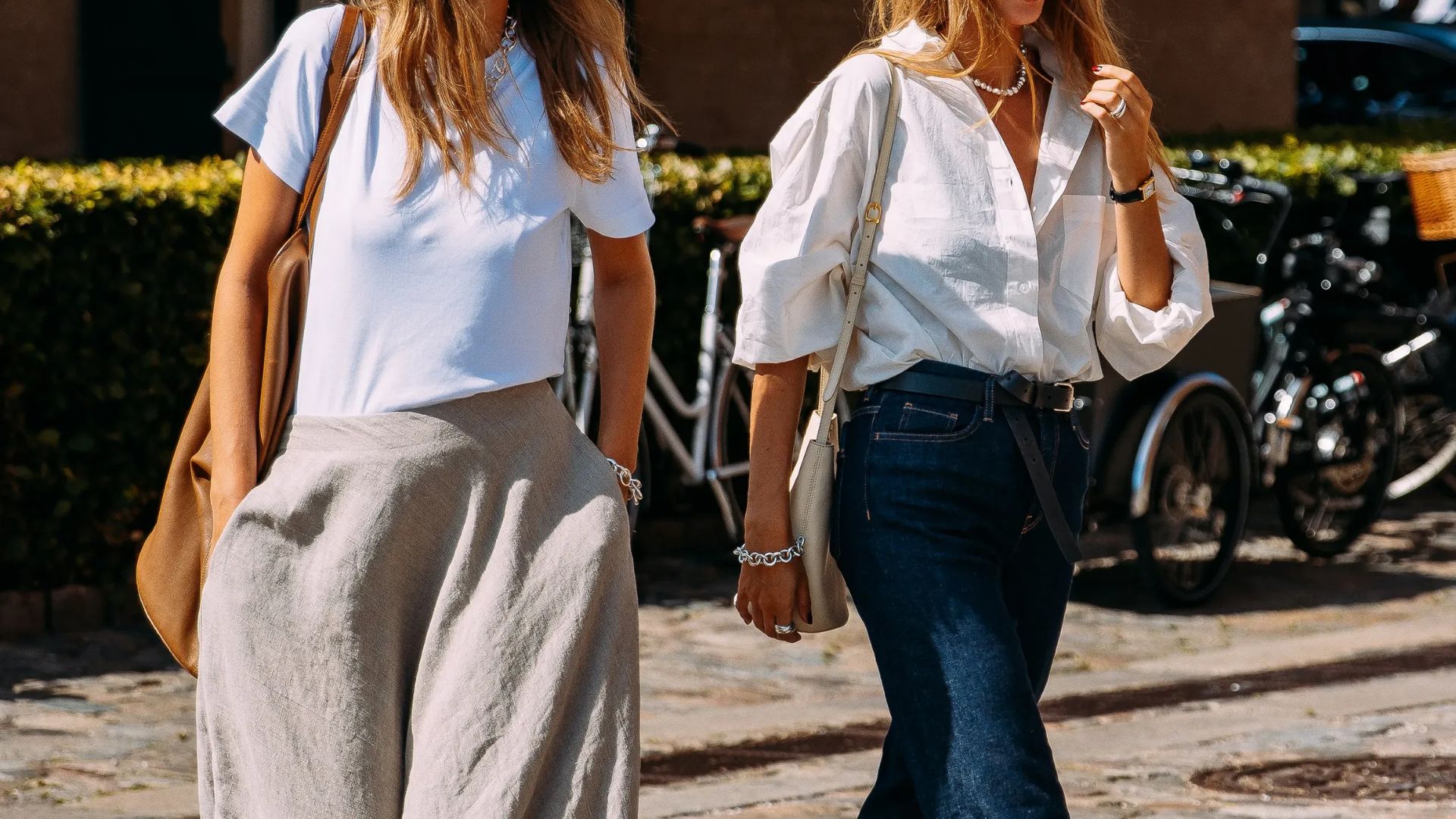
The term ‘Quiet Luxury’ describes the preference for products and experiences that signal value and status through smaller, more nuanced and curated marketers, rather than overt and over-the-top displays of wealth. This materialises as quality, craftsmanship and brand story over big logos or cliche status cues.
Originally a fashion term to describe more understated designer apparel, the practice has filtered into many other sectors, from travel, to food and drink, to hospitality, and beauty.
It is about how luxury no longer shouts but politicly asserts presence to those who notice. The product speaks for itself; the consumer doesn't need anyone else to instantly recognise it to feel its value.
And consumers - especially those with high spending power - are seeking out this quality, craft and discretion.
What This Means for Brand Marketers?
This shift challenges one of marketing activation's biggest assertions: that the most effective touchpoint is always the biggest, boldest one.
Marketing activation has traditionally relied on scale, dynamics, and visual stopping power to win attention. But in the oversaturated market, this is no longer always the case. Instead, brands should rethink where impact actually comes from.
Brands Already Embracing the Approach
Across beauty, drinks and retail, leading brands are already building activation around restraint rather than scale.
1. Material Over Messaging
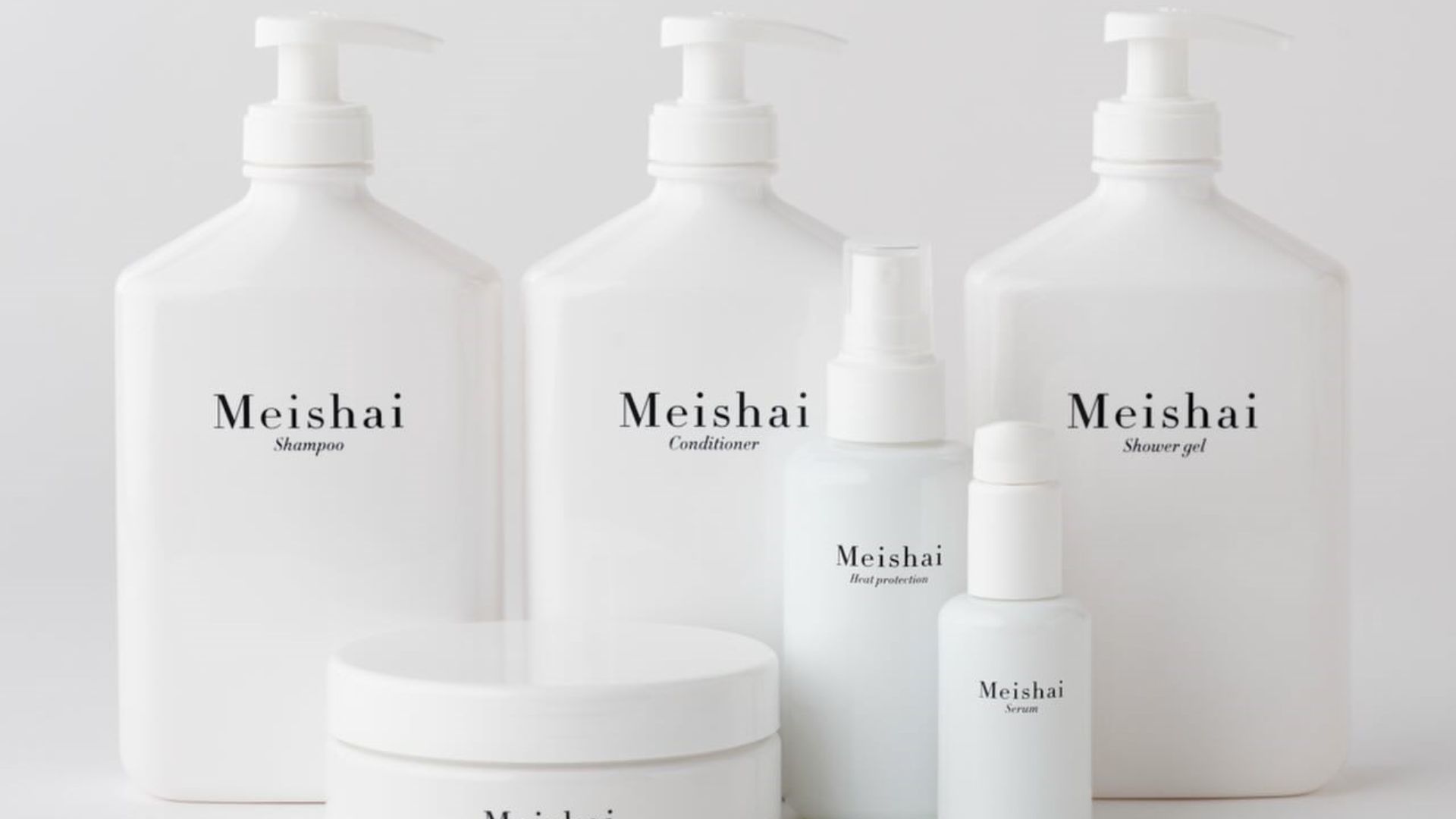
Brands are embedding premium cues directly into the product itself, rather than relying on packaging graphics or claims to make the case. A refillable aluminium case, or a closure engineered for a specific weight and tactile response, can do more to convince a sceptical consumer than branding would.
This is most clearly reflected in the minimalization of beauty packaging. Glitzy gimmicks have been left behind in favour of minimal, medically inspired design - a shift that reinforces what matters in premium skincare: effectiveness, scientific credibility and ingredients that do the job. The packaging is quiet because the formulation no longer needs to shout.

2. Scarcity as Craft
Limitation suggests curation. A capped run signals to consumers that a product was made with intent, not mass-produced to meet demand - implying the brand cared enough to stop rather than scale
Glenfiddich has built much of its premium positioning on this principle, regularly releasing limited cask-finish and age-statement expressions rather than expanding their volume. Each release reinforces craft and provenance over availability, turning scarcity into a signal of quality rather than a marketing ploy.
3. Service as Signal
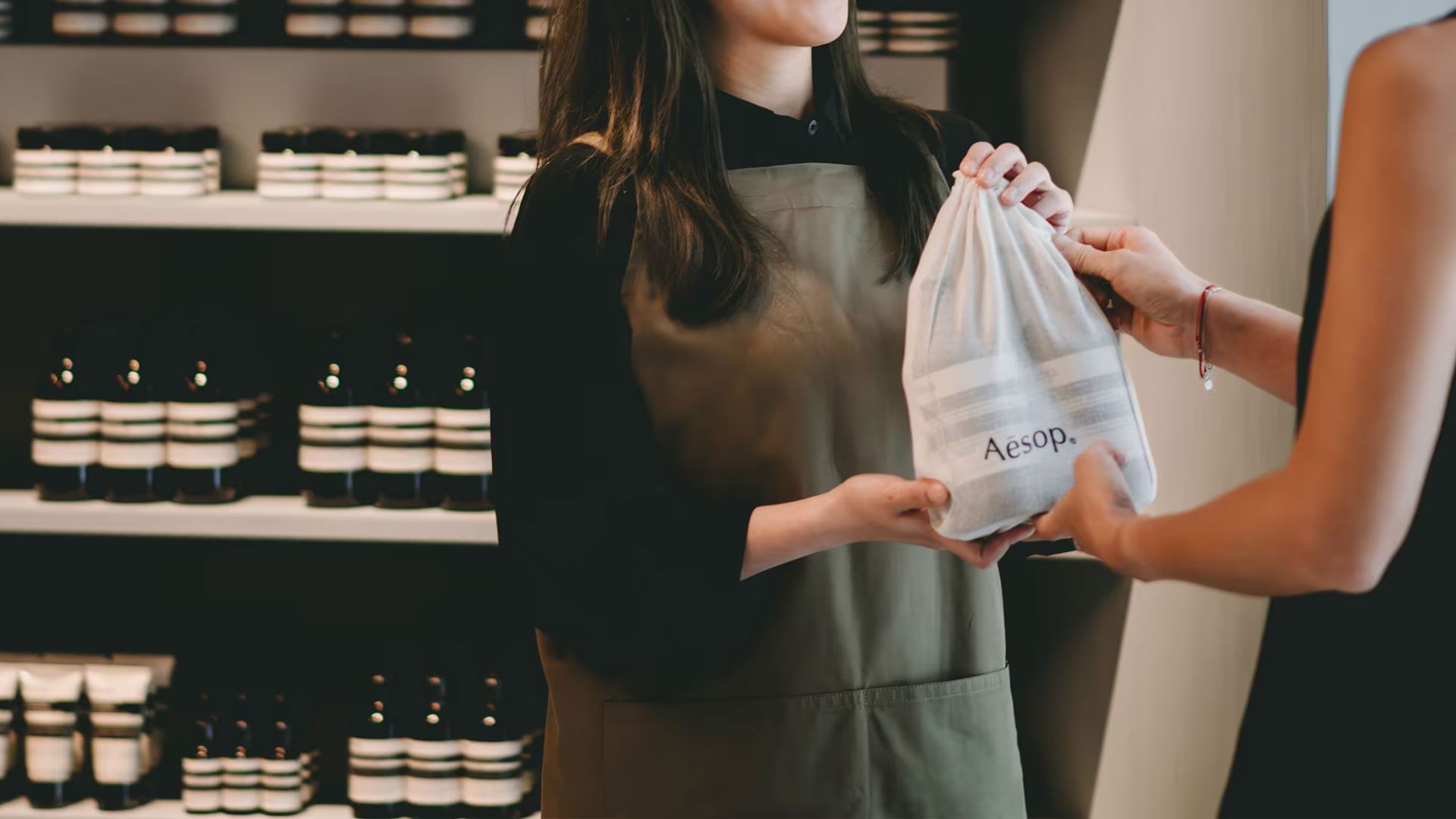
A unique, expert-led experience signals high-end positioning more effectively than spend on the room itself. Many luxury brands want the customer to spend money in-store - but it's the quality of the interaction, not the price tag, that can earn that loyalty.
Aesop is a great example of this in beauty retail. Its in-store consultants are trained to guide rather than sell - asking about skin concerns and routine, offering a small ritual (a hand wash at the sink) as part of the visit, and treating the conversation, not the transaction, as the product. The store rarely shouts; the expertise in the room does the convincing.
4. Sampling Over Spectacle
The Macallan delivered an experiential retail activation at Selfridges for its limited-edition expression A Night On Earth In Jerez — a sampling-led installation, not a spectacle. The result: a 100% increase in purchases on sampling days versus non-sampling days. The brand let the liquid do the convincing, reinforcing its luxury positioning in a luxury retail environment rather than competing for attention through scale.
Designing for a Restraint-Led Audience
Quiet luxury doesn't mean the end of impactful activation. It marks a shift in what impact actually looks like.
For brands, the challenge is this: how do you create activation that still cuts through, without relying on the scale that used to be the default?
The answer lies in designing for quiet impact:
- Material and finish that reward closer attention
- Fewer touchpoints, executed with precision
- Scarcity and exclusivity used deliberately, not as a budget shortcut
Because the line between deliberate restraint and a cut corner comes down entirely to execution.
Done badly, quiet luxury activation just looks like under-investment, lack of thought, and a negative perception of minimalism.
Done well, it's the brands that prove they understand exactly what reasonate with their target audience.
Simplify your marketing execution and increase your performance


