
What is CRM marketing?
Strategy, channels, examples – and why it’s not just email.

CRM marketing uses customer data to build lasting relationships across every stage of the customer lifecycle. Discover what it involves, how to build an effective strategy and what good looks like in practice.
Right now, brands have more customer data than ever before. The challenge isn’t collecting it – it’s using it effectively. Many businesses have invested heavily in CRM platforms, customer databases and marketing technology, yet still struggle to deliver the right message at the right time. Communications feel disconnected and opportunities to build loyalty are missed. This is where effective CRM marketing comes in.
Key takeaways
-
CRM marketing combines customer data, technology and communications to build stronger customer relationships.
-
A successful CRM strategy aligns communications to different lifecycle stages and customer behaviours.
-
CRM marketing includes segmentation, personalisation, automation and measurement.
-
Channels like email, SMS, push notifications and in-app messaging work together to create connected experiences.
-
Strong CRM programmes combine the right strategy, platform and ongoing optimisation.

What is CRM marketing?
CRM marketing is the practice of using customer data, strategy and technology to manage customer relationships throughout the full customer lifecycle.
When used effectively, it helps brands turn customer data into meaningful relationships. It connects strategy, technology and communications to create experiences that feel relevant throughout the entire customer lifecycle. From acquisition and onboarding through to retention, loyalty and re-engagement.
CRM marketing strategy
An effective CRM strategy starts with understanding the customer journey. Before selecting channels, campaigns or platforms, brands need to understand how customers move through different lifecycle stages and what success looks like at each one.
In practice, a CRM strategy typically involves:
-
Defining customer lifecycle stages
-
Setting objectives for each stage
-
Identifying key customer behaviours
-
Mapping communications to those behaviours
-
Selecting the right CRM platform to support delivery
At adm Indicia, each strategy always starts with a simple question: what customer behaviour are we trying to influence? From there, we begin to build programmes that align communications to customer needs, business objectives and lifecycle moments.
What CRM marketing actually involves
Successful CRM programmes combine several components:
- Segmentation- Grouping customers based on behaviours, preferences or value to create more relevant communications.
- Lifecycle campaigns - Designing communications around specific customer moments such as onboarding, retention or reactivation.
- Personalised communications- Using customer data to tailor content, messaging and offers to specific audiences.
- Automation- Delivering communications automatically, based on customer behaviour and predefined triggers.
- Platform strategy - Selecting and implementing CRM platforms such as Braze or Iterable to support programme delivery and scale.
- Measurement - Monitoring performance and continuously optimising campaigns based on customer engagement and business outcomes.

The power of automation
Automating CRM is a powerful way to realise its full potential by moving away from manual, isolated email sends. Automation platforms like Braze and Iterable enable marketing teams to quickly and effectively deliver coordinated communications across multiple touchpoints. At adm Indicia, We typically set up marketing automation based on a three-phase approach:
Phase 1: A strong data foundation
Customer data is unified into a single view, with lifecycle stages clearly defined (e.g. prospect → active → lapsed) and key behaviours identified (e.g. ‘purchase’, ‘browse’ or ‘inactivity’).
Phase 2: Clear journey architecture
Core, always-on journeys for things like ‘welcome/onboarding’, ‘abandoned cart’, ‘re-engagement’ and more are mapped out. It’s vital each journey includes specific trigger conditions, message sequencing and clear logic for the order marketing channels should be used in (e.g. email first then SMS if no response).
Phase 3: Platform execution
Then, within the Braze or Iterable platforms, journeys are built using workflow tools, dynamic personalisation is applied, channels selected and, crucially, thorough testing is applied before any activity reaches real customers.
The outcome is CRM automation that transforms marketing from a series of scheduled campaigns into an always-on system – reacting to customer behaviour in real time.
CRM marketing channels and tools
CRM channels play different roles at stages of the customer lifecycle.
Email remains a core channel because of its flexibility and reach. SMS can be highly effective for urgent or time-sensitive communications. Push notifications and in-app messaging help create more connected digital experiences, while direct mail can still play an important role for specific audiences and objectives.
Our recommendation? CRM programmes should focus on how channels work together. Which is why platforms like Braze and Iterable have become increasingly important. They allow brands to coordinate communications across touchpoints and create more consistent customer experiences.
The benefits of CRM marketing
When implemented effectively, CRM marketing delivers a whole range of measurable business benefits including:
- Increased customer retention
- Higher customer lifetime value
- More effective personalisation at scale
- Improved customer engagement
- Better ROI on activation
- Stronger customer loyalty
And most importantly, it helps brands build relationships that last beyond a single transaction.
CRM marketing examples
At adm Indicia, we have a proven track record in successful CRM marketing. Take our partnership with ITV for example – we helped them grow their viewers by 60%. Working with Braze, we identified opportunities and executed engagement strategies through multi-channel delivery.Wolt, the sustainable delivery platform, partnered with us to migrate all their merchant and courier divisions to Iterable. We managed the whole process end-to-end, and onboarded 28 different markets ready to take their customer engagement to the next level.
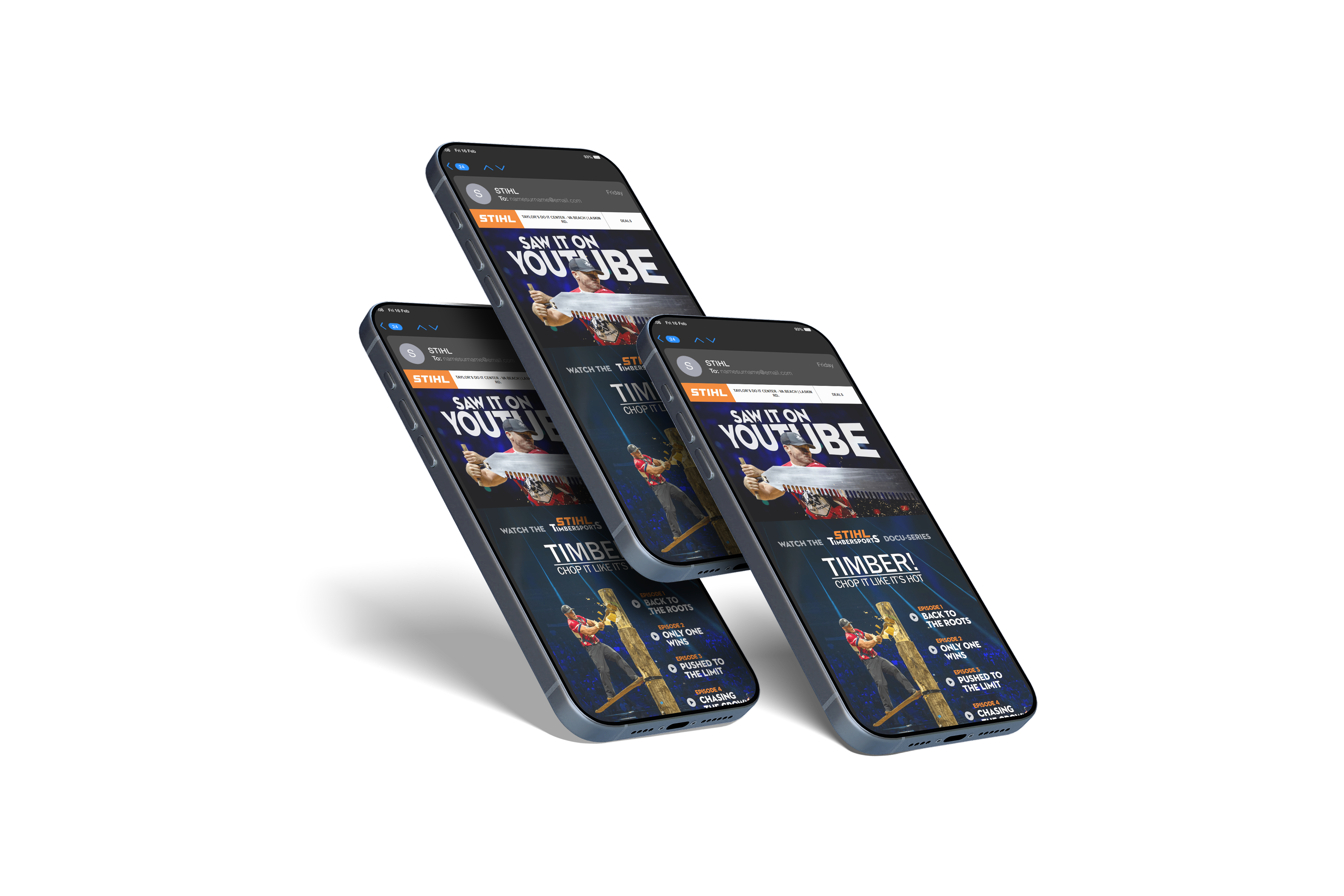
We’re also proud to have increased email revenue for STIHL by 507%, while also supercharging their SMS revenue by a massive 2099%. STIHL wanted smart, responsive communications and connective customer experiences. So, we used Iterable to deliver just that – and the results speak for themselves.
What good CRM marketing looks like
When we audit CRM programmes, the strongest setups tend to share the same characteristics. They have clean, connected customer data. They use meaningful segmentation rather than broad audience groups. They personalise communications beyond simply adding a first name. They have a platform strategy that supports long-term growth. And they continuously test, learn and optimise.
The brands getting the most value from CRM are constantly refining their understanding of customers and evolve their communications accordingly.
It's a long term investment
CRM marketing is an ongoing programme, not a one-off project.
The brands seeing the strongest results combine the right strategy, the right platform and the right partner. Then they can create customer experiences that feel relevant at every stage of the journey. When those elements come together, CRM becomes a powerful driver of customer loyalty, retention and growth.
Simplify your marketing execution and increase your performance


