
What does the future travel consumer look like?
Introduction
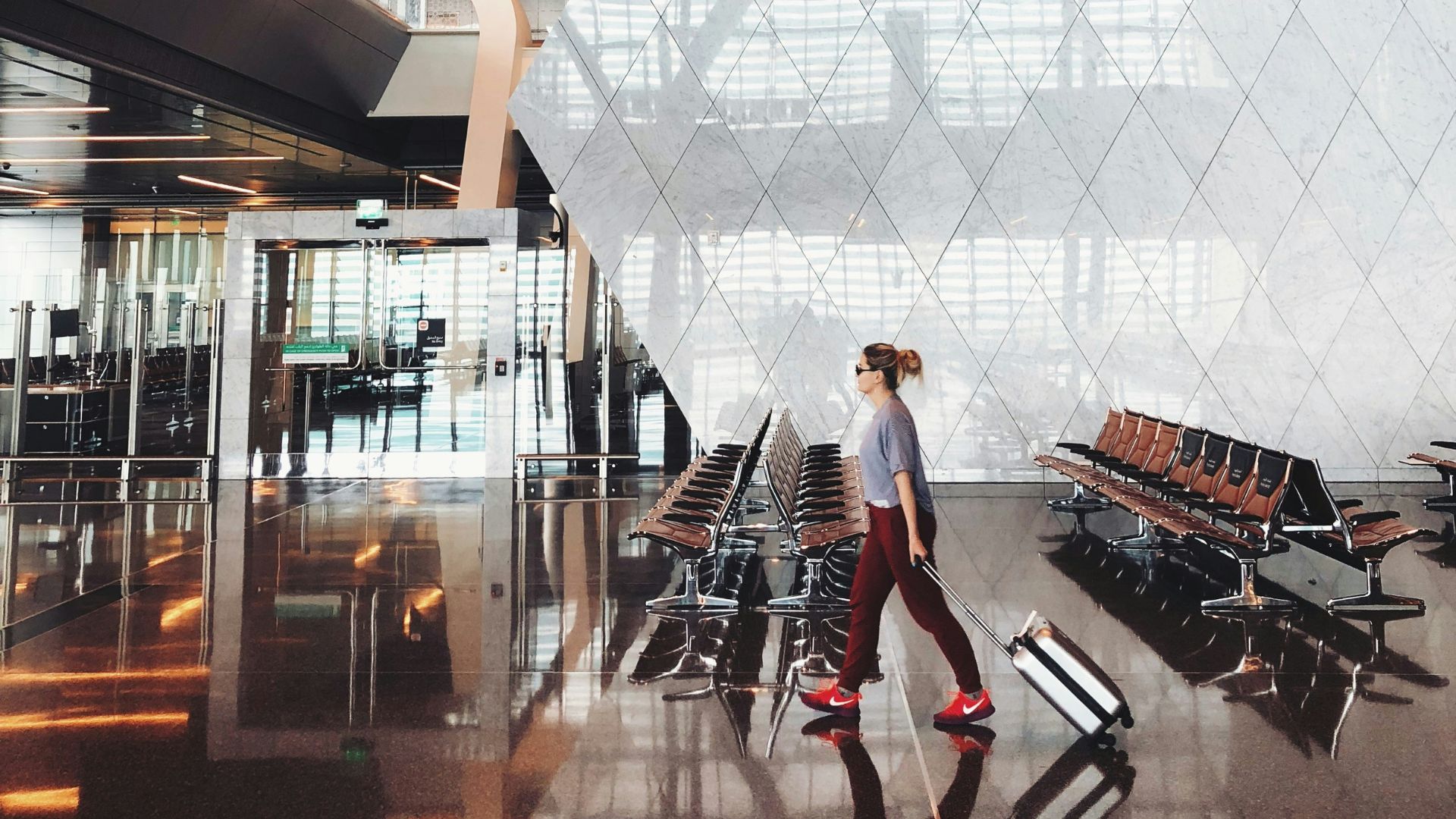
*In this context, we are referring to the future travelling consumer as two connected moments: the airport shopper in the terminal, and the same person once they've landed and are spending on holiday. This does not reference the shopper looking for travel plans i.e. vacation/holiday bookings or destinations.
The key to understanding the modern traveller is a behaviour motivation conflict. On one hand they are pulling towards value and convenience amidst economic uncertainty, while a parallel instinct pulls them toward premium indulgence and genuine emotional restoration - often in the same trip. The future travel consumer isn't choosing between these; they're compartmentalising them across the journey. Targeting the future travel consumer is therefore a question of balance.
What You Need to Know
-
Four traits define this shift: The Self-Treater, The Premium Planner, The Wellness Chaser, and The Disconnector. Read more detail below.
-
Value-consciousness and premium indulgence coexist within the same trip, not opposing behaviours to choose between.
-
Wellness is increasingly framed as the reason to travel, not just a category available while travelling.
Data
- "Good value for money" is now the main purchase driver for 27% of airport shoppers (up from 25% in 2024), with convenience (21%) and the desire to self-treat (18%) also rising (Duty Free World Council Global Shopping Monitor, via Forbes, 2026)
- The premium and luxury segment captured 49.36% of the duty-free and travel retail market in 2025 (Mordor Intelligence, 2026)
- More than 80% of millennial visitors to duty-free shops make a purchase — the highest engagement rate of any generational segment (Weitnauer, 2026)
- International passenger movement has increased 22% (Business Research Insights, 2026)
- Two-thirds of Gen Z globally pre-plan their duty-free shopping, compared with an 80% average across all age groups (AX, 2024)
- The average person feels 67% mentally better after going on a trip (Talker Research, 2025)
- 43% of affluent travellers worldwide are interested in wellness trips with their family (Altiant, 2024)
- 71% of UK adults aged 18-24 and 68% aged 25–34 say it's important a holiday includes the chance to pursue their hobbies or interests (British Airways/Hilton, 2025)
- 39% of Americans surveyed said they're planning to travel more for self-care in 2025 (Allianz, 2025)
- 62% of global travellers said they'd pay a premium for services like fast-track or lounge access to avoid crowded airport spaces (Hospitality.net/ADS, 2025 - source needs confirming)
- 72% of German consumers view disconnecting as a top feel-good benefit of travelling, and 85% view experiencing nature as one (TUI, 2025)
The Four Core Personas
The Self-Treater
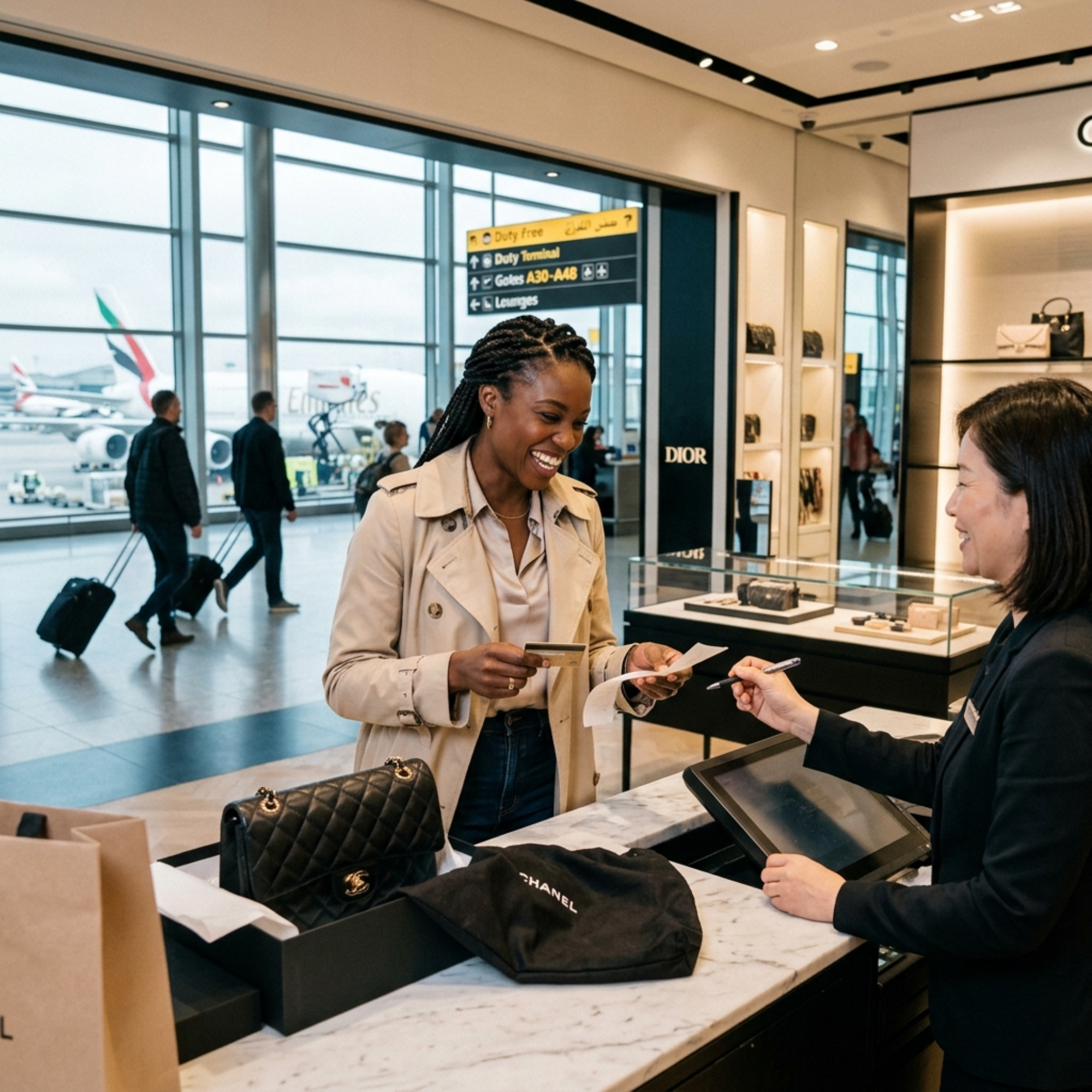
With the rise of ‘little treat culture’ and self-gifting, duty-free shopping is increasingly – as it leans into in-the-moment mood purchasing to upgrade and elevate a trip a little bit more. No longer seen as only an upgrade for the rich, spending money on self-gifting items and experience (luxury to lounge) is being taken up by diverse cohorts. Millennials convert at over 80%, and even cost-conscious Gen Z, who pre-plans duty-free shopping less than any other age group, still spends once they're standing in the terminal. Rising passenger volumes mean more of this consumer moving through airports than ever, and the opportunity is greater. Messaging that targets the shopper looking to treat themselves (and giving them the extra push to do so) has huge potential.
The Wellness Chaser
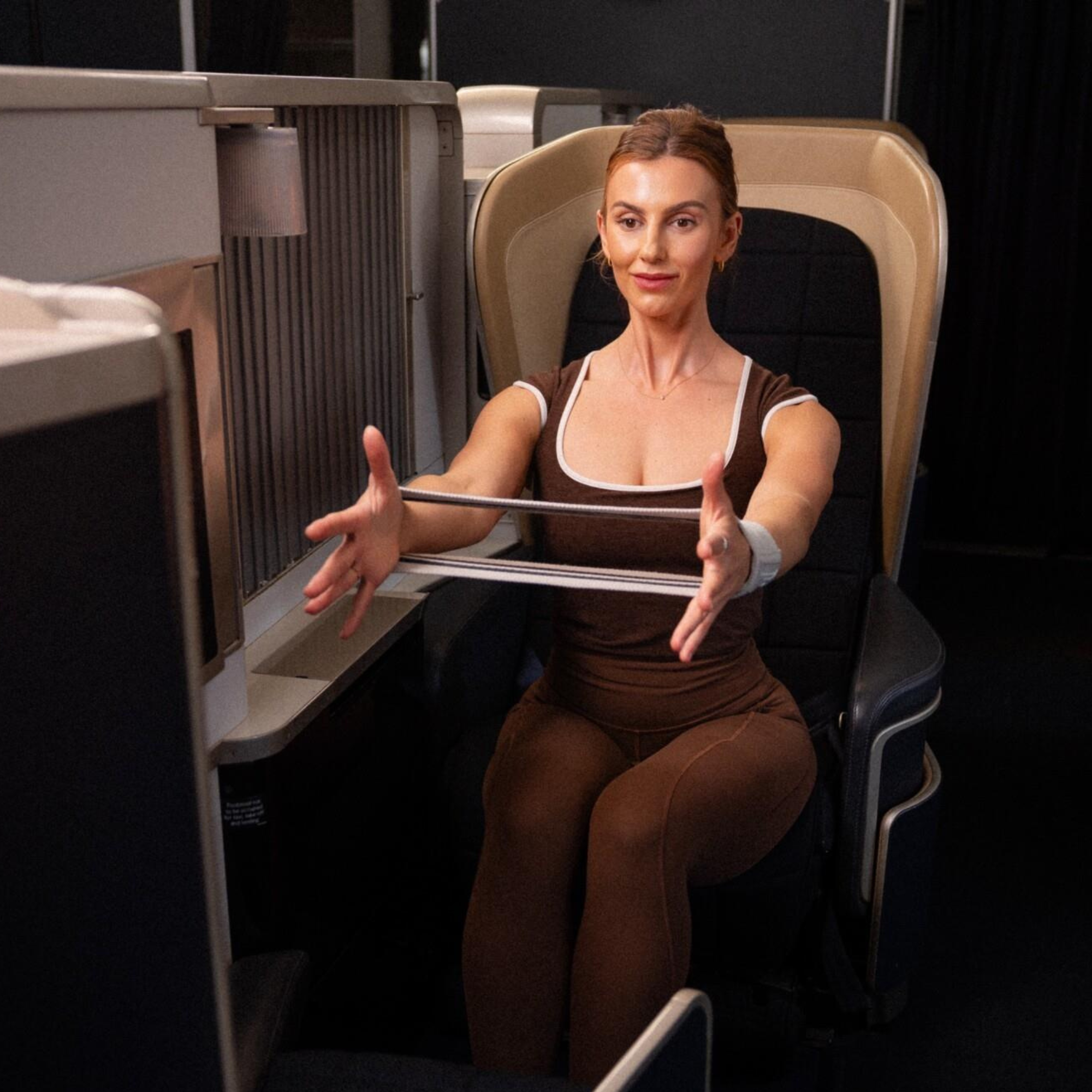
Travel itself is increasingly framed as a well-being intervention rather than just a break - the average traveller reports feeling substantially better mentally afterwards, and not just because of physical rest. As a result, products and services that support health and well-being on holiday (even in moments of indulgence and treat) are highly receptive. A meaningful share of travellers are also doing so specifically for self-care, and affluent travellers are seeking wellness trips that include family, opening up the opportunity even further
The Premium Planner
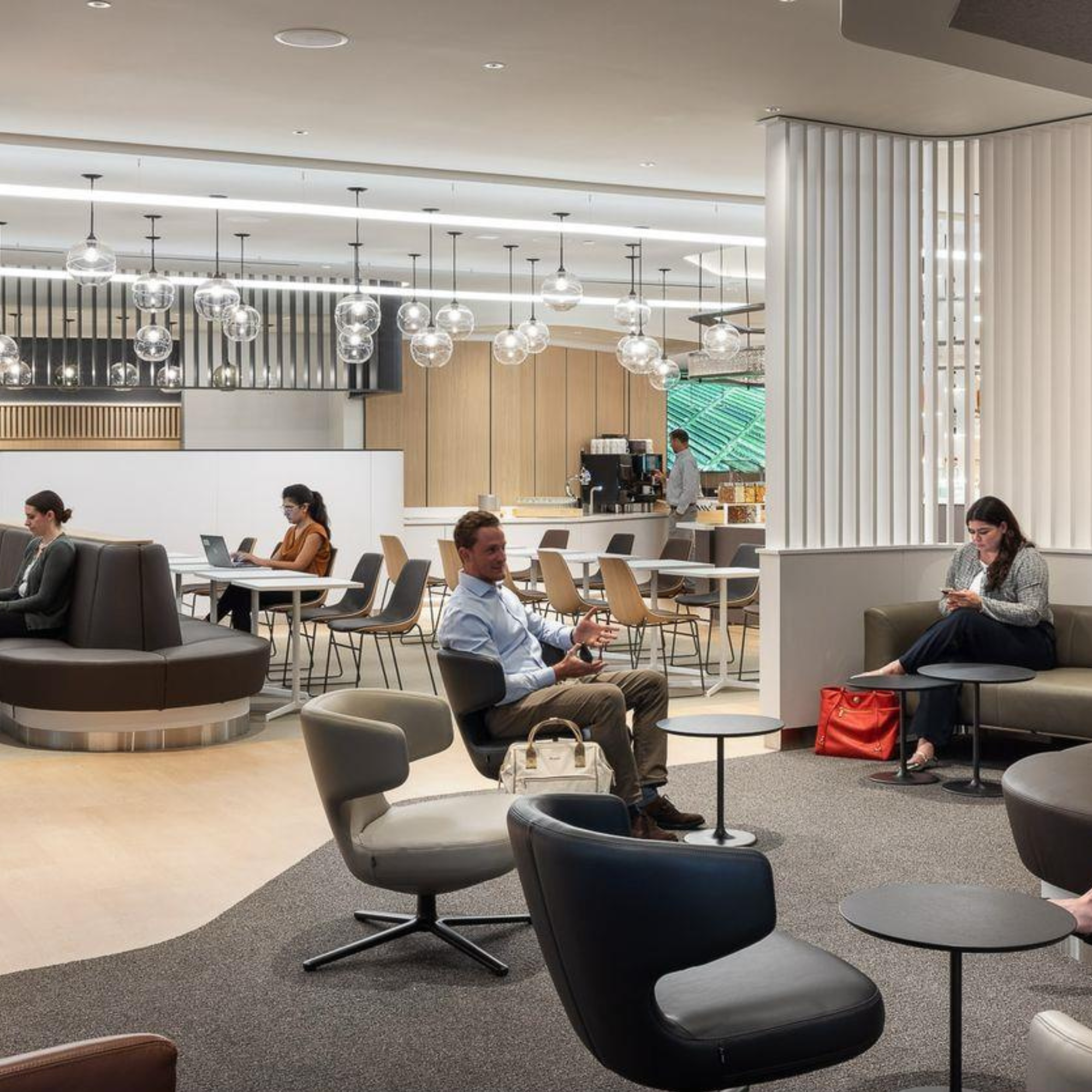
There is a tension between value-conscious behavior and luxury desire, and consequently the premium traveler still presents, but it is more curated and planned (as highlighted in the pre-planning of airport shopping. Consumers will often trade-up at the airport but often in ways that are pre-planned rather than spontaneous, reflected in premium/luxury capturing half the travel retail market and in nearly two-thirds of travellers willing to pay specifically for fast-track or lounge access. This is a result of a combination of self-treating, but in a deliberate, planned decision to choose comfort and status, not an impulse.
The Disconnector
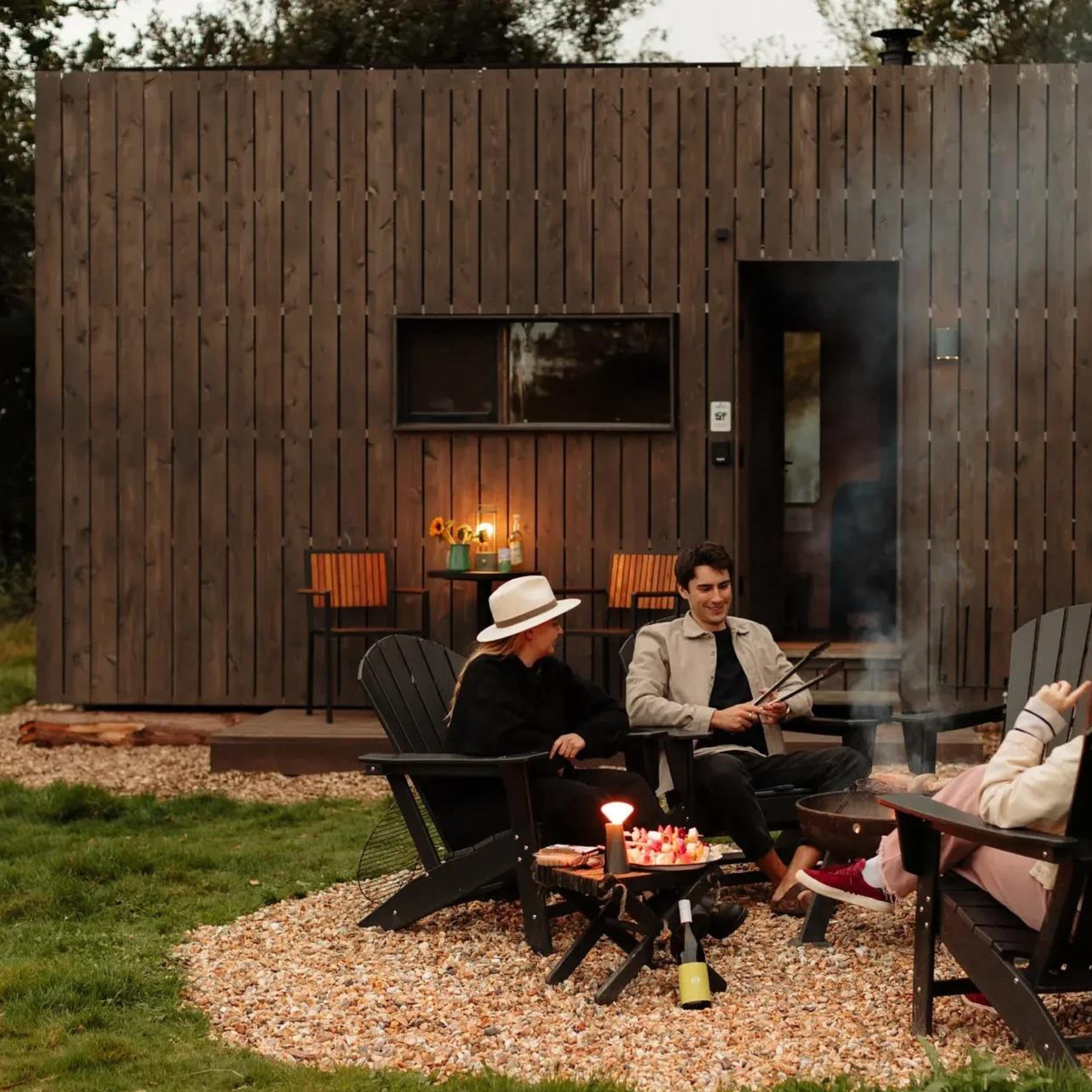
Amid the rise of AI and the digital world, the importance of fully disconnecting is increasing for consumers. This is reflected in the strong majority of younger UK travellers who want a holiday built around their own hobbies and interests, not just rest by default.
In Context (POS, Shopper & Activation)
Self-Treater
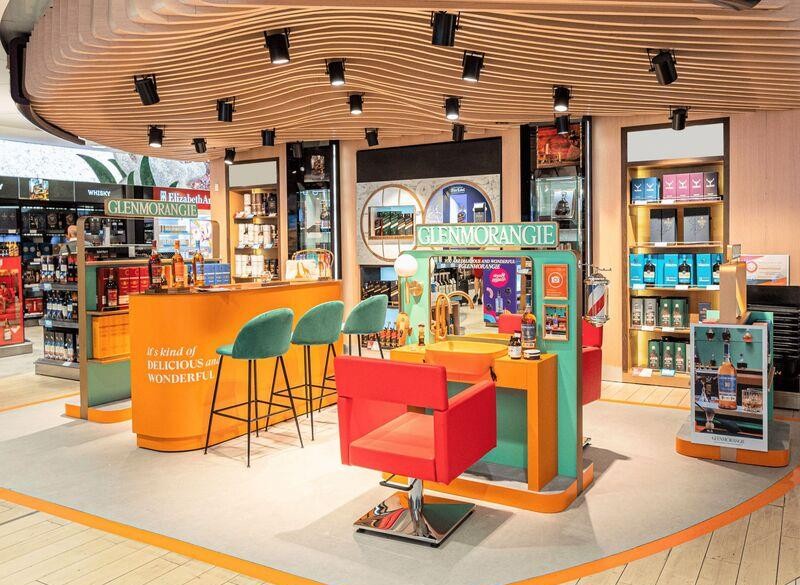
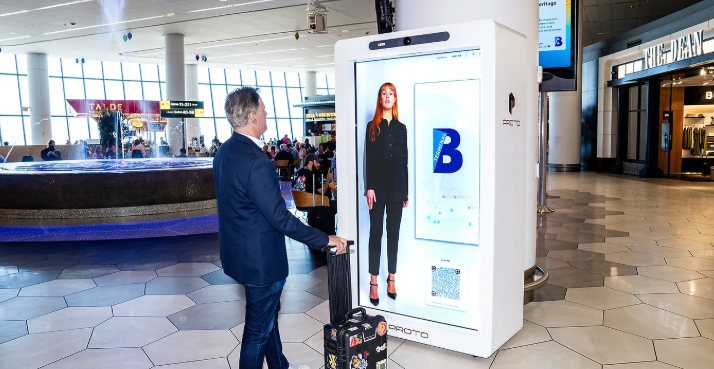
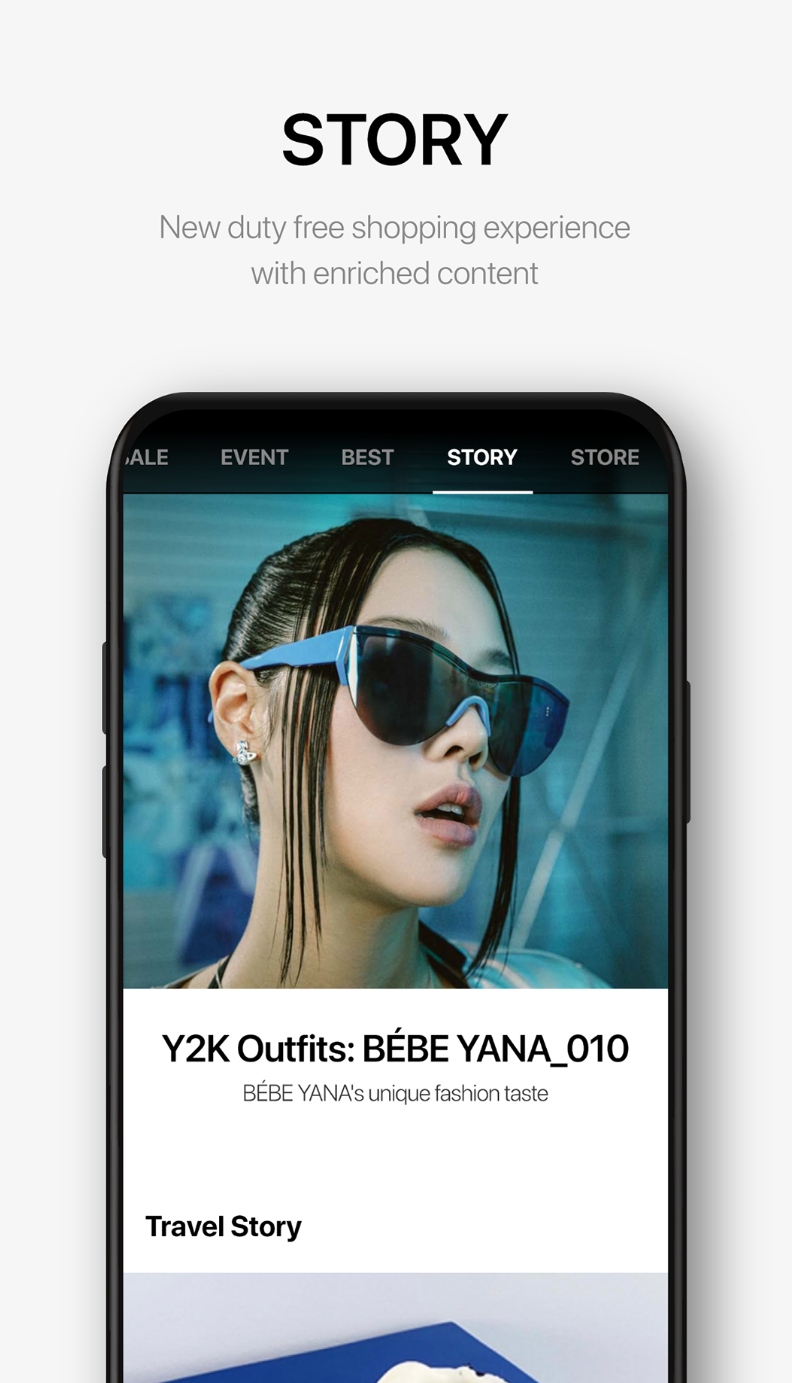
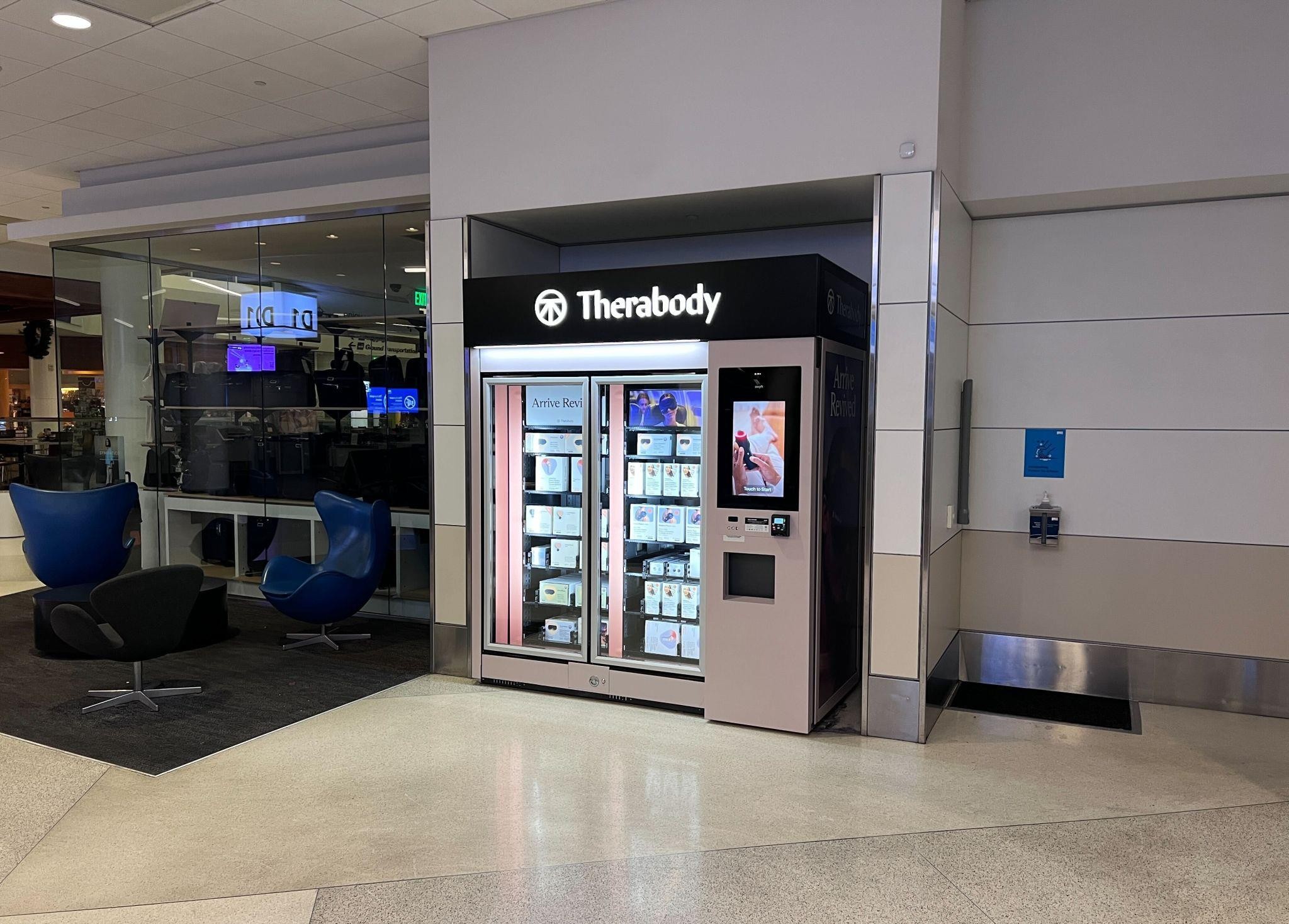
The traveller is already in a treating mindset, so effective campaigns and POS only need smaller triggers to push them into converting — but these need to be placed at effective moments, where the self-treat will be genuinely warranted, as they stem from considered rather than impulse decisions. Small-format impulse items positioned near moments of action (security, boarding, arrival) work best when they visibly connect to a fuller incentive that the shopper has already considered for the holiday. Consumers want brands to understand their priorities, and so small moments can tap into long-term loyalty.
Examples: Flight pampering just before boarding, holiday upgrades just after arrival.
Wellness Chaser
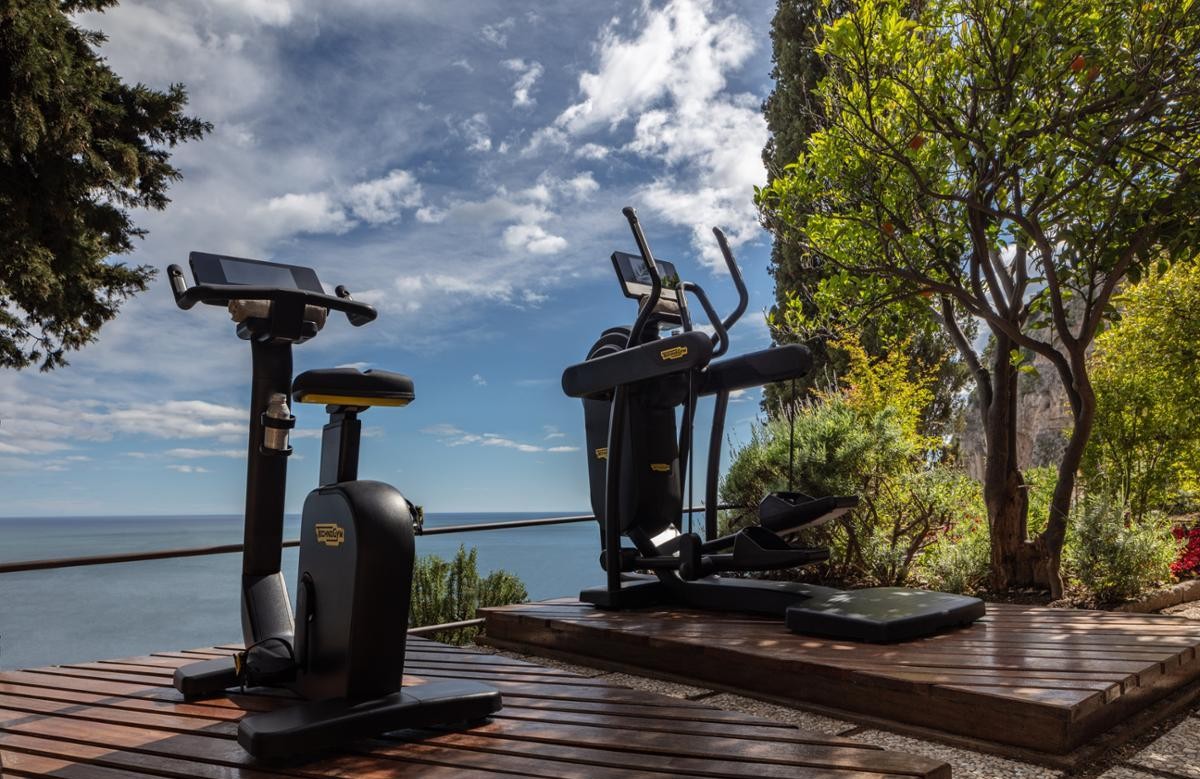
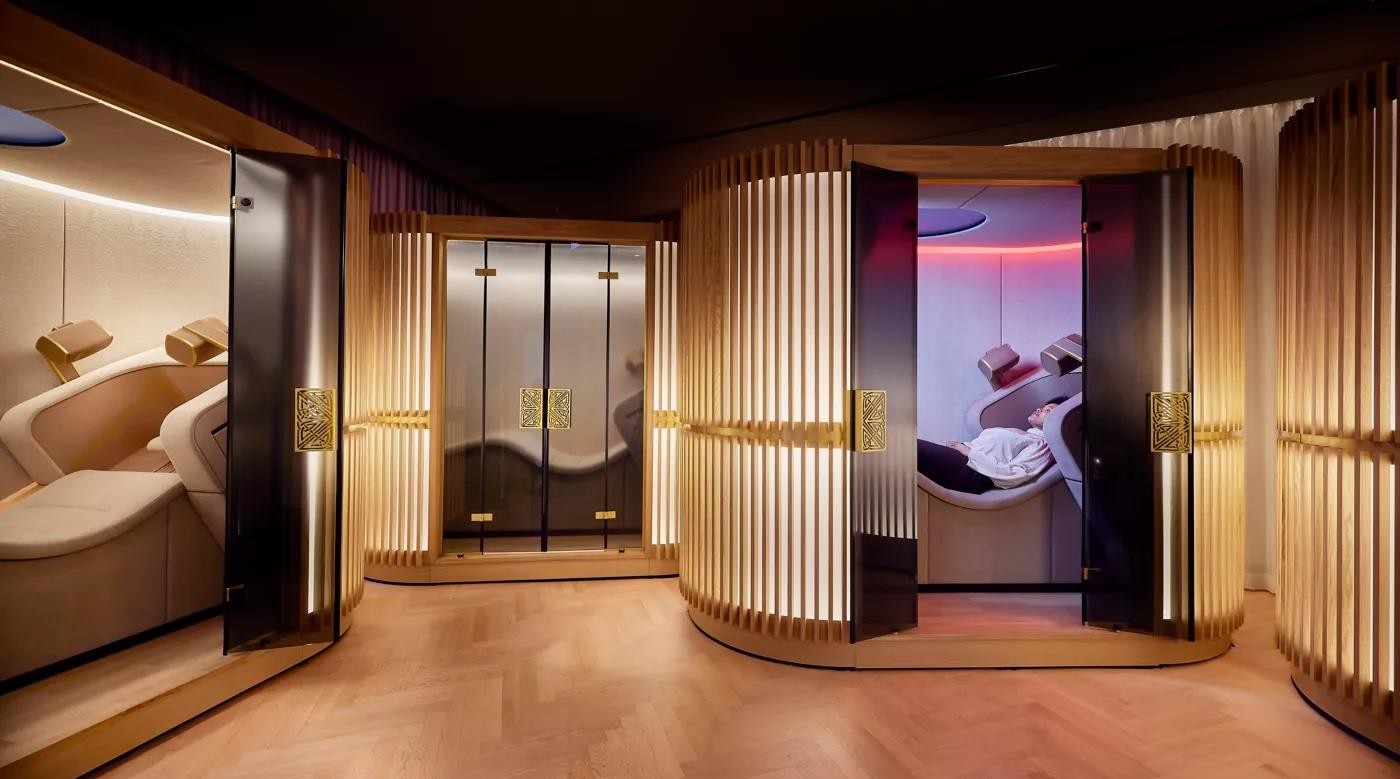
Everyday travel retail should be framed as wellness and recovery - sleep, hydration and skincare offer opportunities to become part of a wellness-conscious routine, rather than just an automatic travel purchase. The data here is about feeling rather than needing. In-airport wellness zones or sampling bays, and partnerships with recognisable wellness or spa brands at the destination end, both reinforce the "this trip will make me feel better" framing, rather than treating wellness as a category alongside cosmetics and electronics.
Examples: campaigns that highlight the health benefits that can be accessed abroad, partnerships with wellness brands, and unique wellness-led experience.
Premium Planner
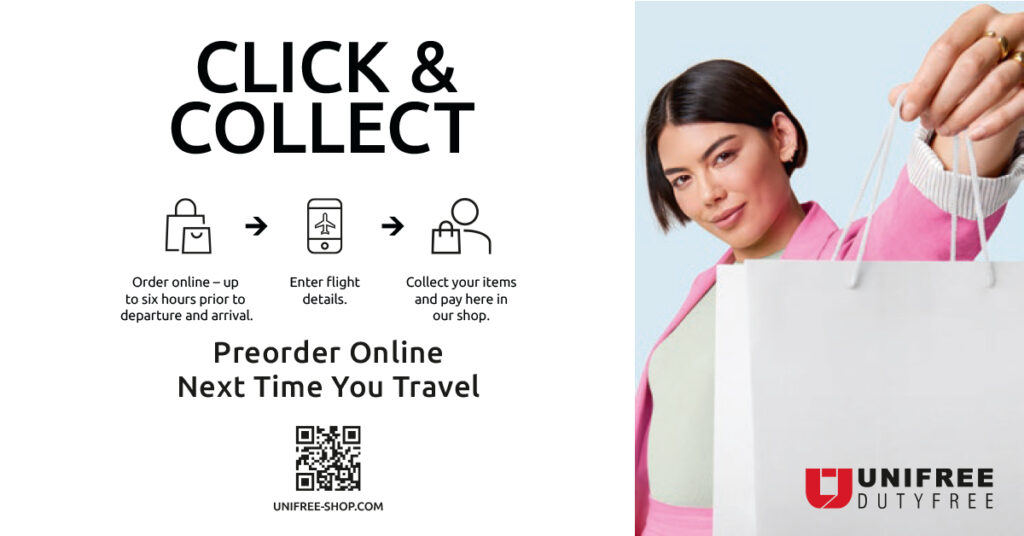
Because this persona plans rather than impulse-buys, the POS opportunity sits earlier in the journey — from pre-order-for-airport-collection, to lounge partnerships, to pre-holiday problem-solving. Both meet this consumer's desire for control and forward planning. Personalisation also offers an elevated, planned experience, in which the consumer feels they have control and input, making the travel experience feel more tailored.
Example: Check-in/boarding pass triggered campaigns, branded fast-track or lounge partnerships or personalised pre-trip offers.
Ingredient Investigator
Displays built around heritage and analogue hobbies - books, journals, film cameras, craft kits - signal permission to switch off rather than another screen-adjacent purchase, and a market-stall or pop-up format in a real-world, rustic or authentic experience, helps convey the unplugged narrative. Partnerships should be chosen for what they represent as much as what they sell - brands associated with slowness or craft do more work here than a discount or bundle would.
Example: Analogue, nostalgia or ‘wholesome’ led displays, "digital detox" lounges or partnerships with slow-travel and craft brands.
Key Takeaways
- Self-treating in duty-free is largely in-the-moment but must align pre-planned priorities - POS placement at key journey triggers (security, boarding, arrival) matters as well as than pre-trip messaging.
- Premium spend at the airport is a deliberate, planned decision for a meaningful share of travellers, and brands can do more to support this to build loyalty - lounge targeting, pre-order and personalization.
- Wellness-framed retail taps into how travellers want to feel, not simply where they are going and what they need to pack, and makes them feel more seen by the brand.
- "Switching off" is now a purchasable experience - brands should lean into it.
Summary
Reaching this consumer takes activation that works across two very different environments - the terminal and the destination - often for the same shopper. But ensuring it is rooted in consumer understanding is where brands will win loyalty with shoppers.
As a brand activation agency, adm Indicia helps brands turn this future consumer understanding into POS, merchandising and campaign execution built to convert. Contact us to learn more about how we can help your brand.
Simplify your marketing execution and increase your performance


