
What does the future FMCG consumer look like?

Introduction
FMCG loyalty used to be built on habit and shelf availability; now it is increasingly it's being shaped scrutiny, stress, and spectacle in equal measure.
Today's shopper is running several calculations at once in the same trolley: optimising spend in an uncertain world (and managing emotion and seeking small joys to combat that), prioritising quality amidst a health-conscious, and an AI-triggered lack of trust.
What You Need to Know
-
The future FMCG shopper runs several calculations in the same basket - optimising cost, managing stress, seeking proof, and craving delight - often within a single trip.
-
Four traits define this shift: The Value Tactician, The Delight Seeker, The Stress-Relief Shopper, and The Ingredient Investigator. Read more detail below.
-
Value and premiumisation coexist in the same basket rather than replacing one another - own-label staples sit alongside indulgent treats.
-
Trust is no longer assumed: ingredient and sustainability claims are increasingly checked, not simply accepted.

Data
-
89% of shoppers are reaching for private-label products to stretch grocery budgets (GWI, 2026)
-
Omnichannel shoppers are 1.7x more likely to make repeat purchases (Firework, 2024)
-
Ocado's gourmet condiment sales were up 22% year-on-year in 2025, and Waitrose saw a 110% increase in "sandwich" searches between May 2024 and May 2025 (Ocado; Waitrose, 2025)
-
76% of UK Gen Z and 71% of US Gen Z say they make impulse purchases to relieve stress (Pion, 2025)
-
78% of US consumers are concerned about ingredient safety in food, cosmetics, and personal care items (YouGov, 2026)
-
39% of millennials globally prefer organic food products, and 35% prefer high-protein foods (GWI, 2026)
-
73% of consumers want brands to be more entertaining (VML, 2026)
-
74% of Gen Alpha and Gen Z feel more connected to brands that share their passions (2025)
-
66% of Americans say they're more likely to purchase from brands that sponsor sports they love (MarTech Cube, 2024)
-
86% of consumers are drawn to encounters that inspire awe and wonder, and 82% expect as many of their senses as possible to be engaged when experiencing something new (VML, 2026 and 2025)
The Four Core Personas
The Value Tactician
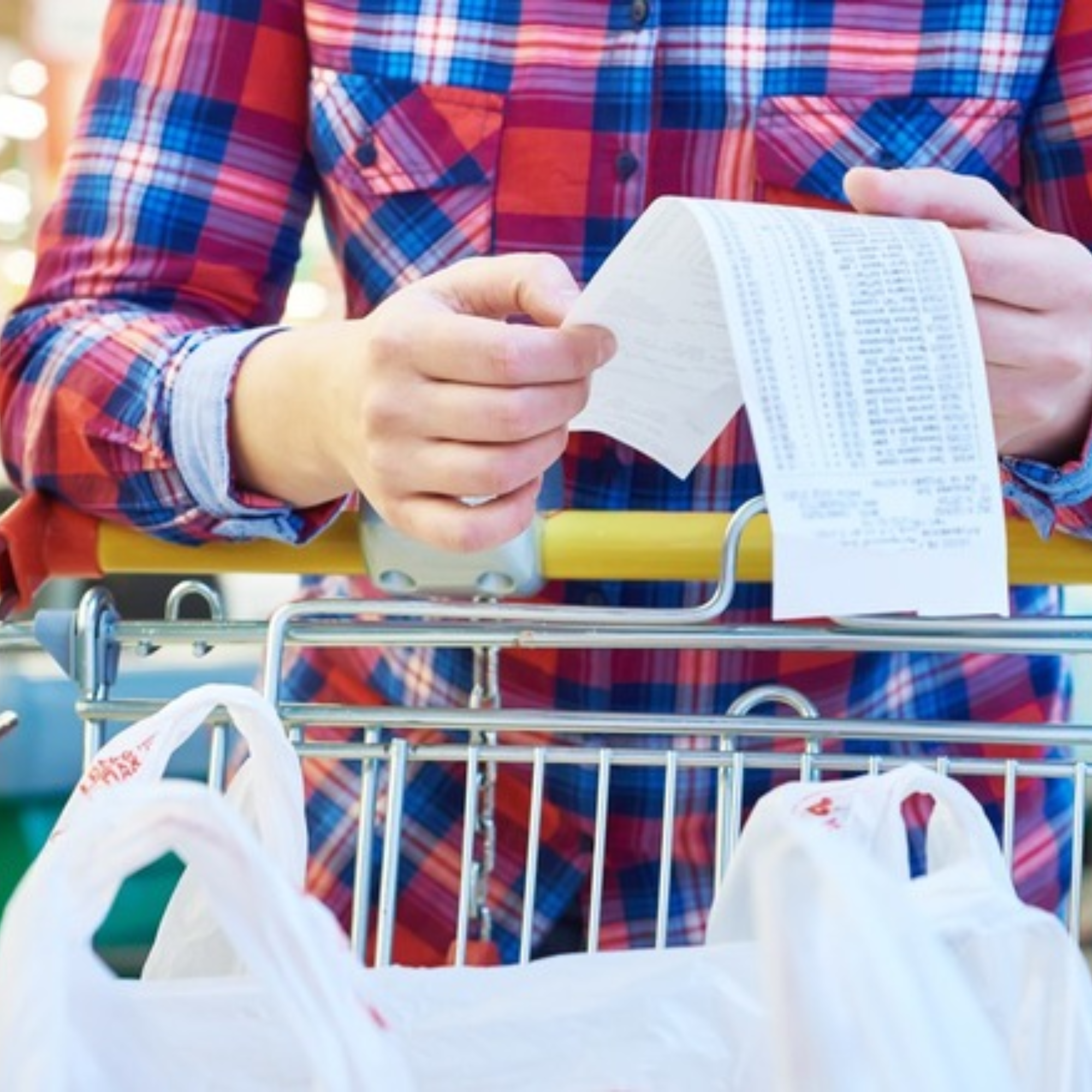
No longer trading down solely to for cost-saving and better value, the modern consumer is instead optimising. They don’t just wanted cheaper - they want genuine value. The same basket that carries private-label knock-offs of brand staples, also carries premium treats and small luxury upgrades (from Ocado's increase in premium condiment sales to Waitrose's sandwich search surge). This isn't inconsistency, it's category-by-category logic: essentials get scrutinised for value, occasions get permission to spend. In tern consumers also expect more - they want brands to excite and delight them beyond the baseline.

The Delight Seeker
Purchase decisions are being increasingly swayed by whether a brand excites; entertaining, novelty, sensory, exciting - not just functionally sound. This shows up two ways. Firstly, shoppers are more likely to buy from brands that engage with passions they already have, often as a method to inject excitement into new launches and campaigns. Brand collaborations and partnerships are becoming an increasingly go-to channel for FMCG, with lucrative returns. And secondly, they're actively seeking out multi-sensory encounters rather than passive ones. This is a shopper who wants FMCG brands to earn attention the way entertainment does, not just advertising.
The Stress-Relief Shopper
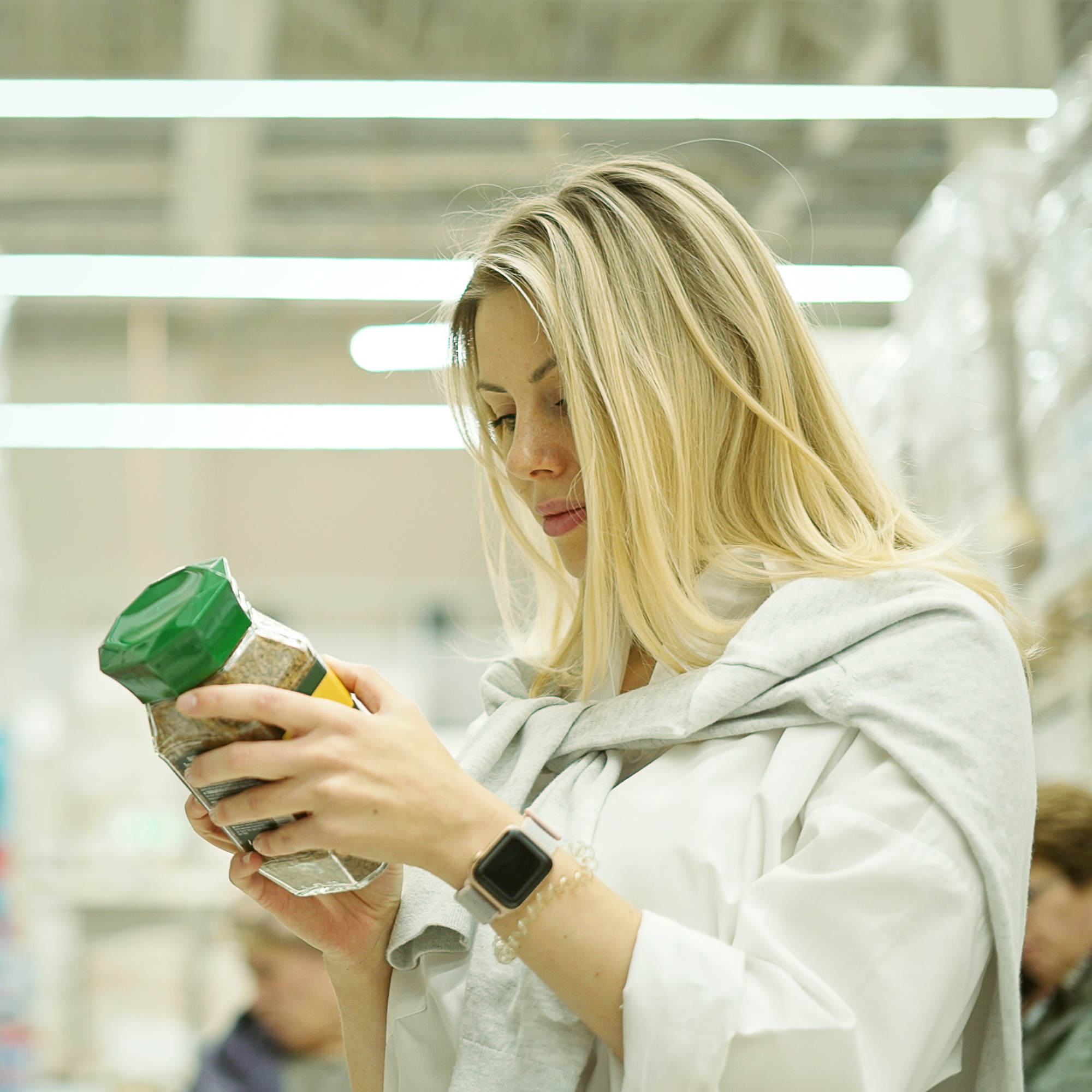
For a majority of Gen Z shoppers, impulse purchasing is transitioning into an emotional regulation tool, not a lapse in discipline. The rise of ‘Little Treat Culture’ and self-prioritisation amidst global uncertainty is re-framing impulse away from a merchandising trick, into a conscious, positive choice from consumers. The well-being-focused FMCG shopper should not be seen as a challenge if the product doesn't align with stereotypical wellness – but an opportunity to capture them in creative and clever ways.

The Ingredient Investigator
With over ¾ of US consumers concerned about ingredient safety and many shoppers actively seeking specific credentials like organic or high-protein, campaign claims are no longer taken at face value, and are increasingly being scrutinised. The rise ofanti-UPF movements sees bold benefit claims now become a starting point for further checking, not an endpoint.
In Context (POS, Shopper & Activation)
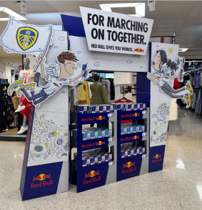
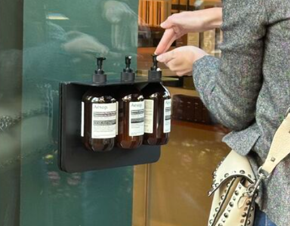
Value Tactician
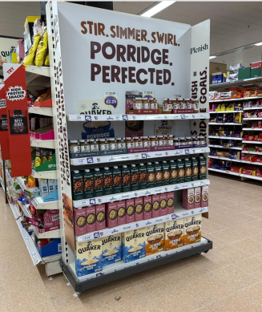
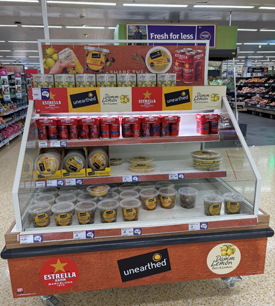
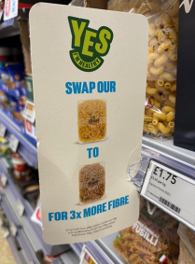
Merchandising and promotional architecture need to support mixed-basket shopping rather than penalise it. From comparison-led signage, to mult-buy mechanics that combine own-brand and premium tiers within one deal structure or display - blending category, occasion, and cost-catagoried ranges creates new opportunity.
Example: Combination/deal displays.
Delight/Fun-Seeker
One effective strategy is sampling; consumers do not often expect to be able to try FMCG before they buy, so this is not only improves satisfaction, but is a novel and engaging experience. Sponsorship-linked POS tie-ins around sport or music create a familiarity connection with something customers already like, and secondary displays create a moment rather than delivering a functional call-out.
Example: Brand collaboration activation and/or sample/theatrical display.
Stress-Relief Shopper
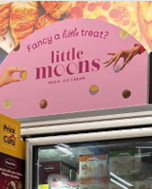
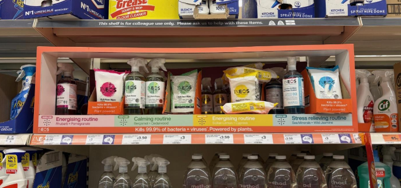
Impulse zones (checkout, secondary displays, aisle & shelf talkers) should build themselves around the ‘permission to treat’ mentality, and convey they emotional benefits of the product as quickly and effectively as possible, rather than just lead with scarcity and urgency (as they can do the opposite – pressuring and stressing consumers will steer them away). Occasion-based signage that is tied to a moment can land well here.
Example: Till and aisle-targeted messaging rooted in positive emotion.
Ingredient Investigator
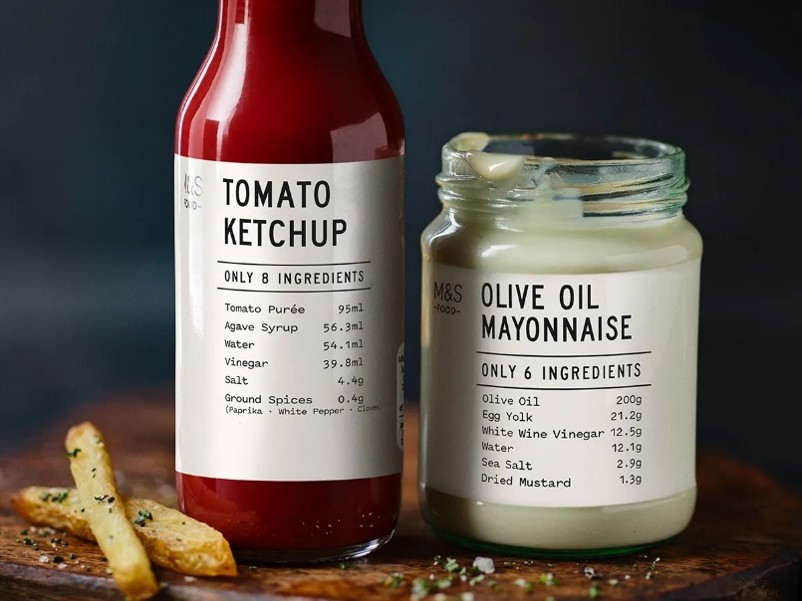
POS and pack design should pre-empt scrutiny rather than get bypassed by it. QR-linked sourcing information can utilise storytelling in campaigns to water-tight any claims made, and on-shelf digital content should carry real substantiation. Plus, account teams should be equipped with the underlying evidence behind any health or sustainability claim so it can be defended, not just displayed.
Example: Ingredient transparency – remove from back of packaging and place from and centre, as well as healthy-driven competitor comparison.

Key Takeaways
- Mixed-basket shopping (own-label + premium) is the norm, not a contradiction - merchandising needs to support both in the same visit.
- Impulse buying among Gen Z increasingly functions as emotional regulation, not indiscipline - brands should lead with permission-to-treat messaging over urgency and scarcity.
- Ingredient transparency has moved from a back-of-pack afterthought to a frontline trust signal.
Summary
The future FMCG shopper isn't one archetype. They're tactician, investigator, stress-manager, and thrill-seeker within the same trolley - and the brands that win will be built to meet all four, not just the loudest one.
As a brand activation agency, adm Indicia helps FMCG brands turn this future consumer understanding into POS, merchandising and campaign execution built to convert. Contact us to learn more about how we can help your brand.
Simplify your marketing execution and increase your performance


