
What does the future beverage consumer look like?

Introduction
Today's beverage consumer isn't drinking less -they're drinking more deliberately. Every purchase has become a conscious decision balancing quality, occasion and experience over quantity alone. The modern consumer moves fluidly between alcoholic and non-alcoholic options, experiments with emerging flavours and formats, and increasingly judges drinks not simply by what's in the glass, but by the moment surrounding it.
Rather than following fixed drinking habits, the future beverage consumer adapts to the occasion. One evening may call for a premium cocktail, another for a no-alcohol alternative, while convenience and portability have transformed RTDs into a destination category rather than a compromise. .
What You Need to Know
- Beverage consumers are drinking less often but more deliberately - trading frequency for quality, occasion and experience.
- Four traits define this shift: The Zebra Drinker, The Experience Curator, The Elevated Convenience Seeker, and The Flavour Explorer. Read more detail below.
- Full-strength, low-ABV and alcohol-free are no longer separate categories for separate people - most drinkers now move between all three depending on occasion.
- RTD is shedding its "convenience compromise" reputation and is being treated as a premium format in its own right.
Data
- 64% of consumers would prefer one or two premium drinks over several average ones (KAM, 2026)
- 95% of British Gen Z and Millennials say they're open to experimenting with new drinks (Time Out, 2025)
- RTD alcohol consumption grew in 16 of the top 20 global markets in 2024 (IWSR, 2025)
- Over 50% of US RTD launches in 2024 came in above 5% ABV (IWSR, 2025)
- 64% of Australian Gen Z and Millennials prefer drinking at home with friends/family over going out (Stylus, 2025)
- US Gen Zers are 66% more likely to buy a product advertised as spicy, and 44% would pay more for it (Rubix, 2024)
- 37% of global consumers enjoy unusual textures and flavour challenges to push their taste perceptions (FMCG Gurus, 2025)
- 93% of adult non-alcoholic beverage buyers also purchase alcoholic drinks (Nielsen, 2025)
The Four Core Personas
The Zebra Drinker
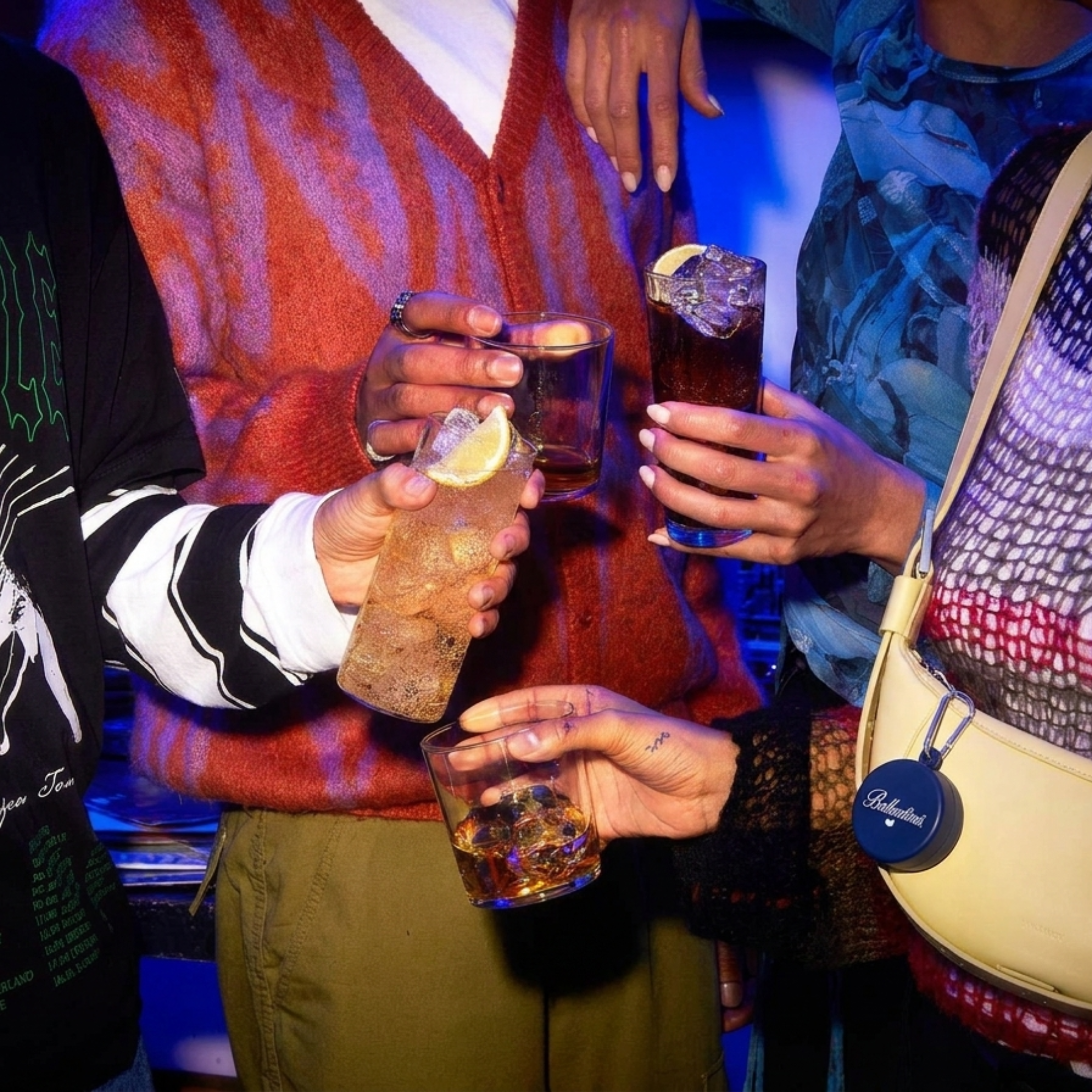
Future beverage consumer cohorts can no longer be neatly categorized into drinker and sober, and instead there is a growing proportion who move seamlessly between the two – often even in the same drinking session. Moderation is chosen in favour of abstinence, with full-strength alcohol, low-ABV options and alcohol-free alternatives all being choices of the same consumer, depending on the occasion, mood or social setting. For brands, success is no longer about choosing between alcoholic and alcohol-free innovation, but recognizing that today's consumer is often both. The no-and-low alcohol category is not dying. It is misunderstood.
The Experience Curator
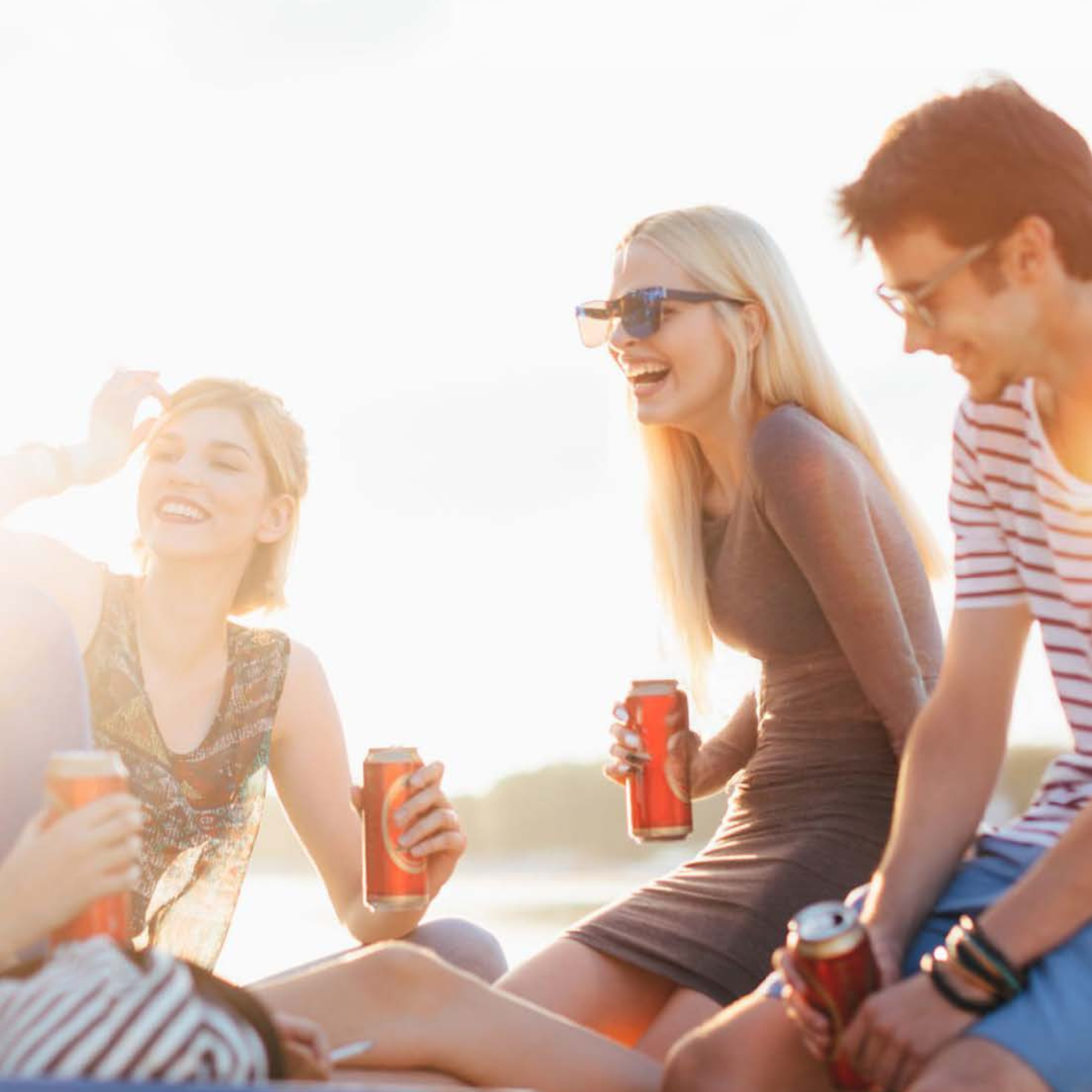
As brands are choosing to drink less frequently, they are expecting more elevated experiences in return. The liquid is only one element of the whole drinking occasion, and increasingly, value comes from the complete experience surrounding it, whether that's a beautifully presented cocktail, a branded glass, an immersive retail activation or a memorable serve at home. As consumers prioritising memory increase, brands are no longer simply selling beverages; they're helping consumers create occasions worth remembering.
The Elevated Convenience Seeker
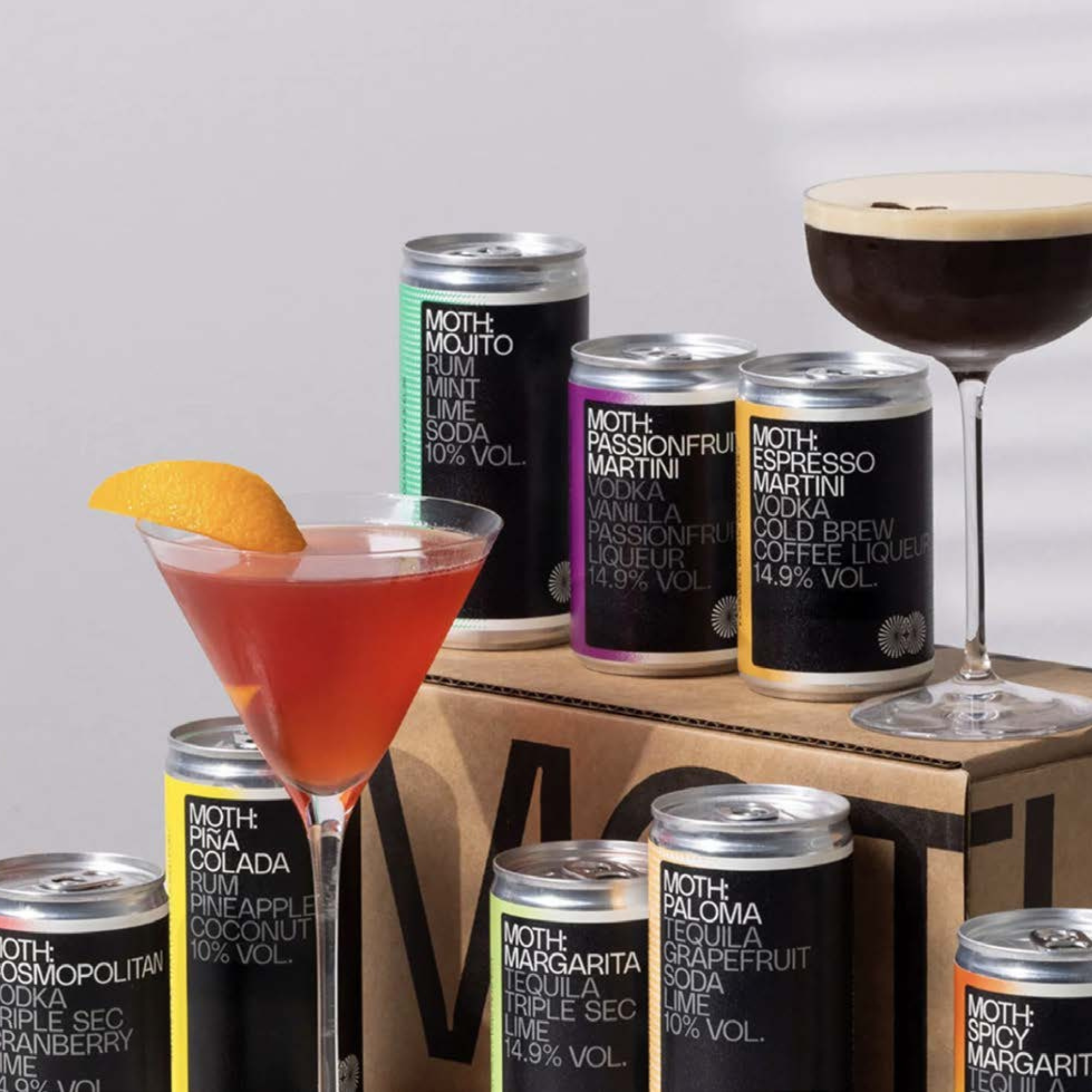
The RTD market is booming, and not just because of increased volumes of consumption, but because of shifts in behaviour surrounding it. Consumers are no longer just seeking any level of convenience, but a premium experience from it. Strength, flavour complexity, brand credibility, and serve quality are all being elevated. RTDs are no longer about saving effort - they're about delivering elevated experiences wherever consumers choose to drink.
The Flavour Explorer
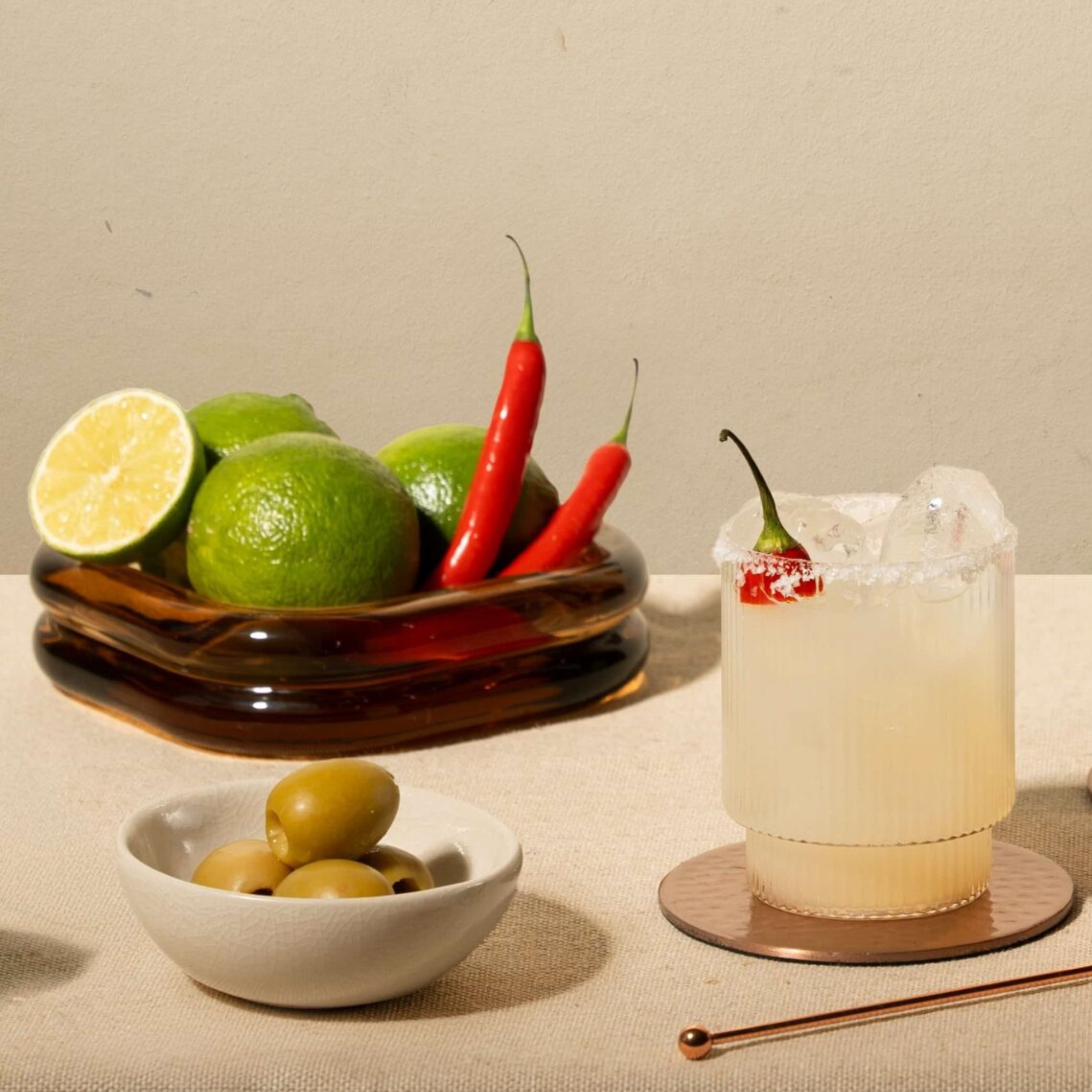
Flavour trends within drinks highlight the future drinker is one driven by curiosity. They are seeking new, bold and sensorial flavours – from the boom of ‘Swicy’ (sweet and spicy) rooted in the dominance of the spicy marg, to food-inspired creations, and bitter and savoury notes. Consumers want to not only explore culture through flavour, but experiment – with new ingredient combinations, palette profiles, and even textures, to surprise and delight.
In Context (POS, Shopper & Activation)
Zebra Drinker
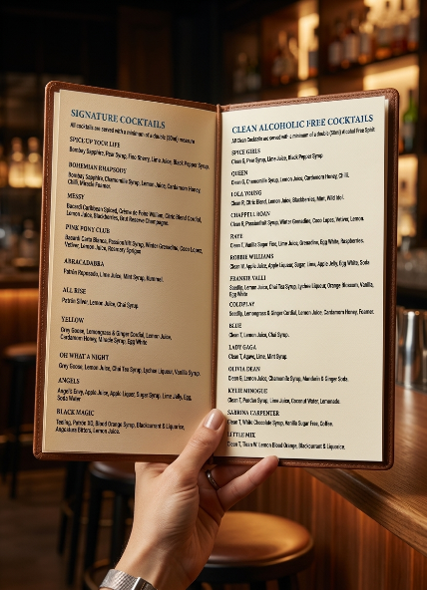
To target zebra drinkers in-store and on-trade, brands need to stop viewing the alcohol and alcohol-free shopper as separate. Displays can pair full-strength, low-ABV and 0% options together - rather than putting no and low in its own section. Acknowledging the shopper is buying both, offers the opportunity for upsell. Similarly on-trade, menu design that lists alcoholic and non-alcoholic serves side by side, rather than relegating no-low to a final page removes the friction that makes the choice feel like a compromise.
Example: Selling N&L & full-strength in bars as pairings rather than alternatives, and POS displays that offer both at the same touch point.
Experience Curator
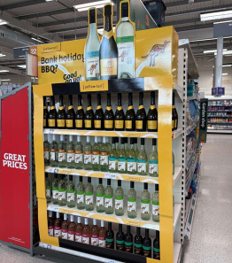
This consumer is buying the moment, not just the bottle, so marketing activations need to see that gift-with-purchase or bundling can support this, as well as messaging that creates an occasion. On-trade, this is the easiest trait to activate cheaply - a branded glass, a considered garnish – but brands that truly win will take this further in creating the occasion themselves to trigger a memorable experience (i.e. what is the next Bottomless brunch?)
Examples: Occasion-led displays and campaigns the create a new ‘moment’ to drink..
Elevated Convenience Seeker
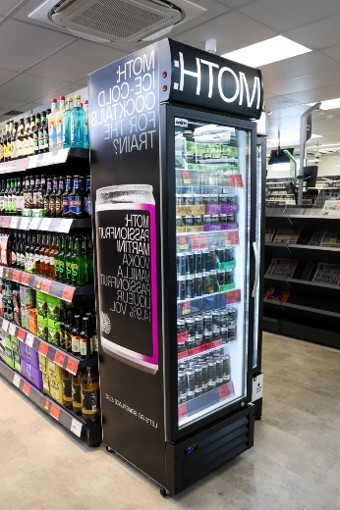
RTD is selling premium through elevated packaging and diversified, higher-quality product, but POS touch points also need to sell premium too. Methods range from chilled units for an improved serve, flavour range variations mirroring the on-trade, and bar visibility that signals the format is a forward-thinking vehicle rather than a convenience fallback. Brands are releasing not only new, exciting and premium serves, but delivering the materials to match.
Examples: POS that improves the RTD experience, and new flavour combinations and serves (bringing other drinks trends into the category).
Flavour Explorer
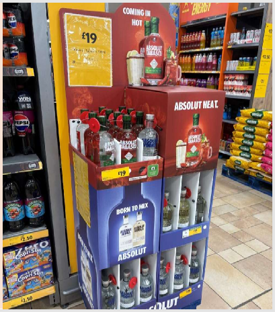
Discovery needs a physical mechanism as well as a new flavour shelf. Sampling, serve directives, and limited-edition or trend-led retail displays give this shopper a reason to break routine and excite them to indulge their taste curiosity. On-trade, a rotating guest serve or menu insert lets bartenders do the same job a shelf-talker does at retail.
Examples: Retail discovery flavour multi-packs, pairing limited edition with old favourites, or on-trade loyalty schemes for trial across visits.
Key Takeaways
- No-and-low isn't a shrinking category to manage around - it sits in the same moment and motivation, often for the same person in the same session.
- The liquid is only one part of what's being sold; presentation, serve and occasion carry real commercial weight.
- RTD growth needs POS and pack investment to match the category's premiumisation - treating it as a fallback undersells the format.
- Discovery-led activation (sampling, limited editions, rotating serves) gives the Flavour Explorer a reason to break routine.
Summary
The future FMCG shopper isn't one archetype. They're tactician, investigator, stress-manager, and thrill-seeker within the same trolley - and the brands that win will be built to meet all four, not just the loudest one. Understanding these four traits is only the starting point - the real opportunity lies in translating them into activation that works at shelf, at till and in-store.
As a brand activation agency, adm Indicia helps FMCG brands turn this future consumer understanding into POS, merchandising and campaign execution built to convert. Contact us to learn more about how we can help your brand.
Simplify your marketing execution and increase your performance


