
What does the future beauty consumer look like?
Introduction
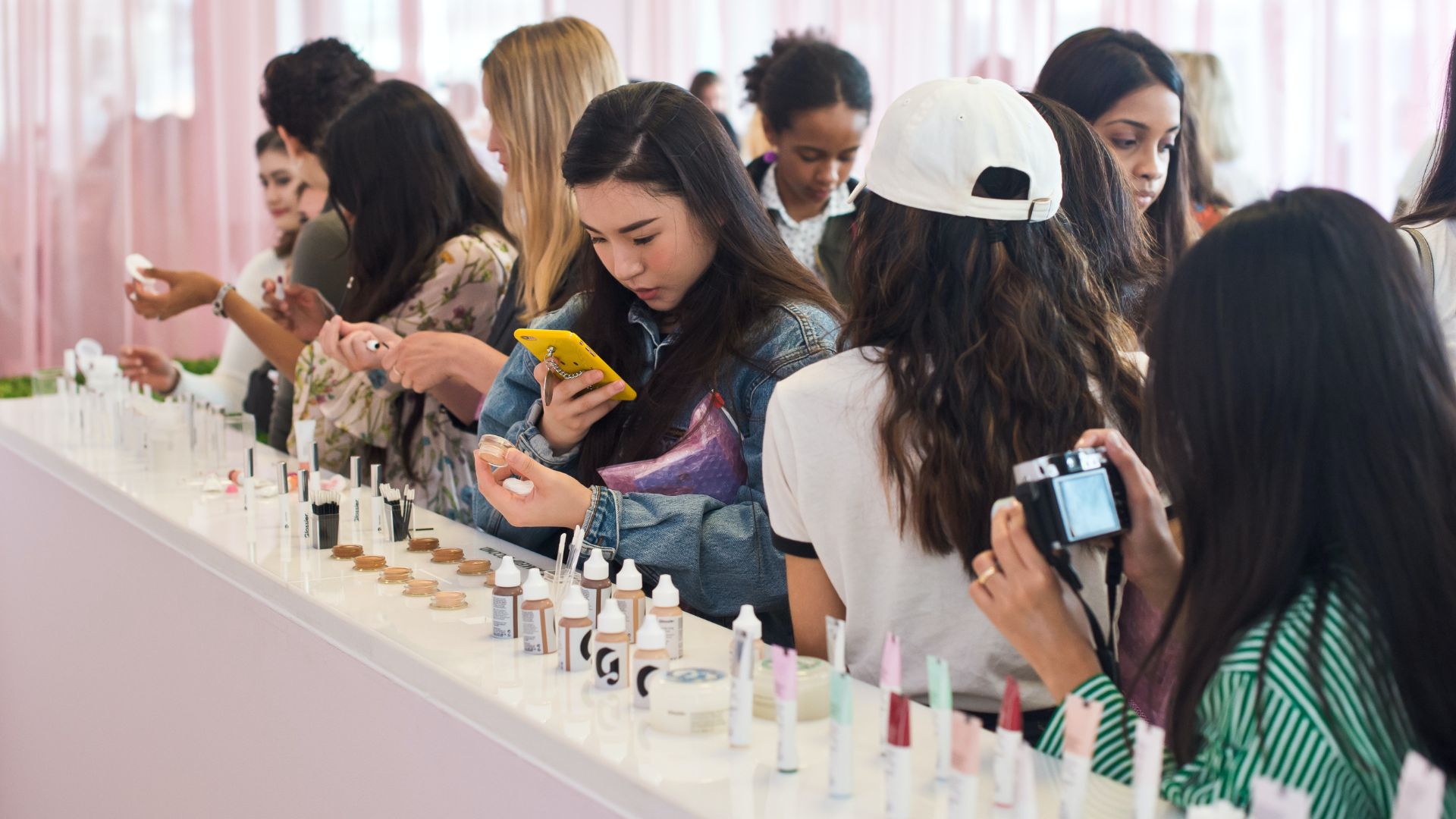
Beauty is no longer just a tool for external aesthetics - it's another form of self-expression, and a pillar in health and well-being. The future beauty consumer is a truth and effectiveness seeker, wanting products and routines that genuinely do what they claim, not just present well. That doesn't mean the fun, curiosity, and creativity have disappeared - but they're increasingly being channelled through reassurance and familiarity and nostalgia, and a cleaner, more minimalist aesthetic. Brands are still creative and playful, but with a more refined, transparent, and effectiveness-based approach.
What You Need to Know
- The future beauty consumer wants products and routines that genuinely work - effectiveness is now the baseline expectation, not a bonus.
- Four traits define this shift: The Longevity Seeker, The Multi-Purpose Minimalist (Beauty Optimiser), The Tech/AI Forward Thinker, and The Cultural Nostalgic. Read more detail below.
- Skinimalism - fewer, harder-working products - is replacing routine escalation, even among younger cohorts.
- AI-driven personalisation and skin diagnostics are trusted tools, not gimmicks, providing the technology can explain its recommendations.
Data
- 74% of consumers consider sustainable practices either essential or desirable when choosing skincare (Bigeye, 2026)
- AI-driven personalisation is delivering 15-18% conversion lifts in beauty e-commerce (Brenton Way, 2026)
- TikTok Shop generated $15.82bn in US sales, with 79% of that coming from beauty products (Brenton Way, 2026)
- Consumers are moving away from complex multi-step routines in favour of multifunctional products that save time — the "skinimalism" trend (Bigeye, 2026)
- Scientific literacy is becoming a driver of trust, with consumers seeking to understand not just what's in a product but how and why it works (Clarkston Consulting, 2026)
- In 2025, searches for ‘age management’ among US users of Google, TikTok and Instagram increased by 142.7% compared to the year before (Pi, 2026)
- Seventy-eight per cent of people in the US are concerned about the safety of ingredients in products such as food, cosmetics and personal care items (YouGov, 2026)
- In the US, 67% of beauty buyers now prefer multitasking cosmetics, expecting products that combine skincare and make-up benefits with proven efficacy, from SPF-infused skincare to anti-ageing make-up (Free The Birds, 2025)
- Over half (60%) of luxury consumers plan to increase their wellness spend in 2026. (Karla Otto, 2026 =)
- In 2024, 74% of women in the US said they were buying more sun protection products – both in their cosmetics and as standalone sunscreens – than they did five years previously (GCI, 2025)
- 76.7% of Gen Zers say their wellness purchases are driven by specific health goals. (Kyra, 2026)
- Consumers are burnt out: 34% of Gen Zers and 30% of millennials report feeling anxious or stressed most or all of the time, and nearly half (48%) of Gen Zers and millennials (45%) say they feel burned out (Deloitte, 2026).
- Among Americans, 71% say they’re more likely to buy from brands they associate with childhood nostalgia (User Testing, 2025)
The Four Core Personas
The Longevity Seeker
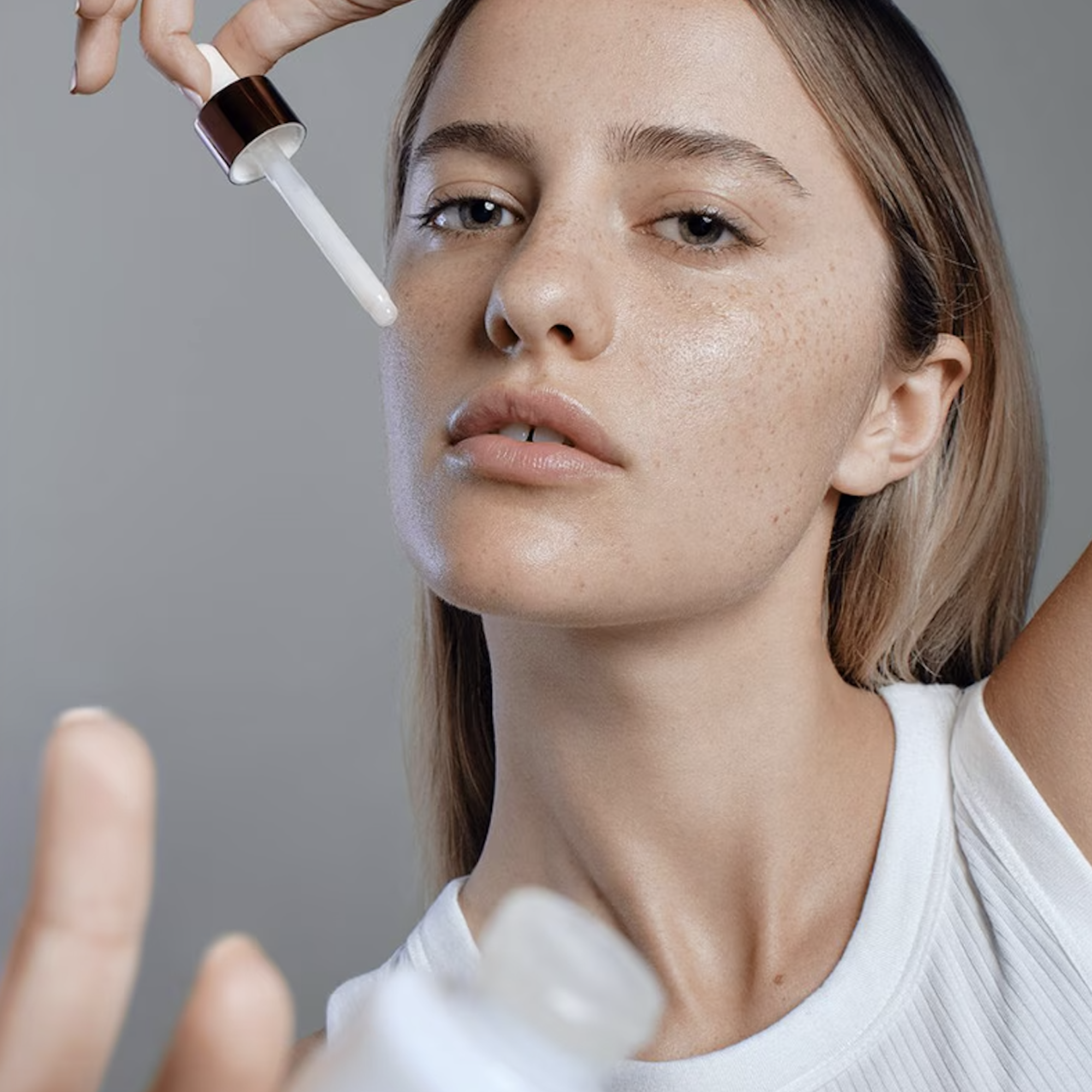
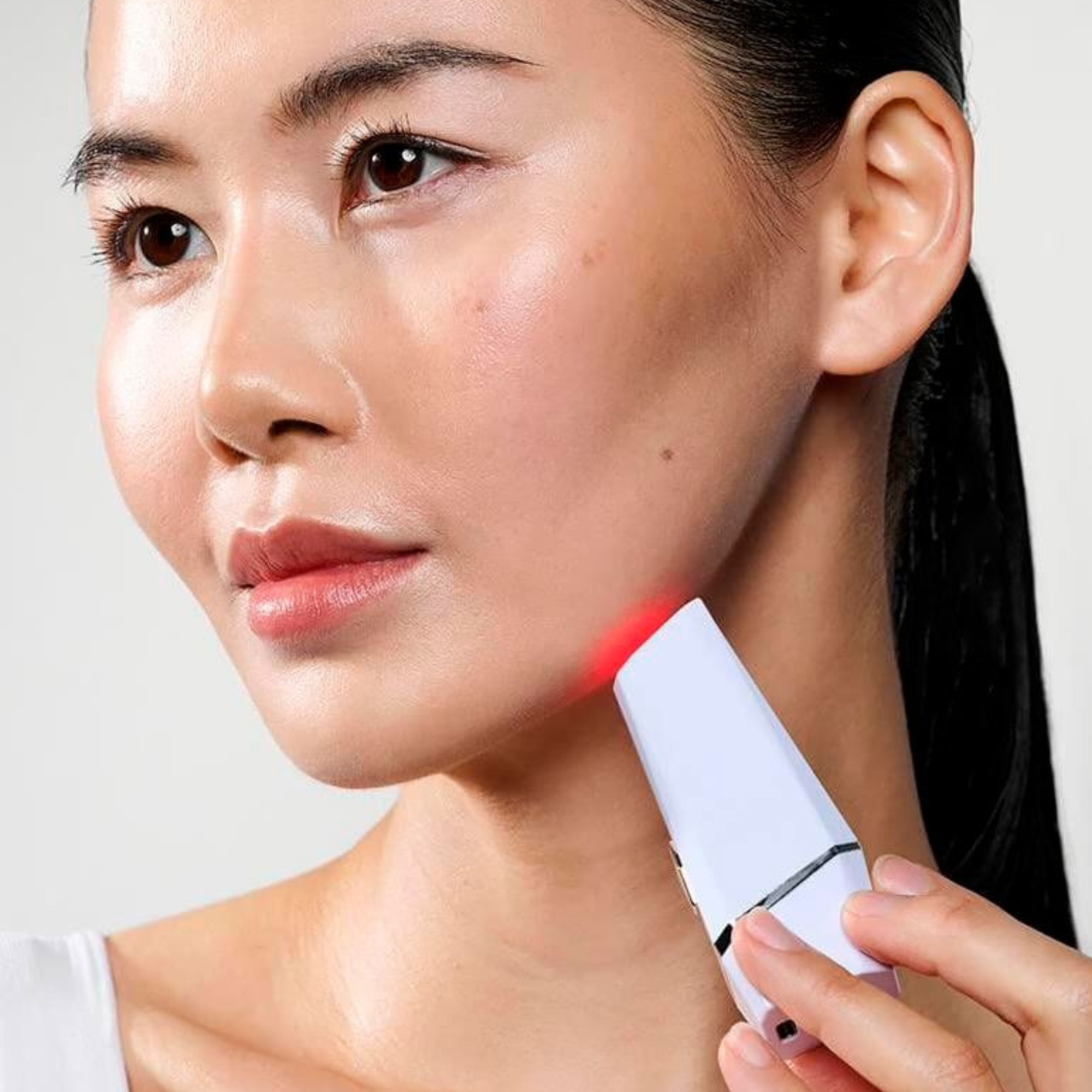
Shifting from correction to prevention, the longevity-seeking consumer is investing early rather than reacting late with their beauty and skincare choices. Even younger cohorts like Gen Z and Millenials are reaching for products that will deliver for them long after the day to day aesthetics. They are increasingly wanting proof of safety and efficacy behind their investment and these beauty shoppers are often tied to a specific, self-defined health goal rather than a generic anti-ageing narrative.
The Multi-Purpose Minimalist
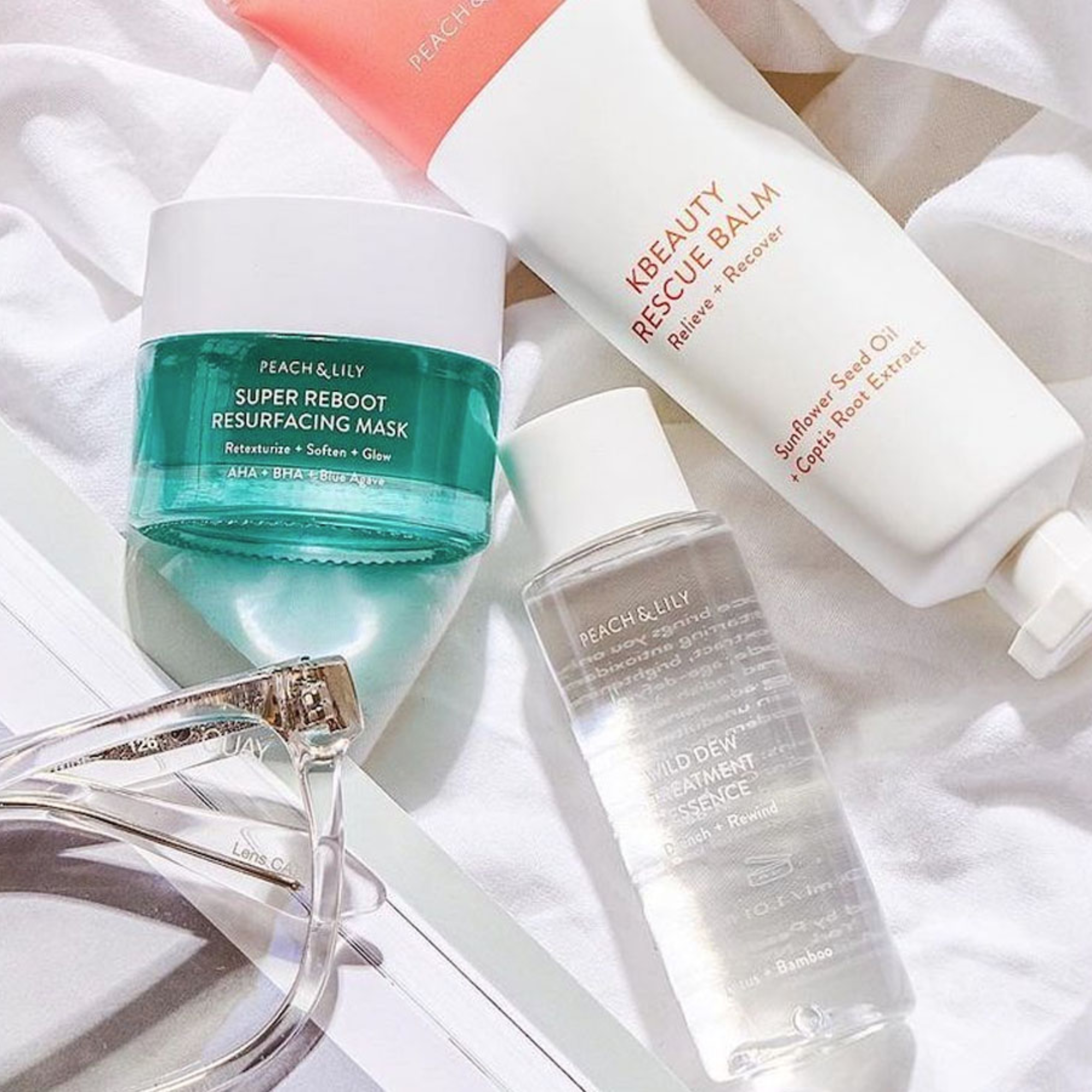
The "less is more" approach has emerged as a rising minimalist trend in beauty - a response to years of routine escalation and product overload. It's showing up through three parallel shifts: streamlined routines replacing multi-step regimes, transparent and minimal ingredient lists, and purposeful, considered consumption that is replacing impulse or trend-driven buying. This consumer wants a routine that's either radically simplified or genuinely multi-purpose, not both compromised at once, and expects each product to work harder, and more transparently.
The Tech/AI Forward Thinker
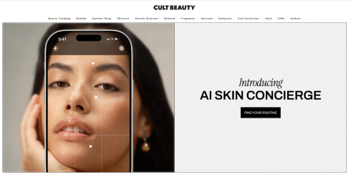
Rather than being wary of AI and technology advances in beauty, many consumers of actively embracing it and the demand for tech enabled optimisation is rising. Skin diagnostics and AI-driven personalisation aren't seen as gimmicks but as genuine tools for getting the right product to the right person. This consumer also wants the scientific literacy to back it up - the technology is only trusted if it can explain itself.
The Cultural Nostalgic
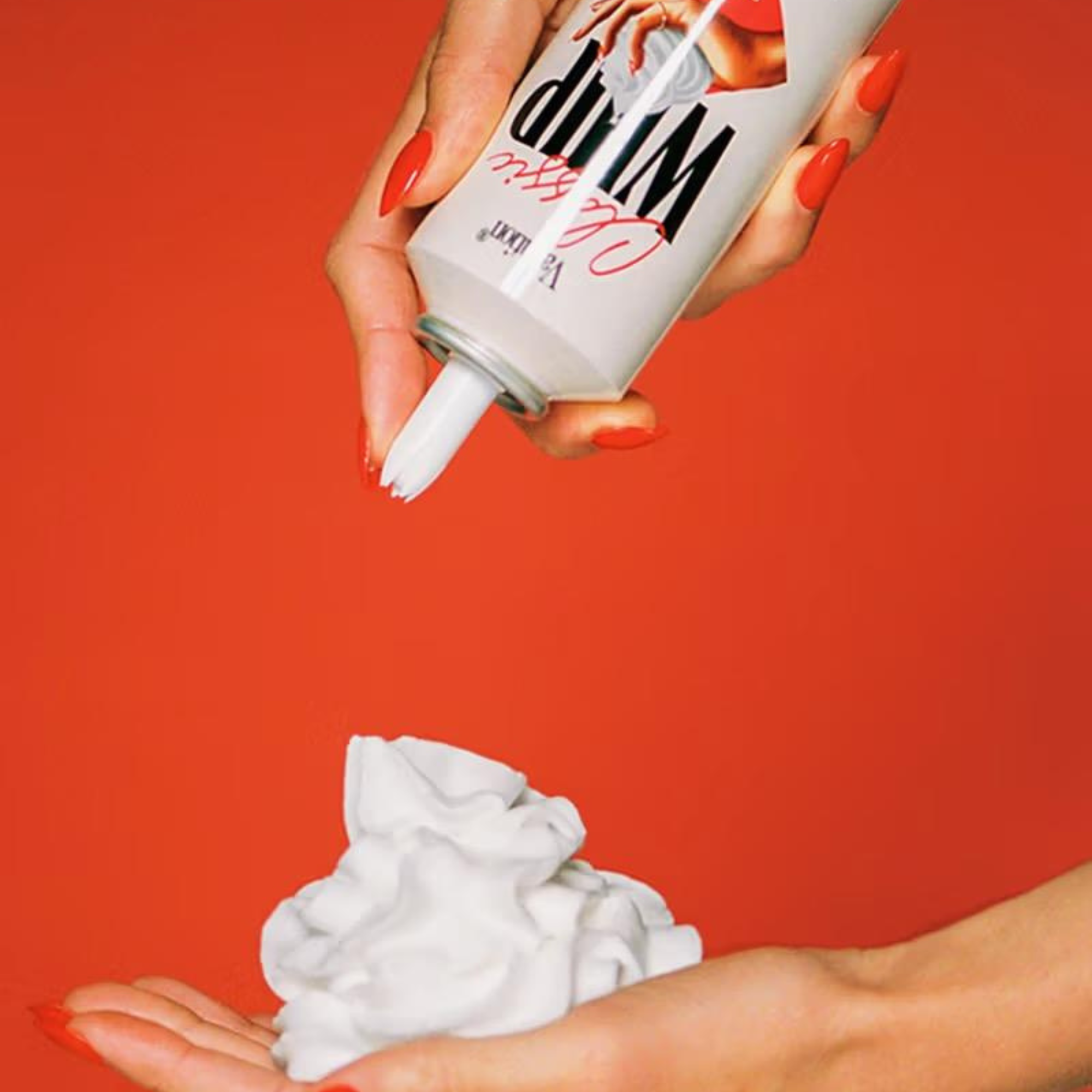
Reaching for throwback packaging, rereleased products, and unexpected collaborations, shoppers are responding to instability and overwhelm with a desire for familiarity within their fun.
In Context (POS, Shopper & Activation)
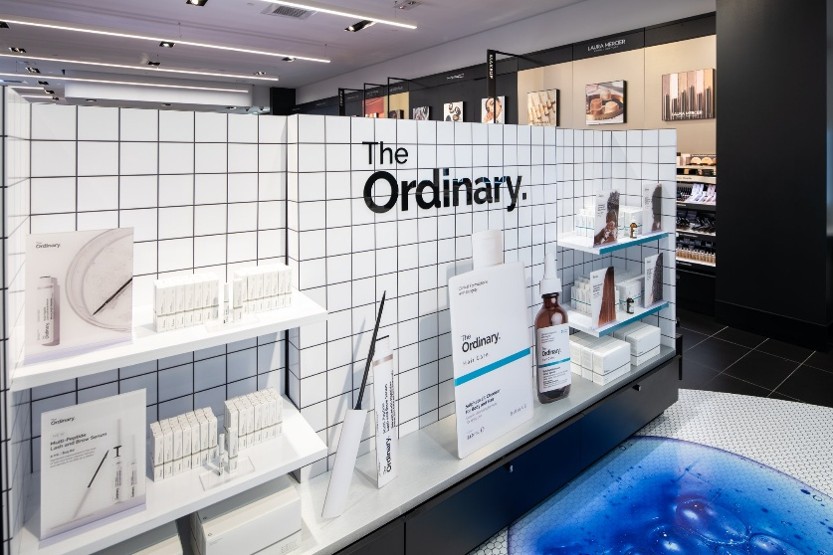
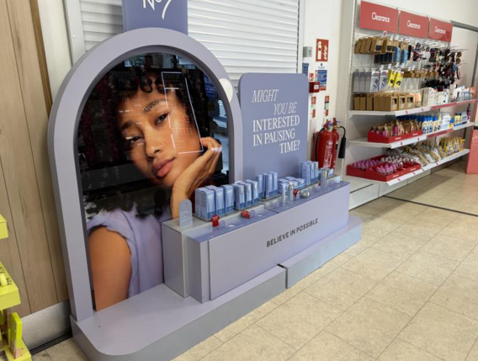
Longevity Seeker
This can be channelled in-store through skin consultation programmes and diagnostic tools framed around long-term skin health - tracking rather than fixing a current concerns. This can materialise as a display that focuses on the long-term rather than immediate impact. SPF is booming so merchandising year-round rather than seasonally is key, along with loyalty structures that reward a sustained routine, not a single purchase.
Example: Education & benefit-led displays.
Multi-Purpose Minimalist
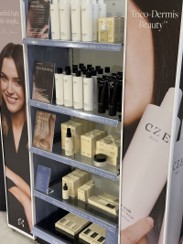
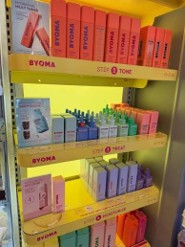
Simplified, curated shelves that spotlight true hero multitaskers rather than the full range are the clearest way to demonstrate this clean and minimal desire. Selling pre-planned routines even when multiple products are involved creates minimalism in the decision process – catering to the burnt-our shopper. Furthermor, clear and legible ingredient callouts on the display rather than buried on-pack reinforce the desire for the effectiveness consumer.
Examples: Minimalist displays and pre-set skincare and makeup routine displays.
Tech/AI Forward Thinker
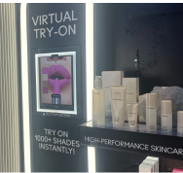
In-store AI skin-diagnostic mirrors or AI-led personalised digital questions can use technology to deliver personalised product recommendations at shelf. Increasingly customers can get salon or dermatologist-level expertise and recommendations in-store. QR-linked tools that let a shopper see the "why" behind a recommendation strengthen this further.
Example: AI-driven recommendations and technology-enabled virtual try-on.
Cultural Nostalgic
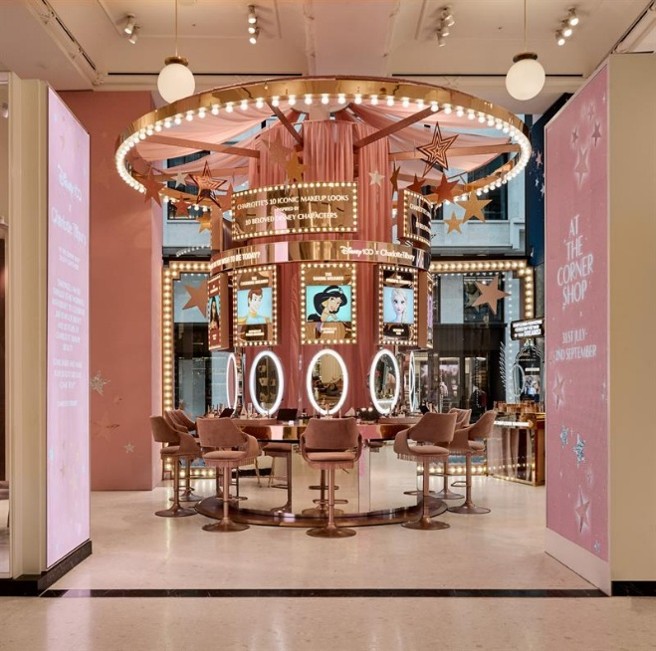
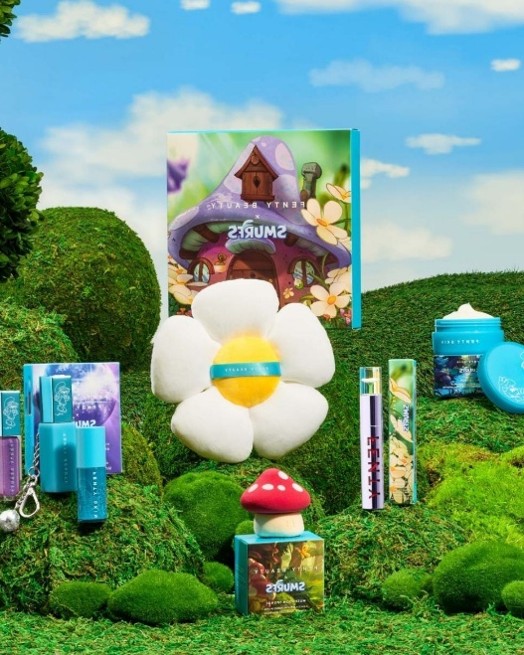
Brand collaborations with iconic childhood memories cater to consumers desire for familiar fun – this can be achieved through both higher-budget pop-ups and simple in-store activations that can capitalize on trends. Retro-visual merchandising that signals playfulness can also bring fun to products without compromising the effectiveness and transparency shoppers are seeking.
Examples: Branded collaborations for merchandise and display as a lower risk and development cost alternative to product
Key Takeaways
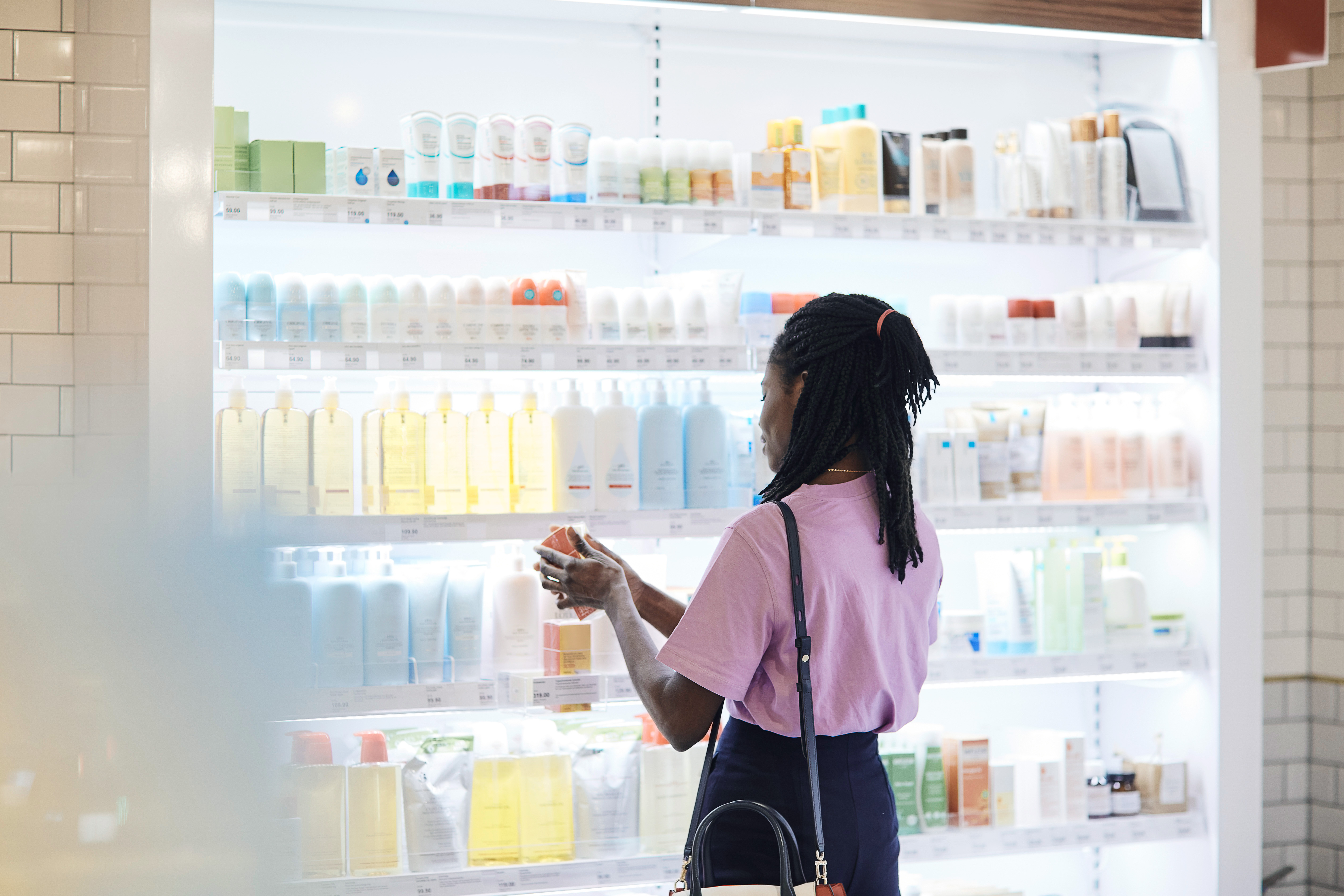
- Ingredient and safety concerns mean claims need substantiation at shelf, not just on pack.
- "Less is more" doesn't mean less commercial opportunity - curated, hero-led shelf edits and pre-set routines convert better with the burnt-out shopper.
- Tech-enabled personalisation is becoming an expected in-store service, not a novelty.
- Nostalgic collaborations and retro merchandising offer a lower-cost, lower-risk way to inject fun without compromising the trust the effectiveness-led consumer expects
Summary
For beauty brands, activating against this consumer means balancing proof and playfulness in the same space - often on the same shelf.
As a brand activation agency, adm Indicia helps beauty brands turn this future consumer understanding into POS, merchandising and campaign execution built to convert. Contact us to learn more about how we can help your brand.
Simplify your marketing execution and increase your performance


