
The loyalty paradox: why more loyalty programmes exist than ever, but genuine brand loyalty is declining

Loyalty scheme membership in the UK has climbed every year since 2023 - 87%, then 90%, now 91% of consumers enrolled in at least one (DMA, 2026). Hence it would be easy to think that for many brands, they are sitting on the most loyal customer base in years.
But they aren't.
Over the same period, the share of consumers saying they "stick to brands they know" for everyday purchases fell, from 76% to 67% (DMA, 2026). More people may be signed up to loyalty schemes, but this is not translating to day-to-day loyalty.
This gap is the paradox. And it is because of a series of disconnects, highlighting where brands and marketing are missing the mark.
But it's not a loyalty issue; it's a strategy issue.
Many brands are solving the wrong problem. Brands have spent a decade optimising the mechanics of loyalty while losing sight of what loyalty actually is.
The disconnected attitude vs behavioural roots
The consumer data tells a more nuanced story than just "loyalty is dying." Attitudinally, people don't feel any less loyal than they have in years; the proportion of people agreeing they feel less loyal to brands than a year ago sits at 36% in 2026 – which is barely different to where it stood in 2018 (DMA, 2026).
But behaviourally, consumers are switching more freely, particularly on everyday purchases. This widening gap can be attributed to the separation of feeling loyal from acting loyal - often driven by external pressure (cost-of-living pressures in an increasingly uncertain world), rather than a diminished relationship.
This distinction matters for strategy. Missing a purchase isn't losing the relationship - it may just mean the brand lost the value argument in that shopper's head, at that moment. But what it also does mean, is the window of opportunity is still there for brands to capture.
Yet many are failing to seize it because they're looking at the output of consumers - the switching, the discount-chasing - rather than the core behavioural signal underneath it: what's actually changed is the pressure consumers are under, not how much they value the brand.

Marketers are optimising from the wrong signals
A marketer’s top line proposal for keeping loyalty is theoretically this: consumers are worried about money, so we should offer them discounts to make it easier. Right?
Wrong.
Consumers don't want that deep down - and it is that depth which marketers need to look at to create loyalty over impulse.
What consumers seek is stability and trust amidst the uncertain market that is shaping their cautious purchase behaviours. And that disconnect between seller and buyer is clear in the data: 74% of marketers believe price promotions make a customer more likely to stick with a brand; but in reality, only 55% of consumers agree that's true of their own behaviour (DMA, 2026).
Attention grabbing vs relationship building
The gap stems from confusing attention with loyalty. Attention is a sales pitch, driving brand awareness, selling your proposition as quickly as possible. Loyalty is relationship, existing outside of the customer’s direct exposure to campaigns.
When brands use loyalty schemes as strategies for sales pitches, that's when they start to alienate customers. Instead, they need to look at what the engagement can strengthen - the relationship and trust.
Let’s look at some brands with winning loyalty strategies and why that is.
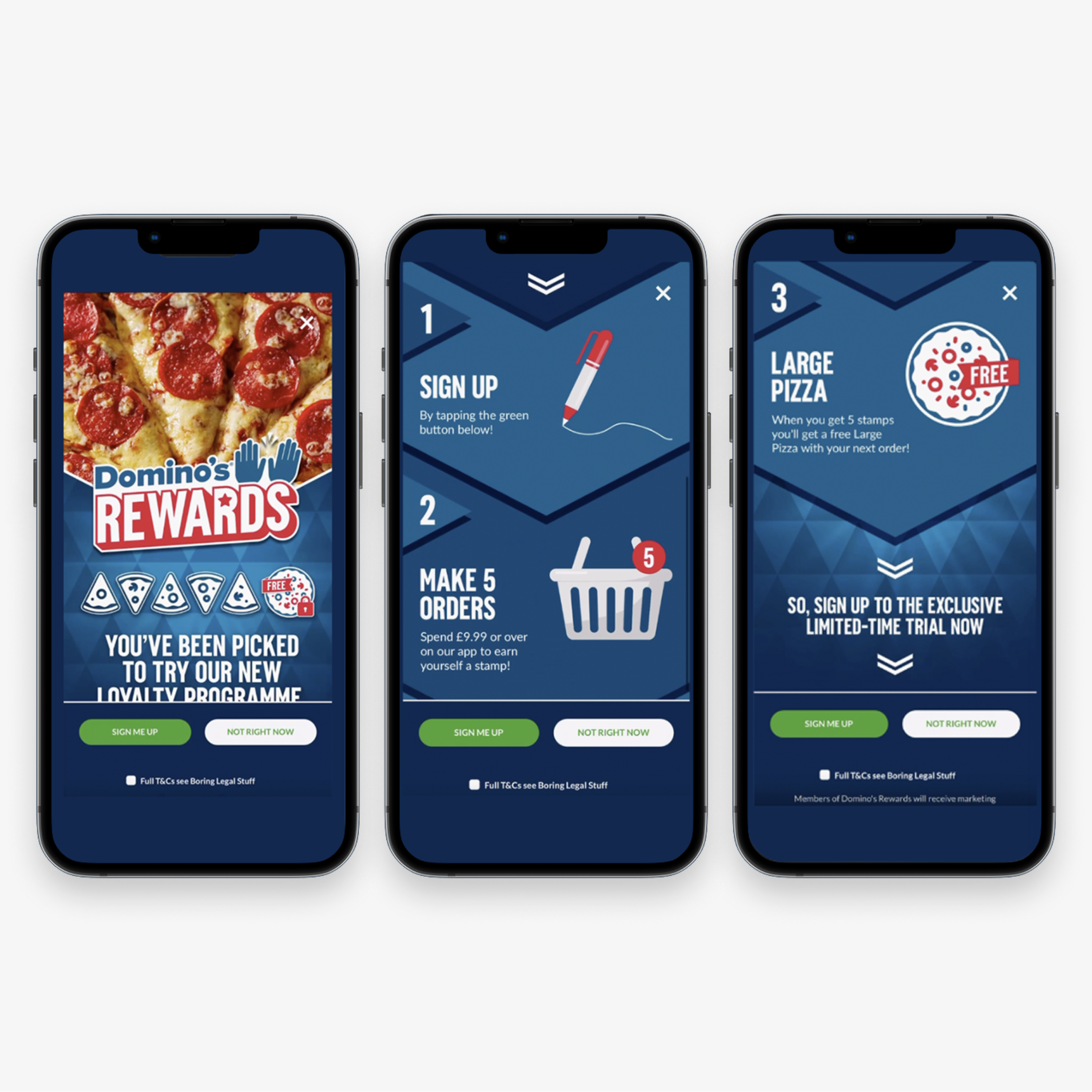
When Domino’s chose the mechanic for their recently launched scheme, they prioritised simplicity over value in going for stamps over points. Points could’ve led to bigger savings for customers, but they chose the pizza chain over other QSRs (Quick Service Restaurants) because of ease, and reliability – reinforcing why loyal customers choose them. A stamp system makes the rewards visible, and easy to ascertain.
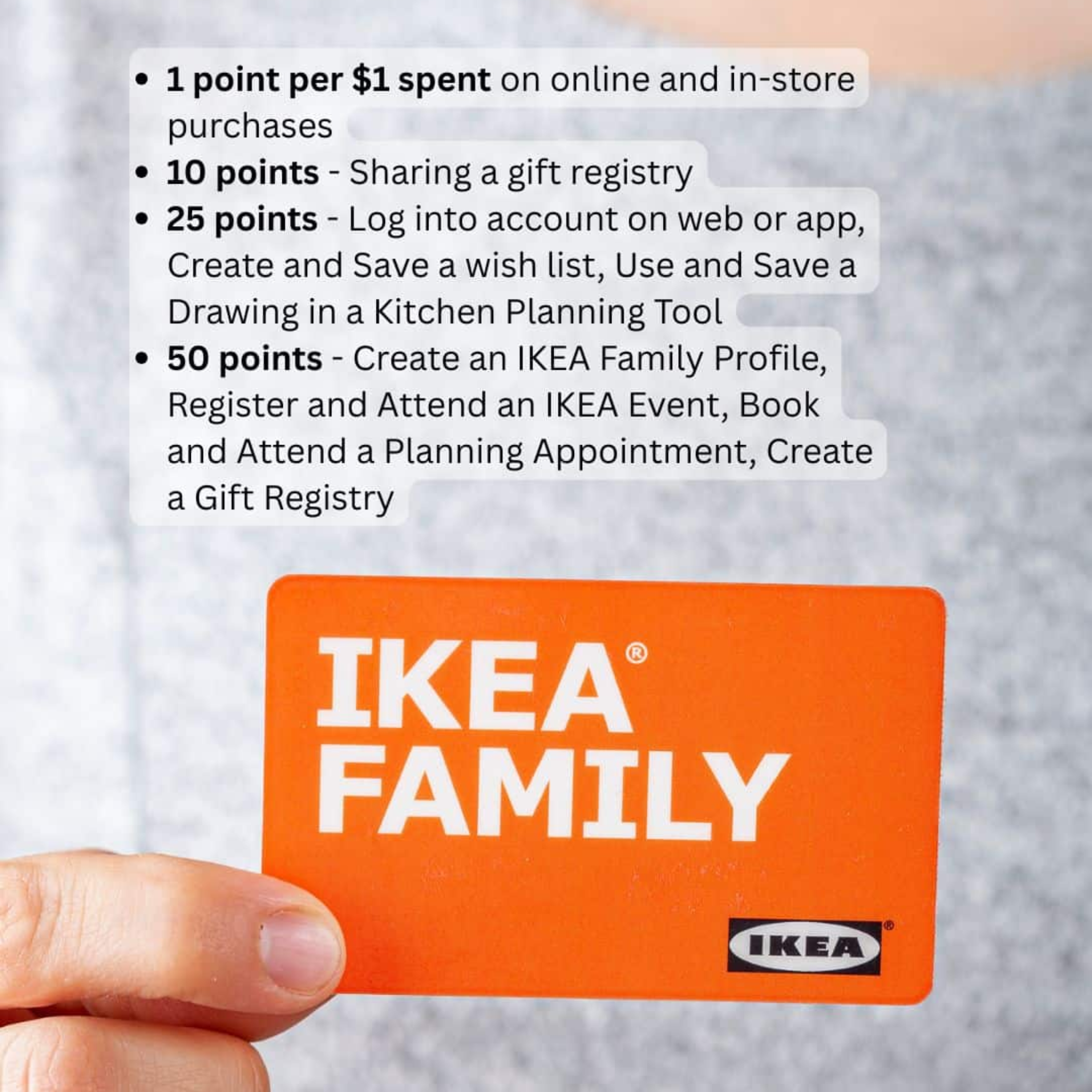
Others like IKEA, now reward engagement and behaviour rather than spend alone, such as creating wishlists or saving room inspiration. This tells the customer the brand values more than their money, and in return the customer starts to experience the brand as more than a transaction. Loyalty = strengthened.

And not all loyalty strategies even need to reference purchase. Nike’s run club members probably wouldn’t say they keep coming back for monetary benefits, but instead for the community and education. It is positive brand affinity that is silently building the loyalty that will take the tortoise to the till, rather than a hare sprinting with the biggest savings proposal
A discount gets a response, but it doesn’t demonstrate to a consumer the brand understands. Considered loyalty strategies are what do.
This is where reward design matters more than reward size. Rory Sutherland's observation on loyalty economics is useful here: the value of a reward often isn't in its size, but in whether it clears a psychological threshold. A large discount on something a customer was never going to buy is worth less than a small one that pushes an everyday treat just below their personal guilt threshold."
In short: loyalty offerings need to be rooted in psychological relevance to the brand and its identity - that's what builds the trust relationship.
The key argument
A loyalty scheme is a relationship builder, not a sales pitch. The moment it starts to feel like the latter, it risks alienating the very customer it was meant to retain - losing sight of why that customer is loyal in the first place: a genuine relationship where they feel understood and get exactly what they expect.


