
The Little Treat Economy: 5 New Opportunities for Brands
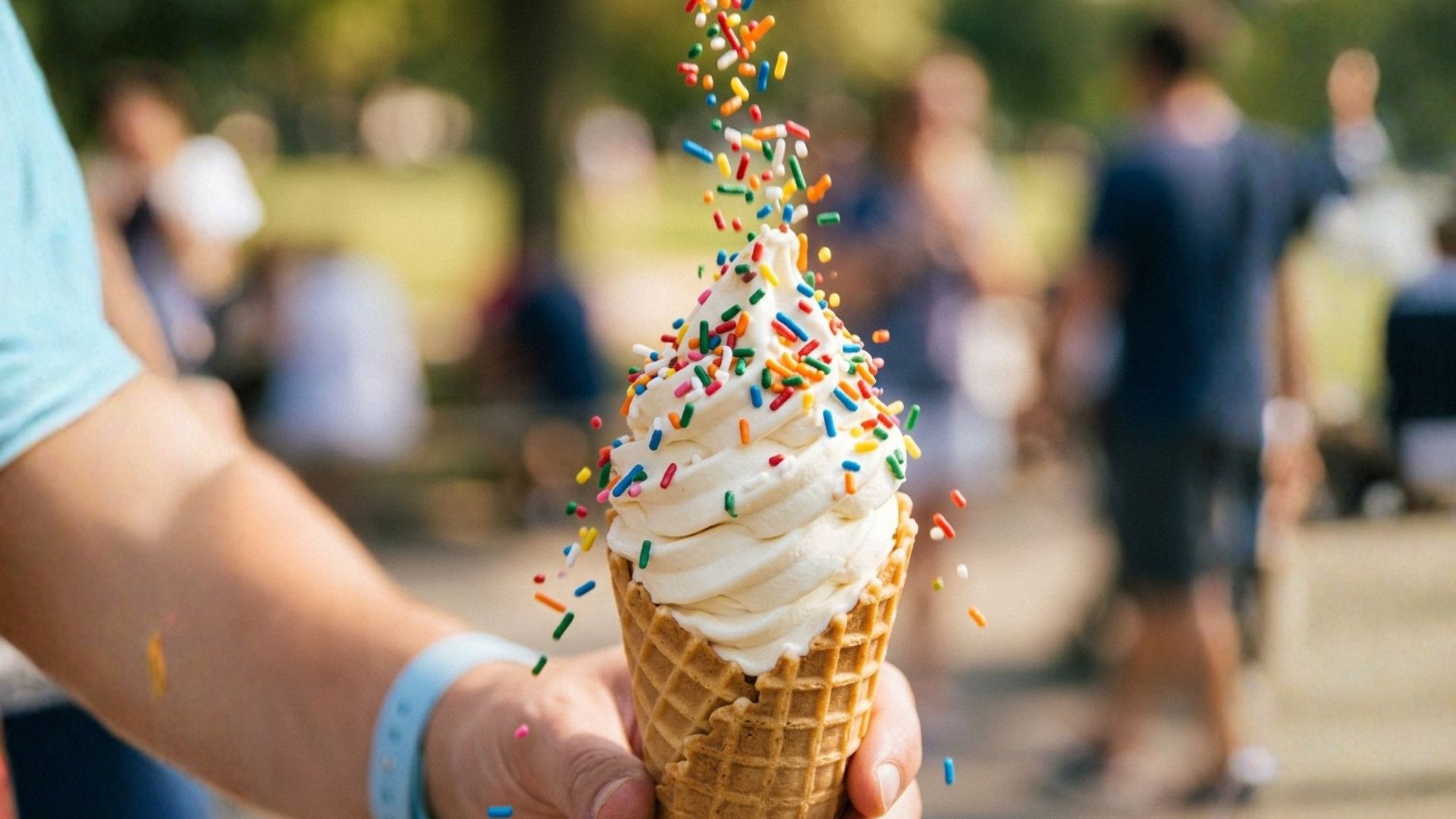
In the food and beverage industry, small indulgences are taking center stage.
‘Little treat culture’ describes the growing consumer behaviour of affordable, everyday luxuries that deliver emotional reward, comfort, or escapism. Daily treats and moments of joy are being celebrated amidst the mundane and the uncertain. This shift in consumer behaviour is opening new avenues for brands to meet consumers in more frequent, emotionally-resonant ways.
For brands, this creates a powerful opportunity: growth is no longer just about bigger occasions, but about more meaningful micro-moments. Below are five ways brands can respond to the rise of the little treat economy.
1. New treat-worthy moments: extending the occasion
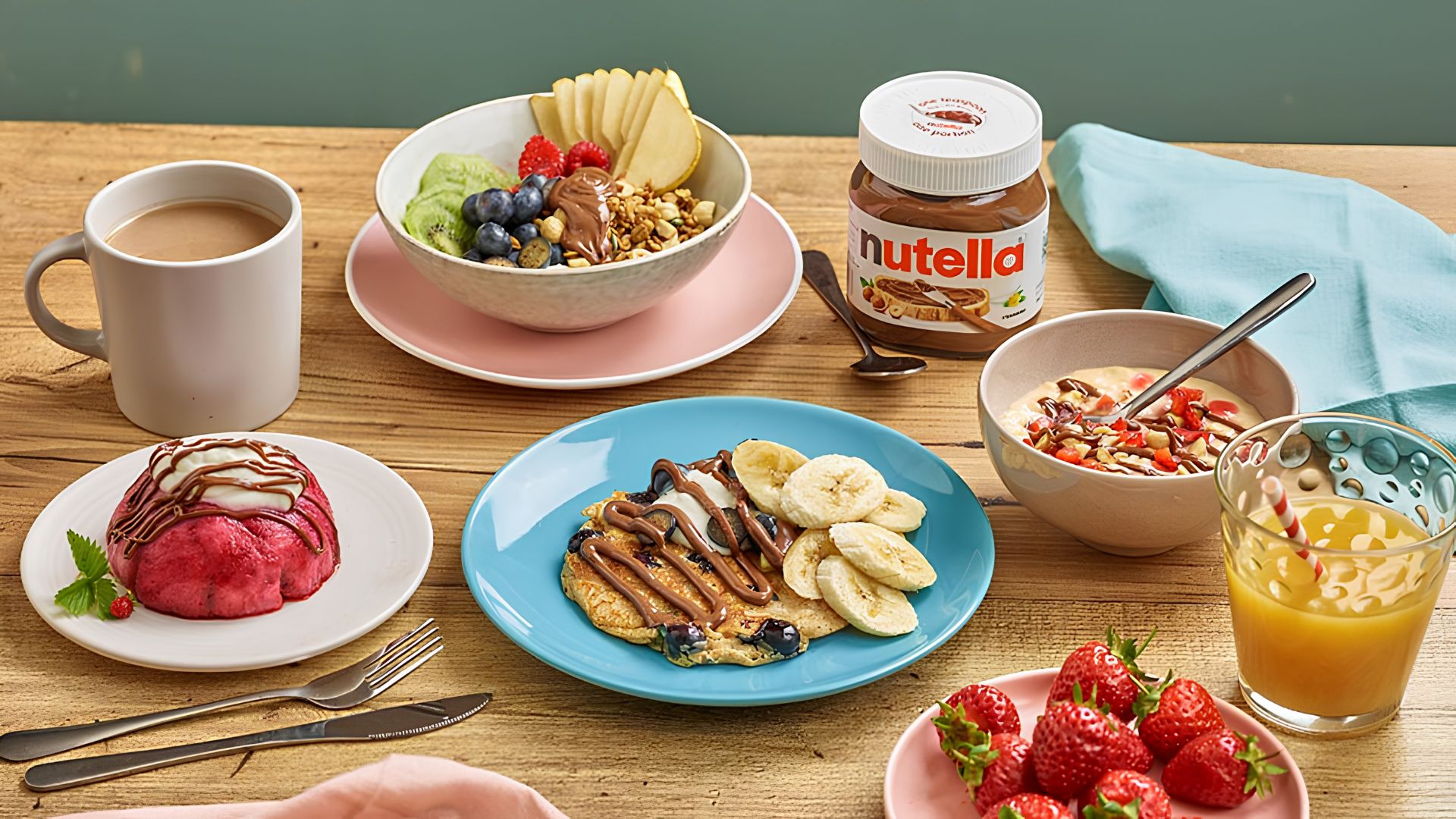
The first opportunity lies in expanding what qualifies as a “treat moment.” Traditionally, indulgence was reserved for weekends, birthdays, or dining out. Now, consumers are actively creating new occasions within the everyday.
We are seeing the rise of:
- Decadent breakfasts
- Late-night pick-me-ups
- Elevated snacks
For brands, the opportunity is to not just to focus on major events, but also to own the in-between, day to day moments. This presents a powerful growth opportunity, due to their frequency, and low-barrier to entry.
In Market: Nutella’s ‘Mornings Taste Better’ campaign.
2. Playful packaging: turning products into self-gifting
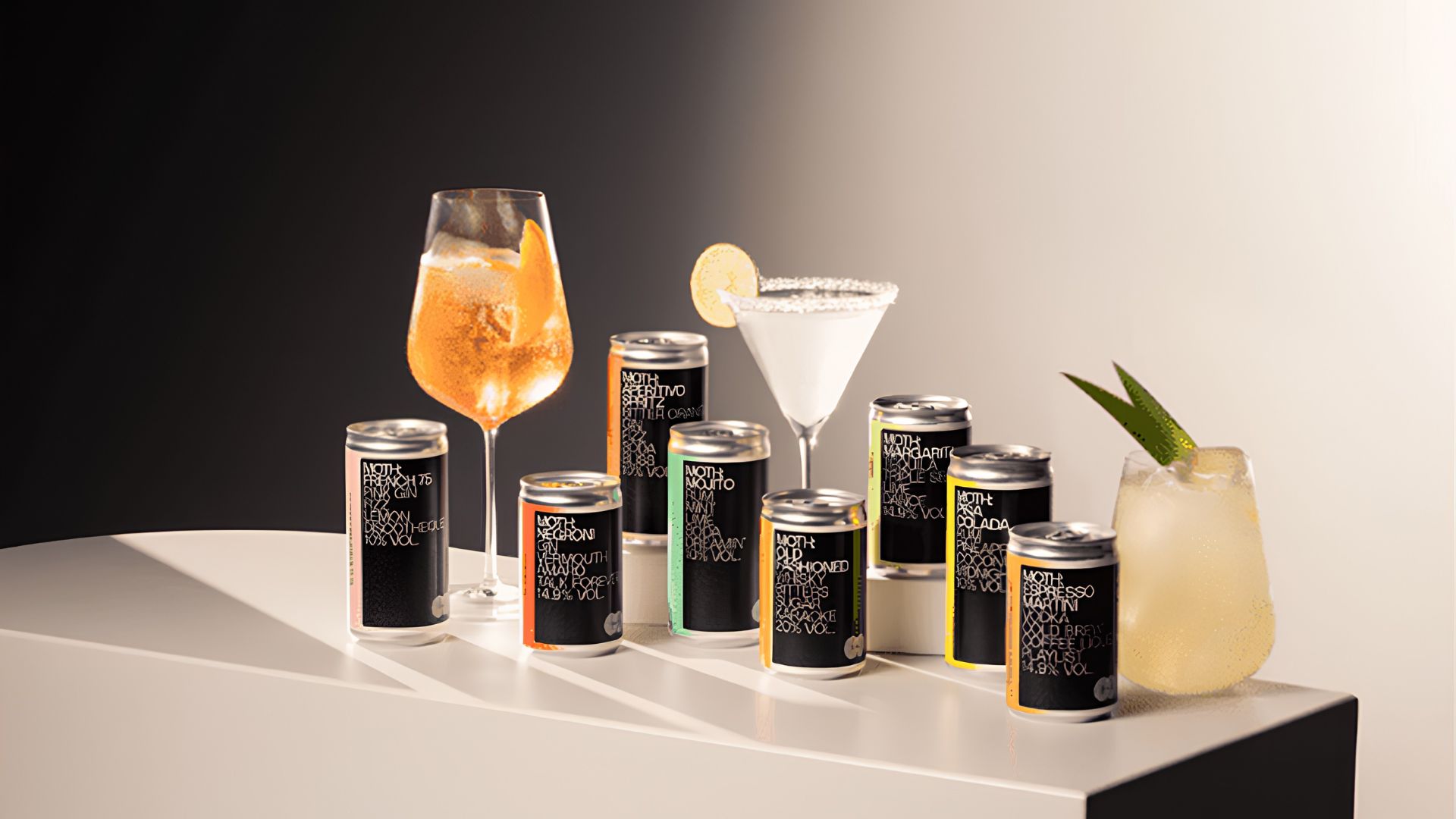
Packaging is no longer just functional - it is emotionally desirable. In the ‘little treat economy’, buying something with an elevated design can increase the value conveyed to the consumer, making it feel more decadent.
Upgraded, playful, or aesthetically distinctive packaging can transform even everyday products into moments of self-gifting. This can particularly resonate in FMCG categories like snacks, confectionery, and drinks, where the product is often consumed alone and often, but can create a moment of solitude – and hence a window for self gifting
Bright colours, tactile materials, limited-edition designs, and premium finishes all help reposition a product from routine purchase to intentional treat.
In Market: MOTH’s elevated sleek, matte black RTD packaging.
3. Experimental delight: driving novelty and curiosity
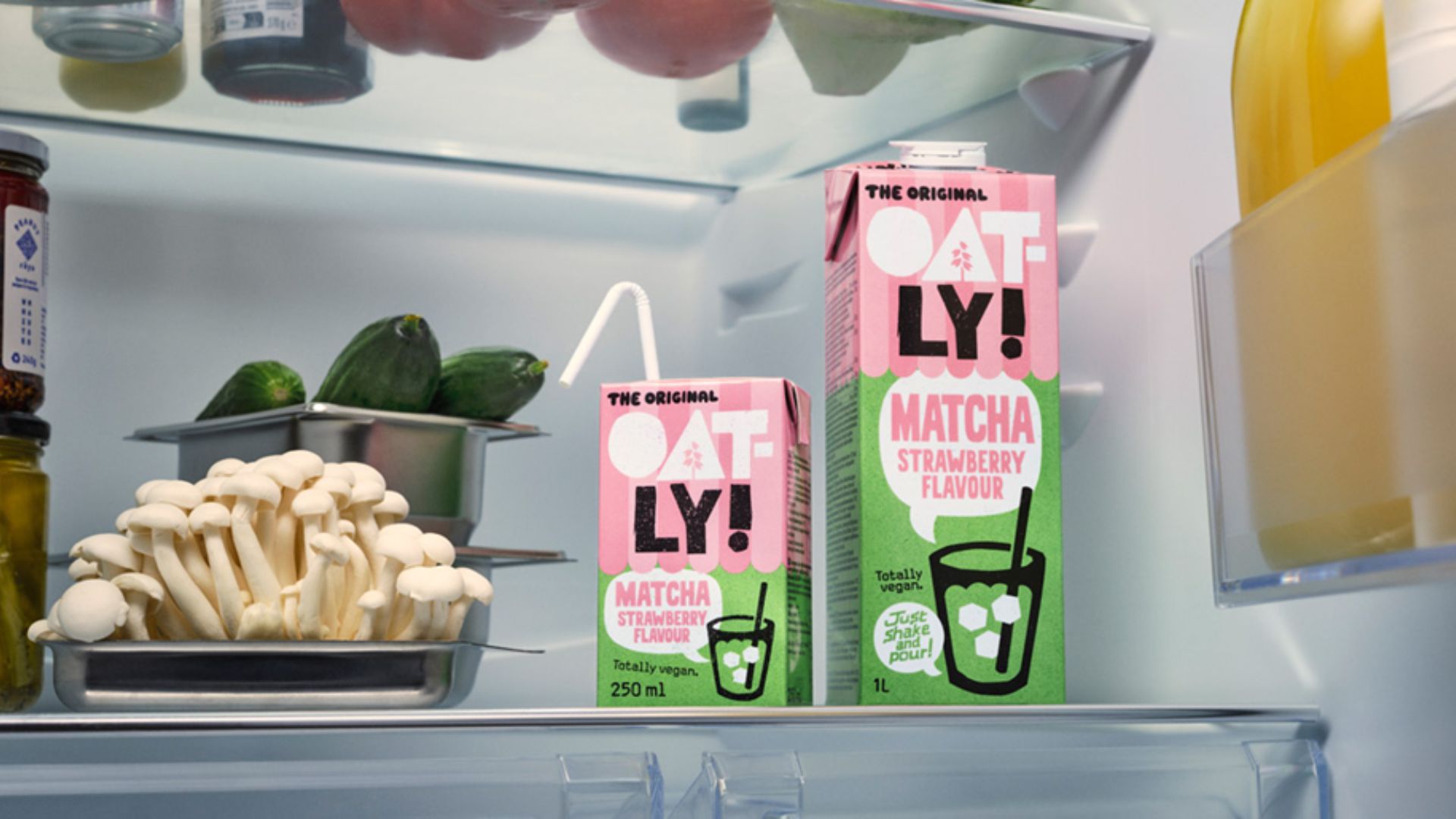
Consumers are increasingly open to experimentation, particularly when it comes in the form of small, low-risk indulgences. Novel flavours, unexpected pairings, and limited-edition innovations are all fueling engagement, and creating a reason for consumers to treat themselves. These creations provide an instant hit of excitement with a low-risk surprise.
This is evident in the rapid rise of flavour trends and viral food moments, where curiosity often drives trial more than need. Whether it is unexpected flavour combinations or culturally inspired innovations, experimentation is becoming a key driver of purchase behaviour.
When it comes to small joys, curiosity, and the instant hit of excitement with a low-risk surprise, are purchase triggers.
In Market: Oatly’s Matcha Latte Strawberry Flavour.
4. Micro-indulgent moments: designing for emotional reward
Consumers are not just buying food - they are buying a feeling. This has led to the rise of micro-indulgent ‘moments’: window opening where brands can insert their products to support.
These moments might include:
- A mid-afternoon comfort snack
- A post-work “reset” drink
- A quiet evening indulgence
The key is scale: these are not large indulgences, but frequent emotional resets. Brands that succeed here will focus on consistency and emotional reliability rather than occasional impact.
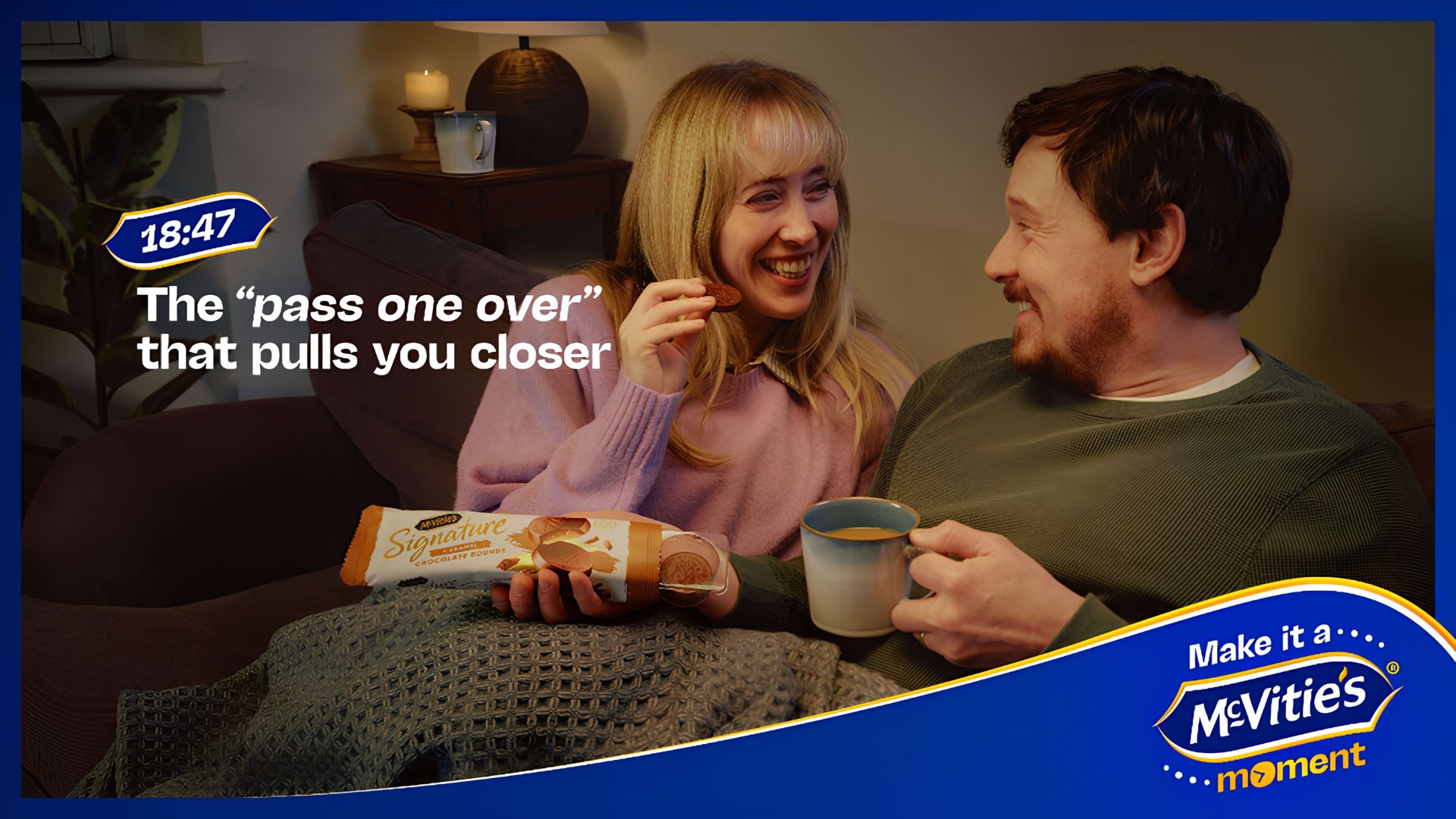
In Market: McVitie’s Signature ‘Moments’
5. Shareable indulgence: creating group-worthy moments
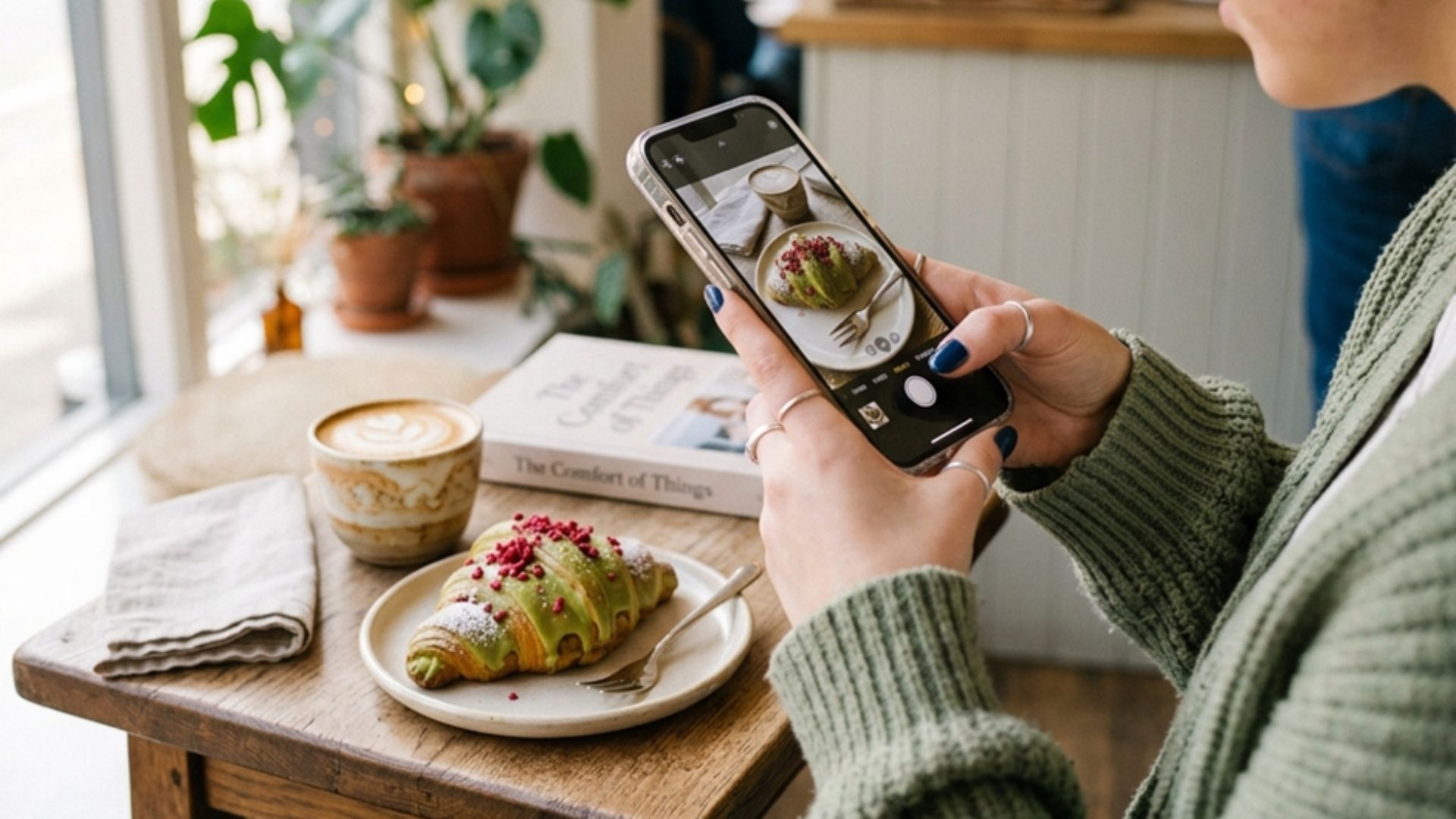
Even though many “little treat’ moments are individual, the act of treating yourself has become a trend that is shared. Social media has transformed personal indulgence into a collective experience, where consumers can offer inspiration to and build connection with others, to improve these simple moments even more.
• Visually striking
• Easy to film or photograph
• Naturally conversational or trend-driven
From viral desserts to aesthetic café drinks, shareability has become a form of value. We are seeing more brands positioning their products as moments to share, as well as moments to self indulge.
Key Takeaway
The little treat economy is not a passing trend, but a shift in how consumers relate to everyday purchases. Indulgence has moved from the exceptional to the habitual, and for brands, the opportunity is in making their product part of daily life, not just part of special occasions.
The brands that win will be those that understand the emotional opportunity their product has - and those that design packaging, positioning and messaging around it.
Simplify your marketing execution and increase your performance


