
The festive POS checklist: 8 checks before the final push
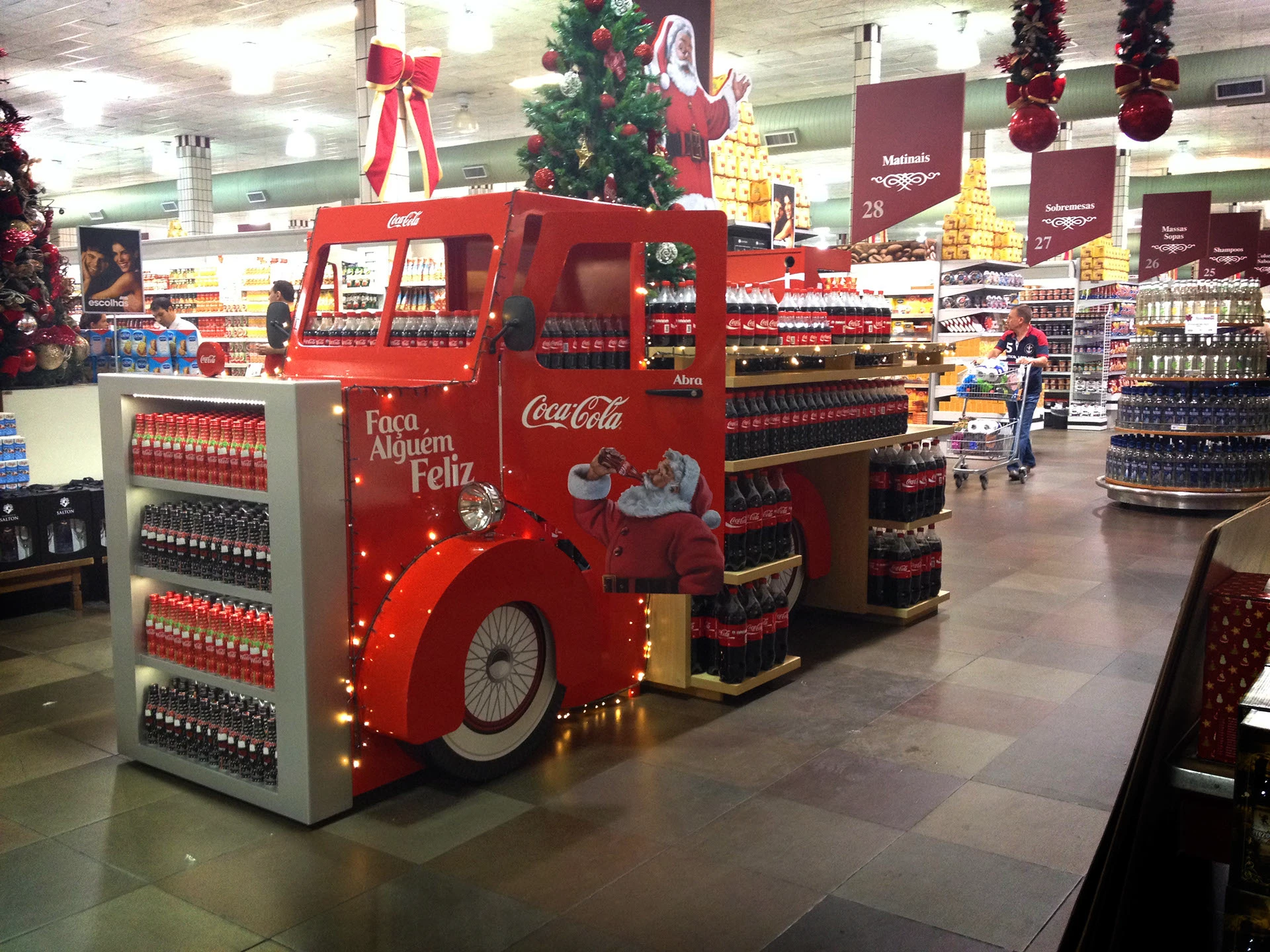
By November, most festive point of sale is already in store. The brief is signed off, the displays are built and the planograms are locked. The work now is making sure what's in store keeps earning its space through the busiest six weeks of the retail year.
Timing matters. PwC's 2025 festive research found 46% of UK shoppers had finished their Christmas shopping before December began, with another 47% buying in early-to-mid December. So in order to maximise, displays and activations need to withstand this full window.
Here are 8 checks to run while there's still time to act.
1. Can the message be read in three seconds?
Festive shoppers move quickly through crowded stores. If a display needs reading twice, it won't be read, especially in the hustle and bustle of Christmas shopping. You may think once this is established with copywriters in the design stage the work is done, but compliance is key. Ensure the product, the stated occasion and any offer are clear from a few metres away within the shoppers journey.
2. Does the display do the gift-giver's thinking?
A shopper buying for someone else is often unsure, not just busy. Cues such as "gift for the host", "under £20" or "ready to give" reduce the effort of deciding, and skip past decision drop off points on the path to conversion. A display speeds shoppers alone with this supports them.
3. Is Black Friday competing with the festive message?
The two share a shopper. eBay Advertising UK found 49% of Christmas gift buyers were likely to buy gifts on Black Friday, and 29% of adults do most of their Christmas shopping in the sales (2025). When activating, ensure features either chose a role, or fulfil the demands of both effectively so price-led and gifting POS don't send mixed signals.
4. Are secondary placements in the right place?
Gondola ends and aisle displays get moved or crowded out as the season goes on. Location matters more than most plans assume. A peer-reviewed supermarket study found rear endcaps drove a higher total brand sales uplift (416%) than front endcaps (346%) (Flinders, 2018), acting as a draw into the aisle, although front endcaps delivered more sales from the endcap itself. Placement is key – and consistency of this throughout the season will help mitigate ROI drop off.
5. Is stock depth matching demand?
45% of consumers would switch brands if their chosen product was out of stock (TELUS, 2026). However good the display and effective the campaign, if the stock can’t fulfil demand, this is lost opportunity for each extra wins. Identify which gifting lines are selling fastest and confirm replenishment before the peak weeks, not after.
6. Will the display survive six weeks of footfall?
By December, many of the flimsy, high-footfall cardboard fixtures are damaged, half-empty or out of position. Sustainability is key, but so is robustness and maintenance. A simple way to mitigate is through ensuring a simple routine through field teams or store contacts that makes sure displays are tidied and restocked regularly.
7. Does the offer work for gifting and self-treating?
Many festive shoppers buy for themselves too around the festive period, to the extend eBay UK found 29% of shoppers spend more on themselves than on others at Christmas, rising to 50% of millennials (2025). Not making sure activations target both also offers another window of opportunity that is missed, so make sure pack sizes and process as well as messaging cater for both consumer motivations.
8. Is there a plan for the last stretch?
Gifting is mostly done early, so the last weeks are more about food, drink and top-up shops. Only 8% of shoppers planned to leave their gift shopping until the week before Christmas (PWC, 2025), but grocery behaves differently - Monday 23 December 2019 saw the busiest shopping day ever, at £798 million (Kantar). Increased visibility for essentials and impulses in those final days are more important and promise higher returns than last minuting gifting POS.
BONUS: Record what you see
Trends and insights around the Christmas period change year to year but the crux stays the same so making sure performance, activation and challenges are tracked is essential. Photograph displays, note what sold through and record what didn’t land. Most of the learning for 2027 comes from what you see in store this year in the pre-holiday spend , and it's rarely captured once January arrives.
Simplify your marketing execution and increase your performance


