The adm Indicia annual Advent Calendar review – the best of 2026 and why they work from a marketer's lens
What brands can learn for GWP, VAP and gifting from winners in this market
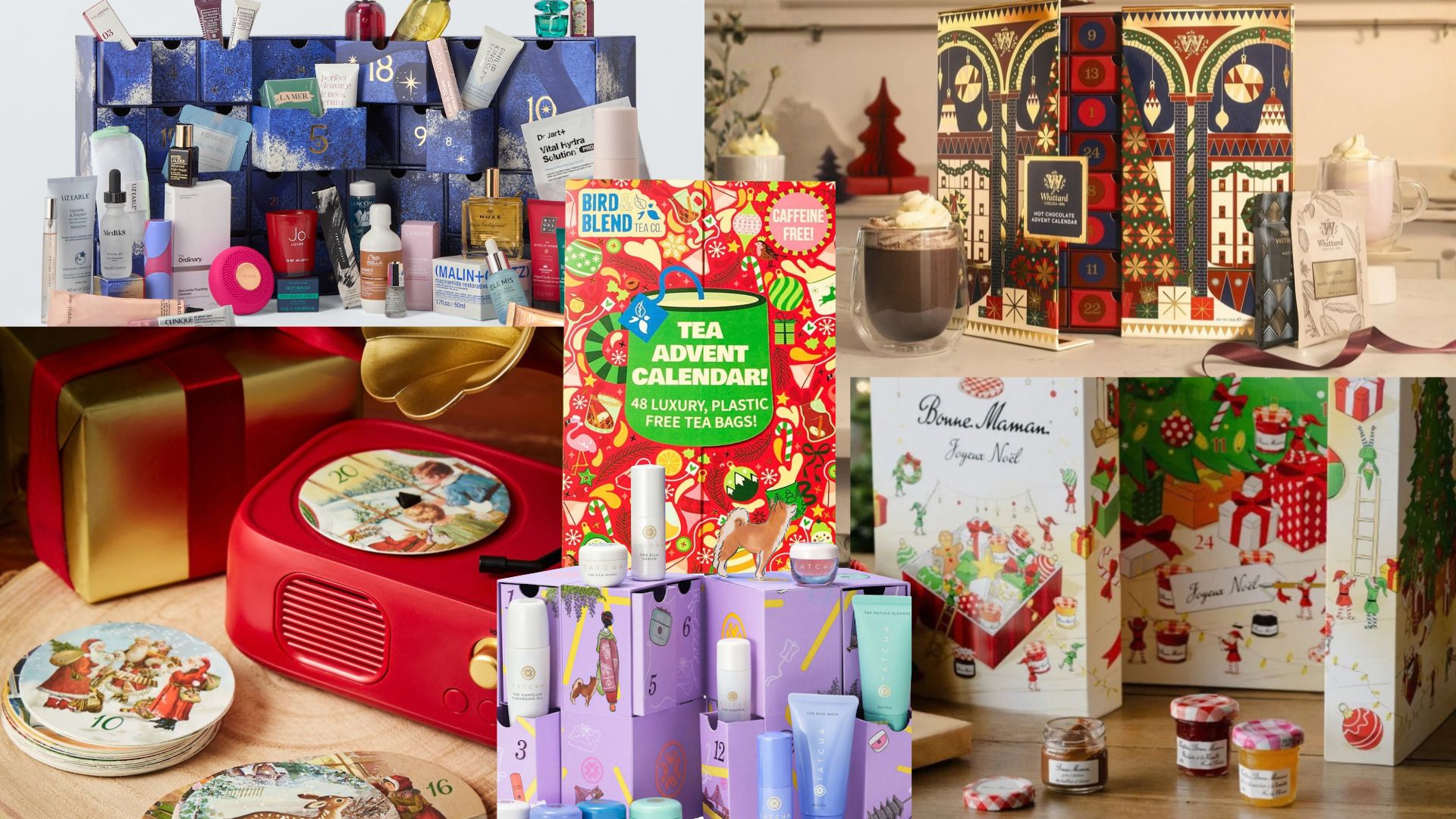
For the 3rd year running, we've taken a deep dive into one of the most competitive and creative corners of seasonal marketing: the advent calendar. Once a simple festive countdown tradition, it has become a multi-million-pound proving ground for brands in the VAP (Value-Added Packaging), GWP (Gift With Purchase), and gifting spaces.
As 2026's launches hit the shelves, the format shows no sign of slowing — but the strategies behind the strongest entries have sharpened, and this year's round-up looks beyond the UK's usual suspects to include how brands in Germany and Scandinavia are using the format too. Here's our marketing team's round-up of the calendars that stand out this season, and what brands can learn from their success
Nostalgia to counter AI
Tacha 12 Ways to Love Your Skin Beauty
In the AI world, it has never mattered more for brands to signal they still value human creativity and connection. Tacha has demonstrated this with their beauty and skincare countdown through a an illustrated, storybook-style beauty advent calendar, standing apart from the wave of AI-generated imagery and hyper-produced content that is now increasingly prevalent
The reason this calendar wins is not because the illustration is beautiful, its because it acts as a signal of identity. It communicates to the customer that they value genuine creativity, and are a trustworthy brand, in a time when audiences are increasingly wary of the opposite.

Acknowledging loyalty through gated access
John Lewis Beauty Advent 2026
John Lewis has made its 2026 Beauty Advent available exclusively to order through its app, and only for members, offering one of the highest value-to-spend content on the market this year. But it is not that value that makes it successful but that is not why this wins.
Loyalty is not just blindly rewarding customers with savings. It’s acknowledging what makes the brand valued and leaning into that. John Lewis is more premium, relatively exclusive brand that is valued by its customers because of that reputation. Hence in gating access to its most loyal customers, it makes them feel even more valued, and strengthens that relationship even further.

Experience is priority
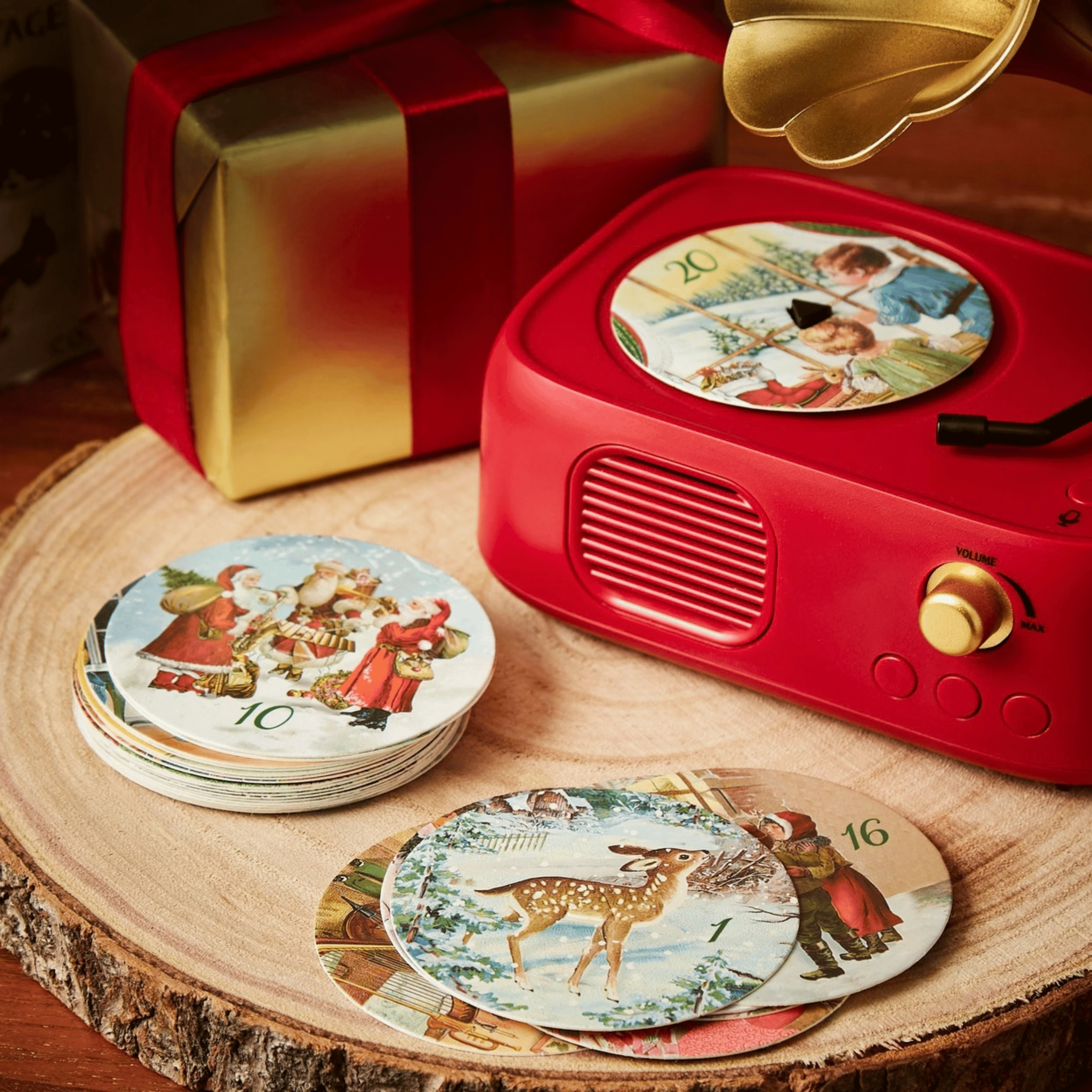
Fortnum & Mason’s Retro Recordable Musical Advent
Alongside its traditional food and drink calendar options, Fortnum & Mason has this year branched out to launch a novelty gramophone advent calendar, with a different record to play each day, each one a traditional Christmas tune
This may initially seem like a rogue choice for a brand who doesn’t sell music or electronics, but a marketer’s strategic eye spots why it works. It is because it isn’t really selling the product – it is selling an experience. It is offering Fortnum’s identity of luxury, heritage and cherished traditional family memories. The format expresses this – collective listening to a new tune each day, in a traditional design the harks back to simpler analogue days where connection was prioritised. An embodiment of the brand and what attracts people to it
Experience also as expectation
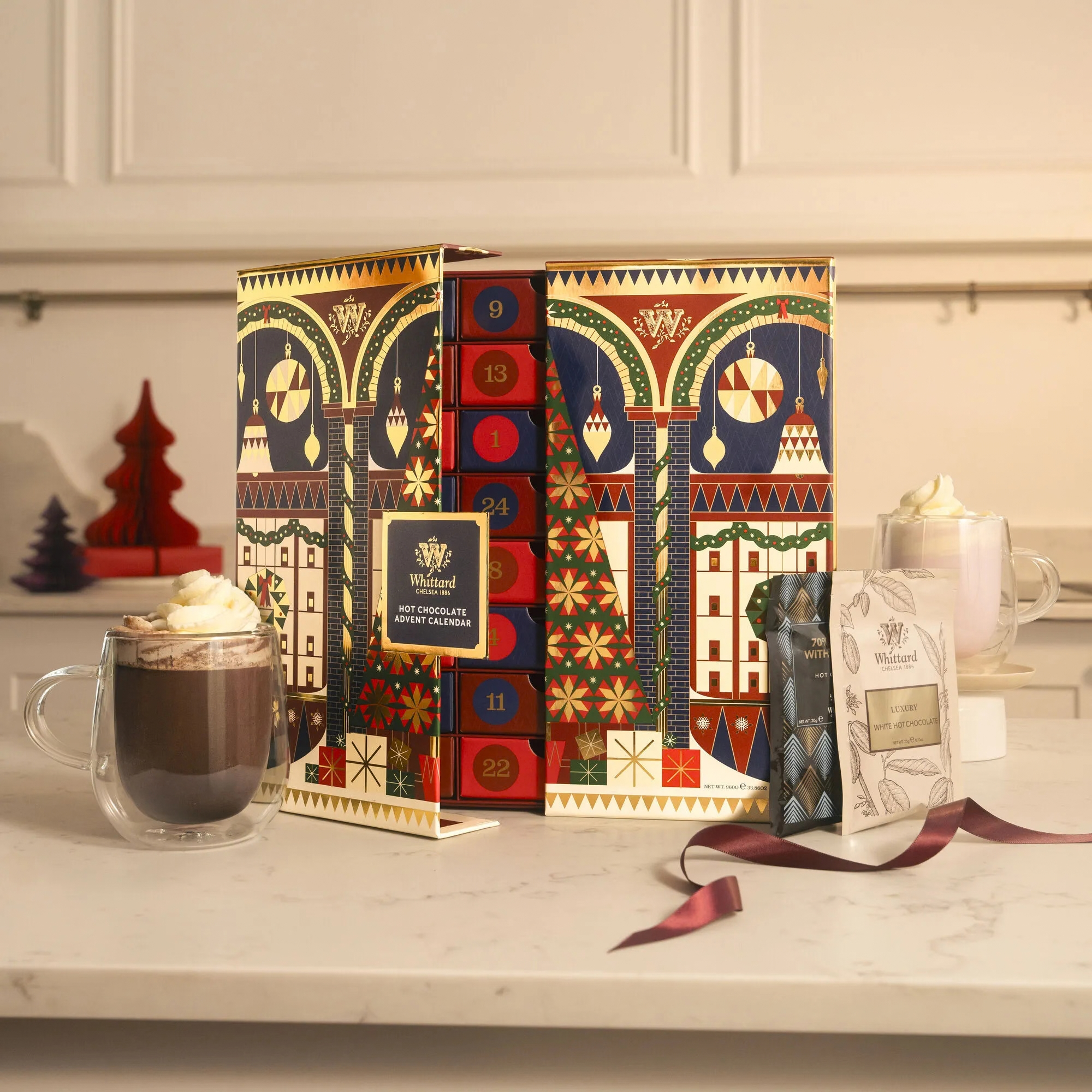
Whittard Hot Chocolate Advent Calendar
Whittard's hot chocolate calendar comes with two sachets behind every door this year, without being labelled or marketed anywhere as a shared or couples' experience.
This implies that Whittard's brand identity is already so strong with its loyal customers that they know it's something to be shared — the product doesn't need to spell it out. It also highlights the power of occasion marketing by implication: letting the format itself suggest how and with whom a product should be enjoyed, rather than stating it outright, can land more persuasively than naming the occasion directly.
Small joy upgrades to existing rituals
Bonne Maman Jam Advent Calendar
An annual favourite, Bonne Mamon’s jam advent calendar gives customers a different flavour of jam for their toast every morning throughout December. There is nothing especially new this year, but its continued poplarity highlights an opportunity in the calendar market for brands.
It elevates an automatic morning routine (having breakfast) into something a little more exciting by introducing a small element of discovery. Successful advent calendars don't always have to be an additional gift that wouldn't otherwise feature in someone's day (most people aren't eating a chocolate first thing in the morning, or buying a new beauty product everyday). They can be equally appealing in piggybacking existing rituals. This highlights the rising consumer trend of everyday upgrades and small moments of joy as consumer behavioural motivators, vs big treats. . It is also a great way to use trial to target new from existing customer spend.
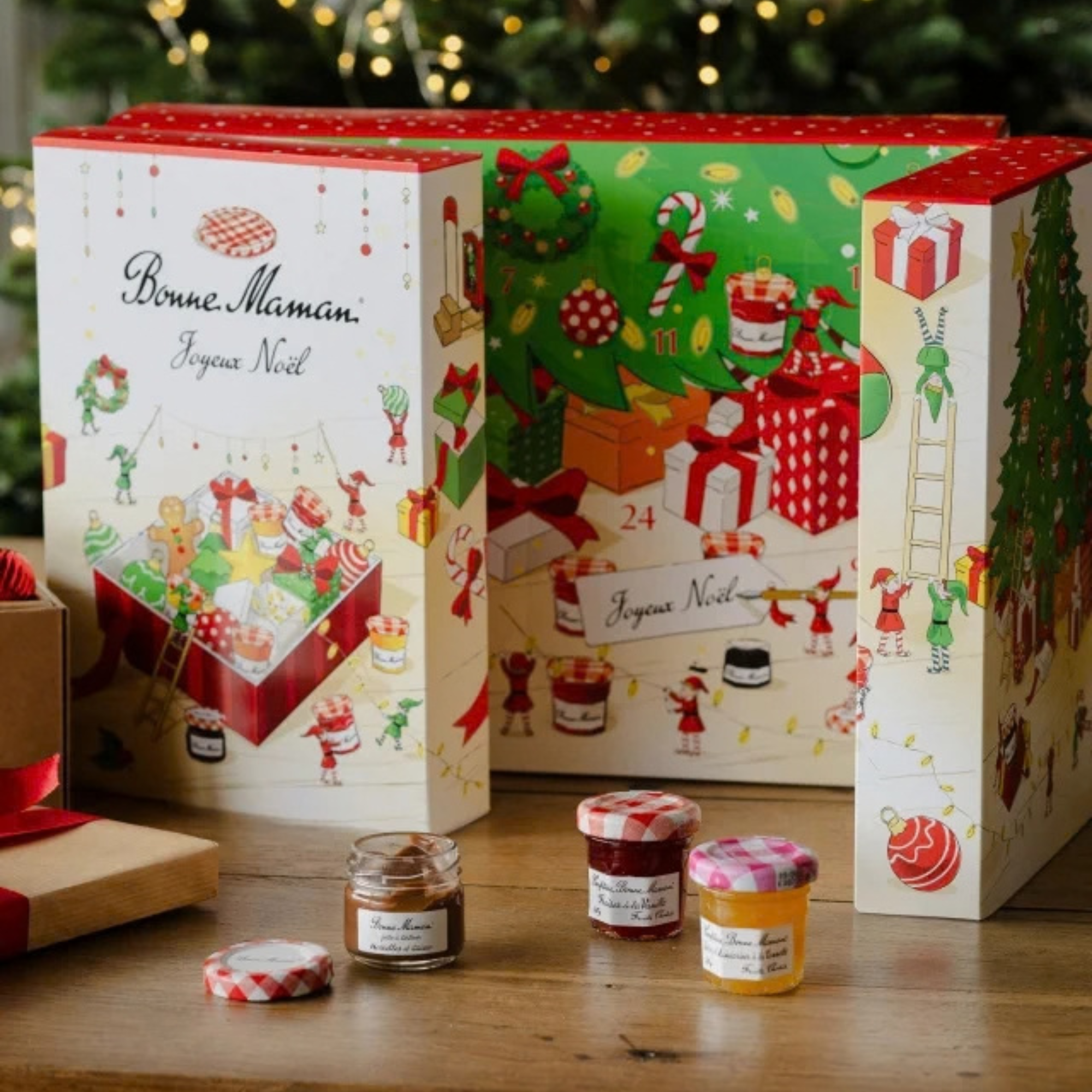
.. whilst also creating rituals to build brand-connected habits
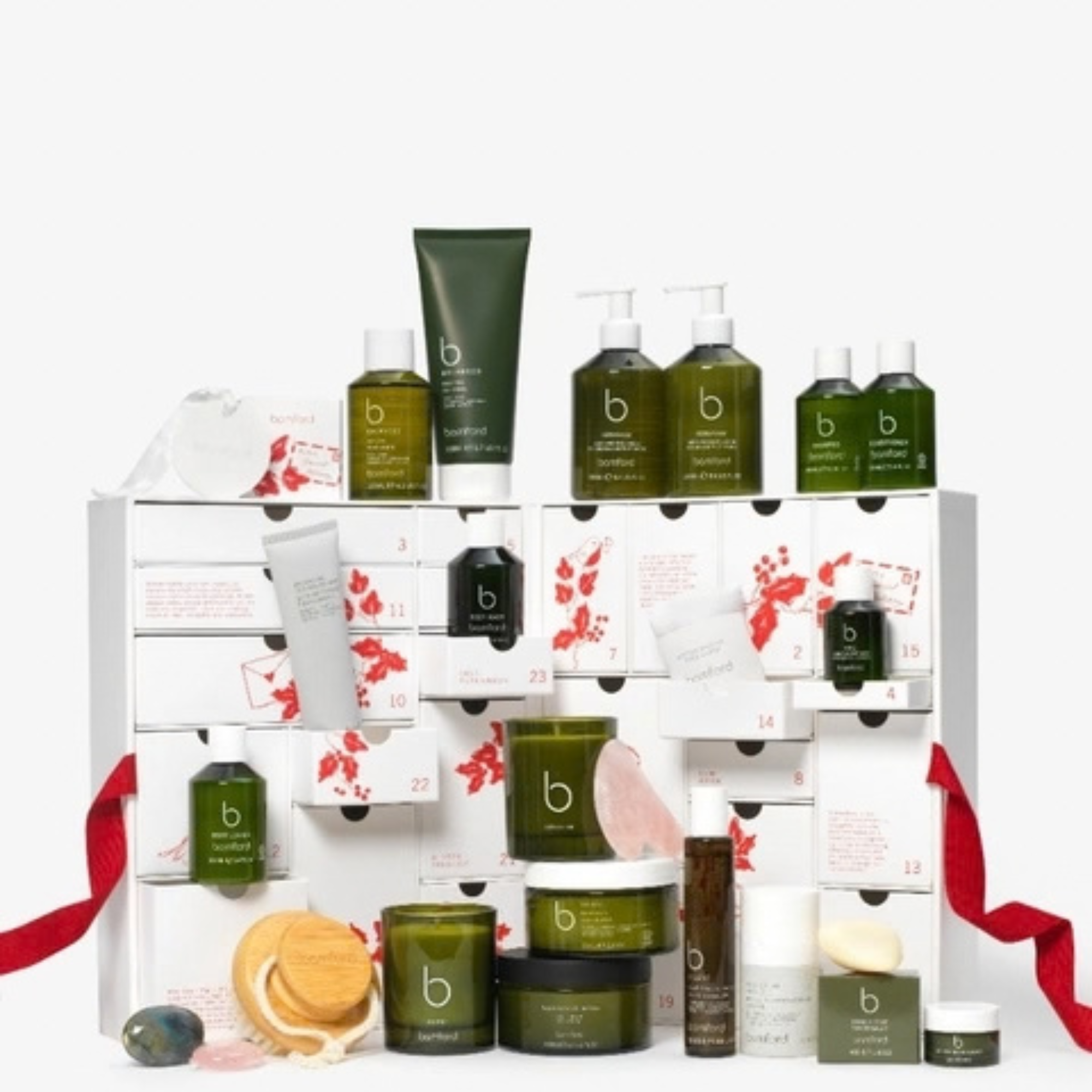
Bamford Wellness Calendar
Bamford’s Wellness calendar is not just a hand selected edit of the bath, bodym skincare and fragrance favourites, but they also come complete with a recommended daily ritual and encourage a moment of daily pause.
Not only combining ritual and experience, this calendar also leverages the format in a more forward-thinking way to build long term brand-customer relationships. Advent calendars can seem limited to the constraints of December, but ones that actively encourage the formation of new habits help the brand live on with customers after the last door. It takes 21 days to build a habit, and a 24-day calendar gives Bamford almost exactly that window.
The opportunity to show customers the brand is actually listening
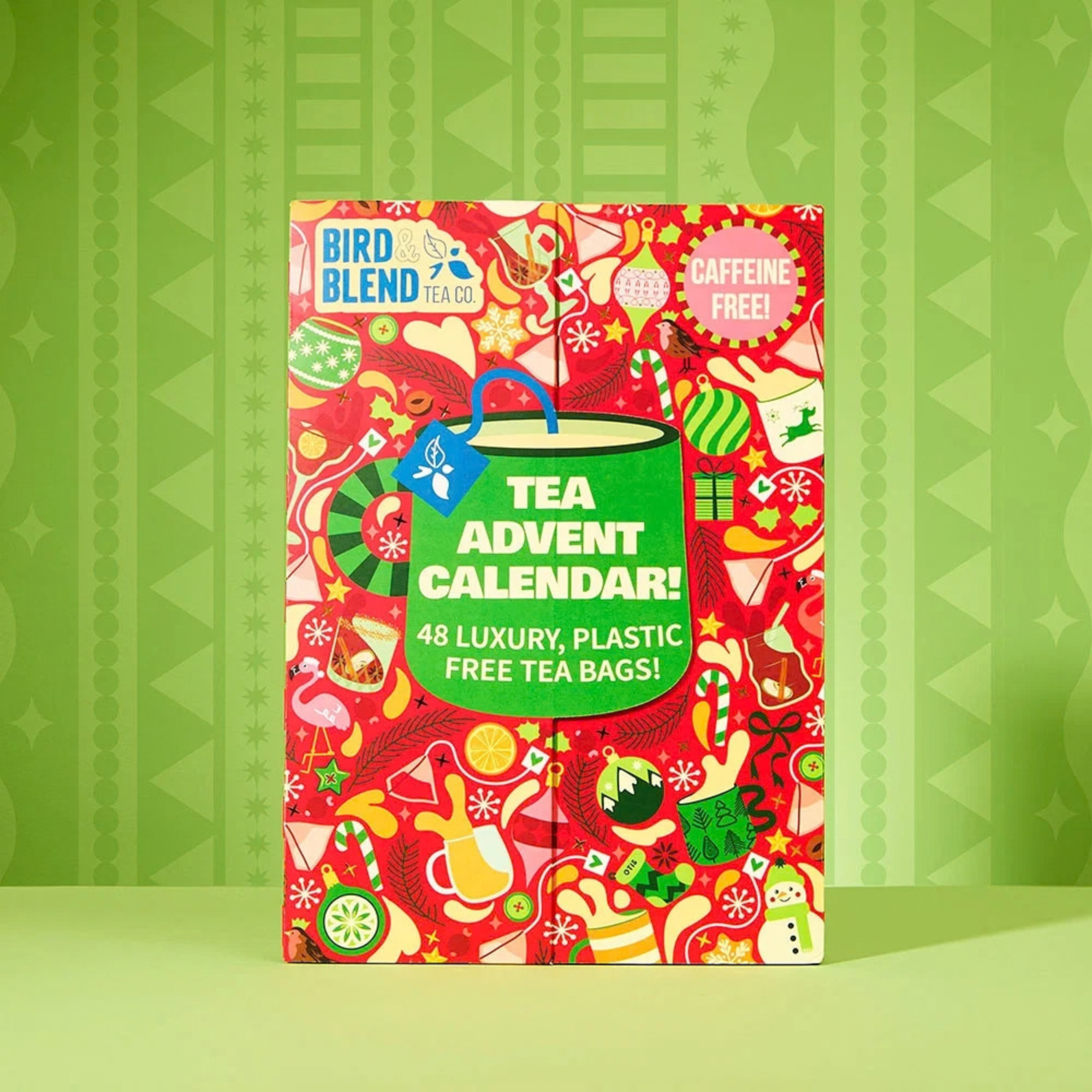
Bird & Blend’s Decaf Tea Advent Calendar
Bird & Blend's tea advent calendar doesn't just piggyback an existing ritual, as above - this year they’ve demonstrated to customers they genuinely listen to their desires by offering a caffeine-free version for its decaf-drinking customers
This is a small but meaningful signal that customer feedback actually changes what gets made, not just how it's marketed. It also expands the window of time in which the product can be enjoyed - a caffeine-free calendar can be opened in the evening as well as the morning, broadening the engagement rather than confining it to one moment in the day. It raises a useful question for any brand whose product is typically enjoyed within a finite daily window: how could the format evolve to show up in other daily occasions too?