
Packaging as premium: Strategies for brands deliver increased perceived value
by Helena Bush - Marketing & Insights Manager
Premiumisation remains a pivotal steer in consumer behaviour. As spending tightens but expectations rise, brands must deliver a stronger, more satisfying return on customer spend - and packaging is one of the most immediate channels to deliver an improved experience.
Packaging offers a simple, instant way to elevate a brand's offering. It's also powerful: the first impression a consumer forms, and often the one that lasts.
On paper, the two are simply linked. Historically, premium was a material decision - heavier glass, foil embossing, a ribbon-tied box. That's no longer completely true. The brands winning on shelf aren't necessarily spending more on packaging; they're spending smarter, on the specific cues that make a product feel premium. It's psychological rather than material - which opens up a whole new window of creative opportunity.
Here are seven strategies for conveying premium through packaging.
1. Authentic Minimalism
The rise of clean, minimal packaging is no accident or regression. A brand secure enough in its product to strip back the label, the colour palette and the copy is telling the consumer something before they've read a word: there's nothing to hide, and hence their product is of the highest quality expected.
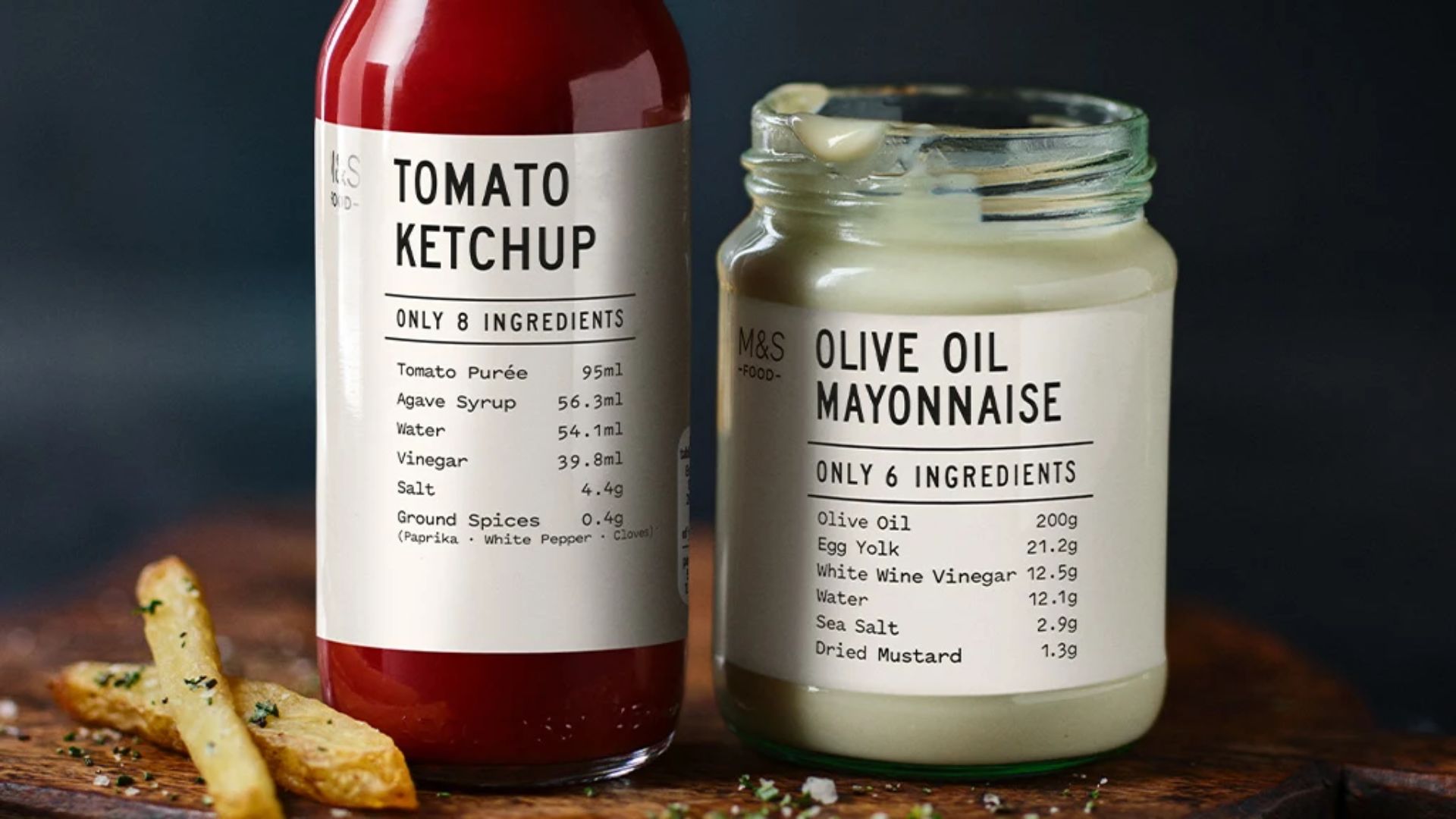
From M&S's "Just Ingredients" to MOTH canned cocktails, brands are trading decoration for clarity with simple and monochrome colour palettes and minimal typography. Clean not only suggests elegant, but confident, and assurance of customer satisfaction. Aesop and The Ordinary have built entire brand identities on the same principle: clinical, restrained, almost apothecary-like design that reads as more trustworthy precisely because it isn't trying to impress. Minimalism isn't the absence of a message; it is one.
2. Playful Purpose
Novelty is easy to dismiss as a gimmick, but with considered intent, it can elevate the product - not only delivering a longer interaction but a more engaging one consumers read as added value.
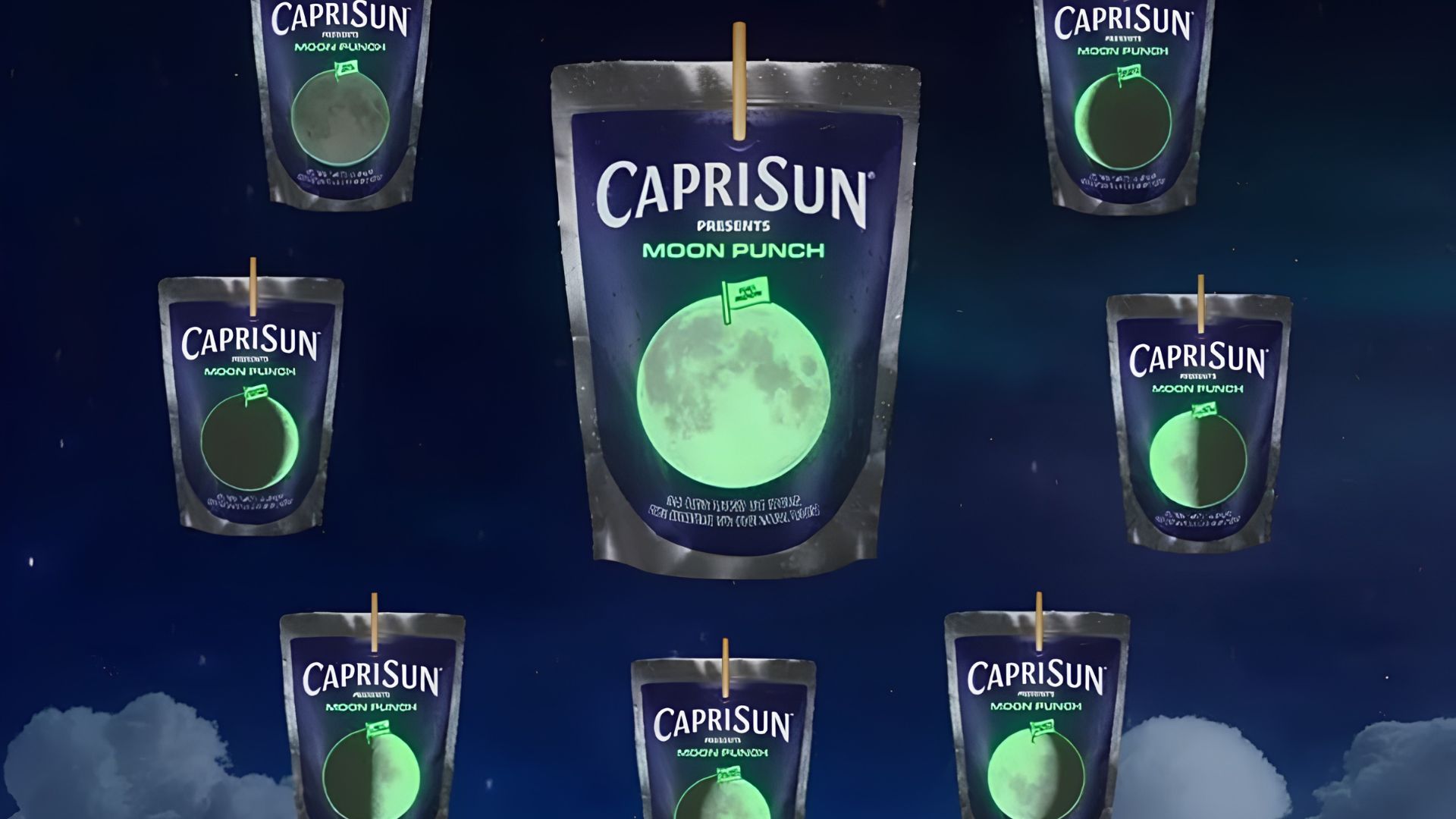
Capri-Sun's glow-in-the-dark Moon Punch pouches, timed to a lunar eclipse, tied the mechanic to a real educational moment rather than adding novelty arbitrarily, lending the brand credibility.
Handled well, this builds brand equity. Handled as novelty alone, it risks reading as try-hard in a premium context — a useful tension to hold onto rather than resolve.
3. Experiential Resistance
Ease once signalled convenience, but increasingly, deliberate resistance signals the opposite. As well as increasing brand interaction, it signals care, craftsmanship, and a reflection of the effort and reward correlation.
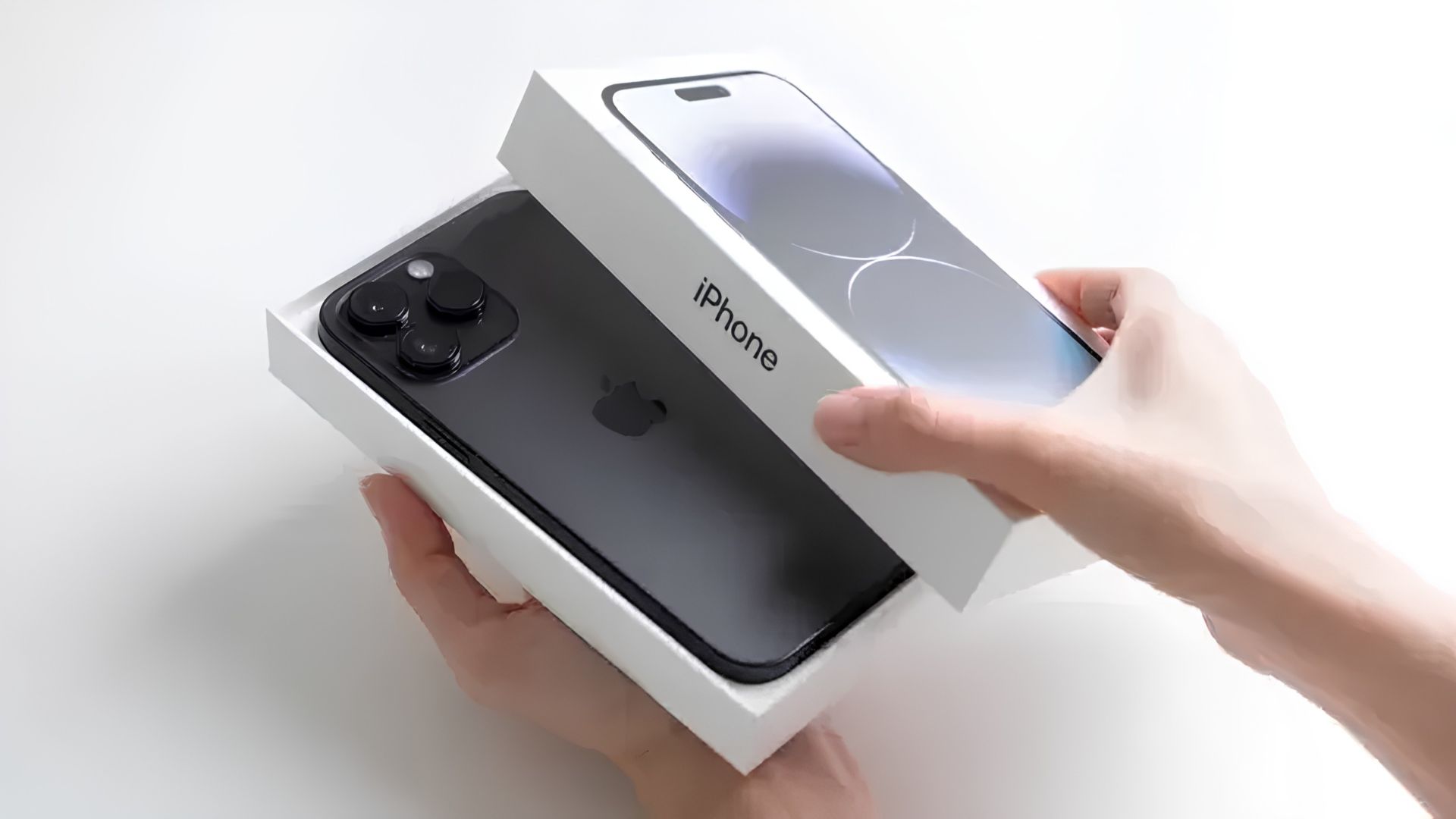
Apple's slow-closing box lid is the iconic example, turning friction into ritual that previews the product within. The same logic scales down to supermarket shelves: Ferrero Rocher wraps each chocolate in foil, seats it in a fluted cup and a moulded tray before the box - four layers of friction on a product costing pennies apiece
But the balance is fine. Too much resistance can frustrate, so effort vs reward must be carefully considered, and the effort must align with the product offering (e.g. Apple’s smooth close reflective of the sleek phone design).
4. Curated Personalisation
True mass personalisation is hard to execute at scale, but small, legible touches can signal a product was made for someone rather than simply the general market. (And personalisation is a fail-safe path to premiumisation.)
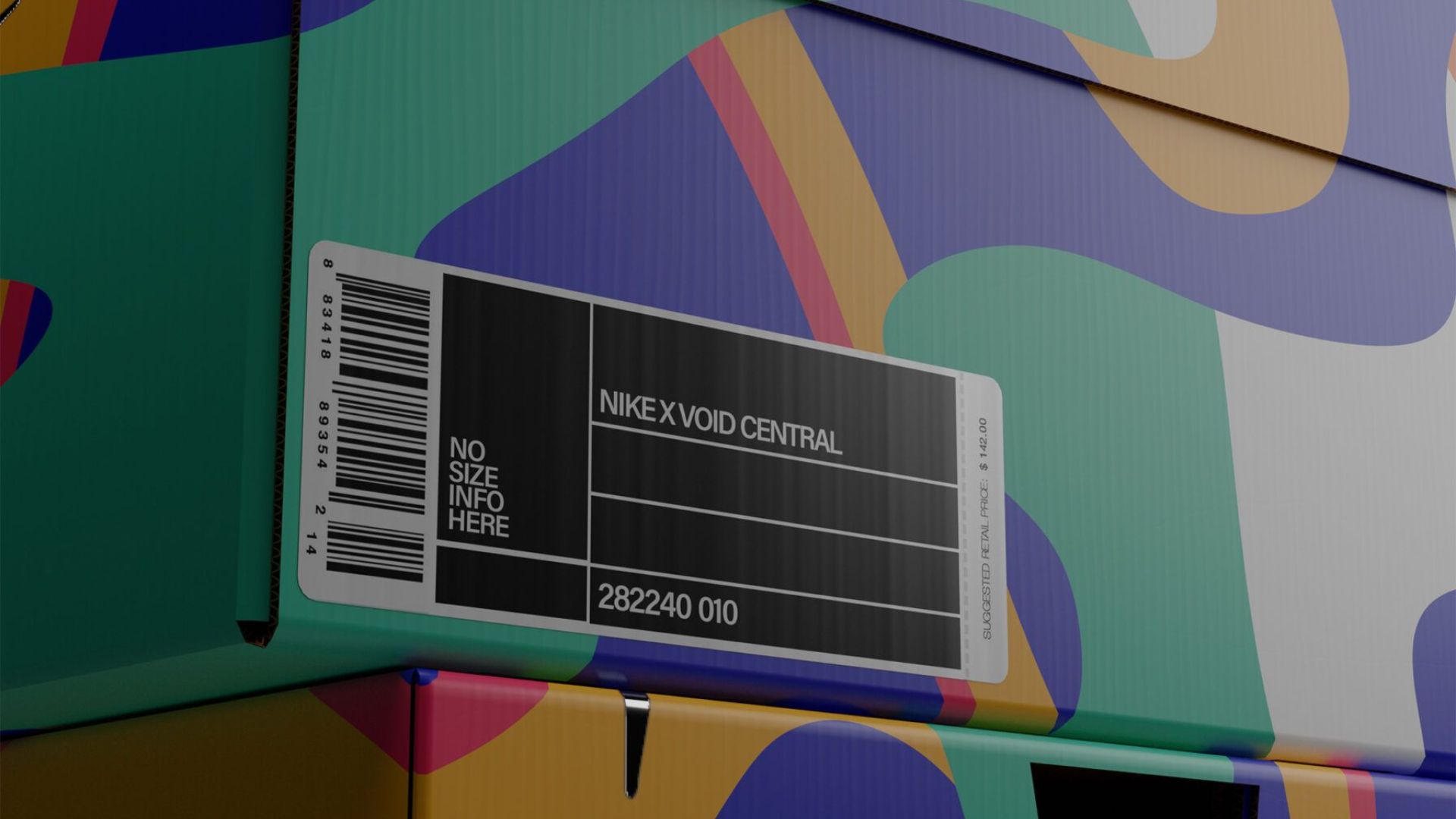
Kettle Chips and Aldi crisp packets feature individual chefs' names to bring a human signature to a mass product. Numbered packaging - premium whisky bottles, limited sneaker box editions - signal both individual attention and scarcity at once, part of why they’re so heavily used across both luxury spirits and streetwear culture.
In making a product feel more unique, even just a little bit, the consumer feels they are gaining something more exclusive and hence valuable.
5. Wearable & Displayable
The strongest test of premium packaging may be the simplest: does the consumer want to keep it after the product inside is gone? Creating boxes, containers and packets that consumers want to keep through creativity (rather than just adding cost value) delivers a premium experience.
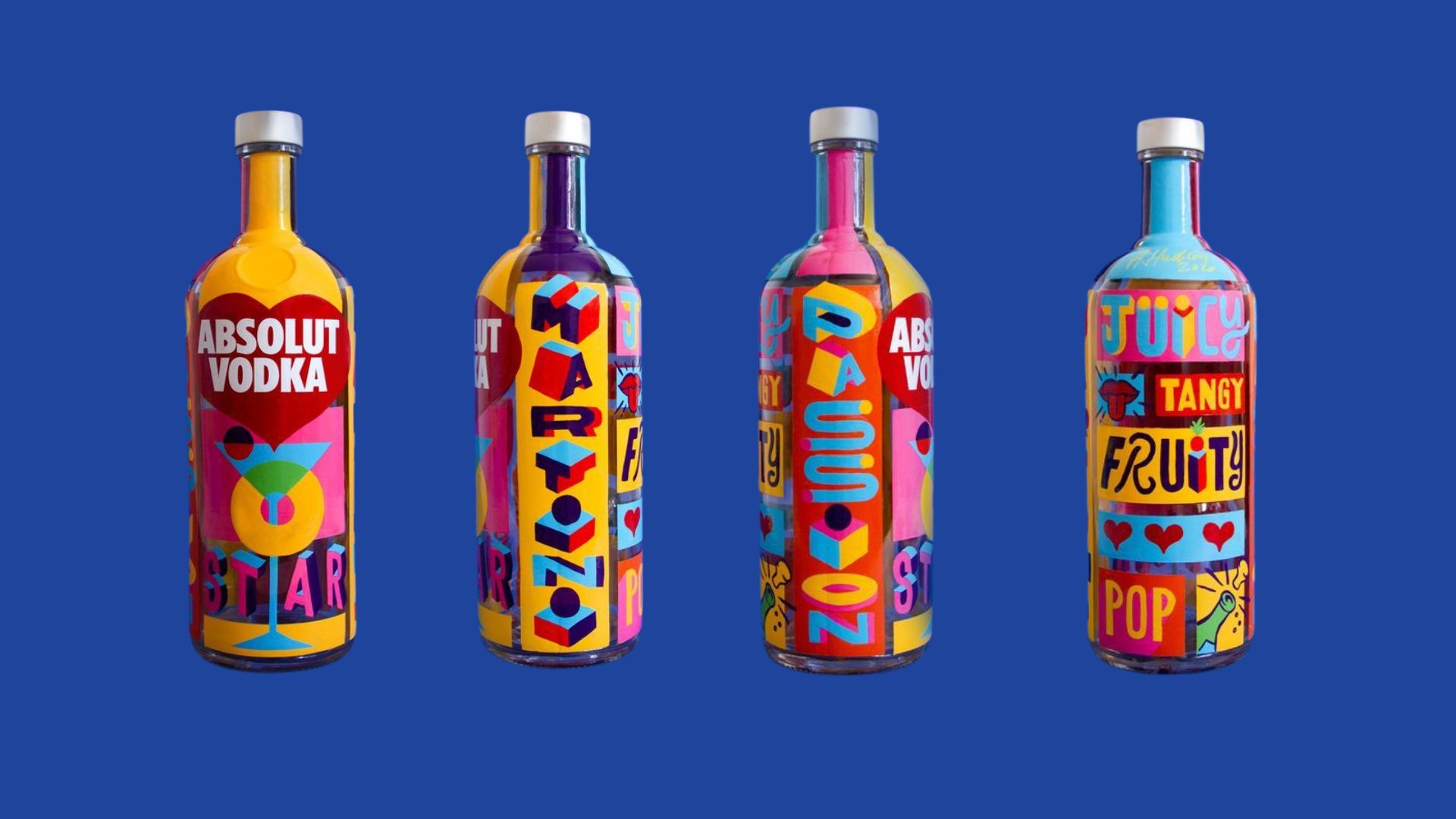
Dr PAWPAW's clip-on packaging and K-beauty brand Slow Lounge's keychain sleeves turn the pack into something worn rather than discarded, whilst artist collaborations achieve the same with displayable art: Absolut's city-themed bottles or Method's Lisa Congdon design . It's arguably the clearest commercial case of all seven principles: every day that packaging stays visible in a bag, on a counter or in a kitchen is unpaid brand media.
6. Interactive Storytelling
Storytelling layers turn static packaging into a gateway - extending the brand relationship beyond the point of purchase, and delivering an elevated experience, through both physical and digital channels.
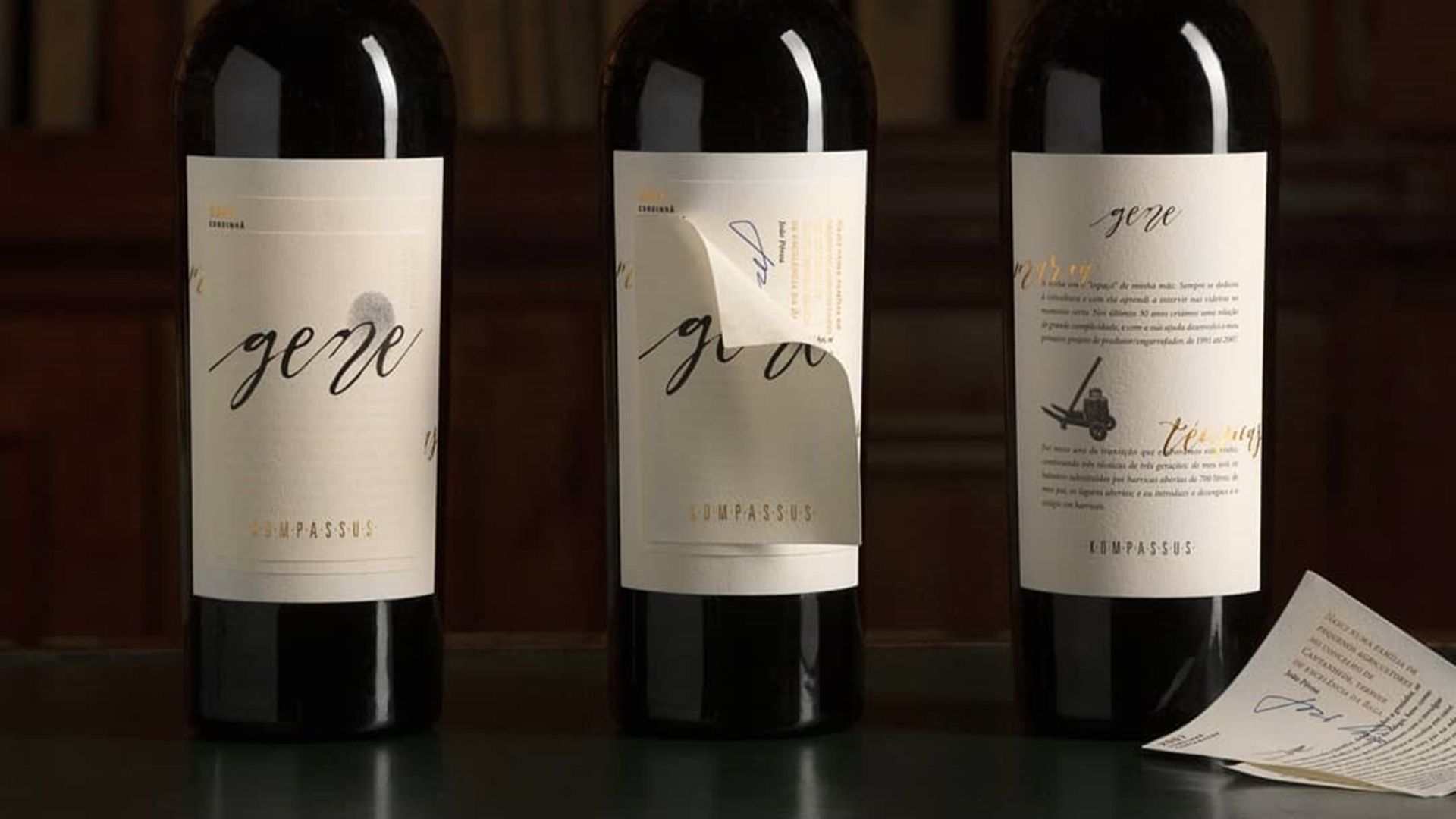
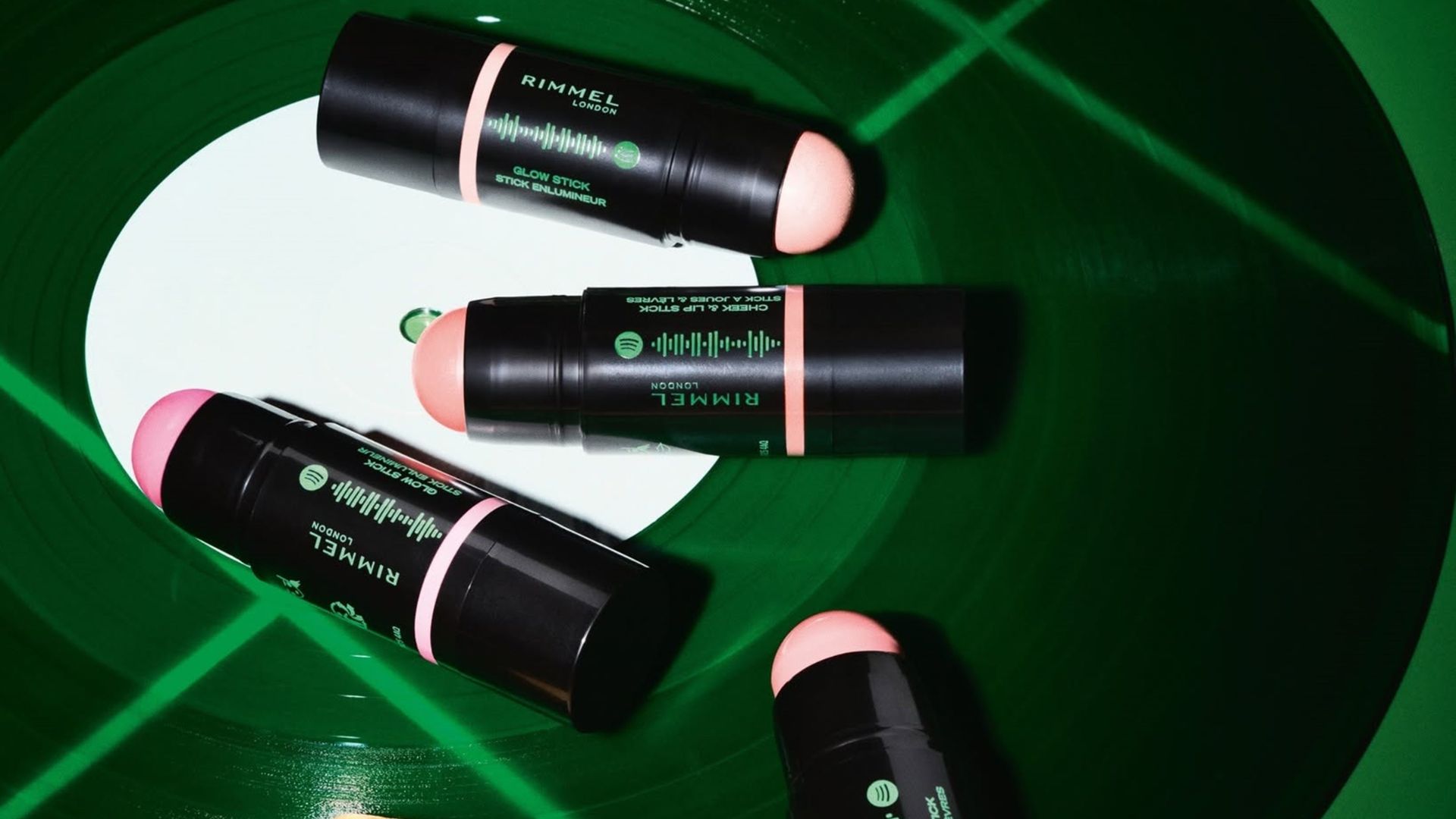
Rimmel London embedded Spotify codes into its nail polish bottles, linking each product to a bespoke playlist, whilst Portuguese winery Kompassus designed a peel-away label overlay that reveals three generations of family history beneath it.
Globally, 61% of consumers say they at least sometimes interact with connected packaging, such as QR codes, so it is an instant way to build a brand relationship, and not only convey premium in that moment, but open the doors for future premium campaign deliveries.
7. Problem-solving
Packaging that resolves a problem typically associated with a product, or its standard format, is an instant point of difference from competitors, and immediately conveys an upgraded experience.
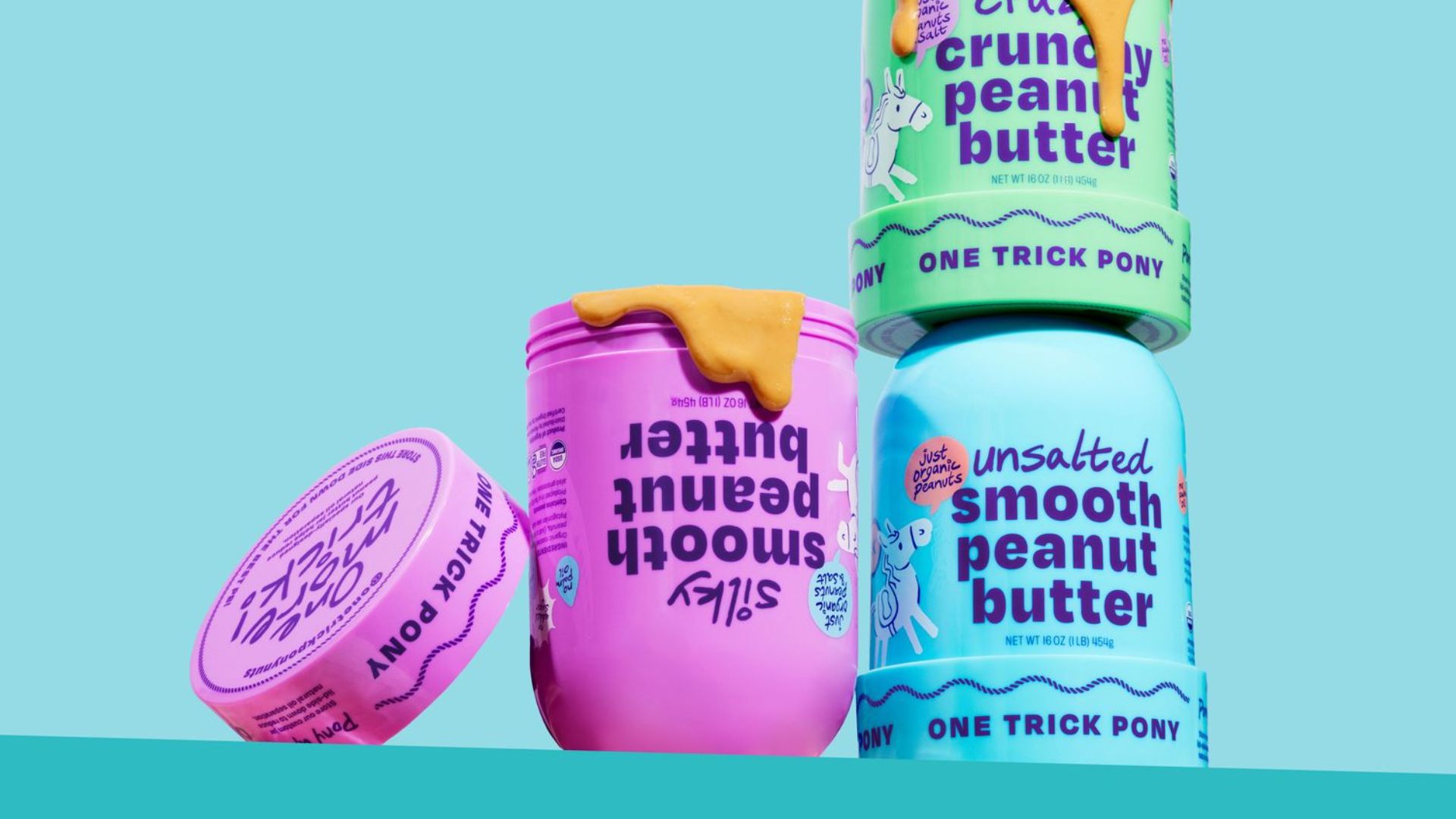
US brand One Trick Pony's natural peanut butter lets customers reach the nut butter straight away, bypassing the oil separation usually found in 100% pure products. Built-in dip sections solve a similar friction, removing the need for separate serving ware.
In solving a problem for consumers through simple changes, value-add is conveyed.
Simplify your marketing execution and increase your performance


