
How Can Digital Capture the Power of Exclusivity?
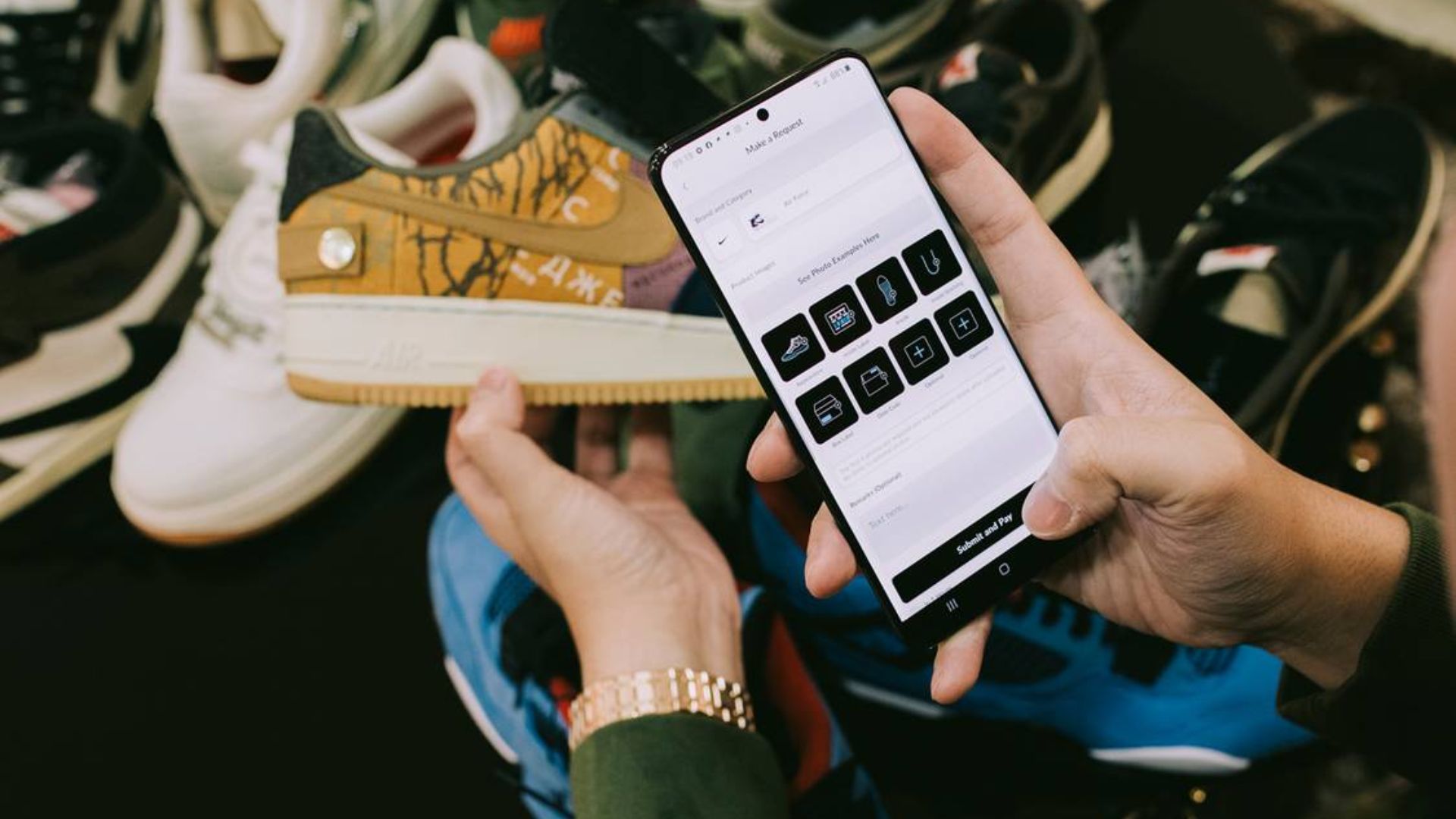
It's no secret that exclusivity has become a currency of conversion.
In an oversaturated marketing landscape, owning something that sets the consumer apart - which increasingly isn’t defined by wealth, but access - has become one of the most powerful pillars in a brand's toolkit. Limited editions, time-bound events, one-off releases and VIP accessibility; consumers want what is fleeting and valued.
And the data shows us how powerful this lever is.
- 70% of luxury consumers say they'd pay for an exclusive brand experience (EY, 2025)
- 42% of luxury consumers say exclusivity and scarcity are a key influence on purchase decisions (EY, 2025)
- 45% of consumers are drawn to product drops specifically because they want access to hard-to-get items (PYMNTS, 2025)
And its showing up across all sectors:
- 44% of sports fans globally stay engaged with sports apps out of season because they deliver exclusive content - interviews, news, behind-the-scenes intel (IBM, 2025)
- 29% of consumers in the US and Canada say seasonal and limited-edition flavours influence their food and drink choices, fuelling demand for exclusive launches (Innova Market Insights, 2025)
Traditionally, this desire has played out physically, because physical constraints are the most direct and obvious way to activate exclusivity. Guest lists, members-only spaces, finite production runs. Scarcity has always had a gate, and gates are easier to build out of bricks than bytes.
But digital is supposed to be the great democratiser: infinite reach, available to anyone, at any time, with far less logistical constraint. It an interesting paradox, but also an opportunity. How can brands take the clear desire for exclusivity, and activate in ever growing and influential virtual spaces?
The brands getting this right have landed on a handful of repeatable strategies.
1. In-app drops
A product drop creates exclusivity because it feels like an event over a routine campaign. It has specified time, limited stock count – and the fear of missing out. It is an exclusive experience, which is exactly what makes it a key motivator for a customer engagement. One of the strongest platforms for this is in-app, because it doesn't only prompt a one-off download, but creates a installed touchpoint that is an ongoing line of engagement after the drop itself.
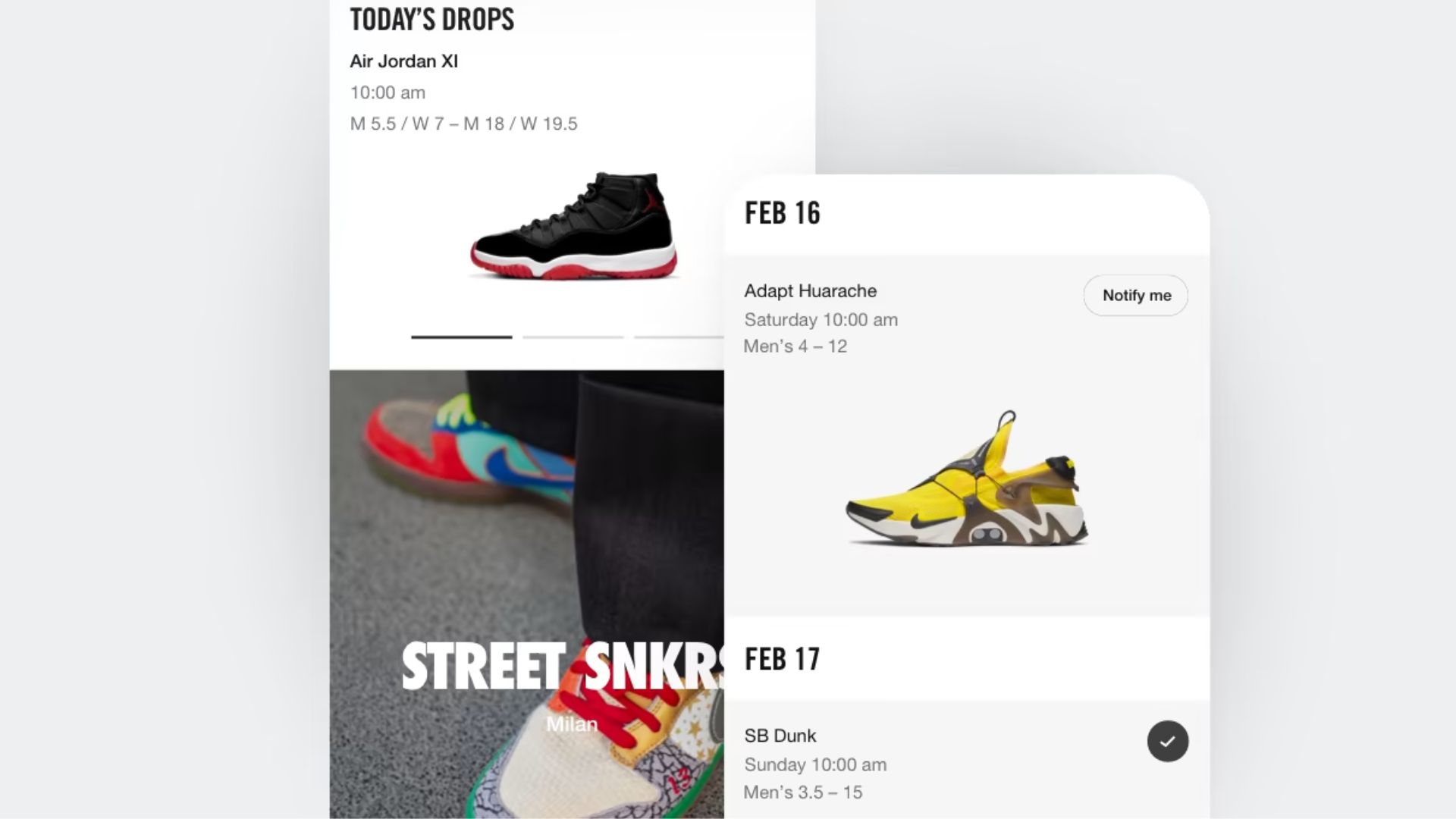
Nike and Adidas have long used this mechanic, releasing certain product lines exclusively through their own apps rather than third-party retail. Nike's SNKRS app is built entirely around the drop format for limited-edition sneakers. And likewise in food and beverage, McDonalds partnered with Travis Scott to release and app-only meal deal, encourage consumers to download the McDonald’s app purely to access.
Similarly, Kim Kardashion’s fashion brand SKIMS uses drops to create buzz, not only through apps but also influencer content (including Kim’s own channels), manufacturing anticipation. This generates a unique set of loyal customers who follow the brand across all platforms, and in turn, become an exclusive community.
None of this requires complexity. The constraint can be as simple as accessibility in one place at one time - converting "buying something" into "being let in."
2. Loyalty
A name on a mailing list no longer creates exclusivity when it's one of thousands. Loyalty and membership are now such a baseline expectation, so the real opportunity lies in how personalised that loyalty becomes - what's actually received is what does the work, not the fact of being signed up.
NikePlus loyalty scheme delivers personalised product recommendations and member-only content based on individual activity, whilst Sephora's Beauty Insider ties exclusive experiences, classes and recommendations directly to loyalty tier, so the higher tiers don't just get discounts, they get a different experience of the brand.

But the cleverest brands look at the whole experience. Hilton Honors bundles its exclusivity into genuine utility - a digital room key and member-only in-app controls that only function for app users; the exclusivity isn't decorative, it's functional.
Loyalty stops feeling exclusive the moment it's just a bigger discount code. The brands getting it right treat tier as a genuine consider individual customer experience.
3. Community-led engagement
Not every brand needs a literal gate. Exclusivity can come from community – making customers feel like insiders, rather than being marketed at.
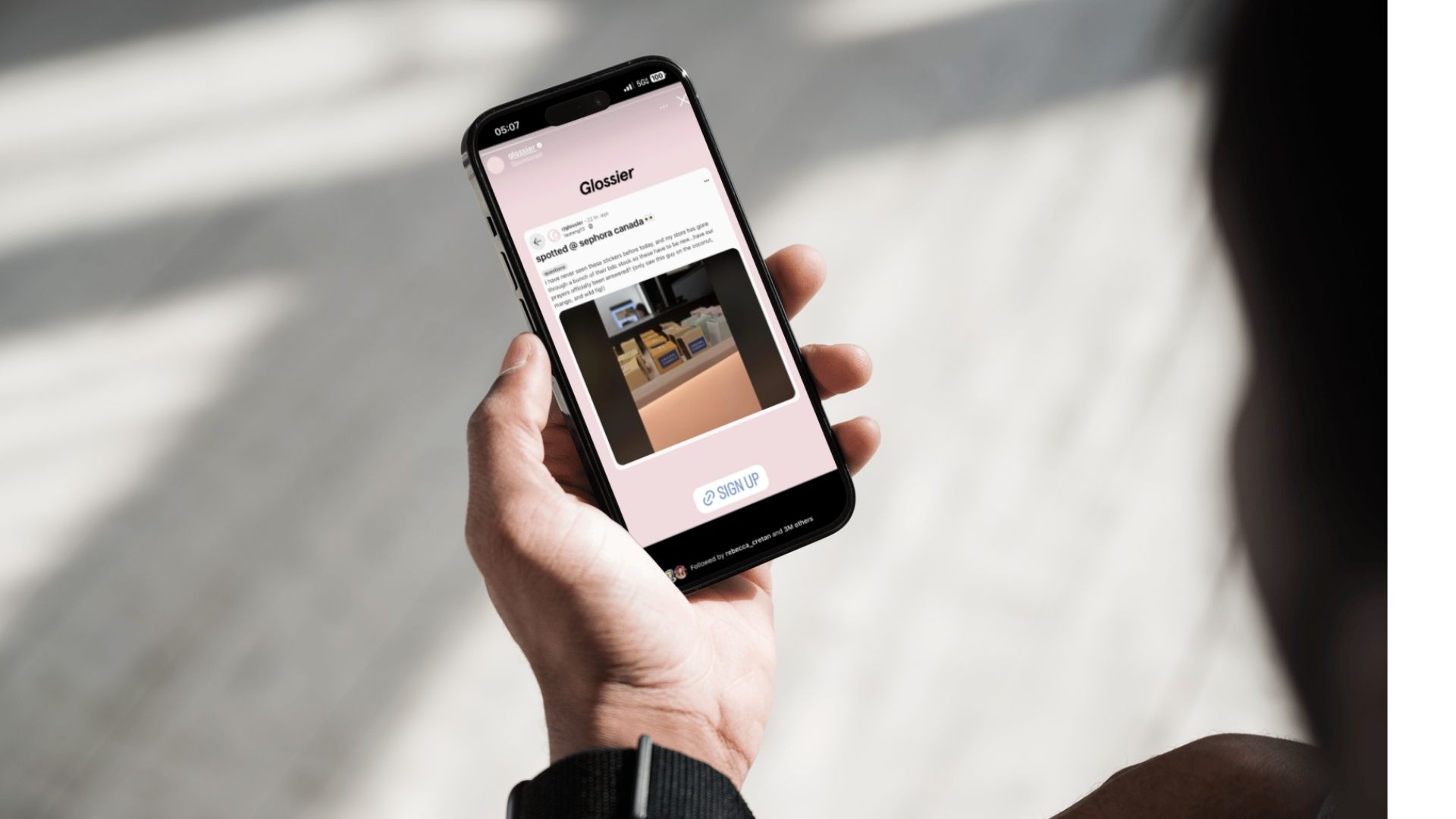
Glossier has used platforms like Reddit to seed excitement directly within the spaces its customers already gather and talk. Because the brand shows up inside an existing community rather than running ads alongside it, the experience reads as insider access rather than marketing - which is exactly what gives it weight. Similarly, Burberry used Whatsapp during London give fans exclusive behind-the-scenes access to its London Fashion Week runway show - backstage photos, models getting ready, first looks at the new collection - sent only to people who'd opted into a broadcast list.
And community can use digital in partnership with physical to create exclusivity too. Activewear brand Tala does this through their CRM email campaigns, offering exclusive access to community events they run, like a launch workout class tied to a new colourway.
Whilst apps and mailing lists are super effective, these examples show the platform is not the key, but the strategic approach. Reddit and WhatsApp aren't "exclusive" - what makes exclusivity is the brand's decision to show up only for the people already paying attention, rather than broadcasting to everyone at once
The takeaway
Digital has changed the currency of exclusivity. Where it once ran on physical access, it now runs on timing, information, and identity.
For brands and the agencies creating activations, the opportunity doesn’t have to digitise the velvet rope literally - it's to ask what the digital equivalent of "being chosen" or special looks like for a in that sphere, and to design that experience with that in mind.
Done well, it costs far less than a physical event and scales infinitely further — without ever feeling like everyone got the same invite.
Simplify your marketing execution and increase your performance


