
How AI is shaping the start of the shopper journey

Until recently, the shopper journey has had an obvious and easily accessible starting point: a search bar, a scroll through a feed, or a walk down an aisle.
Yet in the AI-driven and rapidly-evolving 2026 landscape, that starting point is being redefined.
Before the shopper ever reaches a product page or a shelf, AI systems and strategies are increasingly shaping the top of the funnel - summarising options, building comparisons, and creating a shortlist often before the shopper even consciously knows what they are searching for.
For brands, this matters more than other channels to optimise for. It's a structural shift in how and who frames the choice at the very top of the funnel - and it has direct implications for how FMCG, beauty, and drinks brands earn visibility before the shopper journey even reaches POS.
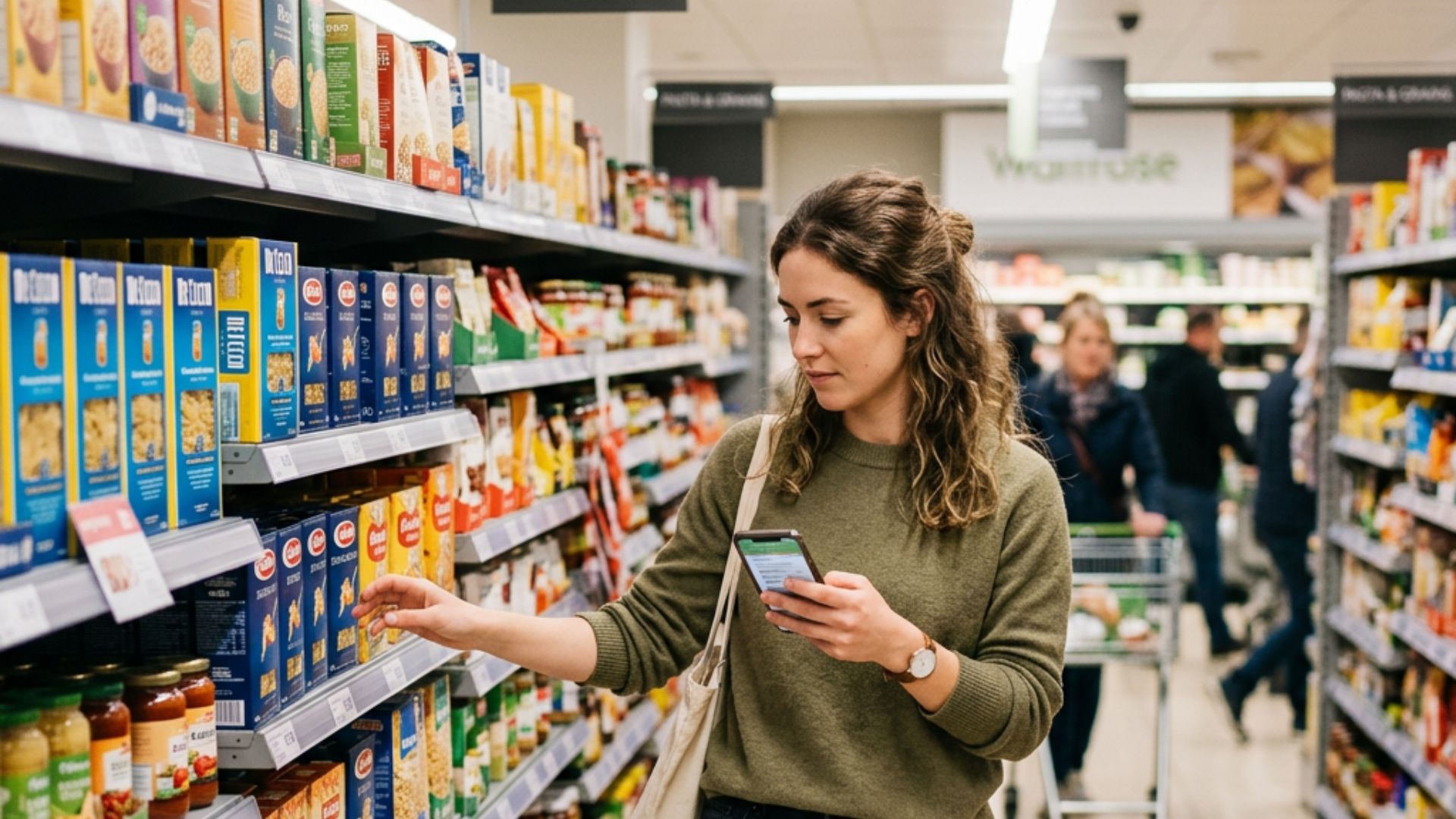
The Data
The growth of the impact of AI is accelerating.
Search engines are not only increasing their adoption of AI, but uptake is matching it in growth. Google's AI Overviews saw a 5.6x increase in appearance in four months, from November 2025 to March 2026 (Search Engine Land, March 2026), while Amazon reported that its 250 million customers use its AI shopping assistant, with monthly active users up 115-140% year-on-year across 2025-26.
Social platforms are moving in the same direction: 73% of US Gen Z consumers say social media is their main source for learning about new products (eMarketer 2026).
Figures like these point to the same shift: the shopper's first move is increasingly happening on an AI-mediated platform, and its an awareness of how this shows up that will help brands demonstrate fail safe strategy
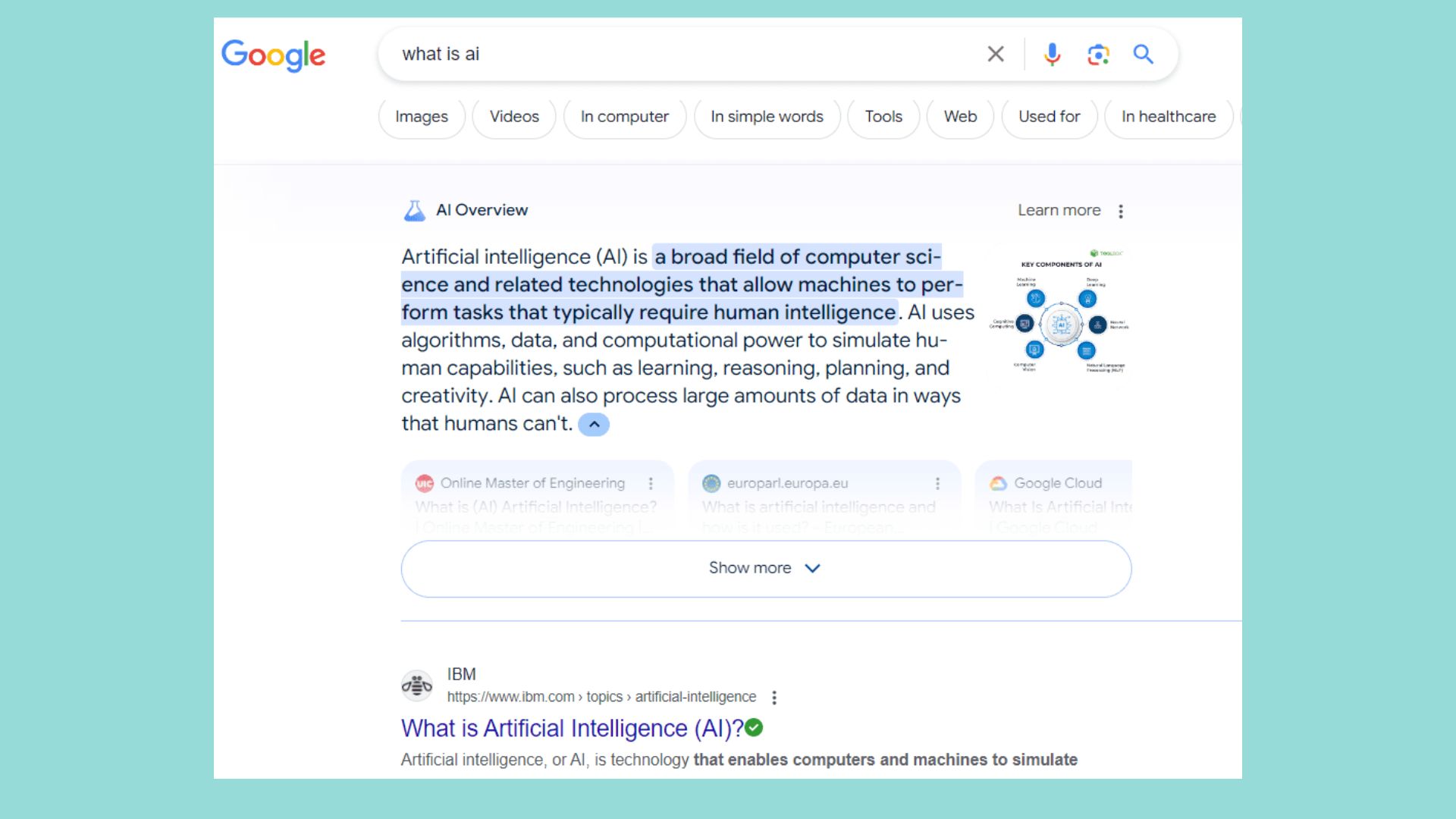
1. AI Search Is Reshaping The First Touchpoint
Search hasn't disappeared, it's being pre-digested. Google's AI Overviews and AI Mode now synthesise a shortlist of products directly into the results page, rather than sending shoppers to ten blue links. Google has confirmed this means a brand's product feed quality now determines whether it's in the conversation before a shopper clicks anything.
In practice, this means search results for FMCG, beauty and drinks are becoming increasingly assembled algorithmically, rather than browsed manually. Brands with clean, complete, well-attributed product data are the ones getting cited; those without it are becoming invisible at the exact moment a shopper is forming a shortlist.
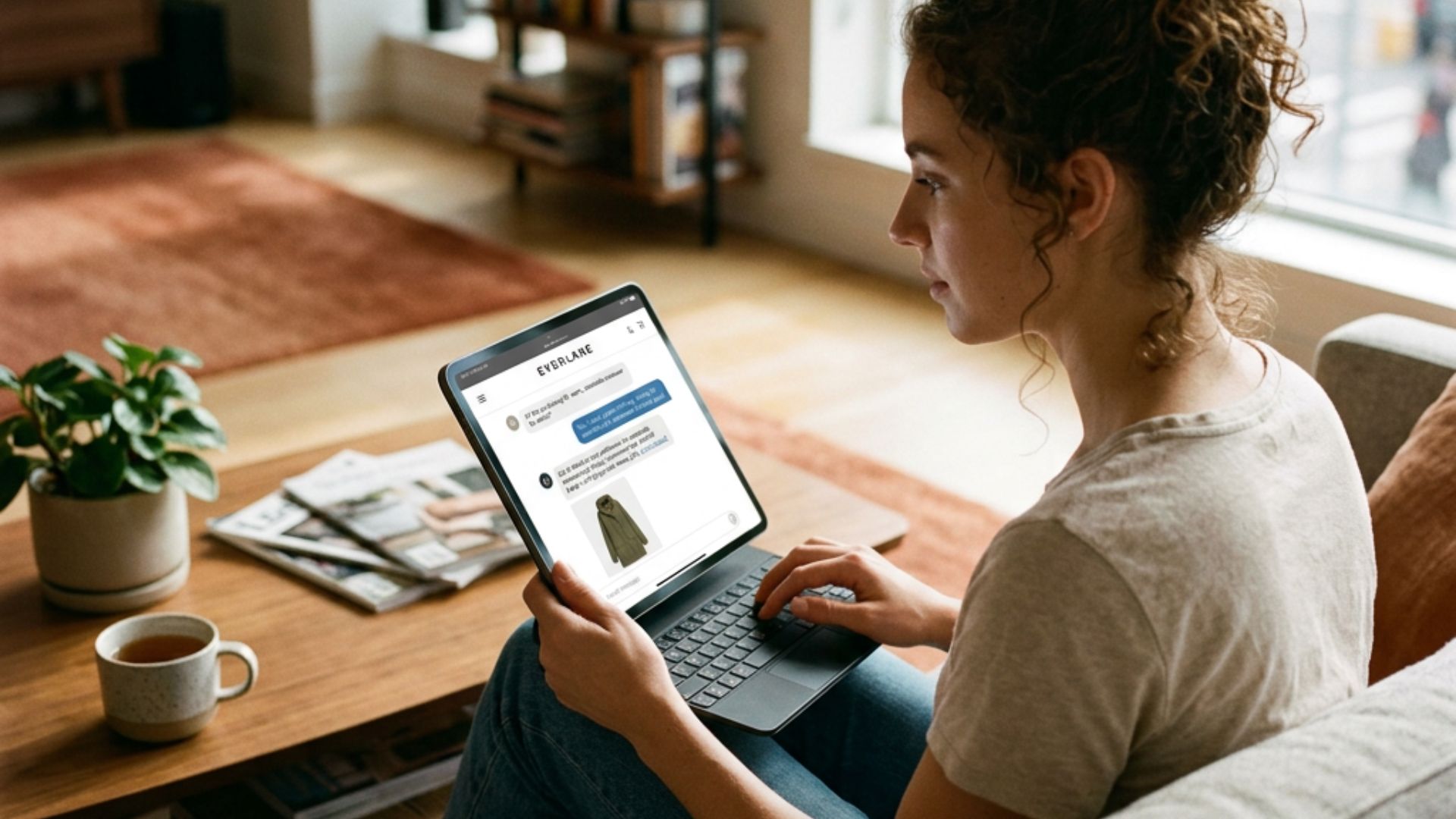
2. The Shopping Assistant Effect
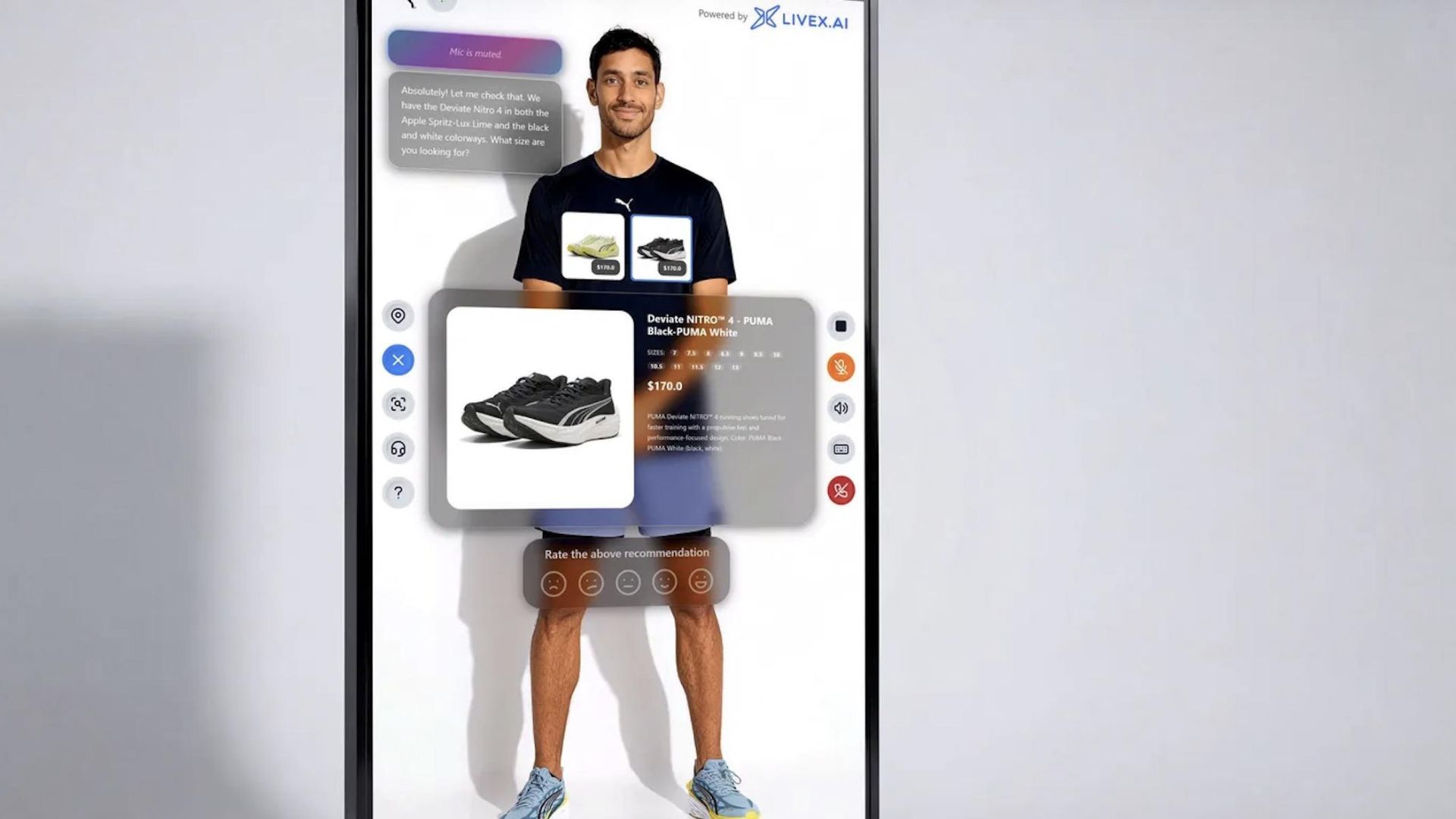
After the customer has clicked onto the site or entered the store, AI’s work is only just beginning. Retailer-built AI assistants are becoming a genuine parallel channel to in person shopping staff and support.
Technology is going beyond search results in not just answering simple requests but answering questions that increase the drive through to purchase. Crucially, the wins are coming from natural-language intent ("a good gift for someone who's just started running") rather than keyword matching, to deliver a more personalised and accurate offering to users. These AI algorithms reward brands whose product content answers real questions rather than optimising for search terms.
This is a meaningful shift for shopper marketing: brand and pack copy is no longer being read only by a human scanning a shelf or a page - it's being parsed by a model deciding what to recommend. AI is transforming the deliberation process into a marketing playground itself.
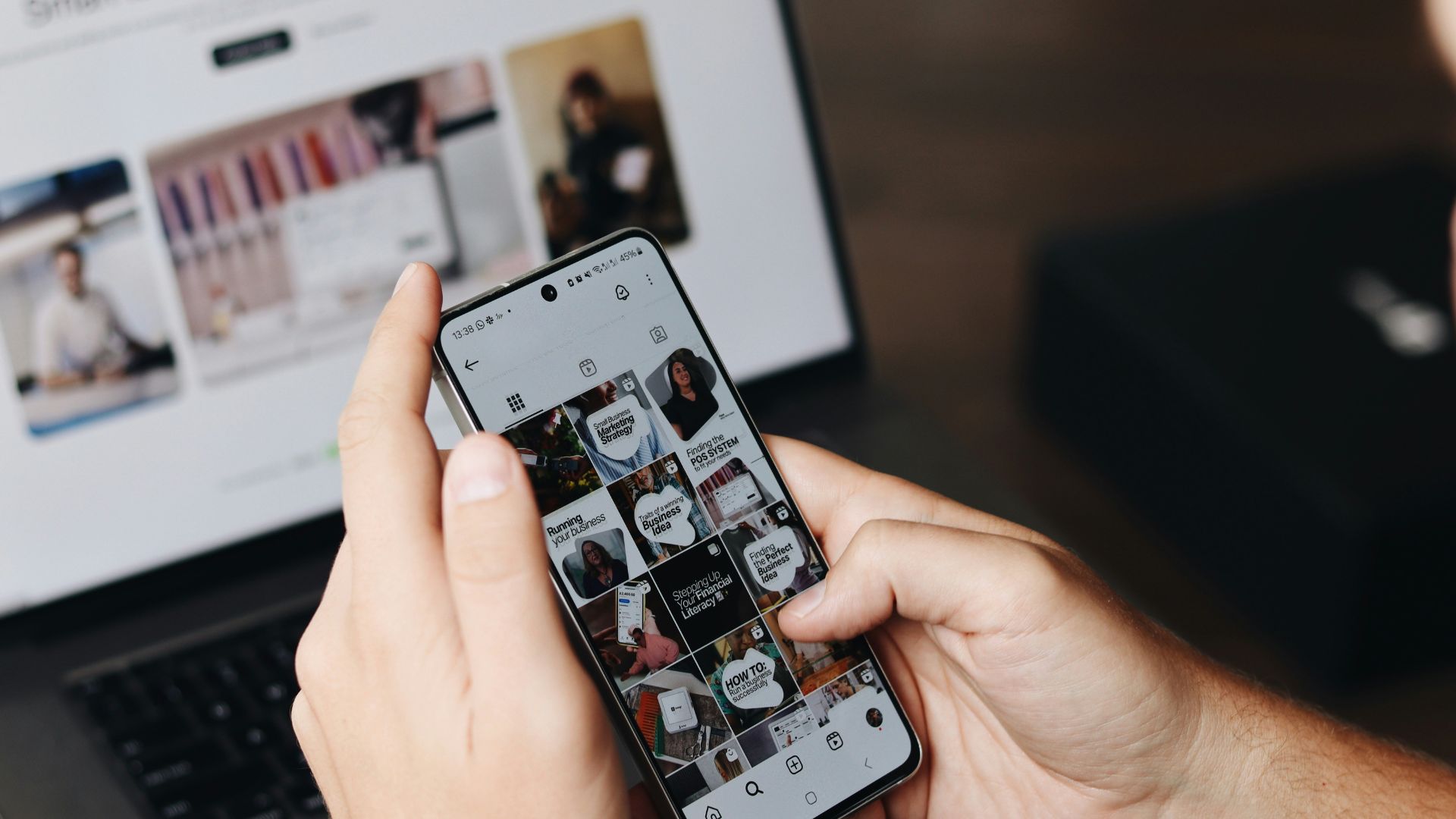
3. Social Platforms As Pillars of The Funnel
For younger shoppers in particular, discovery often begins before they use a search engine or visit a retailer’s website. TikTok’s AI-powered feed acts as a discovery engine, surfacing products based on content and engagement signals rather than intent - even when users have never searched for the product or followed the brand. This is especially evident in beauty, where TikTok Shop is consistently cited as a top-performing category, and in food and drink, where recipe and mixology content drives product discovery well before purchase.
For brand activation client sectors, this reinforces a trend already visible in POS and shopper campaigns: the "moment of discovery" a brand plans for is increasingly happening away from any owned or retail environment - inside a feed, mediated by an algorithm, long before the shopper is anywhere near a shelf.
4. Discovery, Not (Yet) Conversion
Yet the most useful insights in the AI-and-shopping story so far isn't hype - it's a retreat.
OpenAI's decision to scale back in-chat checkout, after retailers found AI-driven purchases converted at a fraction of the rate of a normal click-through, demonstrate that AI still needs to be invisible to shoppers to truly optimise potentially. Failure to identify this can alienate them.
The key is this: AI is currently reshaping how shoppers arrive at a shortlist far more decisively than it's reshaping the actual moment of transation. That's a meaningful distinction for brand and shopper marketers: the commercial battle right now is for inclusion in the AI-generated shortlist, not for owning an AI checkout process and flow.
Key Takeaways
- AI systems (search, retailer assistants, social algorithms) are increasingly doing the first pass of shopper decision-making - before a shopper reaches a website, app, or shelf.
- Product data quality and completeness is now a visibility lever, not just a back-office task - brands with messy or thin product data risk becoming invisible to AI-mediated discover.
- AI is enabling social platforms to become more sophisticated and accurate discovery engines outside of traditional search or retail intent.
- The current commercial centre of this opportunity is discovery and shortlisting, not AI-driven checkout.
Summary
The shopper journey hasn't lost its starting point – it’s just been remodelled and reshaped
Whether it's an AI shortlist overview, a retailer assistant answering open, natural-language questions, or social feeds surfacing a product before anyone has searched for it, the first impression a shopper forms of a brand is increasingly being shaped by an AI system, not a simple search page.
For brands operating in FMCG, beauty, and drinks, showing up well at that moment is fast becoming as important as how a brand shows up on shelf.
At adm Indicia, we help brands translate this shift in shopper behaviour into activations, content, and POS strategies that meet shoppers at the new start of their journey, not just the old one. Get in touch with the team to talk through what this means for your category.


