
From TikTok to Trolley: How Viral Food Trends Are Shaping Consumer Behaviour
by Helena Bush - Marketing & Insights Manager
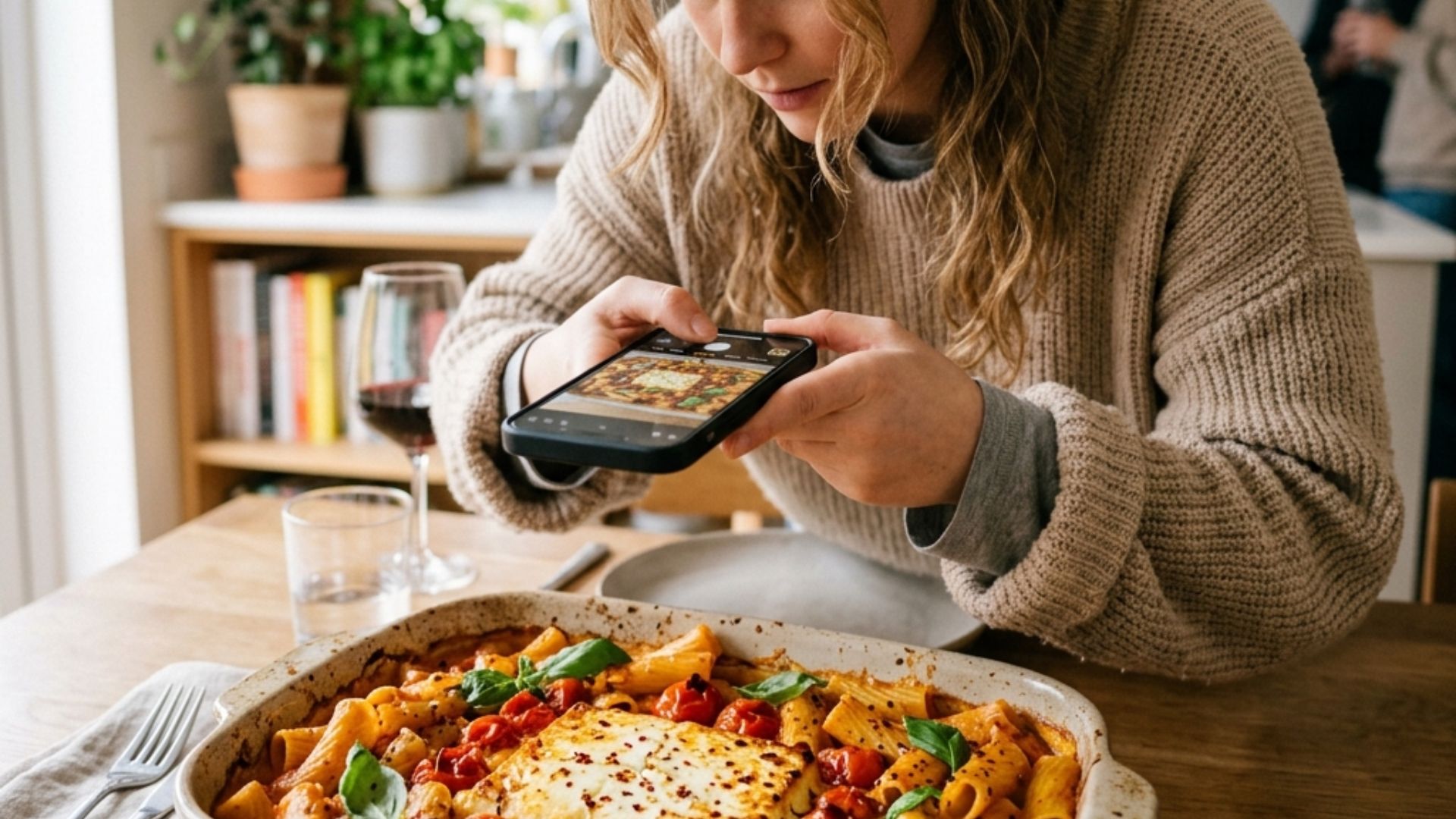
A decade ago, food trends emerged slowly; from restaurants, chefs, and food magazines. Today, they can originate from a quick video in a creator's kitchen and reach millions of consumers overnight.
Platforms like TikTok, Instagram, and YouTube have fundamentally changed the relationship between consumer culture and commercial demand. Food has become one of the internet's most powerful cultural currencies - watched, recreated, shared, and experienced. The journey from social feed to shelf has never been shorter, and for brands paying attention, the opportunity has never been greater.
But what makes a food trend commercially significant and of interest to brands - rather than just momentarily viral?
The answer lies not in the food itself, but in what it signals: status, identity, and the way consumers want to be perceived.
This article looks at 3 recent trends that illustrate this shift, and what they tell us about consumer behaviour.
1. Pistachio: The Flavour of Aspiration
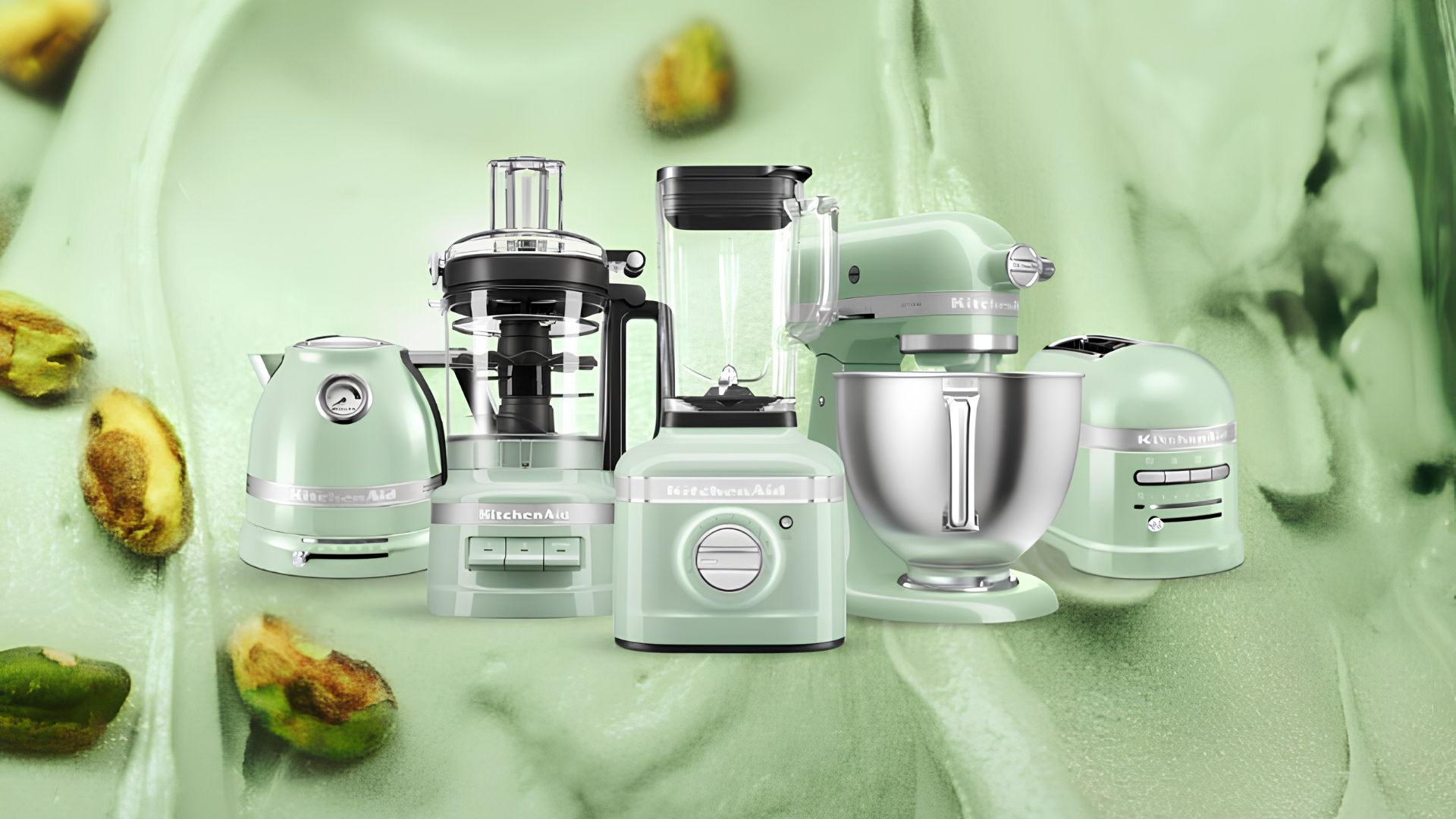
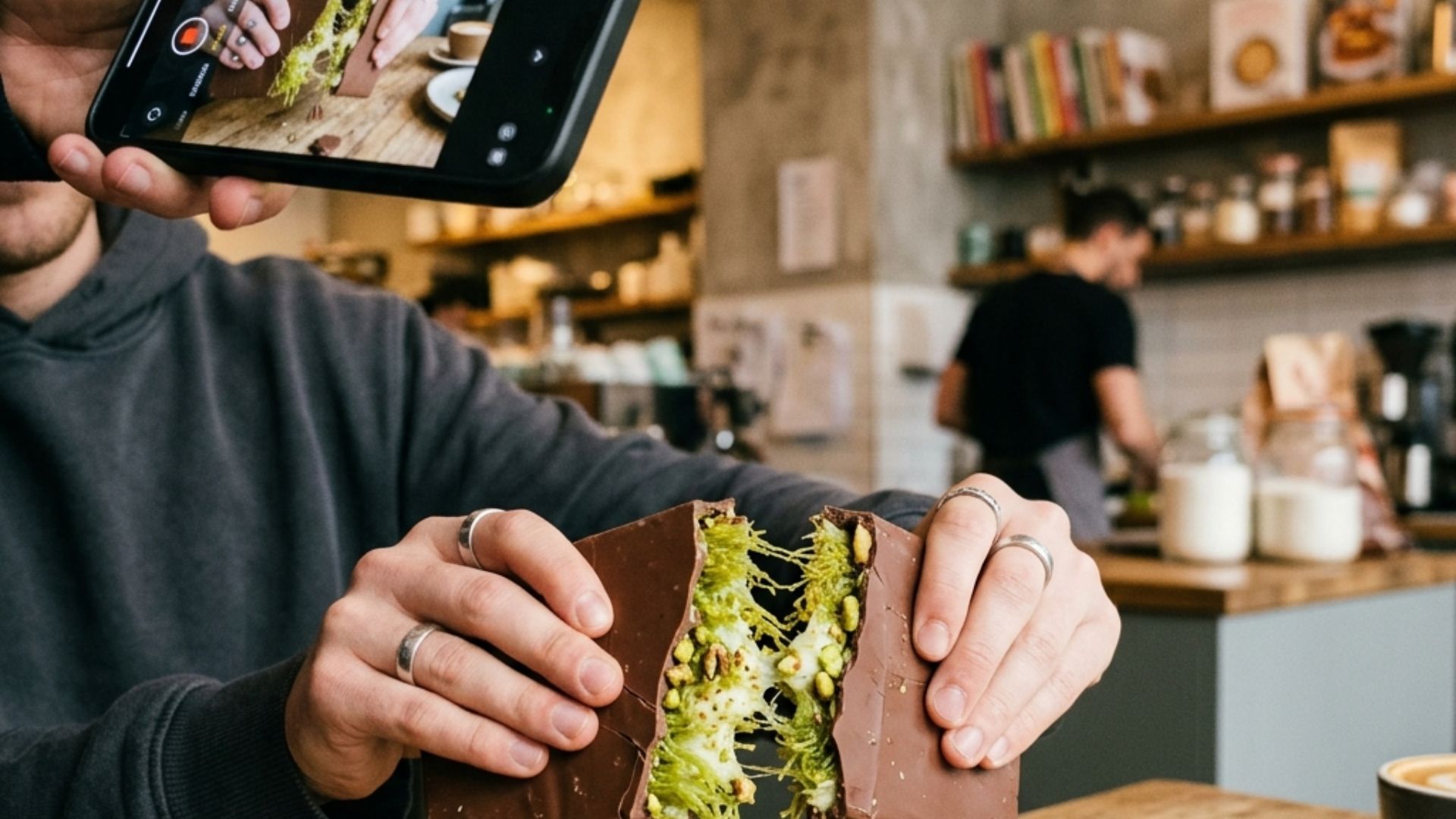
Pistachio has become a sweet treat craze. What has historically been an ice cream flavour favourite, is now prominent in mainstream grocery stores. Spearheaded by the viral pistachio ‘Dubai chocolate’ which ignited demand for everything pistachio-adjacent in late 2023, what followed was a product category explosion. Pistachio oat milk, pistachio shortbread dippers (M&S), pistachio-filled Viennetta - you name it. Even adjacent sectors showed up, with KitchenAid releasing a signature pistachio green colourway and beauty brands introducing pistachio-scented body care.
Yet aside from the appealing flavour, the pistachio trend has commercial-rooted logic. Pistachio carries an inherent premium association - it is the flavour of Italian gelaterias, of luxury gifting, of a city (Dubai) synonymous with extravagance. M&S’s Pistachio Crème Brûlée Dippers are priced at premium over comparable biscuit formats, demonstrative of how the flavour itself does marketing work, signalling elevation and indulgence. Brands did not need to work as hard to communicate quality; the ingredient communicates it.
The Insight:
This is the deeper consumer behaviour at play: shoppers are not just buying a flavour. They are buying into an aesthetic and a lifestyle. Premiumisation through ingredient association has become an easy way for brands to respond to consumer demands, and even justify higher price points.
2. Crumbl Cookies: The Rejection of Choice
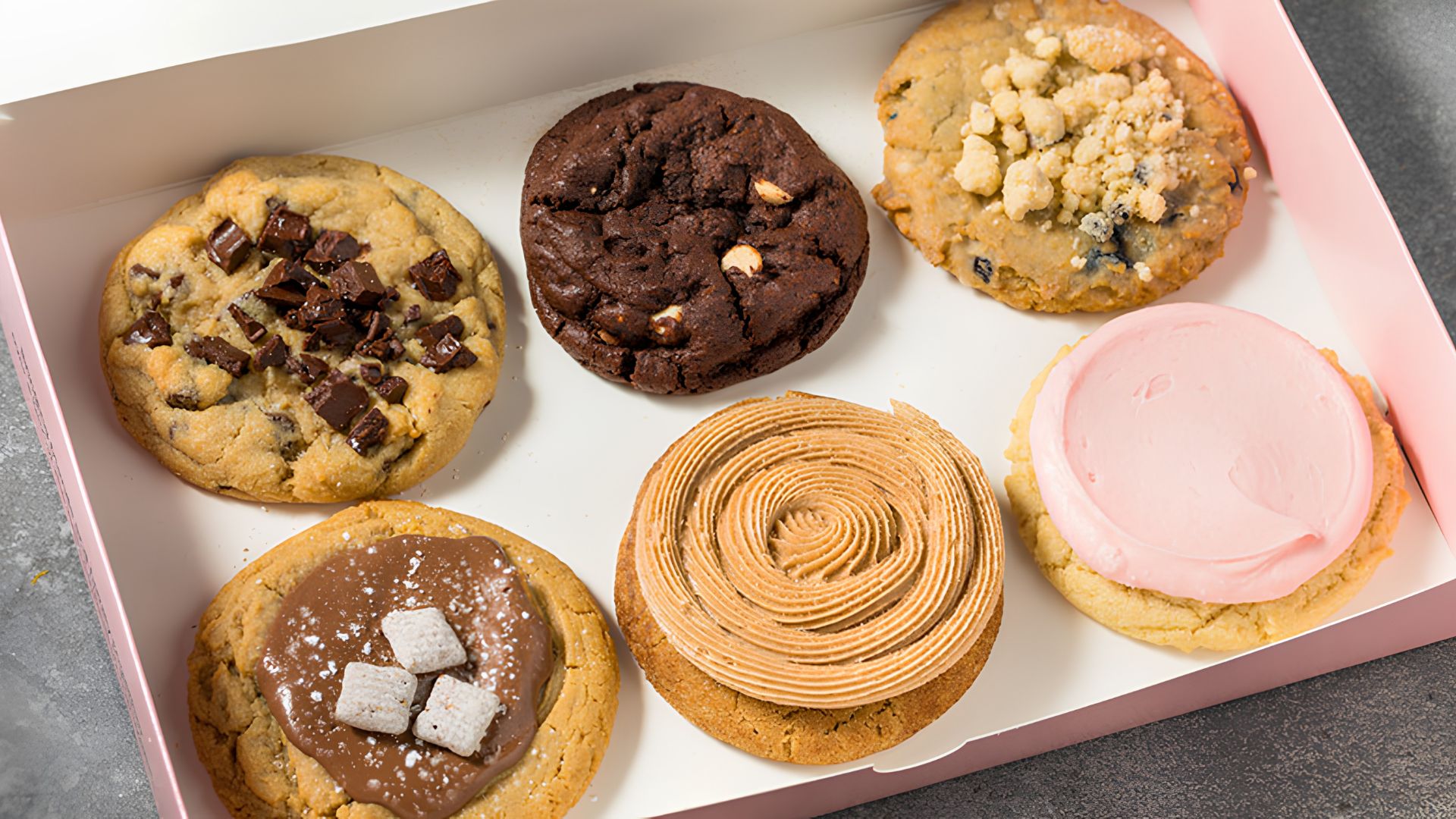
The popularity of the oversized, loaded cookies from US chain bakery Crumbl should be a niche. Instead, its impact has gone far beyond TikTok taste testing in consumers' cars. Demand for this style of loaded treat has spread globally, with non-US brands creating knock offs - M&S ‘Chunked and Loaded’ (UK), Lynnie Bakes (Malaysia) and Woolworth’s ‘The Cookie Man’ (Australia) - to cater for the extravagant demands. The trend is so popular it’s even present in wider markets with Crumbl’s Dove partnership releasing a candy pink shower gel range.
But the more commercially interesting behaviour Crumbl unlocked was not the purchase of one cookie. It was the purchase of all of them. Rather than just choosing the one from the rotating weekly line up of 6, social media users are buying the whole menu, and rating each one. Why choose one, when you can have them all?
And this "completionist" impulse has since filtered into mainstream retail. From Buzzball’s World Cup limited edition range, Stanley’s limited-time only colours, or Pringle’s ‘Guess the Flavour’; the satisfaction of the complete set outweighs that of making a preferred choice.
The Insight:
For brands, this represents a shift in how ranges should be conceived. The question is no longer just "which SKU will perform best?" but "how do we design a range that consumers feel compelled to experience in full?"
3. Erewhon Smoothies: When a Product Becomes Social Currency
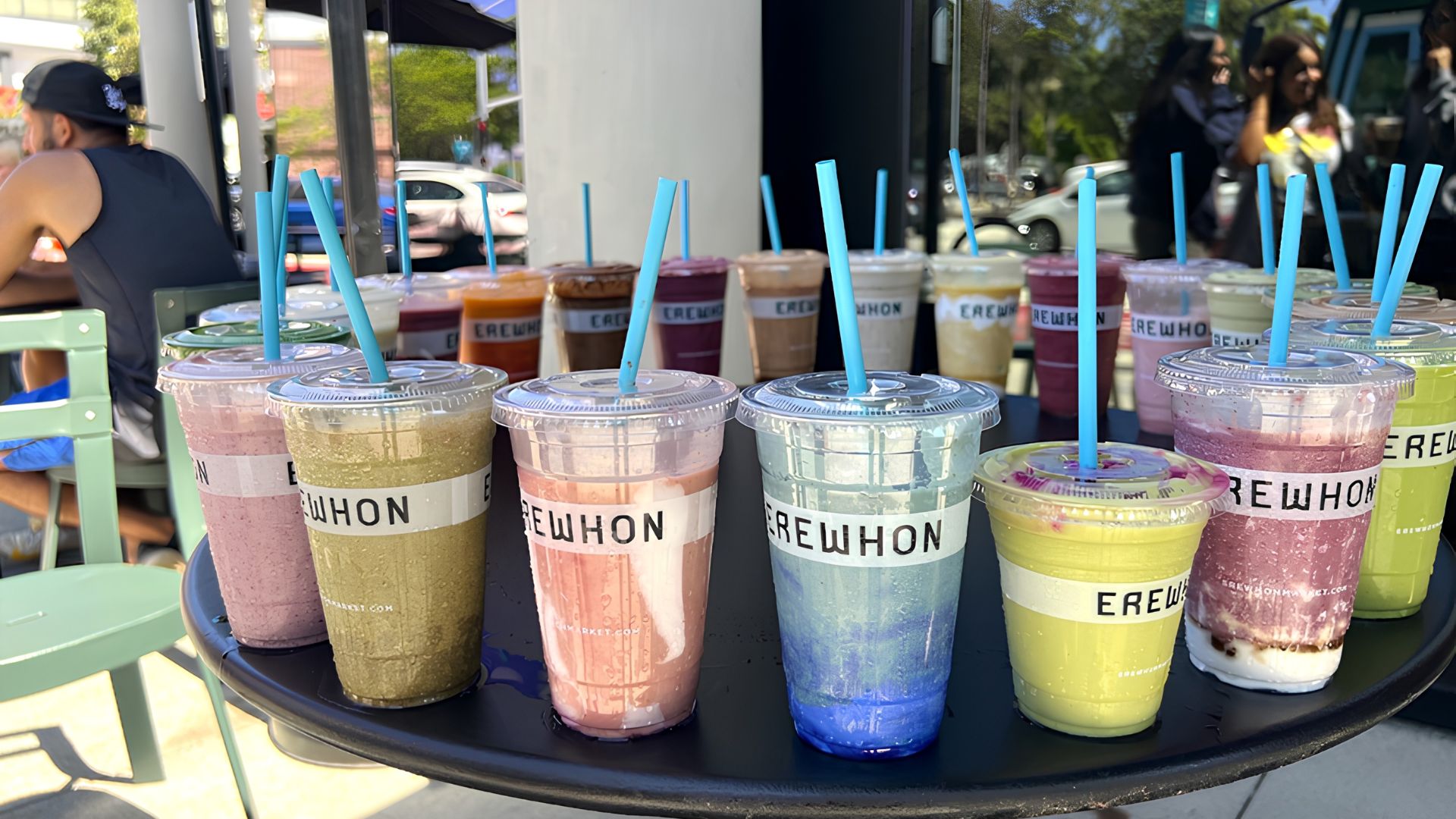
Erewhon, the Los Angeles wellness grocery store, sells smoothies that regularly retail between $20 and $30 – which, even for the premium shopper, is an aggressive price point. Yet despite this, the aesthetic, celebrity-backed drinks are consistently sold out, and relentlessly documented on social media.
The key about the virality of these smoothies is that they have transcended being a product, and become an online token. They are social media currency. Everyone wants to be seen to be trying one – and it tasting good is a bonus.
The Insight:
This is the most advanced expression of what viral food trends reveal about modern consumer behaviour: the actual consumption experience is often secondary to the social performance of consuming. Products need to be shareable.
Brand Takeaways
Three clear strategic signals emerge.
- Speed matters, but meaning matters more. Brands that chased the pistachio trend with a new SKU captured some commercial upside. Brands that understood why it resonated were better positioned to sustain it.
- Design for participation, not just purchase. The collector behaviour that Crumbl unlocked, and the social documentation Erewhon depends on, both point to the same truth: consumers increasingly want to do something with a product, not just consume it. Range, packaging, limited editions, and brand collaborations should all be conceived with shareability in mind.
- Any brand can play. Viral food trends are not confined to the food sector. The pistachio KitchenAid. The Crumbl-inspired bath range. The green matcha aesthetic filtering into fashion. Brands are benefiting from cultural food moments often far away from the original trend - because they move fast enough to borrow the cultural energy before it dissipates.
Simplify your marketing execution and increase your performance


