
Five brands that have built exceptional customer loyalty, and how they've done it
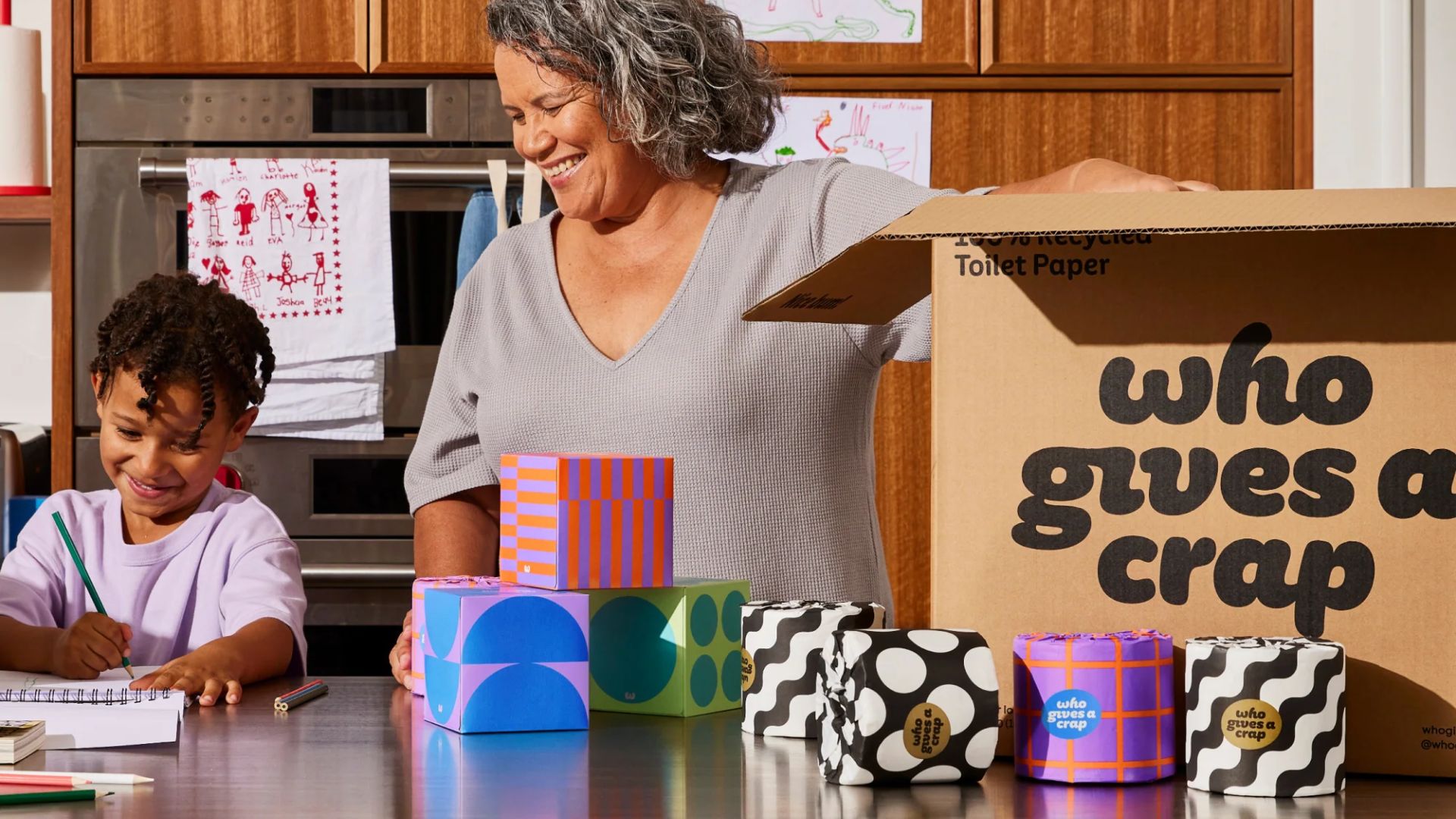
The obvious strategy for loyalty is mechanical: points, tiers, a discount code at the bottom of an email. But setting one up doesn't mean loyalty will follow.
The strategy needs to be there.
We've identified five brands that have captured the connection with their consumers, in ways unique to their brand and sector, to build long-term allegiance. True loyalty follows from something customers already value, and the programme, where there is one, only reinforces it.
The data
The desire for loyalty from customers is there:
- 7 in 10 consumers say they'll pay more to shop with brands they're loyal to (Marigold, 2024)
- 37% would stay loyal, with 23% spending more, with brands that build their trust (Adobe, 2026)
But it has to work for them, suit thed situation, and come from a place of genuine value:
- 63% of customers will abandon a loyalty programme if they can't understand how it works (Bond, 2019),
- 63% of shoppers prefer experience-based rewards over discounts (Incisiv, 2023).
- 56% of adults worldwide say they'd become repeat buyers after a personalised experience (eMarketer, 2023).
- 94% of consumers are more likely to be loyal to a brand when it commits to full transparency (SAP, 2024)

Gymshark: an accessible community
In its early Black Friday sales, Gymshark's ‘Blackout’ drew shoppers into hours-long online queues without knowing what would be discounted, or by how much. That is loyalty in a pure format: customers committing time before they'd seen the offer.
The brand achieved this by building a community that felt accessible rather than aspirational. Online fitness ambassadors acted as the bridge between brand and customer, which made people feel part of the brand rather than marketed to. Ambassador videos previewing what was going on sale felt more credible than brand-produced ones, because they came from individuals customers saw as one of their own. The trust sat with the person, not the brand – becomes there is no strong marketing than personal word of mouth.
Amex: always visible, but offering exclusive
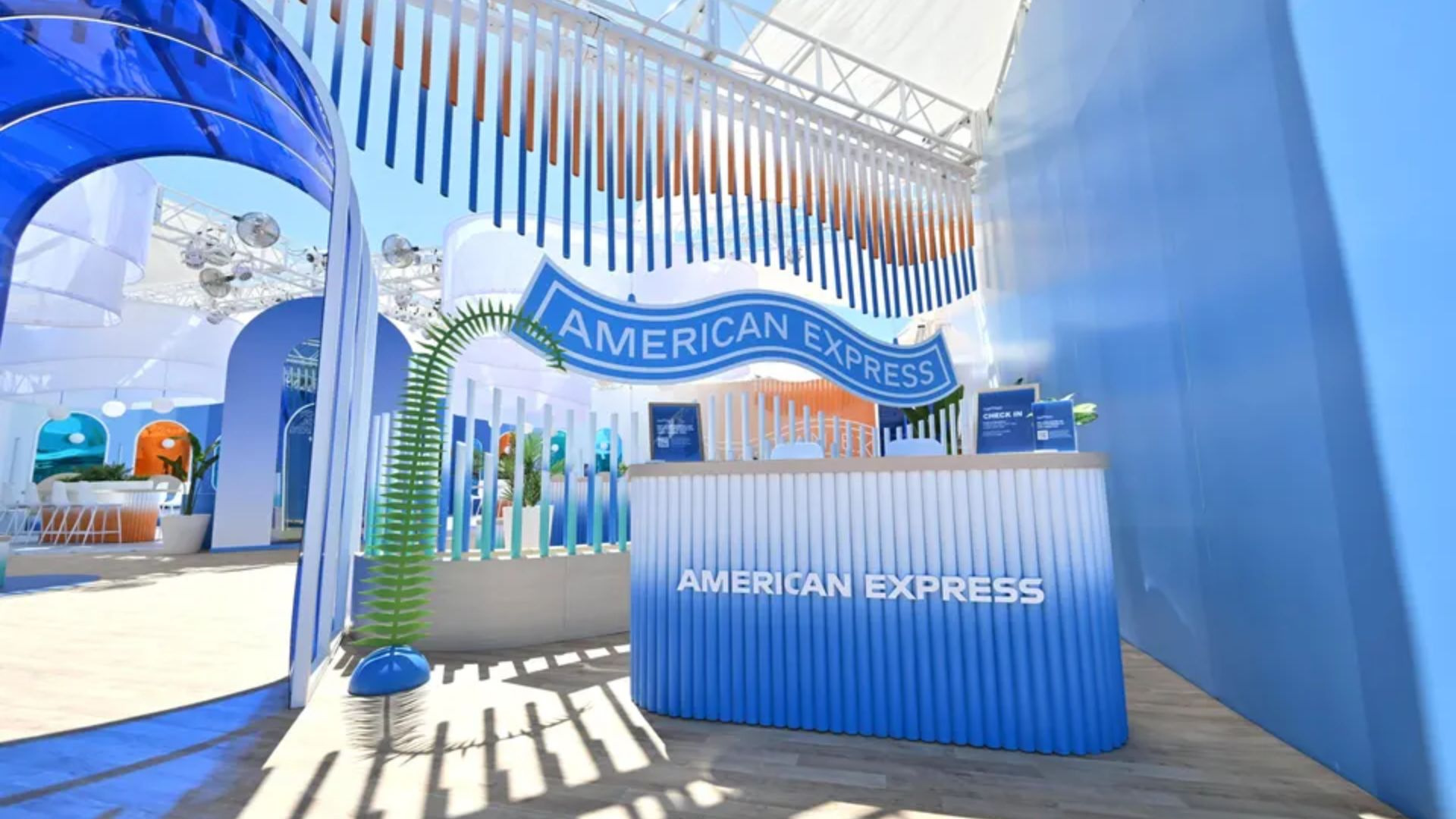
Amex makes customers feel valued by being everywhere, but only open to some. They deliver a consistent presence with activations at events across sport, music and entertainment, but access and rewards are largely reserved for cardholders. The visibility makes membership desirable to those who don't have it, while simultaneously selling the brand to potential customers as one that will value them if they join. Then exclusivity makes it feel earned to existing customers.
The principle is lasting because it doesn't depend on a particular perk. The specific benefits can change as customer priorities do, while the feeling of being recognised stays constant. It makes the loyalty strategy easily adaptable to circumstance and the ability to pivot makes it more steadfast.
Domino's UK: a programme that matches why people order
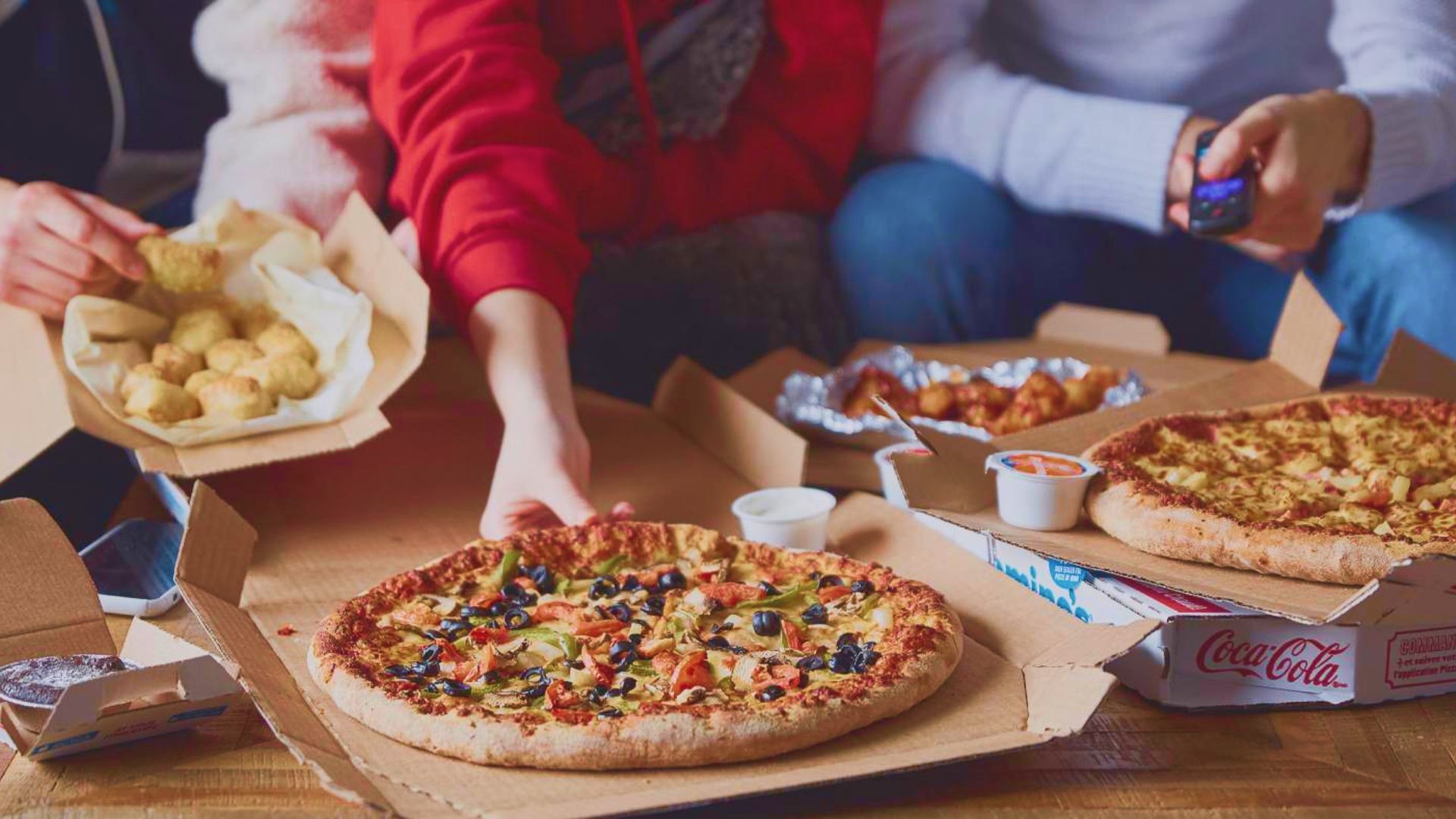
The Domino's UK loyalty scheme runs on stamps rather than points, a choice that shows the brand understands its customers. Many consumers order from Domino's less for a new flavour or because it's the best pizza in town, but because delivery is easy, quality is consistent and the service is reliable – especially for large groups. Therefore, a loyalty mechanic has to reflect why customers come, and a simple stamp fits a brand people choose for its simplicity. Points would over-complicate – a simple, clear reward with a clear path to earning it works better.
That match is what protects durability of loyalty, as Domino's can refresh the menu and the app without touching the promise customers return for - ease and consistency.
Who Gives A Crap: a story that holds up
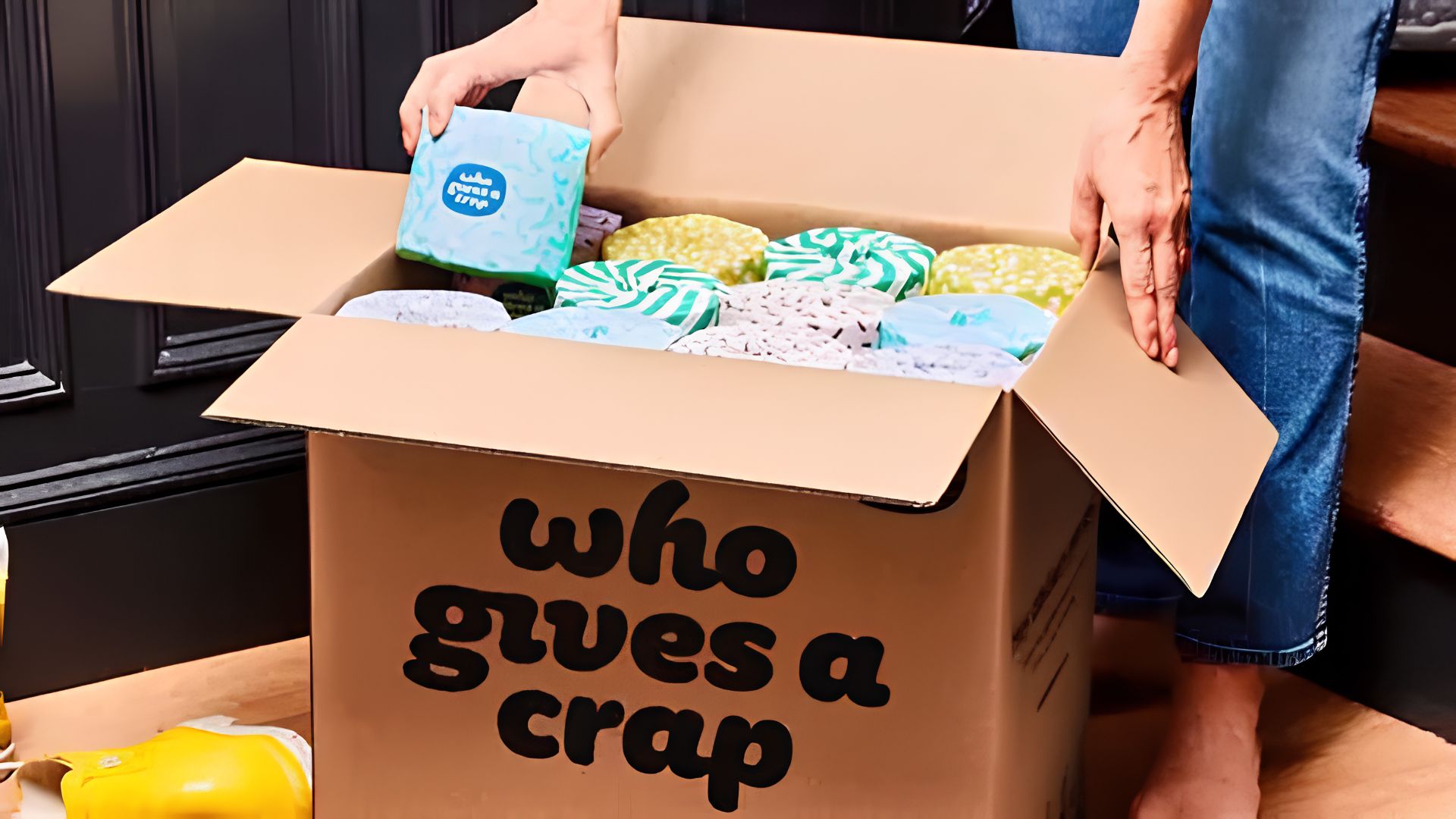
Toilet paper is a commodity which customers can cheap anywhere. Who Gives A Crap has persuaded people to pay a premium for it, and to keep coming back. An exceptionally strong example of loyalty, so how have they done it?
Their customer loyalty is deep-rooted in storytelling, and a brand ethos conveyed so clearly and effectively that it drives repeat purchase. The brand is committed to reducing waste and changing unsustainable production, and it backs that up by donating 50% of profits to sanitation initiatives and making its toilet paper from recycled paper or bamboo. A clearly defined commitment leaves little for the consumer to question: they understand why they are paying the premium, and they trust it. WGAC is a masterclass in communicating brand identity clearly, which is what underpins loyalty.

Nike: staying in the routine
Nike recognises that its brand is about more than wearing clothes or shoes, so it supports the behaviours that make people enjoy the products. They don’t just have loyalty schemes that target more spend, but strategy to make their customers feel valued, and indirectly then come back for more.
Free fitness platforms like Nike Run Club and Training Club help not only embed the brand in daily routines, but keep Nike an active partner of customers' lives where their products sit. It's also how Nike has stayed relevant. The products and the platforms it used to reach people can evolve, but the role it plays stays fixed: helping people do the activity they care about. A brand that's part of someone's routine is much harder to replace than one they buy from occasionally when they need new shoes.
The common thread
Loyalty and longevity are closely linked, and both come from the same decision: knowing what to keep constant and what to change. Gymshark kept its community, Amex its recognition, Domino's its convenience, Who Gives A Crap its commitment, Nike its daily life support. Each has changed programmes and activations around those anchors, but they anchors have not changed themselves
For brands building or rethinking a loyalty strategy, the useful question is what customers are actually coming back for. Answer that honestly, keep it steady, and design the mechanic to fit it. A programme built on anything else may generate activity for a while, but it's unlikely to hold customers once a better offer appears.


