
Christmas markets: An untapped opportunity for brands?
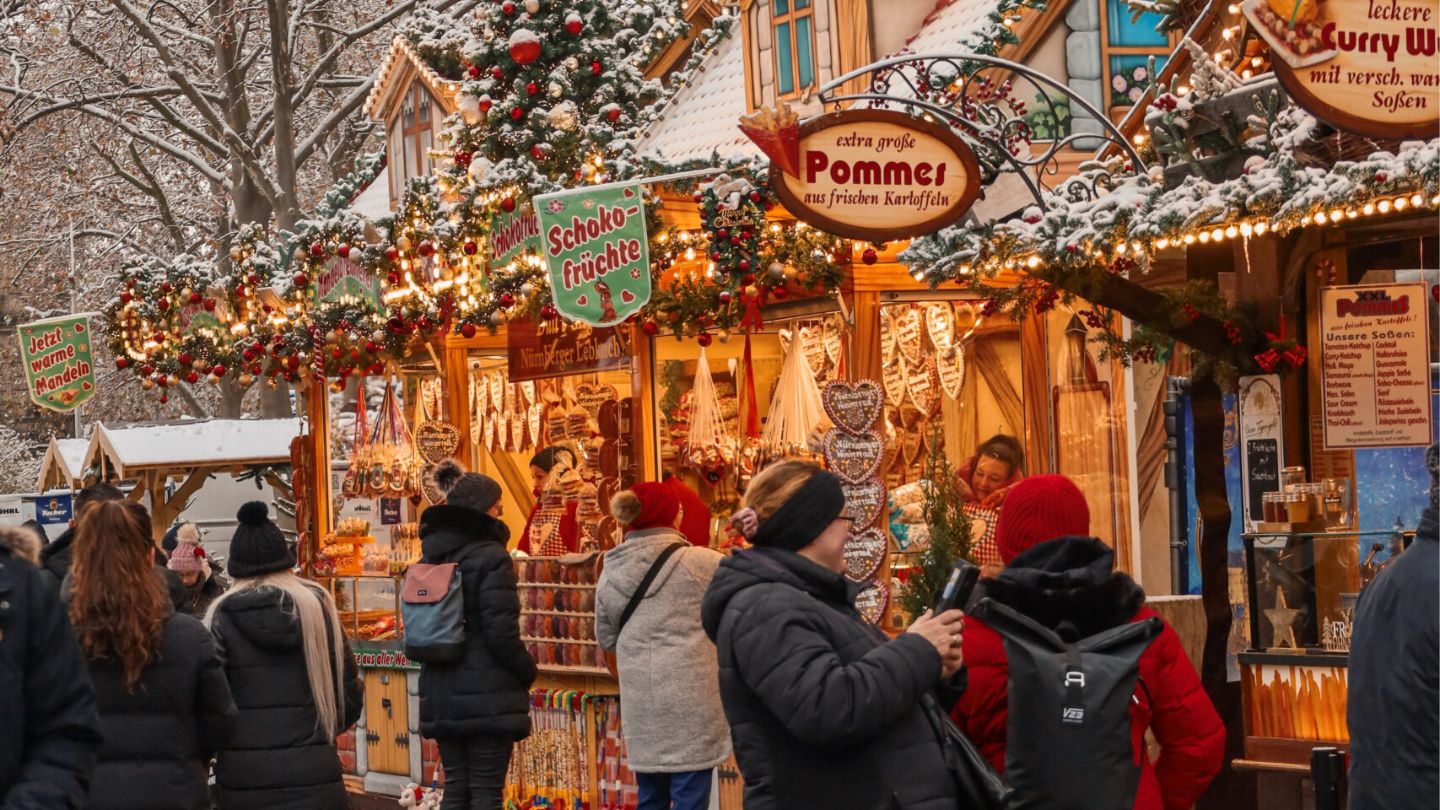
Pretty much every major western city now has a Christmas market: a festive hub of faux-German wooden huts, wafts of steaming mulled wine and sizzling sausages, packed with fun-fair games and trinket stalls. They are some of the most popular consumer destinations of November and December.
Yet one thing is often noticeably absent: brands.
A hub of engagement and entertainment, with huge footfall, and visitors in the festive spirit ready to spend. It seems like the perfect opportunity for brands to launch activations. So why aren’t they more prevalent, and what could be the opportunity to capitalize on this primed audience?

The opportunity
The scale of these markets and their spending power is considerable.
The most attended Christmas markets in Europe were forecast to welcome 17.3 million visitors and generate €986.8 million in economic impact (2025, Data Appeal Company and Marian), whilst in the UK, 40% of Brits plan to visit a Christmas market over the festive break, rising to 50% among 16-24s (Visit England, 2025).
Festive spending itself shows no sign of slowing down, and especially in the physical realm: 47% agree that Christmas is a time to indulge even if it means overspending (Inpublishing 2026), and 69% of US, UK and Canadian shoppers shopped in-store during the Christmas period in 2025 (Salsify 2026).
The data shows shopper are there and ready to spend, with a hub of festive spirit the perfect fall ground.
So why are brands not there already?
The obvious answer is that brands don’t see the value. A small simple hut amongst hundreds of others may seemingly have minimal return on investment, and if that is simply what the brands are looking at, it’s an assumption hard to call wrong. Some organisers heavily curate their vendors and can refuse applications that are not appropriate for the event or are oversubscribed, which many disadvantage multi-national brands – but there is no concrete restrictions in place, or tangible evidence to prove this.
But this one-dimensional viewpoint misses the opportunity. A small stand may not sell volume, but it can embed itself in the holiday experience. It allows big brands to put themselves alongside the authentic ethos of independent traders, and become a trusted holiday partner. Shoppers are eager to experience and hence primed to engage with a brands.
Christmas market activation for brands is not an ROI activity, it is a relationship builder.
3. How to activate in the existing market
What are some strategies to leverage the Christmas market visitor opportunity?
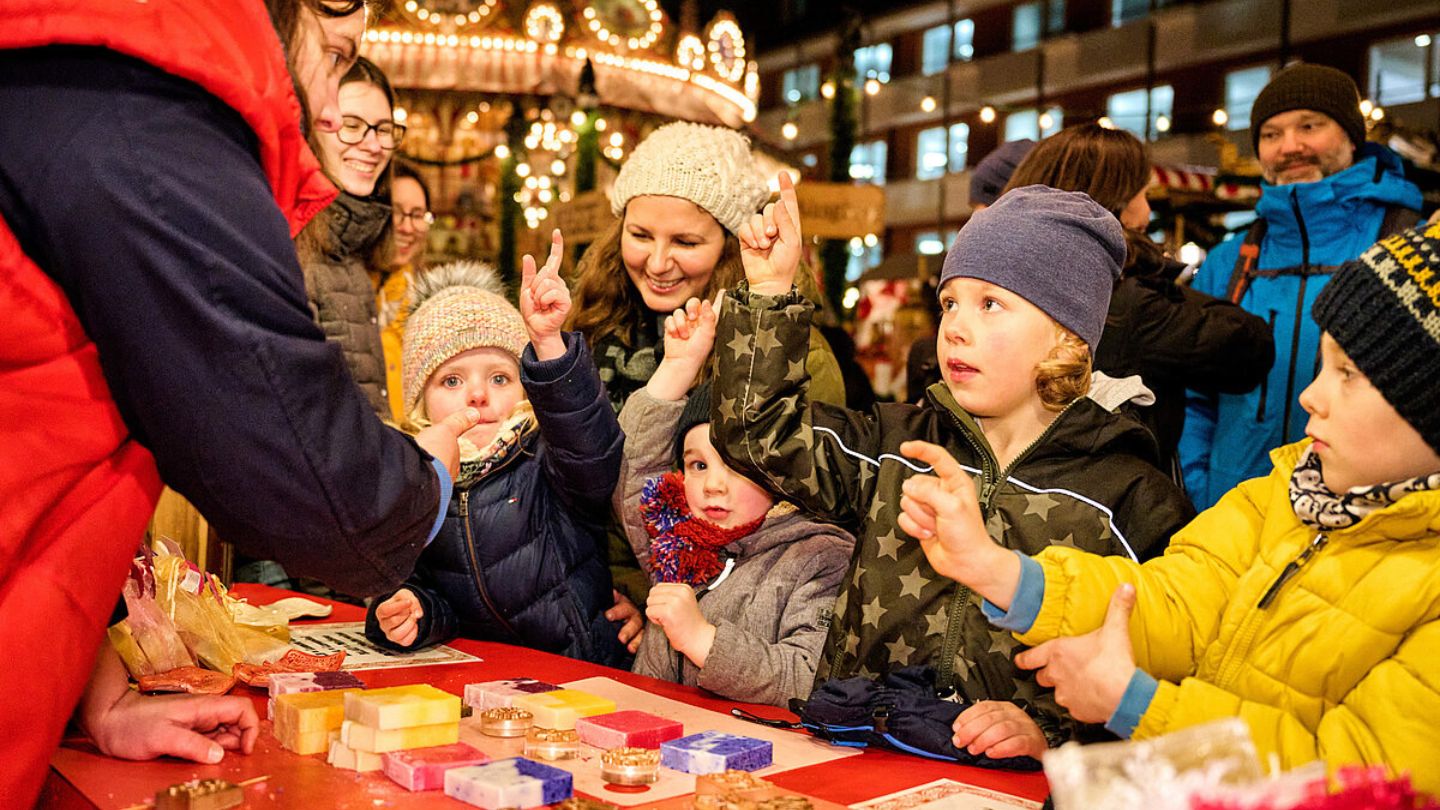
Gamification. A stall that only sells is more easily skippable. But markets are popular because they are interactive, which offers a prime opportunity for activities or games. They intrigue, engage, and creates a lasting brand memory – as well as being a spectacle to draw in the next visitor.
Familiarity. The strongest assets to leverage at a festive market are the ones consumers are going there with in mind – nostalgic, iconic, wholesome. A food brand could turn its product into ‘reindeer treats’; incorporate a new way a ‘leave something out for Santa’, or tie in carols, the roast dinner or the stocking. The brand doesn’t need to invent a story. It needs to attach itself to one people already carry, but embed itself within a new memory of that to become memorable.
Interconnected. Markets are among the most photographed places of the season, so shareability is key – especially as the festive season is rooted in one of togetherness. Design the moment to be captured and shared, with activations that will translate into social media currency. Photo opportunity spots, QR codes that link to digital filters, omnichannel experiences that continue the brand journey online past the stall. It creates brand advocates and free promotion for awareness.
4. Or start your own?
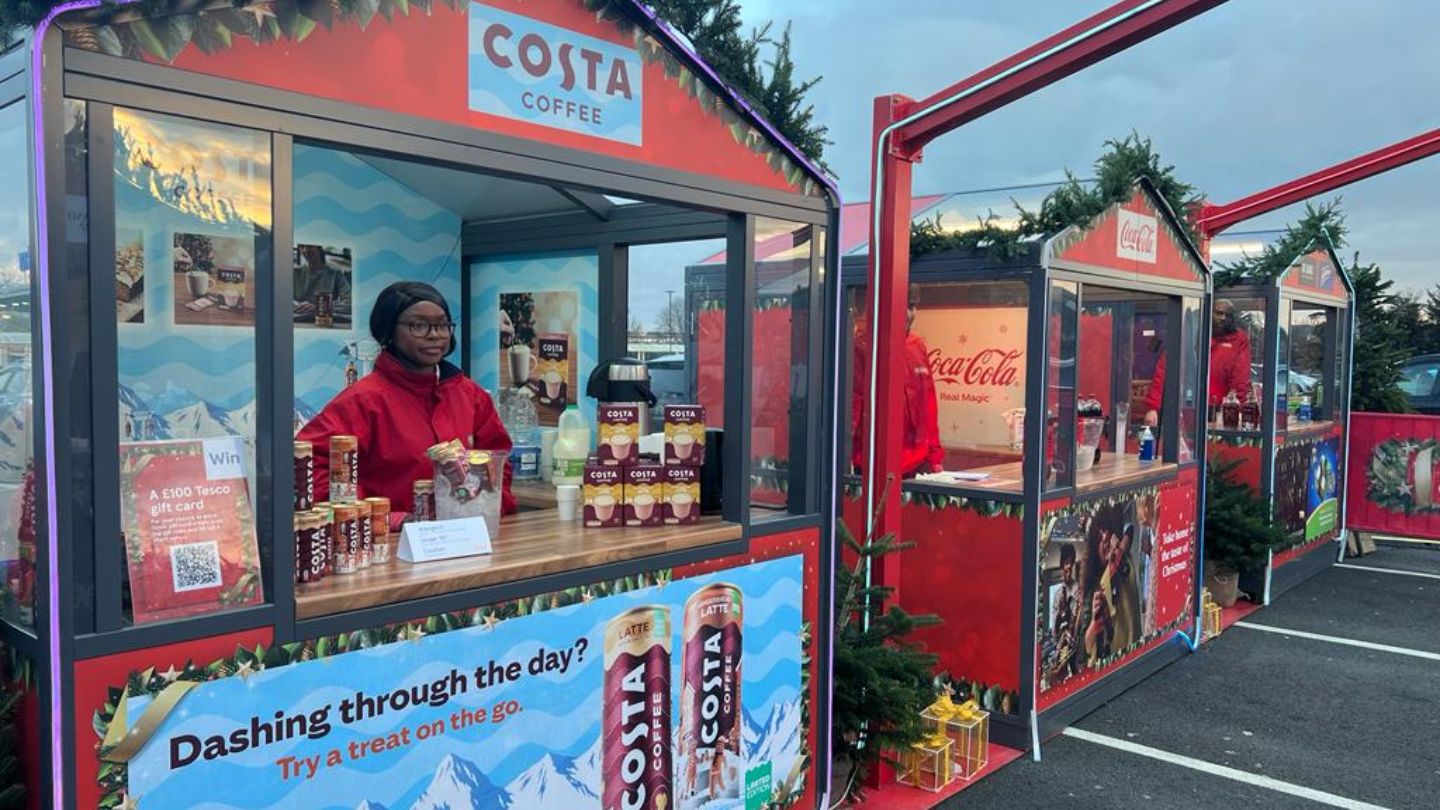
If brand don’t want to or can’t compete within existing markets, the opportunity is not void. They need to think laterally. They can take the spirit of the market, and create their own, either through partnering with retailers or as brand-owned temporary pop-ups.
John Lewis opened indoor markets in 10 major stores, complete with events workshops and personalised gifting (2021, The Retail Bulletin), whilst Selfridges went outdoors with an open-air Christmas market behind its Oxford Street flagship. And for single FMCG temporary activations, Pepsi Max’s ‘Put it on Ice Bar’ at Westfield, creating a festive destination akin to a market, but with their own twist.
Yet a more untapped opportunity that this lies in activating at other points in the experience journey of popular markets. Along the routes to the market, at transport hubs, or in high-footfall streets, where the audience is already moving and in the mood.
If the format won’t work, brands need to think creatively: borrow the emotional impact of a Christmas market without needing a hut inside one.
Key Takeaway
Christmas markets put millions of festive, ready-to-spend shoppers in one place, yet brands are largely absent because a single hut rarely justifies itself on sales alone. That misses the point. The value is in becoming part of the festive experience through play, nostalgia and shareable moments, and in building relationships rather than driving immediate volume. Those who test small and measure engagement over sales will be best placed to turn the season’s most visited destination into lasting brand memory.
Simplify your marketing execution and increase your performance


