
10 brands winning with AI: the campaigns defining best practice in 2026
The problem with visible AI in marketing campaigns and activations is a perception one. We can all recall a terribly read use of AI by a brand – generic, soulless, and instantly recognisable as a gimmick, synthetic, or a cost cut.
But get it right and it becomes an driver of growth and opportunity: a tool that enhances a human-driven idea or consumer desire rather than replacing it, or one that leans un-apologetically into newness that it becomes an exciting concept itself.
The brands below aren't winning because they used AI. They're winning because they knew exactly what job to give it - and how to combine it with humanity.
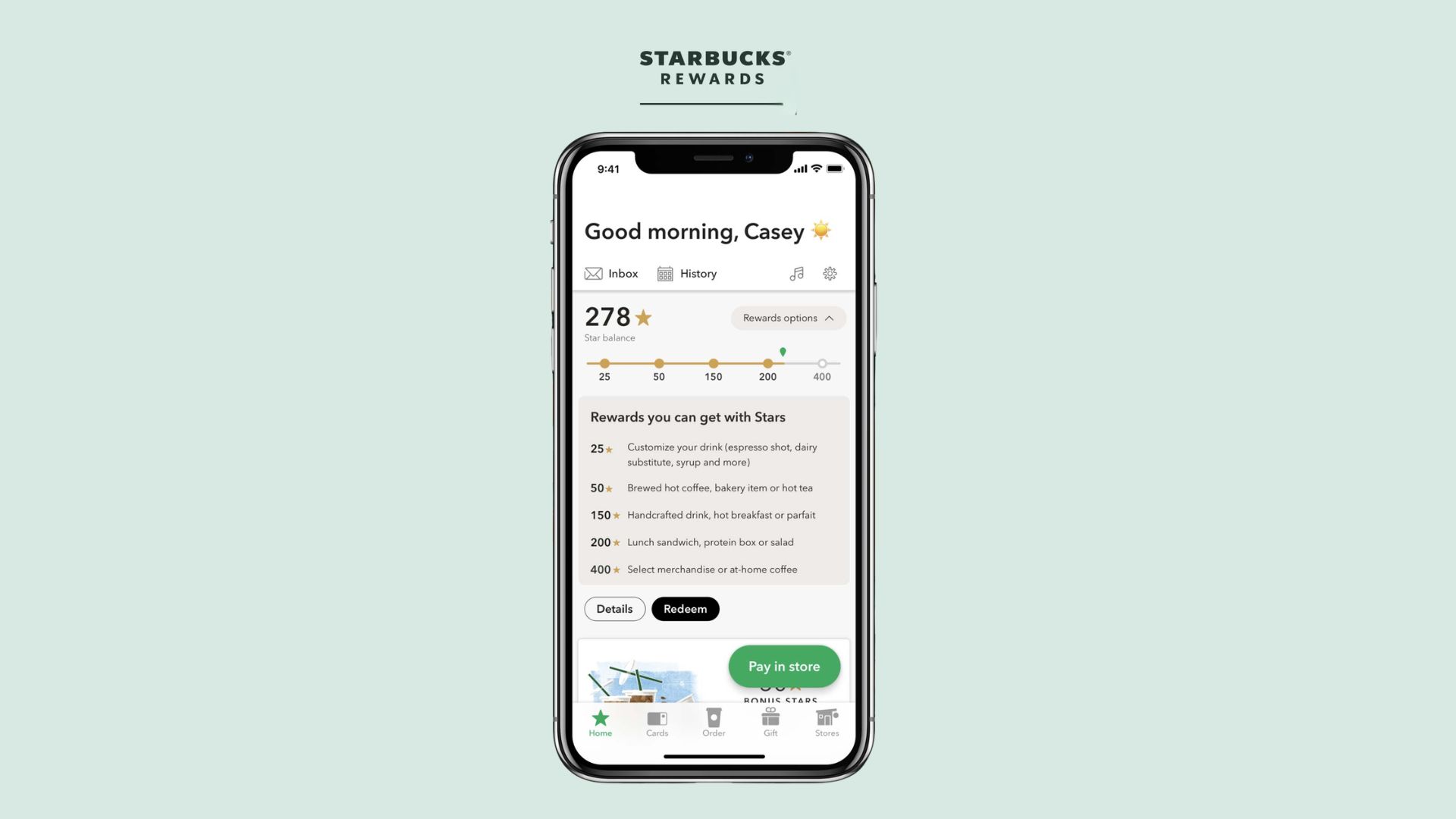
1. Starbucks Personalised Rewards
Starbucks are successfully leveraging AI to improve loyalty. Their app rewards programme using AI to read their customers behaviour and strengthen the connection: from timing drink recommendations to align with purchase history, to encouraging relevant new launches with bonus stars on their rewards. They turn their loyalty scheme into a dopamine-driven living loop rather than a static discount card.
This works because it applies AI where it's genuinely useful: not in their brand identity or creative which is already synonymous, but the precision. Personalised offers reportedly drive spend roughly 3x higher among engaged users, with US app engagement up 23% and loyalty participation in China up 35% - proof that AI-led retention can outperform blanket promotion when it's built around real behavioural data.
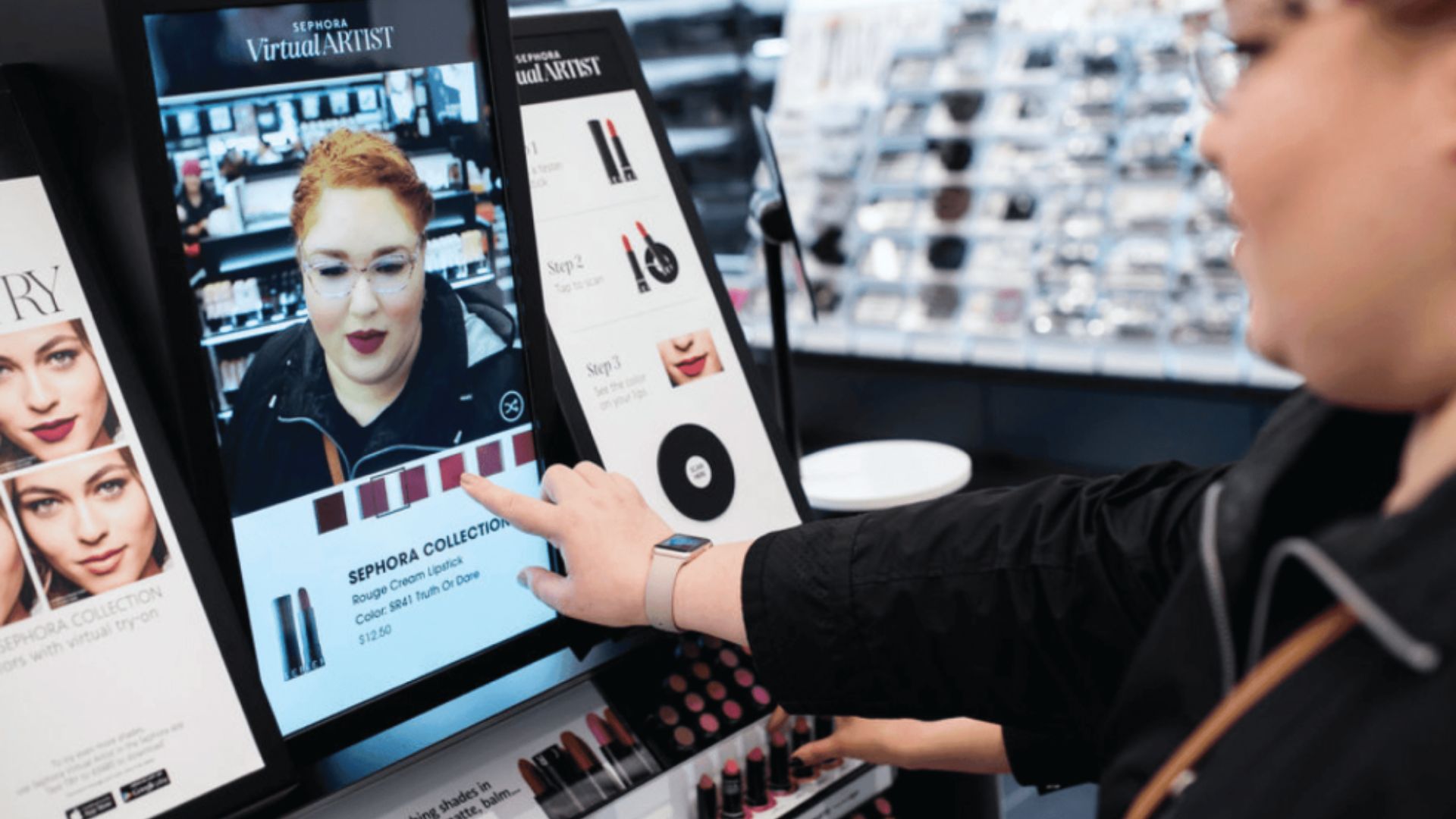
2. Sephora's Virtual Try-On
Virtual try-on is being adopted across beauty brands, with Sephora's Beauty OS and Skin IQ diagnostics leading the way in-store and online
The concept succeeds because it expands capacity rather than replacing it — AI fills the gap where staff availability or store footfall can't stretch, not the parts of the experience that need a human touch. Customers who use the virtual try-on convert at roughly 3x the rate of those who don't, making it one of the clearest ROI cases for AI in beauty retail.
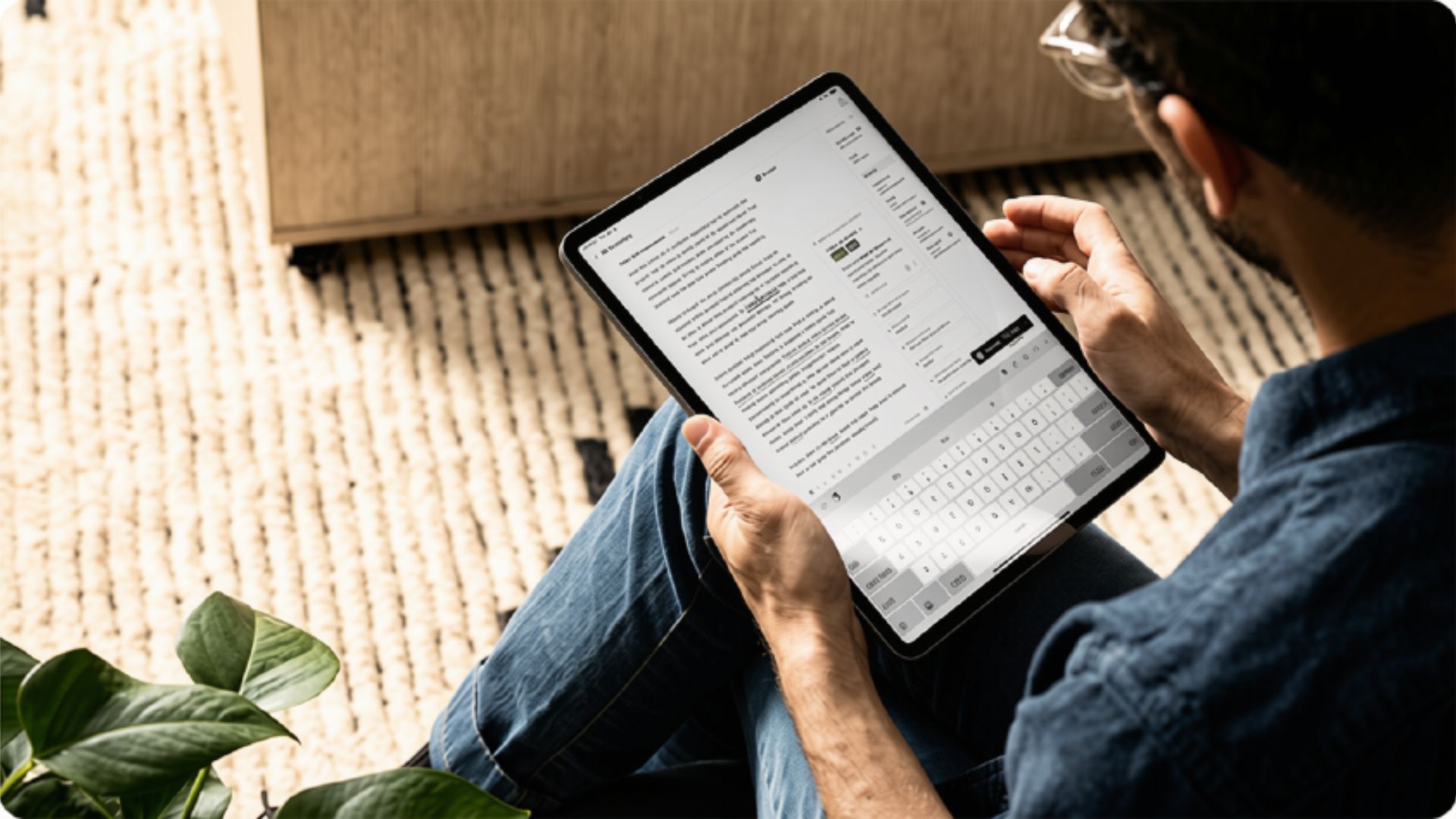
3. Grammarly's Predictive Upgrade Targeting
Rather than marketing an upgrade to every free user, Grammarly uses AI analytics to identify who is genuinely close to converting - and targets that moment precisely.
It's a masterclass in going from volume to precision. The approach avoids alienating long-term free users who still hold brand value (and may upgrade at some point), while catching high-intent users at exactly the right moment - solving the long and short term loyalty targeting trade-off that traditional segmentation struggles with.
4. Popeyes' Reactive AI Content
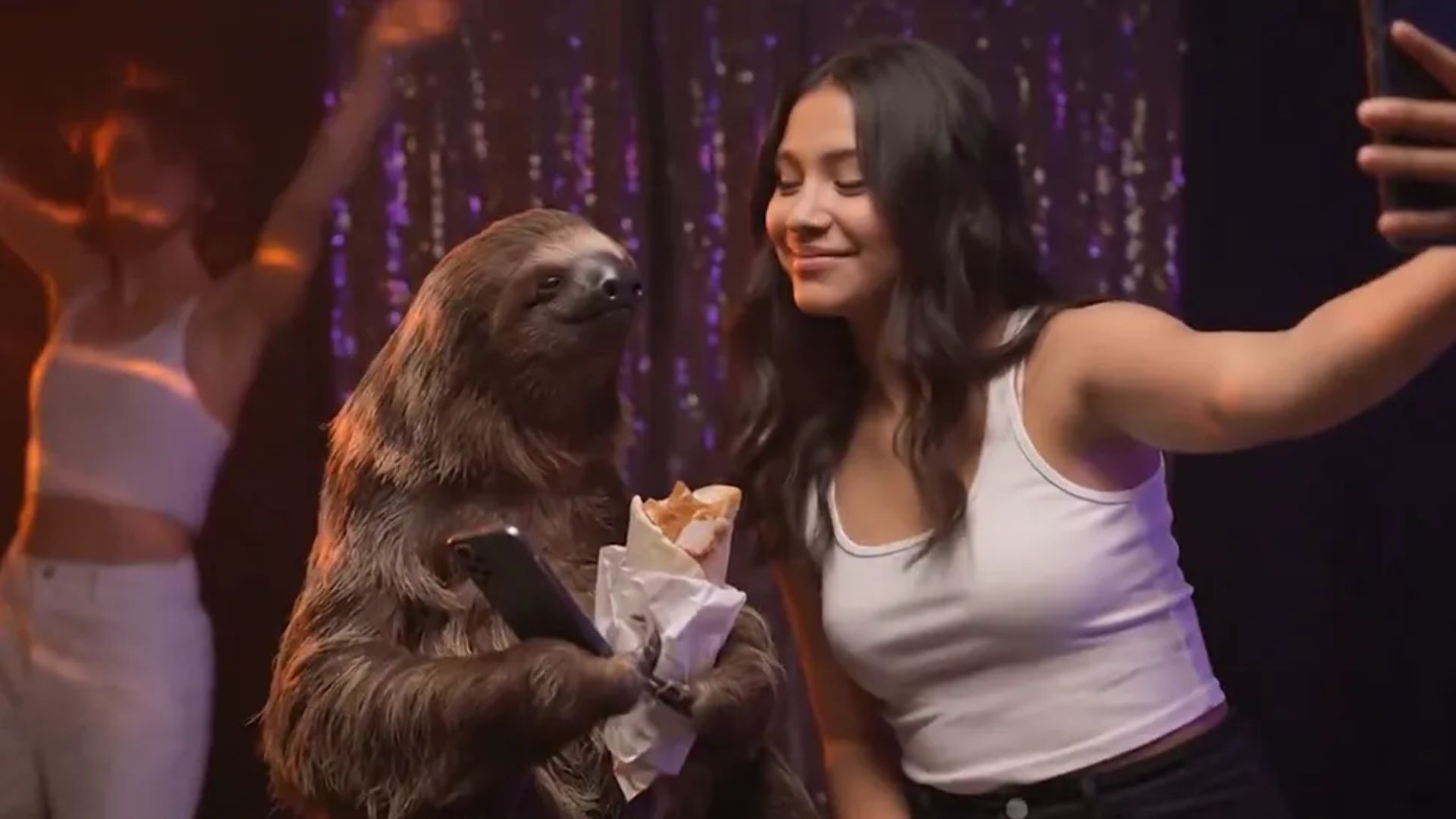
When McDonald's brought back its Snack Wrap a day after Popeyes launched its own Chicken Wraps, Popeyes responded with an AI-generated rap video, "Wrap Battle," which went viral across TikTok, Instagram and X.
This is AI as a speed advantage. Real-time trend and rivalry marketing has always carried production risk — no time to shoot, edit, or approve in the usual cycle, or a forced choice on which trends to take a risk with on building a campaign. AI collapses that risk, letting brands respond to culture within hours rather than weeks.
5. Under Armour x Anthony Joshua
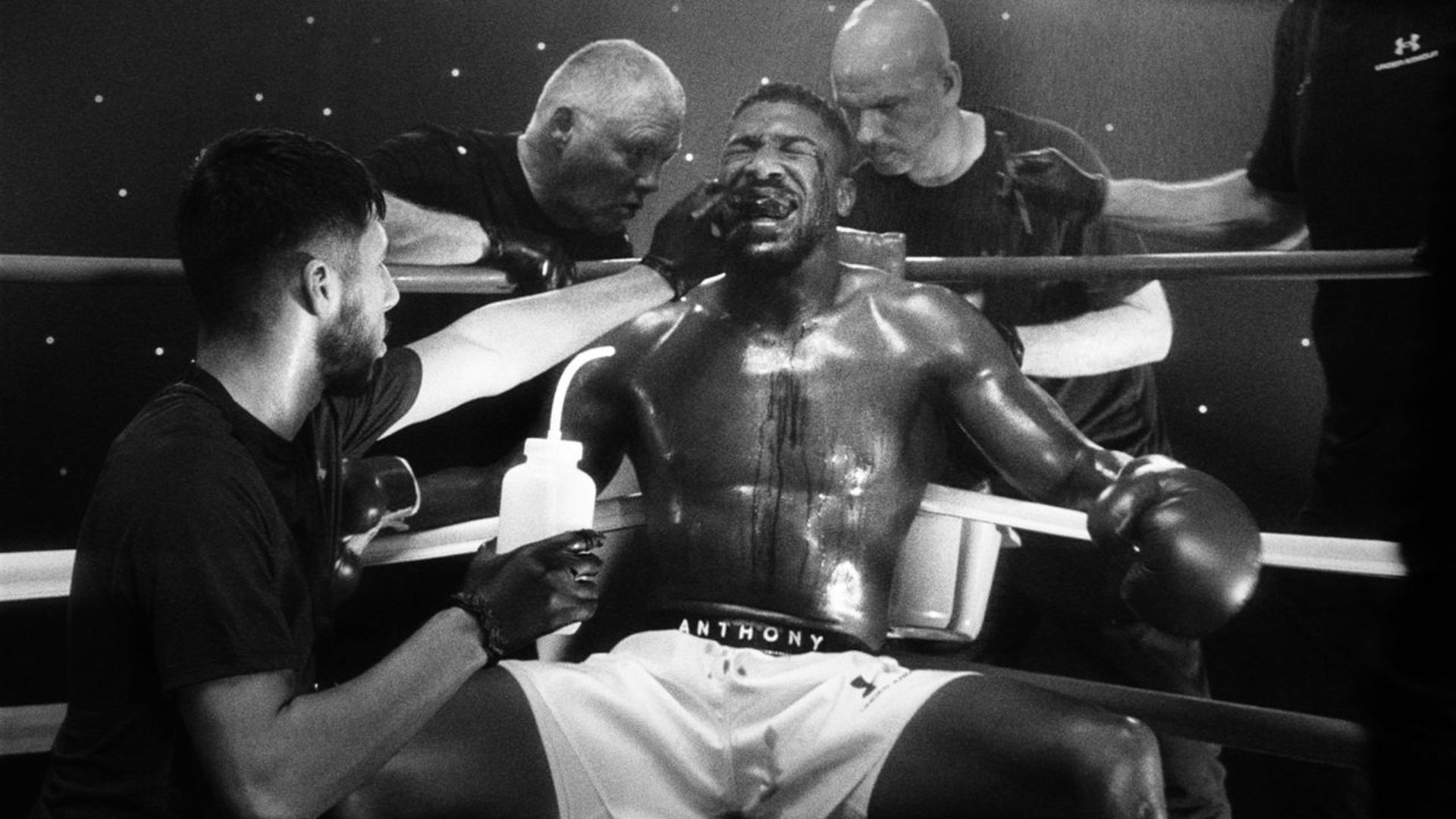
With its star athlete unavailable for a shoot, Under Armour and creative studio Tool combined generative AI with advanced VFX to reinvigorate existing footage — producing what's considered the first AI-powered sports commercial, in a surreal, mixed-media format.
The lesson here is concept enabling, not cost cutting. AI didn't make the campaign cheaper to produce — it made an otherwise impossible campaign possible, and the futuristic, almost superhuman aesthetic it created ended up reinforcing the "elite athlete" positioning rather than undermining it. It is a masterclass in how to leverage AI creatively that feels thought-through and strategic, rather than gimmicky and cheap.
6. Coca-Cola's Y3000
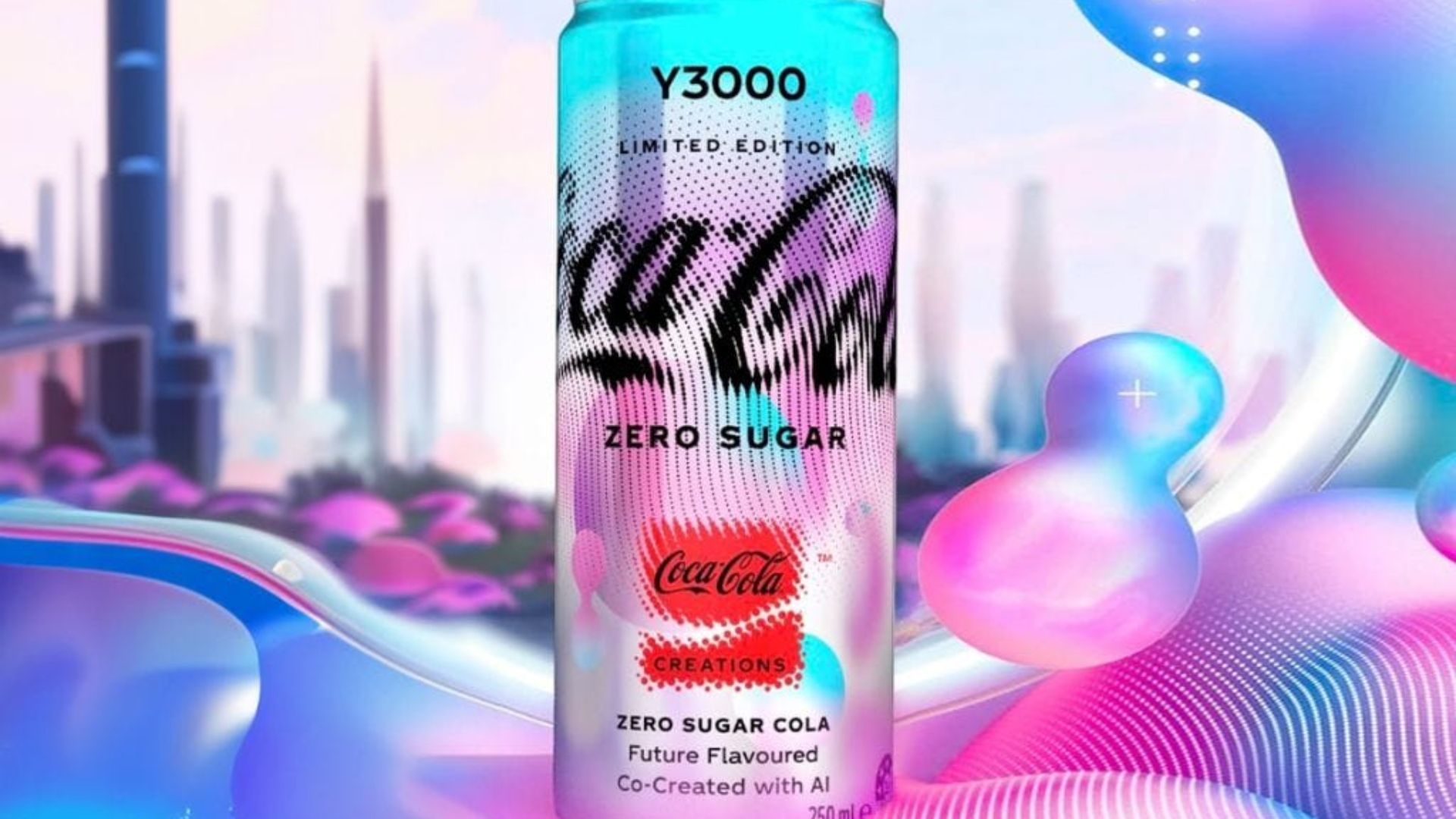
Coca-Cola leaned fully into AI's futuristic associations with the Y3000 launch - a limited-edition flavour built around the concept of "what the future tastes like," rather than an AI-driven tweak to an already-iconic product.
The key here is using AI to embrace newness, rather than try to replace beloved identity. Brands that try to apply AI to their most sacred assets (i.e. Coke's glass bottle), risk diluting loyalty built over decades. Coca-Cola used a vehicle to test-and-learn with AI, keeping the core brand untouched, whilst also introducing the audience to their AI-adoptive approach going forward.
7. David Beckham x Malaria No More
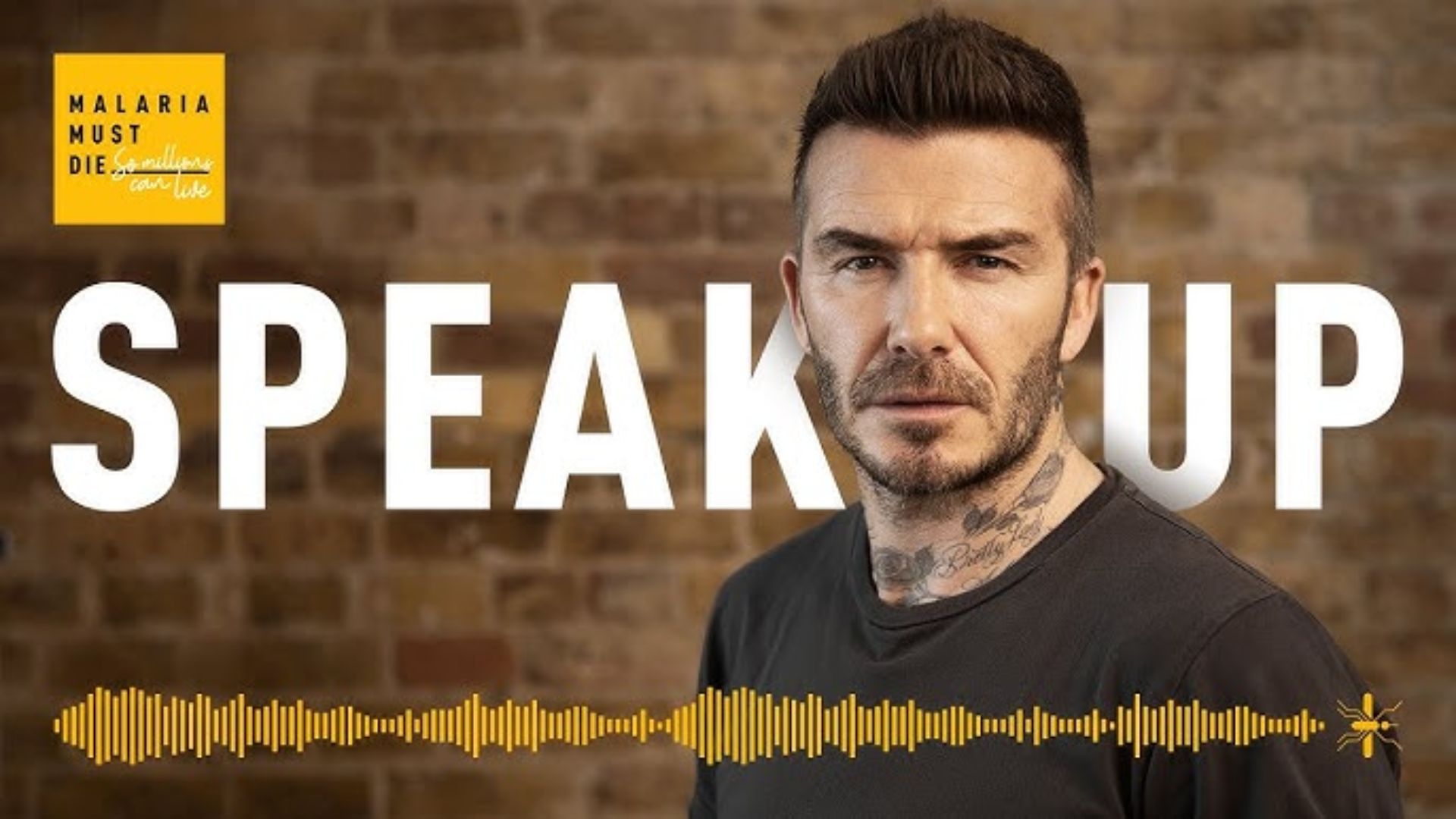
Malaria No More, a global charity, embraced the conversation driving elements of AI, using its sometimes in-human, unrealistic tendencies as an advantage not a hurdle. Synthesia's AI voice technology enabled malaria survivors' real testimonies to be given voice through David Beckham, delivered in nine languages for a single global awareness campaign.
This is AI unlocking creative possibility, and cleverly re-marketing its weaknesses.
8. Nutella's Personalised Packaging
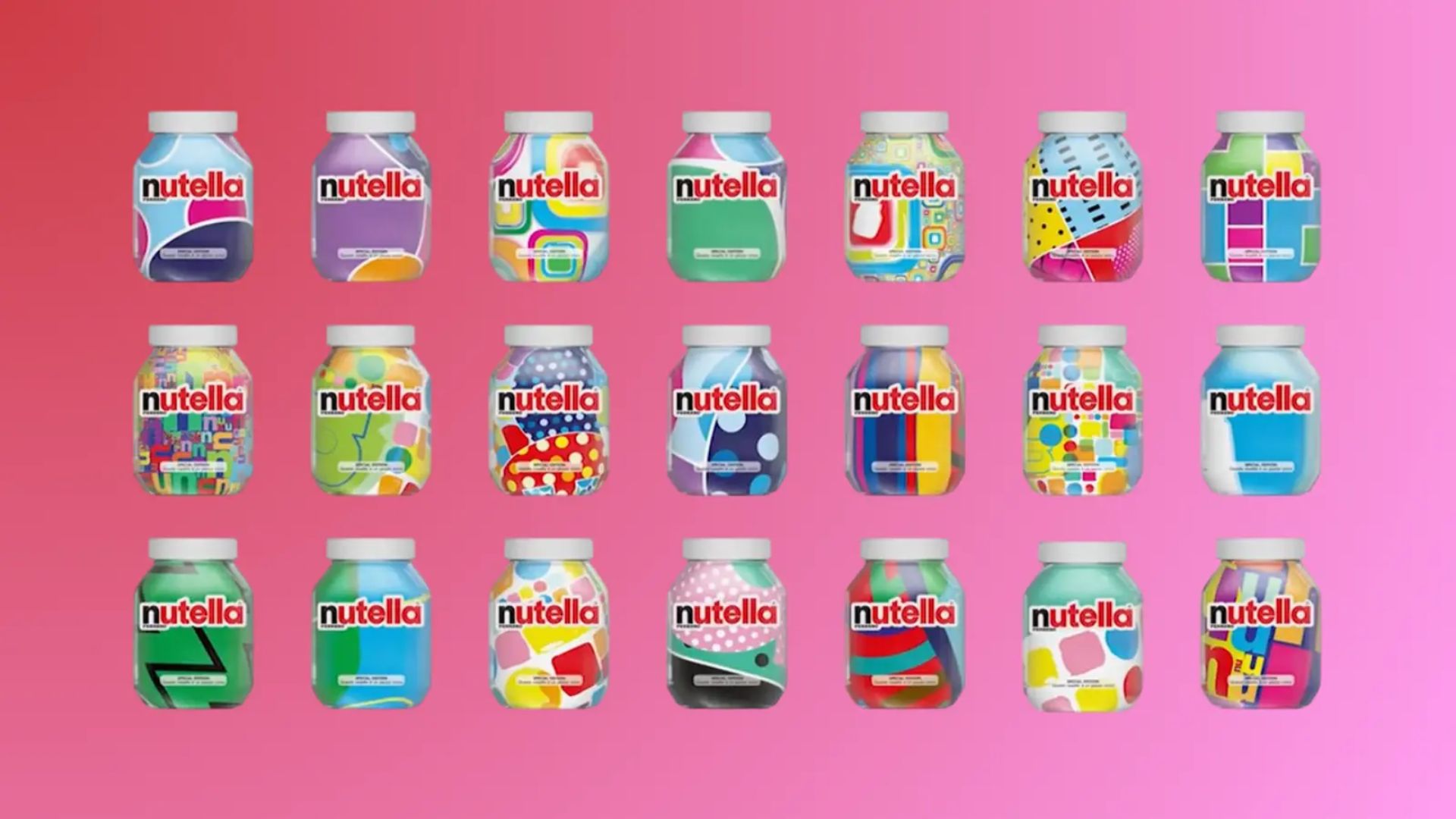
One of the biggest strengths of AI is personalisation, and a fun example in practice comes from Nutella, who used an algorithm to generate seven million unique jar labels, turning every jar on shelf into a one-of-a-kind product.
It's personalisation as a value-add rather than a cost centre. AI facilitates variation at a scale that no design team could produce manually, making a mass-market product feel individually made without added resource.
9. Netflix's AI-Enhanced Search
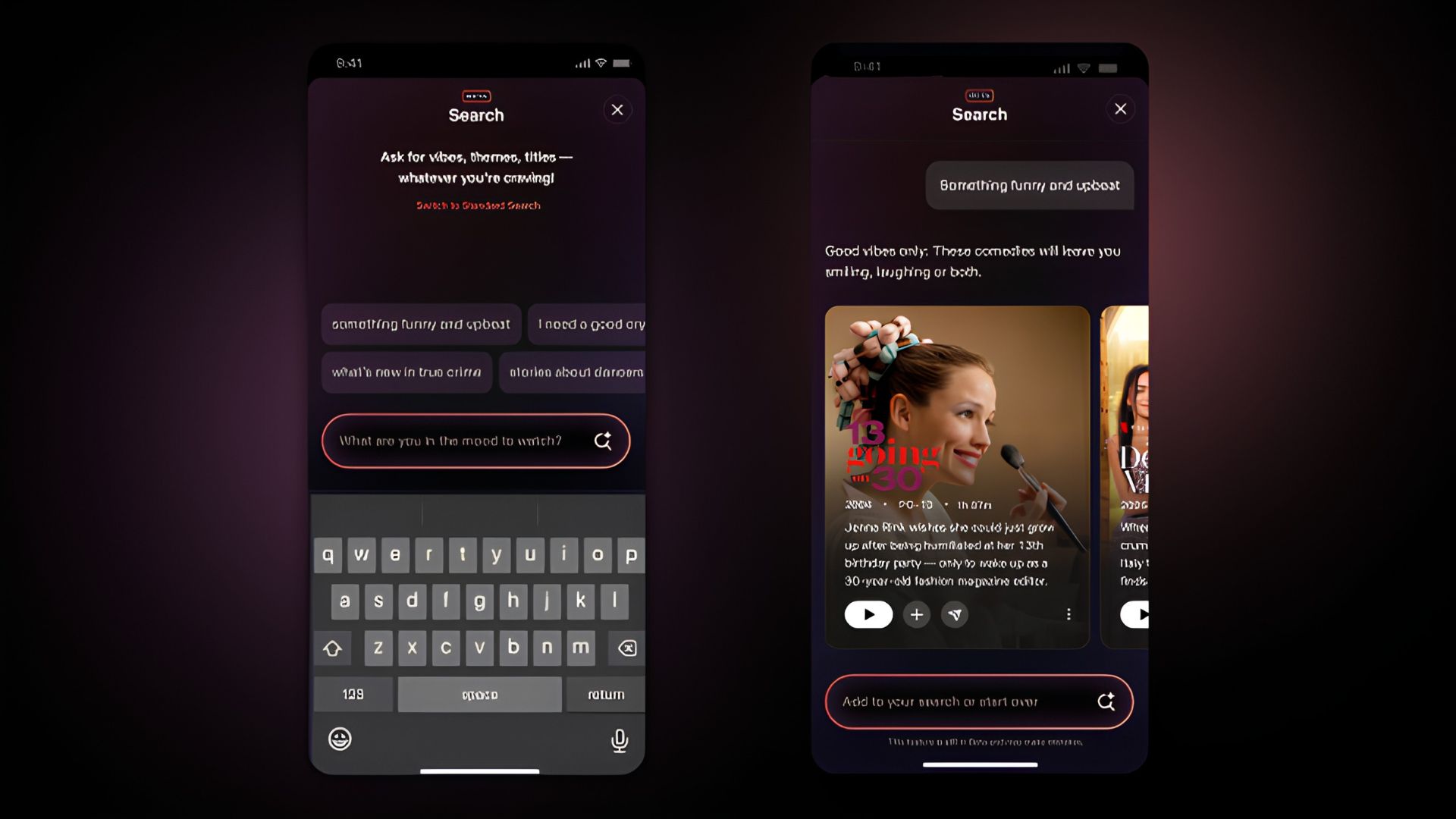
In their cutting edge search technology, Netflix are using AI to move recommendations beyond broad genre labels like "Action" or "Documentary," and deliver more specific categories and tailored recommendations. Where a film isn't available the user is looking for, they even offer alternatives in the same sphere, genre or trope.
The value is retention, not discovery for its own sake - every moment where a user can't find what they want is a moment they might open a competitor's app instead. AI here is working invisibly in service of the customer journey, not as a headline feature.
10. Heinz's "Draw Ketchup"
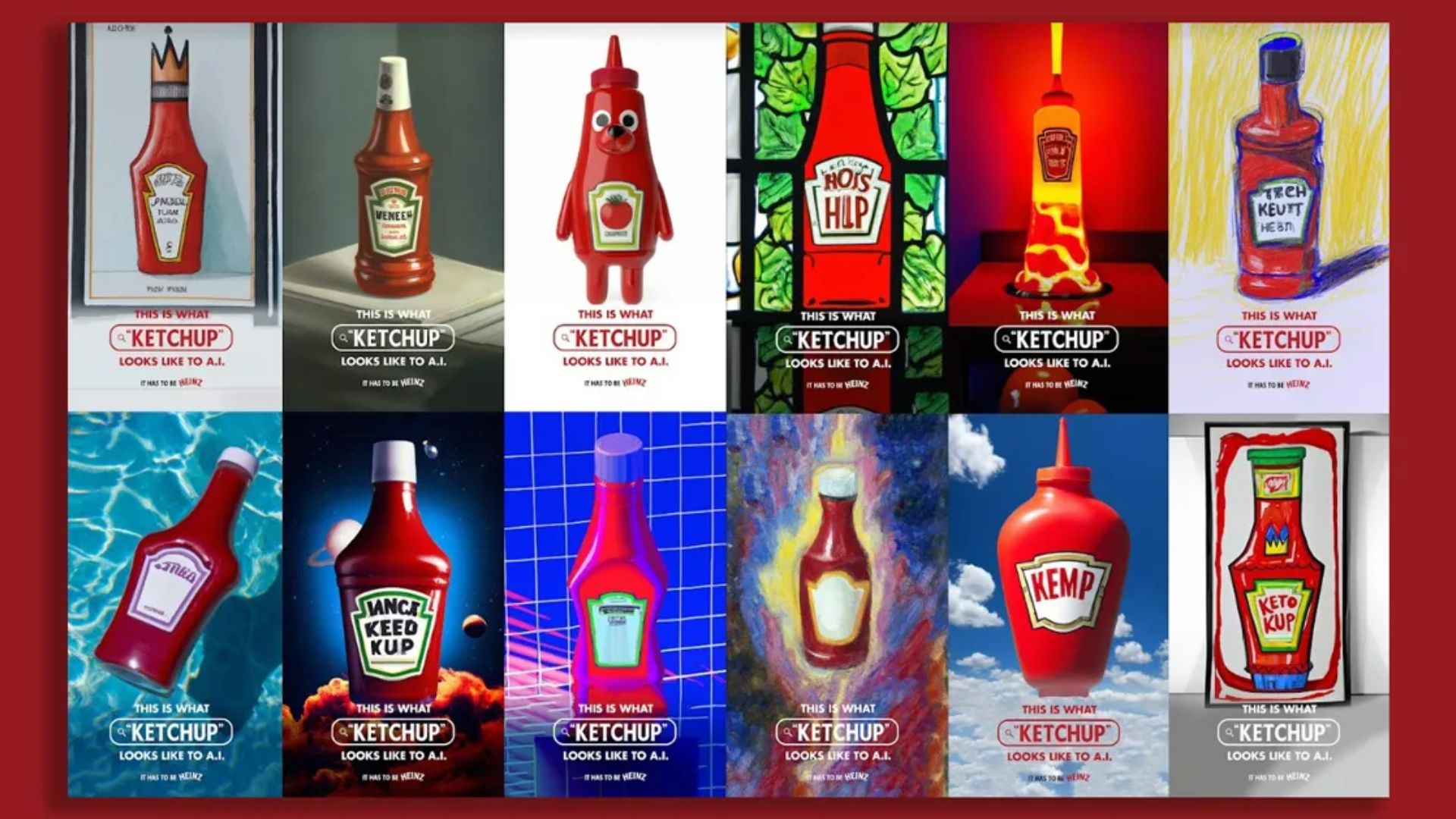
Heinz went simple with AI, just as you and me would. They simply prompted an AI image generator to "draw ketchup, and used the results, overwhelmingly resembling the iconic Heinz bottle, as the cornerstone of the campaign itself.
The cleverness is in how little Heinz actually did. Rather than commissioning new creative, the brand let existing AI models do the work of proving Heinz's own brand equity — AI-generated "evidence" that Heinz owns the visual language of ketchup in the public and machine imagination alike, at almost no production cost.


