
Consumer psychology: why festive nostalgia sells
by Helena Bush - Marketing & Insights Manager
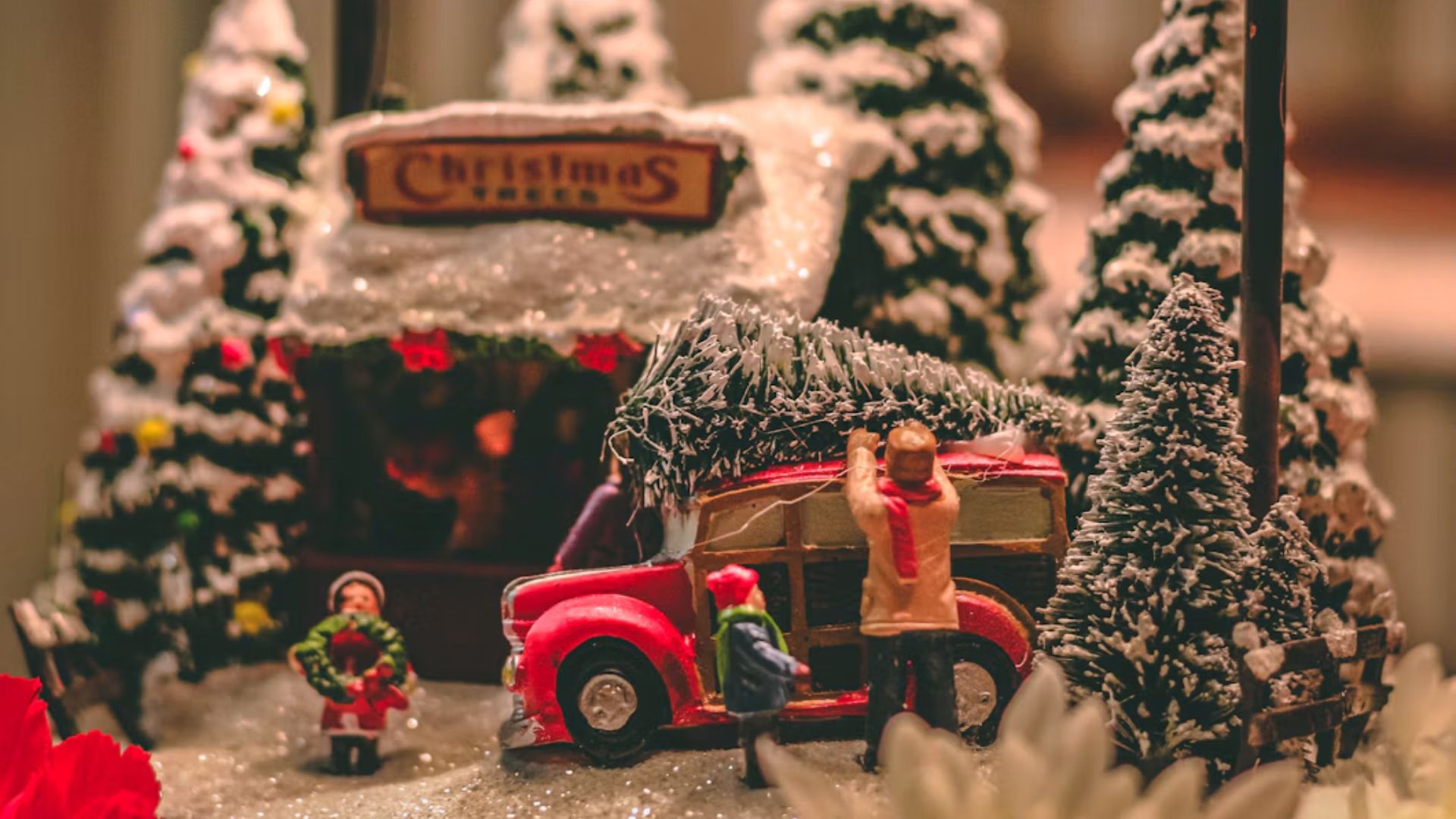
One common theme we see every year when the festive marketing window rolls around is nostalgia. Brands reach for inspiration and collaboration from the past – a cult childhood character, a retro typeface, a story people have known for decades. The familiar can look like a creative shortcut, but there’s a reason why brands reach it time and time again. And its because the psychology explains why nostalgia sells.
Opinium's 2025 Christmas Ad Tracker found nostalgia was the most powerful creative device of the season, whilst Harris Poll UK found 62% of consumers find nostalgic or retro-themed products appealing at Christmas. The data sets the scene.
For brands, the question is no longer whether nostalgia works, but why, and how to use it with intent rather than as a throwback for its own sake.
These 6 points take a deep dive into why odes to the past work so well, and strong campaigns that have won with it in recent years.
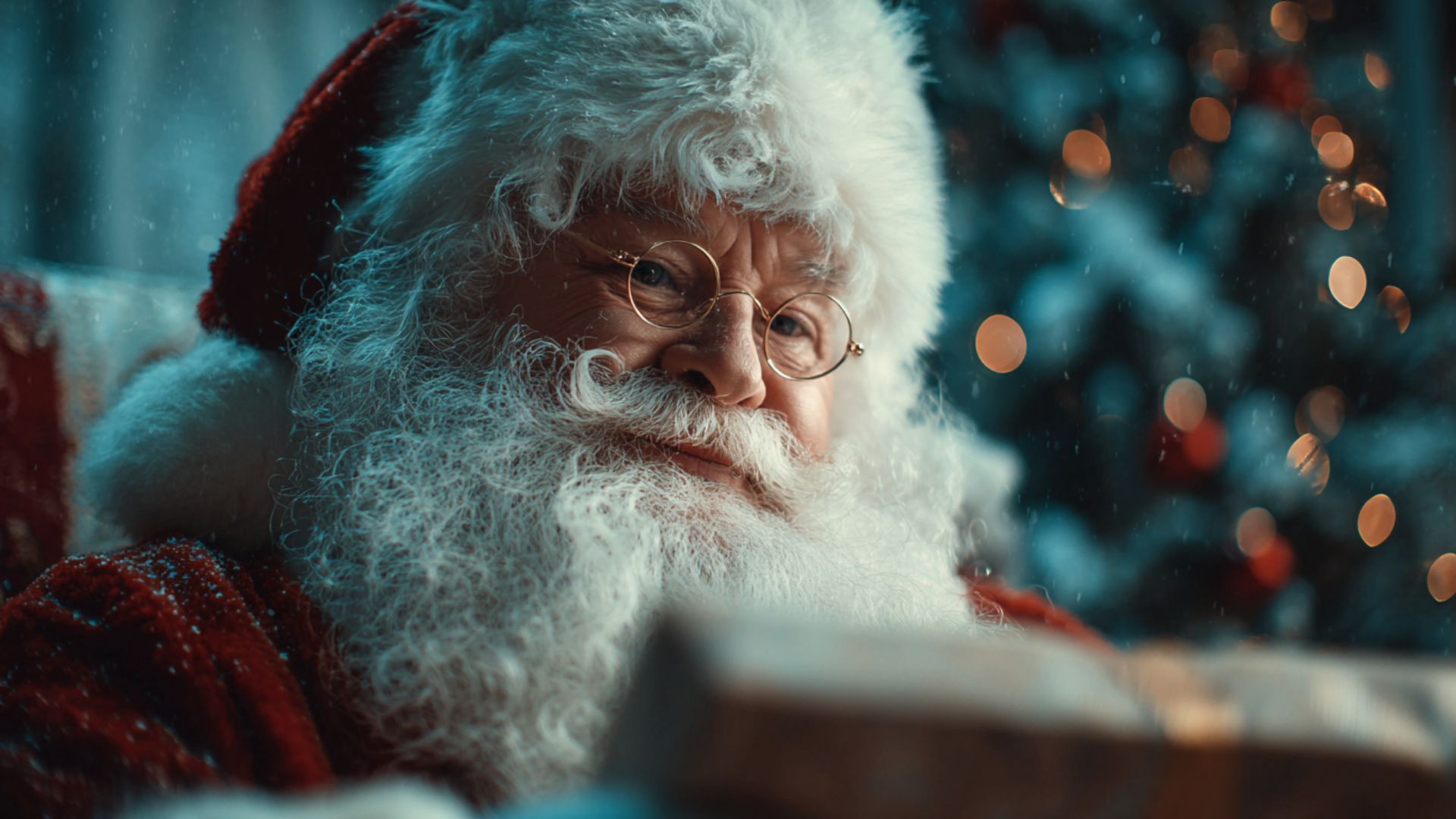
1. Christmas embodies joy of childhood, and nostalgia takes people back to it.
For most people, Christmas is where their strongest childhood memories live. Nostalgia works because it is triggered by sights, sounds and characters that bring those feelings back, not by the product itself.
2. Christmas can be stressful, and nostalgia offers the comfort of the known.
Despite its wholesome intent, between budgets, logistics and family dynamics, Christmas can be a time of stress for many. Nostalgia offers calm against this because it points to something already experienced and already loved, rather than something new to navigate. It doesn’t pose a new stress but offers the calm of the familiar, and brands that offer this relief will land well,
3. Christmas carries high expectations, and the familiar carries less risk.
Many families place Christmas on a pedestal – a time that must deliver joy and fun and live up to expectation. Something already known removes that uncertainty, with less risk to go wrong. IPA's 2026 Christmas Consumer study found most people still prefer traditional approaches to Christmas, and this can largely be attributed to traditional being easier expectations to fulfil.
4. Christmas is a constant in an uncertain world
With geopolitical instability and rapid technological change, consumers are looking for fixed points. Christmas is one of the few that comes back every year in the same form, and nostalgia lets brands connect to that sense of continuity.
5. Nostalgia is a counter to the AI age
As AI-generated content floods feeds, handmade, retro and visibly human design carries more weight, and this is epitomised with nostalgia cues signal craft and authenticity, which stand out against algorithmic sameness.
6. Nostalgia is built for collaboration and partnership, which is the spirit of Christmas
Many nostalgic memories of often associated with iconic and infamous cultural assets and IP, and so a natural way to embrace nostalgia is for brands to partner or collaborate. Not only is this a familiar activation to catch attention and draw awareness, but it aligns with the togetherness of the season, to feel like a seamless choice in the mind of consumers,
Examples of winning nostalgia campaigns for the past few years.
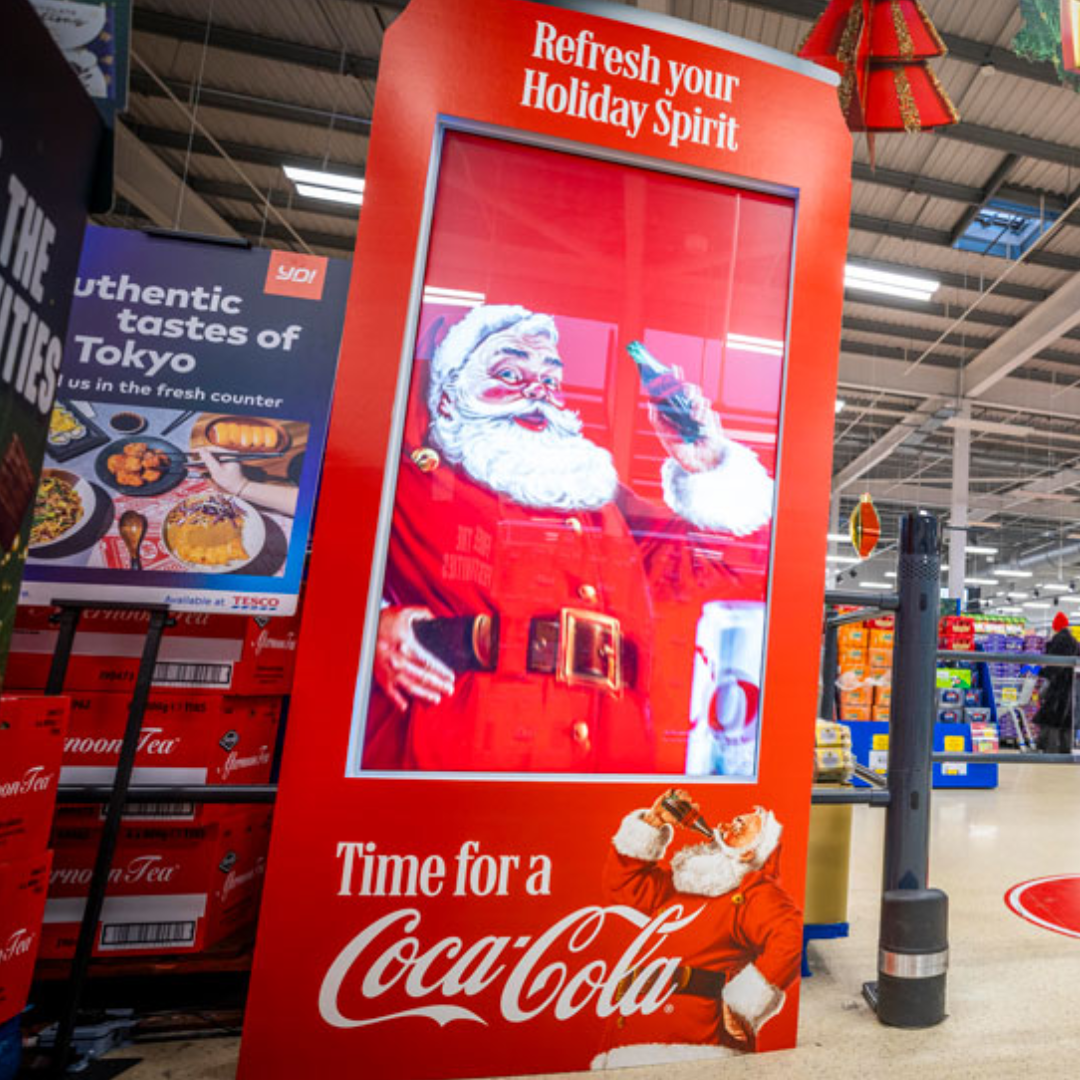
Coca Cola’s Vintage Santa packaging
Coca-Cola's festive packaging used its retro font and vintage Santa artwork, a nod to old-school design amid what IGD's December 2025 report called AI slop. The brand also used AI in its TV advert, which makes the point sharper: it's the symbolism of nostalgia that wins, even when modern technology sits underneath.
Barbour & Aardman
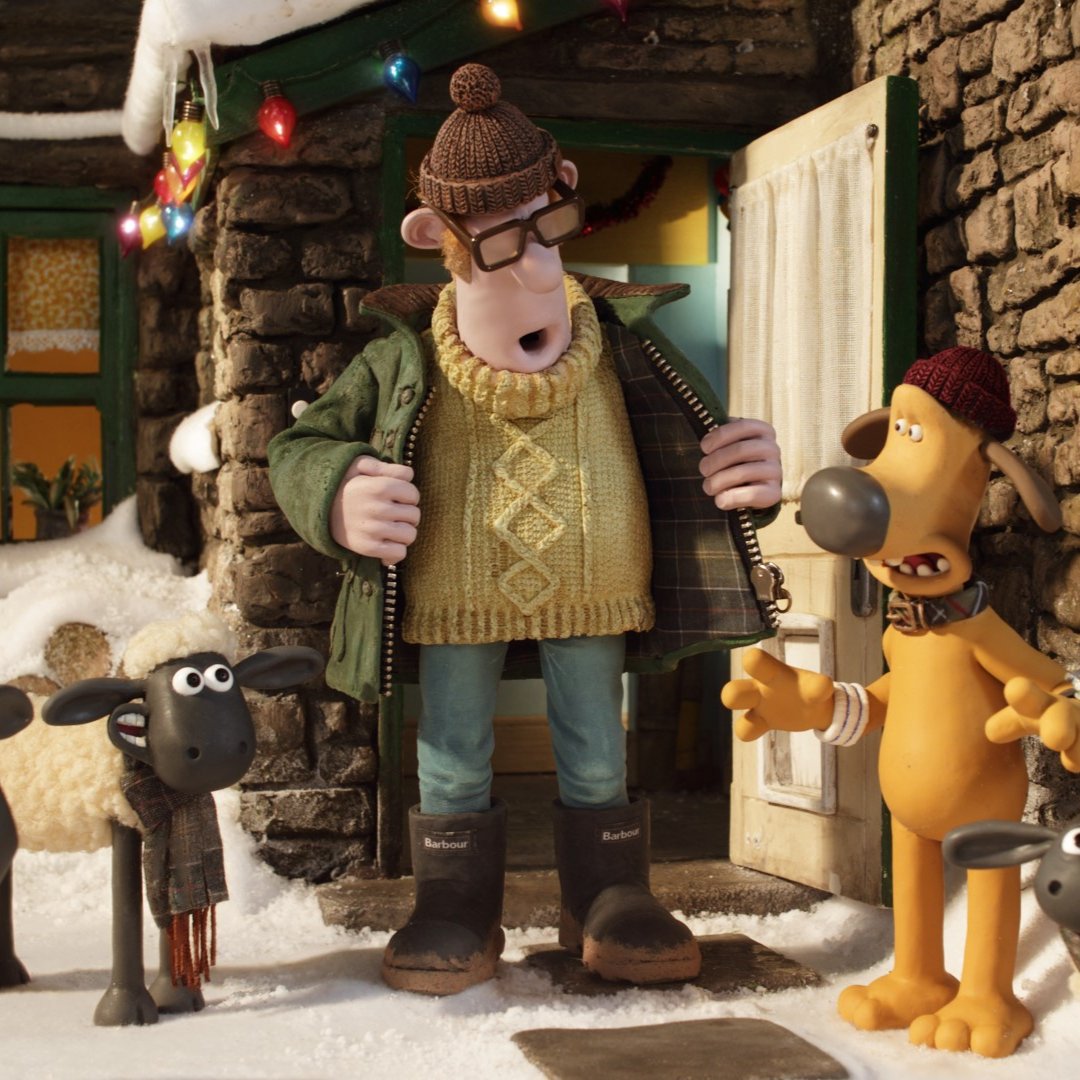
Barbour's Baa-bour campaign partnered with Aardman's Shaun the Sheep, a childhood cult classic, which not only create a humourous ad in the spirit of Christmas, but took viewers of all ages back to fond memories, as Aardman’s iconic animation has existed in its varying formats across generations. The combination of a collaborator aimed for children with an adult heritage brand also embodied the wholesome, novelty fun element of Christmas that reminds adults is a time to relish being a child again (and hence their cautious adult spending)
Google Pixel Pro 10 Love Actually
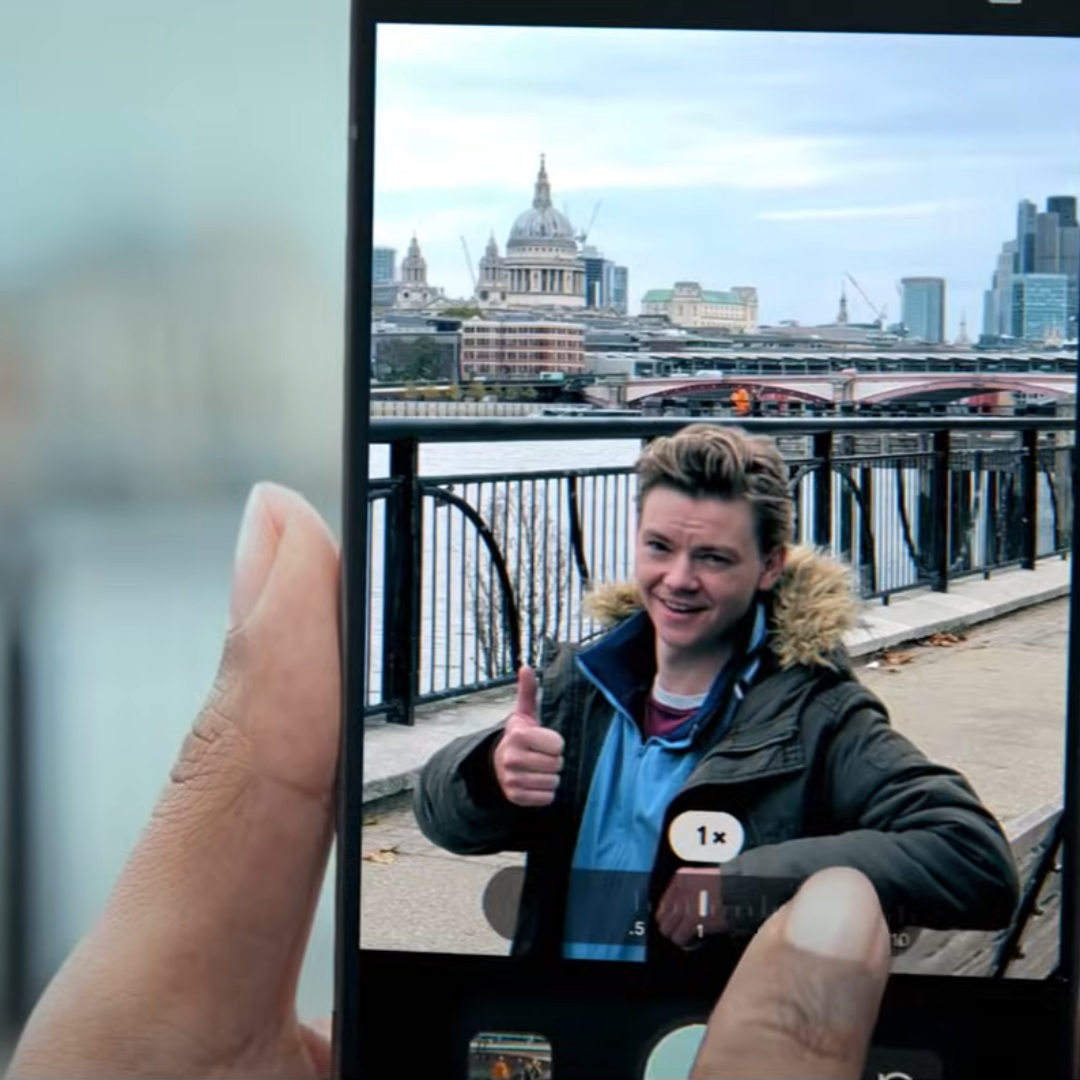
Google's Pixel 10 Pro campaign revisited Love Actually, one of the most rewatched Christmas films of the past two decades. It mixed familiarity with something new: the child from the original film is now grown up. Audiences got the comfort of a story they know, with a twist that kept it feeling current and relevant to a tech launch.
Sainsbury’s BFG Campaign
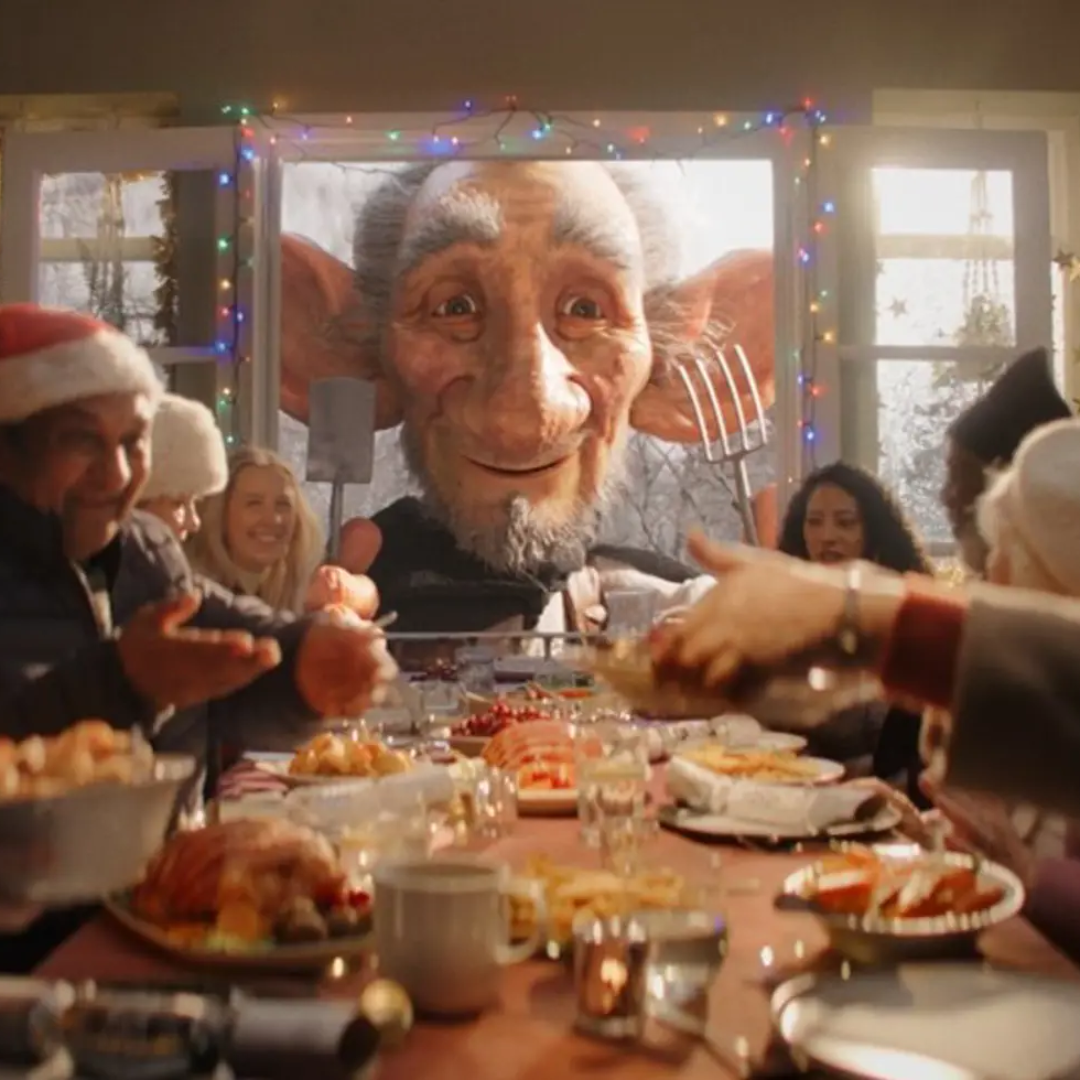
Centred around Roald Dahl's The BFG, Sainsbury’s 2024 & 2025 Christmas campaign took the iconic story character to tell their own story, centred around food and Sainsbury’s as a reliable holiday partner to align with their audience. The familiar character acted as both a transgenerational hook of intrigue, and embodiment of the seasonal sentiment.
Fenwick’s Narnia Shop Windows
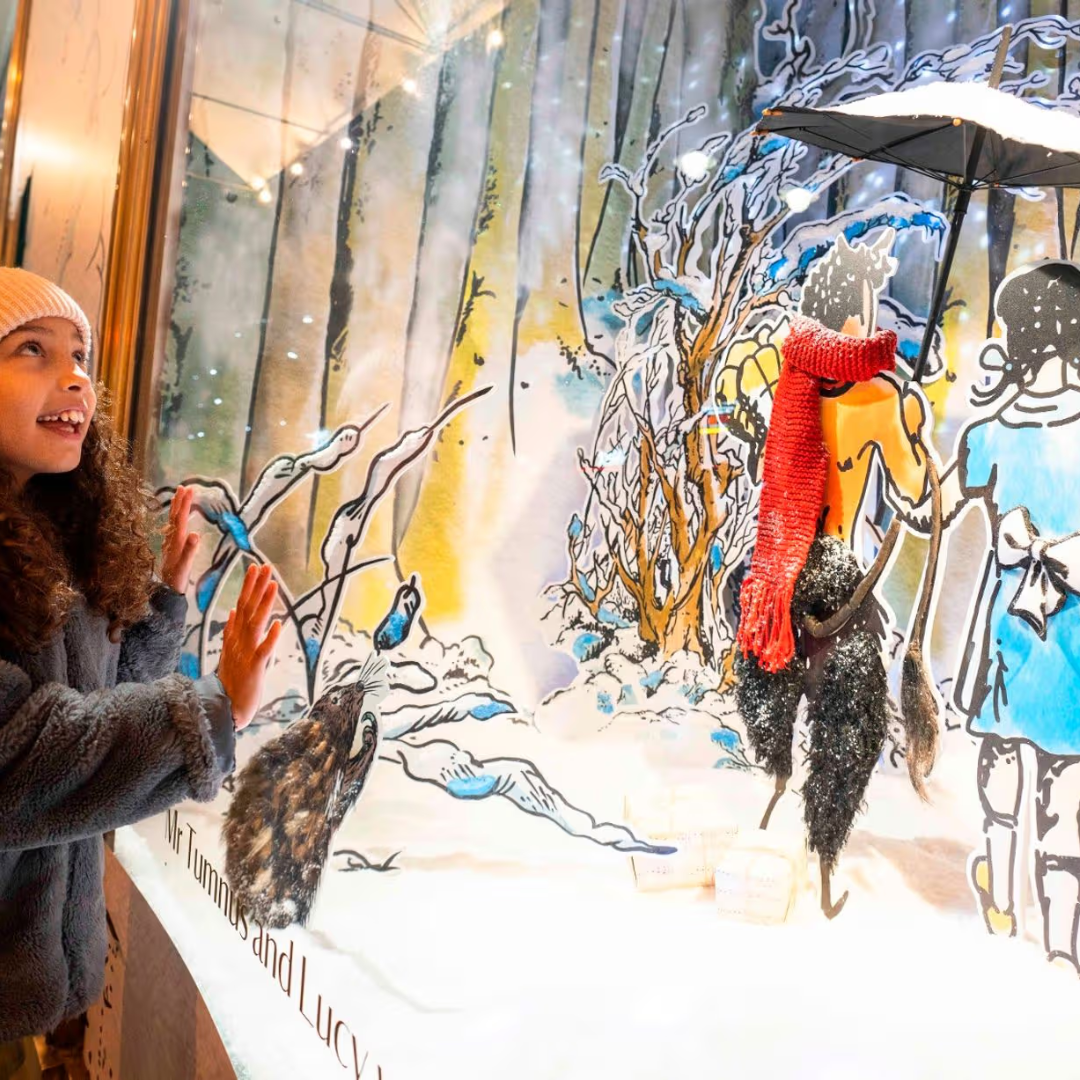
Fenwick's festive window displays turned its storefront into the world of Narnia, a childhood classic. The windows are an annual tradition, and they work because they let shoppers’ step into a story they remember, turning nostalgia into a physical, shareable experience.
Key takeaway
Nostalgia works at Christmas because it meets consumers where they are: stretched, expectant and looking for something to hold onto. The brands doing it best treat it as a strategy that pairs familiarity with a fresh twist, rather than a throwback for its own sake.
Simplify your marketing execution and increase your performance


